
Water Damage Restoration in Islandia, NY
Islandia's 60-Year-Old Levitt Homes Need Restoration That Understands Their Structure
Hear from Our Customers

Flood Restoration Services in Islandia
When the water is gone and the fans are off, what you really want to know is that it’s actually done that there’s no moisture sitting inside the wall cavity, no mold quietly starting behind the drywall, no hidden damage waiting to surface six months from now. That’s what professional water damage restoration actually looks like when it’s done right.
For Islandia homeowners, that standard matters more than most people realize. The core of this village is built on Levitt & Sons construction from around 1963. Those homes are now over 60 years old, and the way water moves through them through concrete block basement walls, under original hardwood floors, into wall cavities with minimal insulation is different from newer builds. A company that doesn’t understand that will miss things. The moisture meter tells the real story, not a visual inspection.
There’s also the groundwater piece. Islandia sits directly above one of central Suffolk County’s most active groundwater zones the Connetquot Brook springs originate at Lakeland County Park, right inside the village’s northern boundaries. When heavy rain hits and the water table rises, hydrostatic pressure pushes through foundation walls in ways that have nothing to do with your plumbing. Getting that event documented and handled correctly especially for insurance purposes requires a restoration company that knows the difference and knows how to communicate it to an adjuster.
Residential Water Damage Repair in Islandia
We’ve been serving Long Island homeowners for nearly three decades. That’s not a marketing line it’s the reason we understand what’s actually inside the walls of a 1963 Levitt home in Islandia, what galvanized pipes look like when they finally give out, and what a concrete block basement wall does when the water table climbs after a storm like the one that hit Suffolk County in August 2024 and brought close to 10 inches of rain in a single day.
We’re based in West Babylon, cover all of Suffolk County with a dedicated 631 team, and are fully licensed, bonded, and insured. Every technician is IICRC-certified which matters not just for the quality of the work, but because insurance adjusters expect it. Documentation from a certified restoration company holds up in the claims process in ways that work from uncertified crews often doesn’t.
From the first call to the final walkthrough, our goal is simple: your home restored correctly, your insurance handled directly, and no unresolved questions left behind.
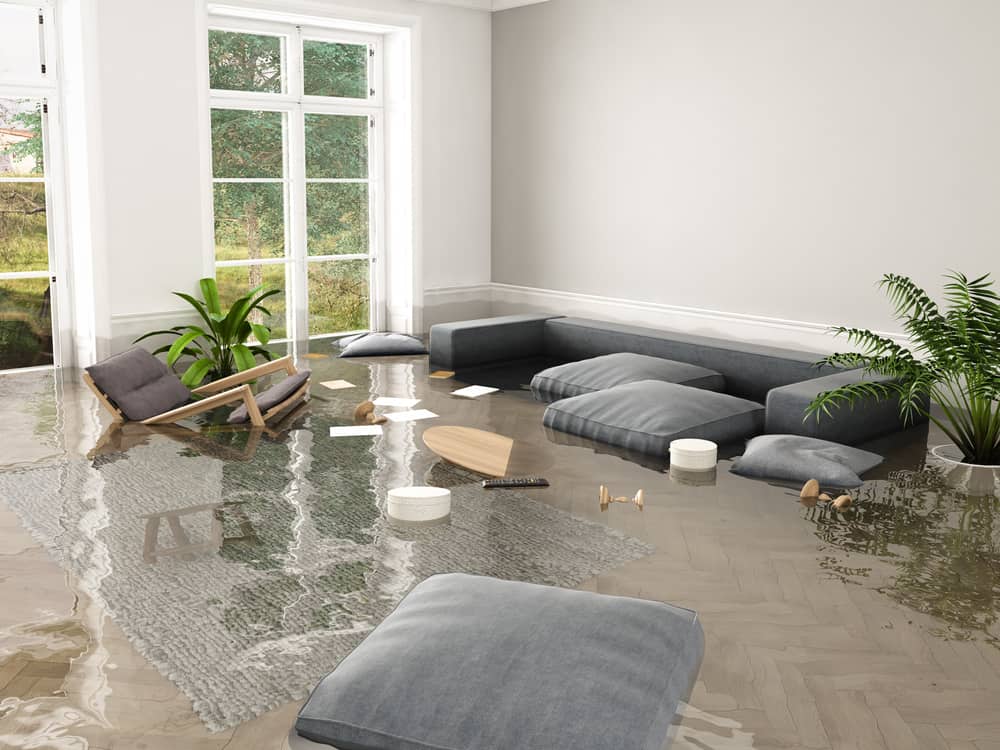
Burst Pipe and Basement Water Extraction Process
When you call, the first thing that happens is a real conversation not a form or a callback queue. You describe what you’re dealing with, and we get out to you. The EPA is clear that water-damaged areas need to be dried within 24 to 48 hours to prevent mold growth, so the clock matters from the moment you notice the problem.
On-site, we start with a thorough assessment moisture meters, thermal imaging, and a full inspection of the areas water could have reached. In Islandia’s Levitt-era homes, that means checking inside wall cavities, under original flooring, and along the concrete block basement walls where water wicks in ways you can’t see from the surface. The goal at this stage is to map the full extent of the damage, not just what’s visible. That assessment also serves as the foundation for your insurance claim documentation, which matters significantly if your event sits in a gray zone between covered sudden-event damage and groundwater intrusion.
From there, water extraction begins using industrial-grade equipment not consumer fans. Structural drying follows, with air movers and commercial dehumidifiers running until moisture readings hit acceptable levels. If mold remediation is needed, New York State’s Article 32 requirements apply: a licensed assessor writes the remediation plan, and a separately licensed remediator performs the work. We operate in full compliance. Once the structure is dry and clear, repairs and reconstruction follow all under one roof, so you’re not coordinating multiple contractors through one of the most stressful situations you’ll face as a homeowner.

Ready to get started?
24/7 Storm Damage Restoration in Islandia, NY
Water damage restoration isn’t one service it’s a sequence of them, and the full scope depends on what the water did and where it went. We handle the complete range: water extraction, structural drying, dehumidification, moisture mapping, mold inspection, mold remediation, odor treatment, and full reconstruction. You don’t get handed off to a subcontractor halfway through.
For Islandia specifically, a few services come up more consistently than others. Flooded basement cleanup is a recurring need here the combination of aging concrete block foundations, a high groundwater table fed by the Connetquot aquifer, and the kind of storm rainfall Suffolk County saw in August 2024 makes basement water extraction a regular reality for homeowners in this village. We also handle burst pipe water damage, which is a year-round risk in homes with original galvanized plumbing pipes that have been corroding from the inside out since the Kennedy administration don’t give much warning before they fail.
Insurance coordination is built into our process, not offered as an add-on. We work directly with your insurance company, handle the documentation, and help you understand what your policy covers before you’re caught off guard. For Islandia homeowners navigating the coverage distinction between a sudden pipe event and groundwater intrusion two very different situations under most standard homeowner policies that guidance is part of the job, not a bonus.

Does homeowners insurance cover basement flooding from groundwater in Islandia?
This is one of the most important questions Islandia homeowners should ask before assuming their policy applies. Standard homeowners insurance covers sudden, accidental water damage from internal sources a burst pipe, an appliance overflow, that kind of event. It does not cover flooding, and groundwater intrusion water that enters your basement because the water table has risen and is pushing through your foundation walls is generally classified as flood damage under most policies.
This distinction matters a great deal in Islandia specifically, because the village sits above the headwaters of the Connetquot Brook, which originates at Lakeland County Park in the village’s northern section. When heavy rain saturates the ground and the water table climbs, hydrostatic pressure builds against the concrete block basement walls of the area’s 1960s-era homes. That’s a groundwater event, not a pipe event and the coverage implications are different. If you have a separate flood insurance policy through the National Flood Insurance Program, you may have coverage. If you don’t, the cost falls to you.
The right move is to have the damage assessed and properly documented before an adjuster arrives. We work directly with insurance companies and can help you understand what you’re dealing with and how to document it correctly from the start.
How fast does mold start growing after water damage in my home?
Faster than most people expect. The EPA states that water-damaged areas need to be dried within 24 to 48 hours to prevent mold growth. Mold spores are already present in the air what they need is moisture, and once they have it, germination can begin within 24 hours under the right conditions. Visible growth typically appears within 48 to 72 hours, but microscopic growth starts earlier than that.
This is why the timeline from discovery to professional response matters so much. If you come home after a long commute and find your basement flooded a situation that’s not uncommon for Islandia residents who spend 30-plus minutes each way on the road the damage may have already been sitting for hours. Every additional hour of delay increases the likelihood that what starts as a water extraction job becomes a water extraction and mold remediation job.
In Islandia’s older Levitt-era homes, the risk is compounded by the fact that moisture can travel into wall cavities, under original hardwood floors, and along concrete block basement walls without being visible on the surface. A professional assessment with moisture meters is the only way to know what you’re actually dealing with and whether mold conditions have already been met.
How long does water damage restoration take for a typical Islandia home?
For most homes, the full process runs about two to three weeks from initial extraction through final repairs though the range is wide depending on how much water was involved, how long it sat, and what it damaged. Minor events with limited water and quick response can be resolved in a few days. Extensive flooding that reaches structural materials, subfloors, or causes mold growth can take considerably longer.
For Islandia’s Levitt-built homes specifically, the drying phase tends to require careful attention. The construction methods used in 1963 create wall cavities and floor assemblies where moisture can accumulate and hold longer than in newer builds. Industrial air movers and dehumidifiers typically run for three to five days during the drying phase, and moisture readings are checked throughout to confirm the structure has reached acceptable levels before any reconstruction begins.
The extraction itself getting standing water out is usually completed within one to three days. After that, it’s drying, assessment, and then repairs. If mold remediation is required, that adds time to the process, and under New York State’s Article 32 law, a licensed assessor must write the remediation plan before any remediation work begins. We coordinate all of this so you’re not managing multiple timelines on your own.
What should I do immediately after I discover water damage in my Islandia home?
The first thing to do is stop the source if you can shut off the water supply valve if it’s a burst pipe or appliance failure. If the water source is external, like storm-driven groundwater coming through your basement walls, there’s nothing to shut off, but you can start moving valuables and furniture out of the affected area to limit further damage.
After that, call a restoration company before you call your insurance company. This order matters. A professional assessment documents the damage while it’s fresh and in its original state that documentation becomes the foundation of your insurance claim. If you file the claim first and an adjuster arrives before anyone has properly documented the damage, you may be working from an incomplete record.
Do not rely on consumer fans or a shop vac to handle the drying. They cannot reach moisture inside walls, under flooring, or along the concrete block foundation walls that are common in Islandia’s 1960s housing stock. Equipment that looks like it’s working on the surface can leave hidden moisture that becomes a serious mold problem weeks later. The cost of doing it right the first time is significantly less than the cost of remediation after a failed DIY cleanup.
Can I stay in my house during water damage restoration in Islandia?
In most cases, yes but it depends on the extent of the damage and where it’s located. If the water event was contained to a basement or a single room, the rest of the house is typically livable during the restoration process. Industrial drying equipment is loud and runs continuously, which some families find manageable and others find disruptive, especially in households with young children or people who work from home.
If the damage is more extensive affecting multiple rooms, the HVAC system, or if mold is present temporary relocation may be the safer and more practical option. Mold remediation in particular involves containment procedures and air filtration that can make portions of the home uncomfortable or inaccessible during the work.
For Islandia homeowners with children attending local schools, the disruption factor is worth discussing with our team upfront so you can plan accordingly. We’ll give you a straight answer about what to expect during each phase of the process including whether staying in the home is realistic for your specific situation so you can make the right call for your family without guessing.
How do I choose a water damage restoration company in Islandia, NY?
The most important things to verify are IICRC certification, licensing, and how long the company has actually been operating in this area. IICRC certification is the industry standard that insurance companies expect documentation from a certified restoration company carries weight with adjusters in ways that work from uncertified crews often doesn’t. Licensing, bonding, and insurance are non-negotiable, especially in Islandia where the village has its own Building Department and structural restoration work is subject to local permit requirements.
Years in business matters more in restoration than in most trades, because experience with Long Island’s specific housing stock the concrete block basements, the galvanized plumbing, the groundwater dynamics of central Suffolk County is genuinely different from experience elsewhere. A company founded recently hasn’t seen this area through multiple storm seasons, post-Sandy recovery, or the kind of historic rainfall event Suffolk County experienced in August 2024.
Also look at whether the company handles insurance coordination directly. In Islandia, where the line between covered sudden-event damage and non-covered groundwater intrusion is a real and recurring issue for homeowners, having a restoration company that understands the insurance landscape and can document your claim correctly from the start is not a convenience it’s a substantive advantage that can determine whether your claim is approved or denied.
Useful Links
Other Services we provide in Islandia