
Hear from Our Customers

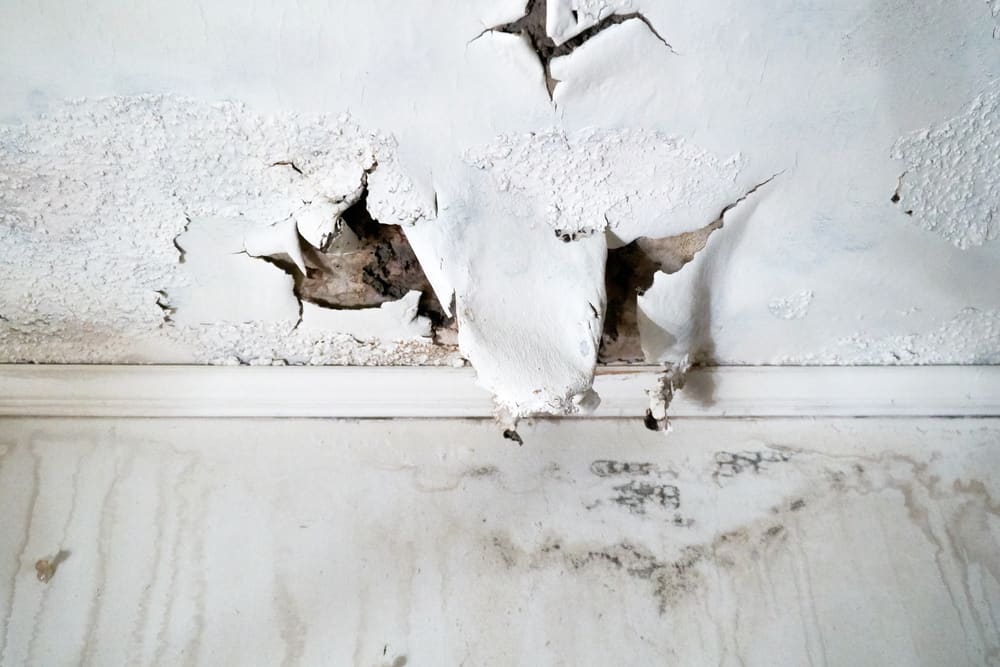
When water gets into a home in Islip Terrace — whether it’s a burst supply line behind a 1960s washing machine hookup, a sump pump that gave out during a nor’easter, or a pipe that froze in an uninsulated wall — the damage doesn’t stay where you can see it. It moves. It wicks into the drywall of that finished basement you’ve had for 30 years. It settles under the flooring. It hides in wall cavities where no fan is ever going to reach it.
What you’re left with, if it isn’t handled properly, isn’t just a wet floor. It’s a mold problem six weeks from now and a home that’s worth less than it was yesterday.
What changes after we handle a proper restoration is that you actually know the moisture is gone. Not assumed gone. Verified gone, with industrial moisture meters and thermal imaging that check the places you can’t see. The drying process is documented, the structural damage is assessed, and if permits are needed through the Town of Islip Building Division for any repair work, we handle that process as part of the job.
For homeowners in Islip Terrace — where the median home value is pushing well past $500,000 and property tax bills run close to $10,000 a year — getting this right the first time isn’t just about comfort. It’s about protecting a serious financial asset. A half-million-dollar home deserves more than a couple of box fans and a hope for the best.
We’ve been serving Suffolk County homeowners for nearly three decades. That means we’ve worked through Hurricane Sandy’s aftermath, through the nor’easters that have saturated South Shore communities, and through every frozen pipe emergency that comes with Long Island winters. We know what post-war housing stock looks like from the inside, and we know how water behaves in it.
We’re based in West Babylon, which puts Islip Terrace within direct reach via Sunrise Highway. When you call our Suffolk County line — 631-587-5300 — you’re reaching a local team, not a national dispatch center routing a crew from somewhere else. Our technicians are IICRC-certified, we’re licensed, bonded, and insured, and our work follows the protocols that insurance companies actually recognize when it’s time to settle a claim.
The process starts the moment you call. Whether it’s two in the afternoon or two in the morning, our response is the same — because mold doesn’t wait for business hours, and neither does water damage. The EPA is clear that affected areas need to be dried within 24 to 48 hours to prevent mold growth. That window is the entire reason 24/7 availability matters, and it’s why getting someone there fast is the first priority.
Once we’re on site, we do a full assessment before anything else. That means moisture meters and thermal imaging to map exactly where the water has traveled — not just where it’s visible. In Islip Terrace’s post-war homes, that often means checking inside wall cavities, under original subfloors, and around the pipe runs that were added when basements were finished in the 1970s and 1980s.
The extraction comes next: industrial-grade equipment that pulls water out of places consumer-grade tools simply don’t reach. After extraction, the structural drying phase begins — typically three to five days depending on the extent of the damage. Dehumidifiers, air movers, and antimicrobial treatment work together to eliminate moisture and prevent mold from taking hold.
If any of the repair work requires a building permit through the Town of Islip, we coordinate that as part of the process. Throughout all of it, everything is documented in a format your insurance company can use — because the paperwork matters just as much as the work itself.

Ready to get started?
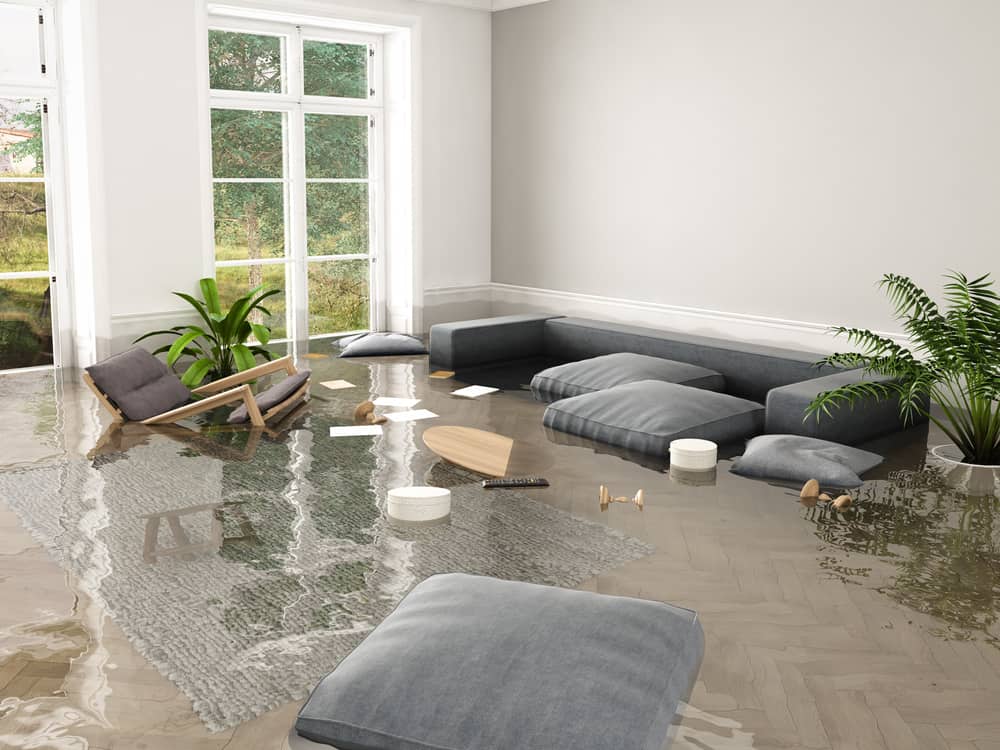
We handle the full range of what water damage actually looks like in Islip Terrace. Flooded basement cleanup is the most common call — and in a hamlet where 95% of homes are detached single-family houses, many with finished basements added decades after original construction, that means dealing with saturated drywall, soaked insulation, damaged flooring, and in some cases, compromised HVAC equipment that sits at floor level. Basement water extraction here isn’t a simple pump-and-go situation. It’s a layered process that has to account for what’s behind the walls, not just what’s on the floor.
Beyond basements, we handle burst pipe water damage, storm damage restoration after nor’easters and summer convective storms, and sewage backup cleanup — all of which carry different contamination levels and require different protocols. The Connetquot River watershed along Islip Terrace’s eastern edge can push groundwater levels up during heavy rain events, causing seepage in homes that have never flooded from a storm surge. That kind of inland flooding catches homeowners off guard, and it’s exactly the scenario where a fast, thorough response makes the difference between a contained cleanup and a mold remediation project.
Homes in Islip Terrace built before 1980 — which accounts for the majority of the housing stock — may also contain asbestos-containing materials in drywall, floor tiles, or pipe insulation. When restoration work reaches those materials, New York State’s Industrial Code Rule 56 requires proper assessment before work proceeds. Our team is familiar with that regulatory environment and factors it into the scope of every job where it’s relevant.

In most cases, yes — standard homeowners insurance covers sudden, accidental water damage from internal sources like burst pipes, failed appliance connections, and water heater failures. The key word is “sudden.” If your insurer can show that the damage resulted from a slow leak that went unaddressed over time, or from a maintenance issue that should have been caught earlier, they may deny the claim or reduce the payout.
For Islip Terrace homeowners, this distinction matters a lot. The hamlet’s housing stock skews heavily toward homes built in the 1950s, 1960s, and 1970s — which means aging galvanized pipes, original washing machine hookups, and water heaters that are well past their expected service life. A sudden failure of any of these is typically a covered event.
What helps your claim is having the damage properly documented from the start, before an adjuster arrives. We work directly with your insurance company — preparing the documentation, communicating with adjusters, and billing the insurer directly — so you’re not navigating that process alone while also dealing with a flooded basement.
The EPA’s guidance is that water-damaged areas need to be dried within 24 to 48 hours to prevent mold growth. In practice, mold spores can begin germinating within 24 hours under the right conditions — and basements in Islip Terrace’s older homes often provide exactly those conditions. Limited ventilation, older insulation materials, and the kind of enclosed wall cavities you find in post-war finished basements create an environment where moisture lingers and mold establishes itself quickly.
Visible mold growth typically appears within 48 to 72 hours, but microscopic growth starts earlier than that. By the time you can see it, the remediation scope has already grown significantly. This is why the response timeline matters so much — not as a sales pitch, but as a practical reality. If you dried the floor with fans and thought the problem was solved, but the moisture inside your walls was never addressed, you may be looking at a mold problem in four to six weeks that costs far more to fix than the original water damage would have. Professional moisture mapping after a flood is what catches that hidden moisture before it becomes a bigger issue.
For most residential water damage situations in Islip Terrace — a burst pipe, a sump pump failure, or a flooded basement after a heavy storm — the drying phase alone typically runs three to five days. That’s the time it takes for industrial dehumidifiers and air movers to bring moisture levels in walls, floors, and structural materials down to acceptable readings. Water extraction itself usually takes one to three days depending on the volume of water and the layout of the affected area.
From there, the repair and rebuild phase depends on what the damage actually looks like. If it’s a straightforward situation with limited structural impact, the full project might wrap up in two to three weeks. If the water reached HVAC equipment, caused significant drywall damage, or triggered a mold remediation requirement, the timeline extends.
For homes in Islip Terrace where the basement was finished years after original construction — which is common in the hamlet’s Cape Cods and ranch-style houses — the repair scope can be more involved because you’re dealing with materials and configurations that weren’t part of the original build. Any structural repair work that requires a permit through the Town of Islip Building Division adds coordination time, which we factor into the project plan from the start.
This is one of the most common misunderstandings homeowners run into, and it has real financial consequences. Standard homeowners insurance covers water damage from internal sources — burst pipes, appliance failures, roof leaks, and similar events that originate within the home or its structure. It does not cover flooding. Flooding, in insurance terms, means water that comes from outside the home — storm surge, overland flow from heavy rain, or rising water from a nearby body of water like the Connetquot River.
For Islip Terrace homeowners, this distinction is particularly relevant. The hamlet sits within the Town of Islip’s broader flood risk zone, and the Connetquot River watershed along the eastern edge can push groundwater levels up during heavy precipitation events. If water enters your basement through the foundation during a storm — rather than from a burst pipe or appliance failure — that may be classified as a flood event by your insurer, which would require a separate flood insurance policy through the National Flood Insurance Program (NFIP) to cover.
Knowing which type of damage you’re dealing with from the start helps you file the right claim and avoid a denial that could have been prevented.
It depends on the scope of the damage and which parts of the home are affected. For a localized event — a burst pipe in a bathroom, or a washing machine overflow that’s contained to a laundry room — most homeowners can stay in the home while the drying equipment runs. The equipment is loud and the affected area will be off-limits, but the rest of the house remains livable.
For more extensive situations — a fully flooded basement with HVAC damage, a sewage backup that’s classified as Category 3 contamination, or widespread moisture that requires the home’s air handling systems to be shut down during remediation — temporary relocation may be the safer and more practical option. In those cases, your homeowners insurance policy may cover additional living expenses while the work is completed, which is worth confirming with your insurer early in the process.
We’ll give you a straight answer about what the scope of work looks like and what staying in the home during that time realistically means for your family — no pressure in either direction, just an honest assessment of the situation.
Insurance companies have specific expectations about how water damage restoration work is performed and documented. The IICRC — the Institute of Inspection, Cleaning and Restoration Certification — sets the industry standard protocols that insurers recognize. When a certified company follows those protocols, the documentation they produce carries weight with an adjuster in a way that work from an uncertified contractor simply doesn’t.
In practical terms, this means the drying logs, moisture readings, and scope-of-work documentation that we produce are formatted and detailed in the way insurance companies expect to see them. That reduces the likelihood of a claim dispute, a partial denial, or a request for additional documentation that delays your settlement. For Islip Terrace homeowners dealing with median property tax bills near $10,000 a year and home values in the $500,000-plus range, the difference between a well-documented claim and a poorly documented one can translate directly into thousands of dollars in recovery. Working with a certified, licensed, and insured contractor from the start is one of the clearest ways to protect that outcome.
Useful Links
Other Services we provide in Islip Terrace