
Hear from Our Customers

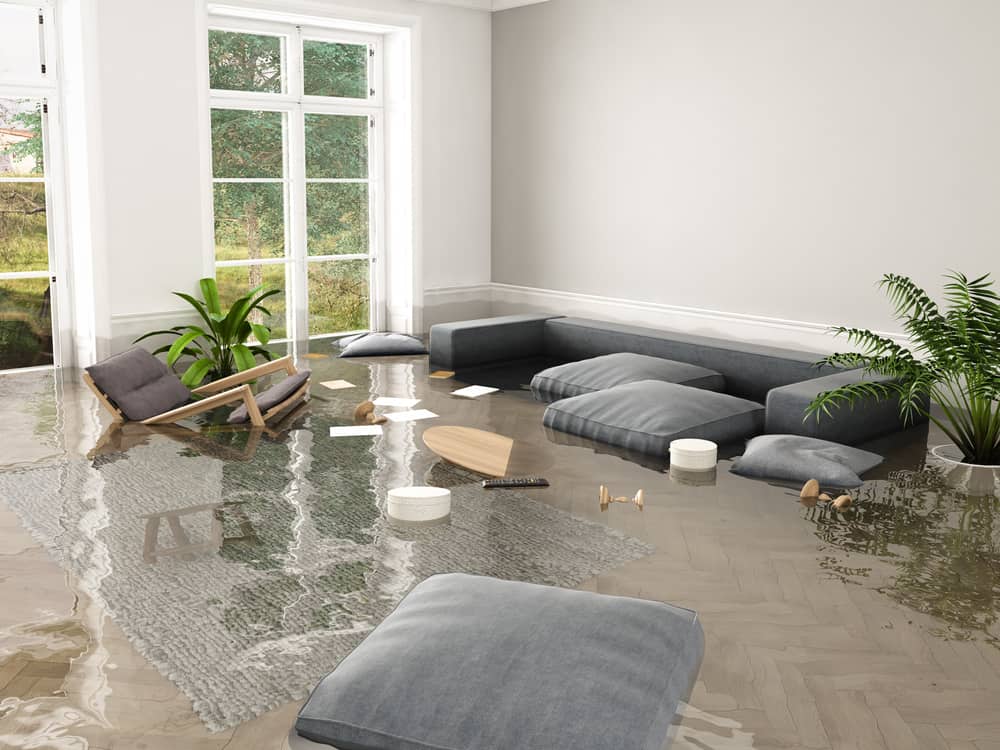
The moment water gets into a Napeague property — whether it’s storm surge pushing across from Gardiners Bay, a burst pipe in a cottage that sat empty all winter, or a nor’easter driving rain through a compromised roof — the damage starts compounding. Mold can establish itself within 24 to 48 hours. What starts as a manageable extraction job becomes a full remediation project if the response is slow or incomplete.
The goal isn’t just getting the water out. It’s making sure nothing is left behind.
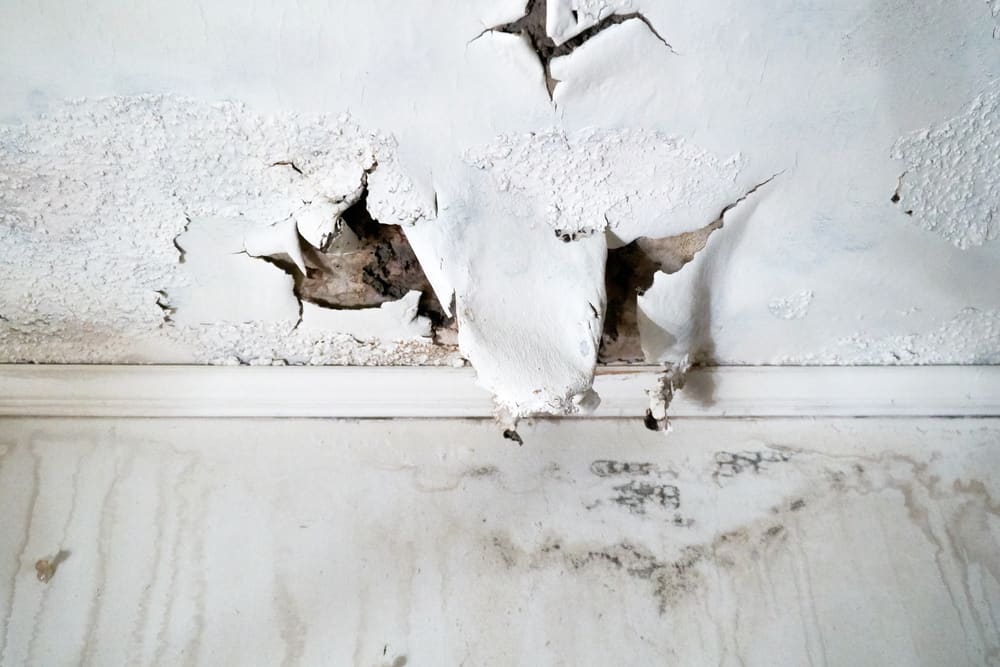
Moisture moves into walls, under floors, and into structural cavities where no fan or wet-vac can reach it. In Napeague’s high-humidity maritime environment — sitting between the Atlantic and Gardiners Bay — that hidden moisture has ideal conditions to turn into a mold problem weeks after an apparent cleanup. The right equipment, the right drying protocols, and proper moisture mapping are what separate a real restoration from a surface fix.
With the majority of Napeague’s homes sitting vacant for large portions of the year, the delayed-discovery problem is real. By the time you, your property manager, or a neighbor notices something is wrong, the damage has often been building for days. Getting our team on-site immediately — one that can assess the full scope, begin extraction, and document everything for your insurance claim — is what prevents a manageable situation from becoming a major one.
First Response Restoration and Cleaning Inc. is based in West Babylon and has been serving Suffolk County homeowners and property owners for nearly three decades. That’s not a marketing number — it’s the actual length of time we’ve been responding to water damage calls across Long Island, through every storm season, every nor’easter, and every flooding event Napeague and the East End have seen in that span.
When you search for water damage restoration near Napeague, you’ll find a mix of results — some legitimate, some programmatic landing pages from companies with Rochester area codes that have never sent a crew to the East End in their lives. We’re a real Suffolk County company with a real track record. Our technicians are IICRC-certified, fully licensed, bonded, and insured, with the experience to handle everything from a flooded basement in Amagansett to a storm-surge restoration at Lazy Point.
We work directly with insurance companies — handling documentation, direct billing, and the communication that most property owners dread. If you’re managing a Napeague property from New York City or coordinating through a property manager, that matters more than almost anything else.
When you call, the first thing that happens is a real conversation — not a voicemail queue. You describe what you’re dealing with, and our team gets dispatched. In Napeague, timing matters in a way it doesn’t in most inland communities. The Napeague Stretch of Route 27 is the only road crossing the isthmus, and during a major storm event, access can be cut off. Our Suffolk County team knows the East End’s access constraints and moves quickly to get on-site before conditions change.
Once on the ground, our first priority is assessment. Moisture meters and thermal imaging identify where water has traveled — not just what’s visibly wet, but what’s hidden inside walls, under flooring, and in the structural cavities that standard cleanup misses entirely. Water category matters here too. Coastal flooding and storm surge from Gardiners Bay is Category 3 contaminated water, which requires different extraction, antimicrobial treatment, and documentation protocols than a clean-water pipe burst. Getting that distinction right affects both the health outcome and the insurance claim.
From there, industrial-grade extraction equipment removes standing water, and commercial dehumidifiers and air movers begin the structural drying phase — typically three to five days for most properties, longer for more severe events. Everything is documented throughout: moisture readings, equipment logs, photo records, and written reports in the format insurance adjusters require. If East Hampton Town building permits are needed for any structural restoration work, we factor that process into the timeline from the start. You’re kept informed at every stage, whether you’re on-site or three hours away.
Ready to get started?
Water damage restoration in Napeague isn’t a one-size-fits-all job. Our service covers the complete range — water removal and basement water extraction, structural drying, dehumidification, mold remediation, and reconstruction when needed. For properties in East Hampton Town’s coastal flood hazard areas, that also means navigating FEMA’s Substantial Damage Rule, which can require elevation compliance when repair costs reach 50% or more of the structure’s pre-damage value. We understand how that affects the scope of work and can help you understand what you’re looking at before any commitments are made.
Saltwater intrusion — common in Napeague’s oceanfront and bayfront properties — is treated as Category 3 contamination, meaning the remediation protocol is more involved than a standard freshwater event. Antimicrobial treatment, controlled demolition of saturated materials, and thorough drying of structural cavities are all part of the process when floodwater from Gardiners Bay or storm surge from the Atlantic is involved. These aren’t optional steps — skipping them is what leads to mold appearing behind walls six months later, right before your peak rental season.
For property owners managing Napeague homes from a distance, our service includes direct coordination with property managers as the on-site point of contact, regular photo and written updates, and direct insurance billing. Whether you’re dealing with homeowners coverage, an NFIP flood policy, or both, we handle the documentation and communication with your insurer so the claim process doesn’t fall entirely on you. The goal is to hand you back a fully restored property — not a stack of paperwork and a half-finished job.

This is one of the most important questions to get right, and the answer depends entirely on the source of the water. Standard homeowners insurance typically covers sudden, accidental water damage from internal sources — a burst pipe, an appliance failure, a roof leak from wind-driven rain. What it does not cover is flooding. Storm surge from the Atlantic or bay water pushing across the Napeague isthmus during a nor’easter or hurricane is classified as flooding, and that requires a separate flood insurance policy through the National Flood Insurance Program or a private flood insurer.
Many Napeague property owners carry both policies, which creates a second layer of complexity: figuring out which policy applies to which portion of the damage. Wind-driven rain intrusion through a compromised roof may fall under homeowners coverage, while the storm surge that came through the door falls under flood. Getting the damage documented correctly — with the right categorization, photos, moisture readings, and written reports — is what ensures the right claim goes to the right policy. We work directly with your insurance company and know how to structure that documentation so your claim doesn’t get caught in a coverage dispute.
The EPA’s guidance is clear: water-damaged areas need to be dried within 24 to 48 hours to prevent mold growth. In practice, mold spores can begin germinating within the first 24 hours under the right conditions, and visible growth typically appears within 48 to 72 hours. In Napeague’s maritime environment — where ambient humidity is elevated year-round due to the property’s location between the Atlantic and Gardiners Bay — those conditions are almost always present. Salt air and ocean moisture create an environment where building materials stay damp longer than they would in an inland location.
This is why the delayed-discovery problem in Napeague is so serious. If a storm hits while your property is vacant and no one checks on it for a week, mold has almost certainly established itself by the time anyone walks in the door. The response at that point isn’t just water extraction — it’s mold remediation, which is a more involved and more expensive process. Calling as soon as damage is discovered, even if you suspect it’s been sitting for a while, is still the right move. A full assessment will tell you exactly what you’re dealing with and what the remediation path looks like.
Water damage is classified into three categories based on contamination level, and the category determines the remediation protocol. Category 1 is clean water — a burst supply line or appliance overflow. Category 2, sometimes called gray water, includes washing machine discharge or toilet overflow without solid waste. Category 3 is the most serious: highly contaminated water that includes sewage backup, groundwater intrusion, and floodwater from natural sources like bays, rivers, or storm surge.
For Napeague properties, coastal flooding events almost always involve Category 3 water. Bay water from Gardiners Bay, storm surge from the Atlantic, and overland flooding during major storms all carry contaminants, sediment, and biological material that require specialized handling. This means the affected materials — drywall, insulation, flooring, structural wood — often need to be removed rather than simply dried. Antimicrobial treatment is applied to all exposed surfaces. The documentation requirements for insurance claims involving Category 3 damage are also more detailed. Working with IICRC-certified technicians who correctly identify and document the water category isn’t just about doing the job right — it directly affects the validity and outcome of your insurance claim.
It’s not too late, but the scope of what needs to happen changes the longer water damage has been sitting. If a storm hit while your property was vacant and it’s been days or weeks since anyone checked on it, the immediate priority is a thorough assessment to understand what you’re actually dealing with. Mold may already be present — possibly visibly, possibly hidden inside walls or under flooring. The water itself may be long gone, but the moisture it left behind can persist in structural materials for weeks without professional drying equipment.
The assessment will tell you the real picture: where moisture remains, whether mold has established, what materials need to come out, and what the remediation path looks like. From there, we document everything in the format your insurance adjuster will need. One thing worth knowing: your homeowners policy may include a vacancy clause that limits coverage if the property has been unoccupied for more than 30 to 60 days, depending on your policy terms. That’s a conversation to have with your insurer, and having thorough documentation of the damage and its cause is your best protection in that situation. Call as soon as you know — the assessment itself costs you nothing.
The timeline depends on the extent of the damage. For a contained event — a burst pipe in one room, a minor roof leak — the extraction and drying phase typically runs three to five days, with any necessary repairs following shortly after. For more significant flooding events, like storm surge affecting multiple rooms or a basement that took on several inches of water, the full process from initial extraction through final restoration can run two to three weeks or longer.
For Napeague specifically, a few factors can affect the timeline. Properties that have been vacant and had water sitting for an extended period before discovery will require mold remediation in addition to drying, which adds time. Coastal flooding events involving Category 3 contaminated water require more thorough material removal and treatment before structural drying can begin. And if the damage is significant enough to trigger East Hampton Town’s Substantial Damage Rule — where repair costs approach or exceed 50% of the property’s pre-damage value — the permitting and potential elevation compliance process will affect the reconstruction timeline. We’ll give you a realistic assessment of the timeline upfront, not a number designed to get you to sign and then move the goalposts later.
Yes, and for many Napeague property owners, this is exactly how the process works. A significant portion of properties in Napeague are owned by people who live in New York City or elsewhere and manage their East End homes through a local property manager or caretaker. We’re set up to work with whoever is the on-site point of contact — coordinating access, communicating progress, and ensuring the work moves forward without requiring the property owner to make a three-hour drive every time something needs attention.
Throughout the restoration, you receive photo updates, moisture reading logs, and written documentation of every phase of the work. This documentation serves two purposes: it keeps you informed as the property owner, and it builds the claim file your insurance adjuster will need. Direct insurance billing means we communicate with your insurer directly — submitting documentation, answering adjuster questions, and handling the back-and-forth that would otherwise fall on you to manage remotely. If your property manager discovered the damage and made the initial call, the process can move forward from that point with minimal disruption to your schedule while ensuring nothing gets missed on the restoration side.
Useful Links
Other Services we provide in Napeague