
Hear from Our Customers

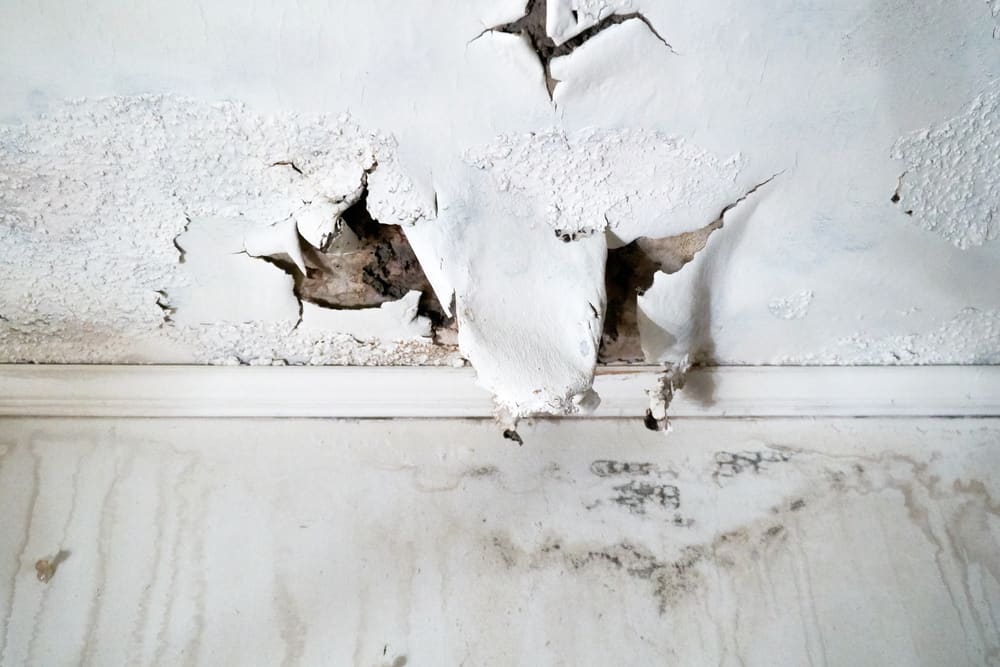
When water gets into a New Suffolk home, the visible damage is rarely the full picture. Storm surge from Peconic Bay carries sediment and biological contamination that soaks into crawlspace framing, floor joists, and wall cavities before you can see or smell a thing. What looks like a cleanup job on the surface is often a structural drying and mold prevention job underneath — and the difference between those two outcomes comes down to whether the right equipment and certified process were used from the start.
For second-home and seasonal property owners on the North Fork, the stakes are even higher. A pipe that bursts in January in a vacant bay house may not be discovered until spring. By then, what started as a clean-water event has had weeks to saturate structural wood and seed mold throughout the building. The outcome you’re after isn’t just a dry floor — it’s a property that’s genuinely safe, structurally sound, and documented properly for your insurance claim.
That documentation piece matters more than most people realize. New Suffolk waterfront properties often carry both standard homeowners insurance and NFIP flood insurance, and knowing which policy covers which event — and how to present the damage to each carrier — takes real experience. When we handle the restoration correctly and document it thoroughly, your claim goes smoother and your payout reflects the actual scope of the damage.
We’ve been serving Long Island homeowners for nearly three decades — through Sandy, through the nor’easters that regularly push Peconic Bay water into New Suffolk streets, and through the quieter emergencies that never make the news but still devastate a home. That history isn’t just a number. It means the team showing up at your door has worked through every water damage scenario specific to the North Fork’s building stock, weather patterns, and insurance landscape.
Every technician on our team is IICRC-certified, which is the industry credential that insurance adjusters actually recognize. We’re also licensed, bonded, and insured — credentials that matter when you’re dealing with Town of Southold permit requirements or FEMA floodplain compliance after a surge event. You’re not calling a national franchise that recently changed hands. You’re calling a Long Island company with a 631 number and a real track record in New Suffolk and the surrounding waterfront communities.
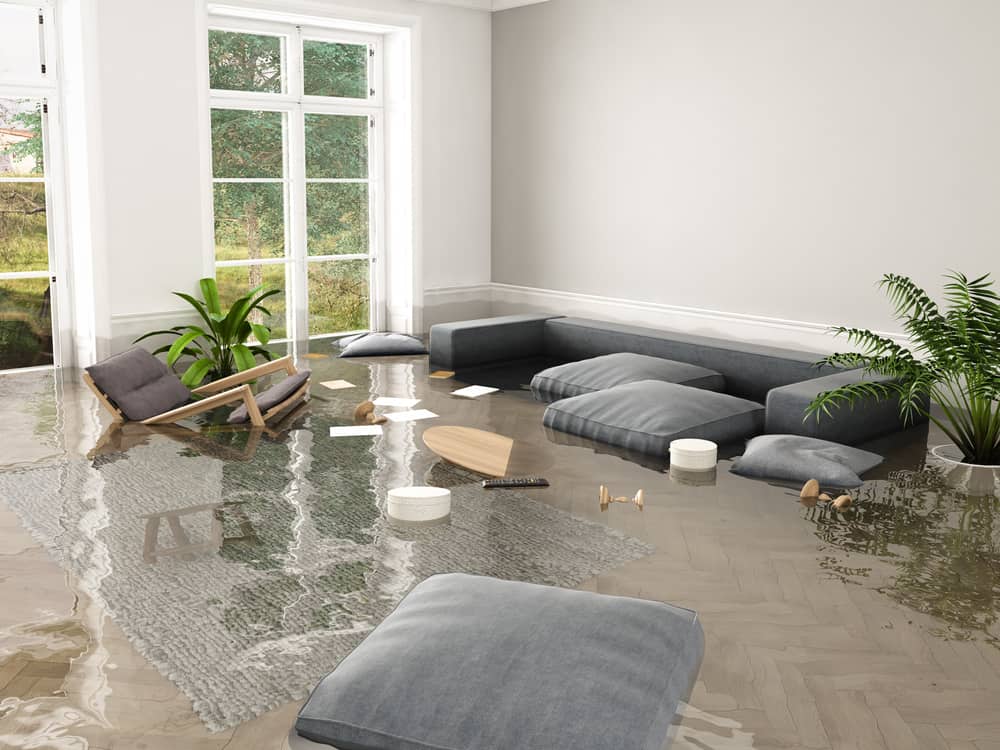
The first call triggers an immediate response. We operate around the clock — because a burst pipe in a vacant North Fork bay house doesn’t wait for business hours, and neither does Peconic Bay surge during a nor’easter. When you call, our team is dispatched with industrial extraction equipment, moisture meters, and drying systems. If you’re calling from out of town because a neighbor spotted the damage, that’s fine — we can assess, document, and begin work without you needing to be there.
Once on-site, our first priority is stopping the water source and extracting standing water. Then comes the part most people don’t see: moisture mapping. Using professional-grade meters and thermal imaging, we identify moisture inside walls, under floors, and in crawlspace framing — the hidden saturation that consumer fans and wet-vacs never reach. In older New Suffolk homes with crawlspaces, this step is critical. Moisture that stays in structural wood for more than 24 to 48 hours creates conditions for mold growth, and crawlspaces are exactly the kind of low-clearance, poorly ventilated space where that happens fast.
After extraction and drying comes documentation. Every phase of the restoration is recorded in a format that insurance adjusters expect — damage photos, moisture readings, equipment logs, and scope of work. If your property is in a FEMA-designated flood zone (which covers significant portions of New Suffolk given its waterfront position), that documentation also supports any Town of Southold permit requirements for structural repairs. From there, we handle reconstruction through to completion — one company, one call, no coordinating between contractors.

Ready to get started?
New Suffolk isn’t a typical Long Island suburb, and the water damage restoration here isn’t a typical job. The hamlet’s position directly on Little Peconic Bay and Cutchogue Harbor means storm surge events arrive with contaminated water — often Category 2 or Category 3 by the time it’s entered a structure — that requires antimicrobial treatment, not just extraction. The North Fork’s older housing stock, with its crawlspaces, well water systems, and aging plumbing, responds to water intrusion differently than a newer build, and the restoration process has to account for that.
We handle the full scope: water extraction, structural drying, dehumidification, mold prevention, and reconstruction. For properties with septic systems — which covers all of New Suffolk, since the hamlet has no municipal sewer connection — sewage backup events require Category 3 remediation protocols and coordination with Suffolk County Department of Health requirements. That’s a layer of regulatory complexity that a general contractor isn’t equipped to navigate, but it’s standard territory for us given our three decades of Suffolk County experience.
For seasonal and second-home owners, our service includes remote coordination — detailed documentation, direct communication with your insurance carrier, and clear updates so you know exactly what’s happening at your property even if you’re managing it from the city. Burst pipe water damage, flooded basement cleanup, storm damage restoration after a bay surge event — whatever brought you here, the process is the same: thorough, certified, and documented from start to finish.

Standard homeowners insurance covers sudden, accidental water damage from internal sources — a burst pipe, an appliance overflow, a water heater failure. It does not cover flooding, and that distinction matters enormously for a waterfront hamlet like New Suffolk. If Peconic Bay surge enters your home during a nor’easter or tropical storm, that’s a flood event, and it falls under a separate NFIP flood insurance policy — not your standard homeowners coverage.
Many North Fork waterfront homeowners carry both types of insurance, which creates a documentation challenge: you need to demonstrate clearly which portion of the damage came from which source. Internal pipe failure that happened concurrently with a storm event may be covered by your homeowners policy, while the surge damage is covered by flood insurance. Getting that split documented correctly — with the right moisture readings, photos, and scope of work — is where an IICRC-certified restoration company earns its value. We work directly with both carriers, handle the paperwork, and document the damage in the format adjusters require so you’re not left negotiating between two insurance companies on your own.
Faster than most people expect. Mold spores can begin germinating within 24 hours under the right conditions, and visible growth typically appears within 48 to 72 hours. Crawlspaces — which are common in older New Suffolk homes throughout the Town of Southold — are particularly vulnerable because they’re low-clearance, poorly ventilated, and often the first point of entry for groundwater and storm surge. Once moisture gets into crawlspace framing, it’s in contact with structural wood in a dark, humid environment — exactly what mold needs.
The problem with crawlspaces is that you often don’t know there’s an issue until it’s already significant. There’s no visible water on the living room floor, no obvious sign — just moisture quietly saturating floor joists and subfloor materials above. By the time you notice a musty odor or soft spots in the floor, mold has already colonized the structural wood. Professional moisture detection — using meters and thermal imaging that can see into the framing — is the only reliable way to catch this early. That’s why calling us immediately after any water event, even one that seems minor, is the right call for a New Suffolk home with a crawlspace.
Call a restoration company immediately — before you call your insurance company, before you try to clean anything up yourself, and before you assume it’s minor. In a vacant seasonal property, the damage you can see when you arrive is almost never the full picture. A pipe that burst in January and wasn’t discovered until April has had months to saturate structural cavities, rot floor joists, and cultivate mold throughout the building. The visible puddle on the floor is the least of your problems.
When you call us, you don’t need to be physically present for our team to get started. We can respond immediately, assess the full scope of the damage — including hidden moisture in walls and crawlspaces using professional moisture meters — and begin extraction and drying while you’re still on your way from the city. We’ll document everything in real time: photos, moisture readings, equipment logs. That documentation is critical for your insurance claim, and it’s far more useful when it captures the damage before any remediation work begins. Don’t wait to see how bad it gets. In a vacant New Suffolk property, waiting is what turns a manageable restoration into a six-figure rebuild.
For most water damage events, the drying phase alone takes three to five days using industrial dehumidifiers and air movers. A complete restoration — from initial extraction through structural drying, mold prevention, and reconstruction — typically runs two to three weeks for moderate damage affecting one or two rooms. More extensive damage, particularly in older homes with crawlspaces or in cases where water sat undetected for an extended period, can take longer.
For New Suffolk properties, a few local factors affect the timeline. Homes with crawlspaces take longer to dry than those with full basements because airflow is restricted and moisture gets trapped in structural wood. Older plumbing and building materials — common throughout the North Fork’s historic hamlets — can also absorb and hold moisture differently than newer construction. If the damage triggers Town of Southold permit requirements for structural repairs, that adds a regulatory step to the timeline. We’ll give you a realistic scope assessment at the start so you know what you’re dealing with — not a best-case estimate that expands later.
Consumer-grade fans and dehumidifiers can move surface moisture, but they can’t reach the moisture inside walls, under floors, or in crawlspace framing — and that’s where the real damage accumulates. The EPA’s guidance is clear: water-damaged areas need to be fully dried within 24 to 48 hours to prevent mold growth. A box fan pointed at a wet floor doesn’t accomplish that. It moves air across the surface while moisture continues wicking deeper into structural materials.
Professional restoration equipment — industrial air movers, commercial-grade dehumidifiers, moisture meters, and thermal imaging — is designed to pull moisture out of structural cavities, not just off surfaces. In an older New Suffolk home with a crawlspace, this distinction is especially important. The crawlspace framing is where the moisture goes, and it’s exactly the space where consumer equipment has no meaningful effect. Beyond the equipment gap, there’s also the documentation issue: a DIY cleanup produces no moisture readings, no equipment logs, and no scope-of-work record. If you file an insurance claim later — or if mold appears six months down the road — the absence of professional documentation makes your position significantly weaker.
Yes. We serve all of Suffolk County, including the North Fork communities in the Town of Southold — New Suffolk, Cutchogue, Peconic, Mattituck, Southold, Greenport, and the surrounding hamlets. We’re based in West Babylon and operate with a dedicated Suffolk County presence, reachable at 631-587-5300. That’s a local number connected to a local team — not a national dispatch center routing your call to whoever is available.
New Suffolk’s location at the end of New Suffolk Road, off Route 25 through Cutchogue, means it’s not always the first stop for restoration companies that prioritize volume over coverage. We’ve been serving the full range of Suffolk County communities for nearly 30 years, including the waterfront hamlets on the North Fork that face the specific combination of bay surge exposure, older crawlspace construction, and seasonal vacancy that makes water damage here more complex than a standard suburban call. If you’re managing a property remotely, our team can respond, assess, and begin work without you needing to be on-site — and we’ll keep you informed throughout the process.
Useful Links
Other Services we provide in New Suffolk