
Hear from Our Customers

When water damage is handled correctly the first time, you’re not just getting a dry floor. You’re getting confirmation that the moisture inside your walls, under your subfloor, and behind your baseboards has been fully addressed — not just the parts you can see. That’s the difference between a job that’s done and a job that looks done.
For Northport homeowners, that distinction matters more than most people realize. Over 20% of properties in this village carry a documented flood risk, and the housing stock here is among the oldest on Long Island — median construction year of 1957, with more than a third of homes built before 1950. Victorian-era plaster walls hold moisture differently than modern drywall. Original hardwood floors can warp from the inside out before you notice anything on the surface. Getting the moisture out completely isn’t optional; it’s the entire point.
When we complete the restoration correctly, you’re also in a much stronger position with your insurance company. Proper documentation from the first hour — moisture readings, photos, scope of damage — is what supports a claim, not what you remember after the fact. That matters whether you’re dealing with a standard homeowners policy, a flood insurance policy, or both.
We’ve been restoring Long Island homes for close to three decades. That’s not a number pulled from a brochure — it’s the length of time it takes to actually know how water behaves inside a pre-war Colonial on a Northport side street, or what it means when a nor’easter pushes Northport Bay into a harbor-adjacent basement at 2 a.m. on a Tuesday in February.
We’re based in Suffolk County, and the team serving Northport comes from this area. When you call the 631 number, you’re not reaching a national dispatch center routing a crew from three counties over. You’re reaching people who know the North Shore, understand the age and character of the homes throughout Northport village, and have worked through storm cycles that residents here still talk about.
Our IICRC-certified technicians are fully licensed, bonded, and insured — those credentials exist because this work has real consequences when it’s done wrong, especially in homes with the architectural complexity and value you find throughout Northport.
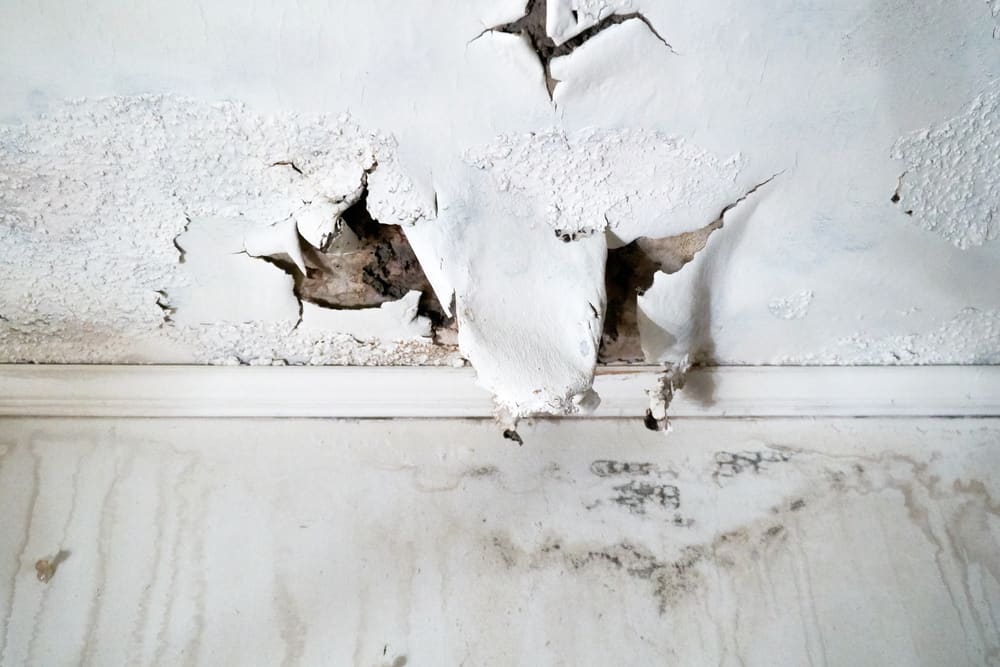
The first step is getting there fast and assessing what you’re actually dealing with. That means a free on-site inspection with professional moisture meters and, where needed, thermal imaging — not a visual scan and a handshake. In a Northport home built in the 1920s or earlier, what’s visible on the surface rarely tells the full story. Moisture maps the damage before you see the damage, and that assessment drives everything that follows.
Once the scope is confirmed, we begin water extraction immediately using industrial-grade equipment that pulls water from places consumer tools simply can’t reach. After extraction, the drying phase uses commercial air movers and dehumidifiers calibrated to the specific conditions in your home. In older homes with plaster walls — common throughout Northport village — we adjust drying protocols to protect the structural integrity of those materials rather than treating them the same way you’d treat modern drywall.
Before any walls are opened or materials disturbed, we account for the pre-1978 construction protocols required under New York State law. Most homes in Northport predate 1978, which means asbestos and lead assessment is part of the process, not an afterthought. Throughout the job, we document damage in a format that supports your insurance claim directly — whether that’s a standard homeowners policy, a flood insurance policy, or both.

Ready to get started?
Water damage restoration in Northport isn’t a one-size process. The village’s housing stock — Victorian-era homes, Colonial Revivals from the 1920s and ’30s, converted summer cottages near the harbor — presents challenges that newer construction simply doesn’t. We handle the complete scope: emergency water removal, structural drying, basement water extraction, mold prevention, and full reconstruction when it’s needed. One company, one call, no coordinating between a mitigation crew and a separate rebuild contractor.
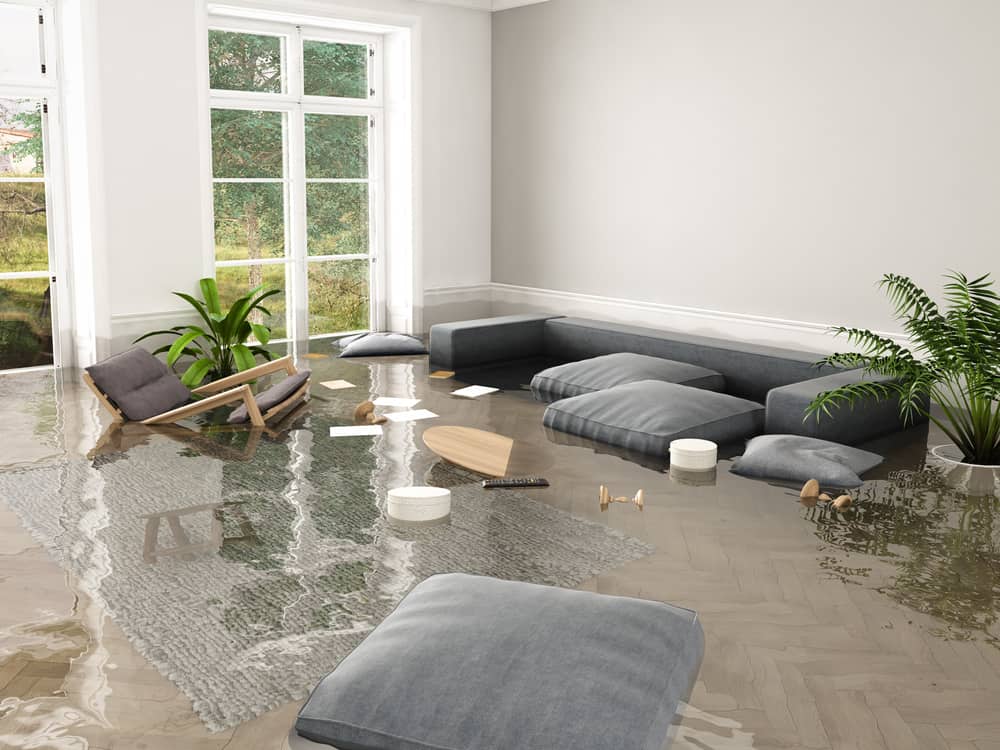
For homeowners near the waterfront along Northport Bay, storm damage restoration after a nor’easter often involves more than a flooded basement. It can mean surge-related contamination, compromised crawlspaces, and the kind of saturation that reaches structural framing if it’s not addressed within the first 24 to 48 hours. The EPA is clear on this: that’s the window before mold becomes a serious risk. Our 24/7 emergency availability exists because that window doesn’t wait for business hours.
We also handle burst pipe water damage — one of the most common issues in Northport’s aging homes, where original cast iron or galvanized pipes can fail without warning, especially during a hard freeze. Whether the source is a storm off Long Island Sound, a pipe that gave out overnight, or an appliance failure, the process is the same: assess completely, extract thoroughly, dry to standard, document for insurance, and rebuild correctly.

In most cases, yes — standard homeowners insurance covers sudden, accidental water damage from internal sources like a burst pipe, a failed water heater, or an appliance overflow. The key word is sudden. If the pipe failed because of a freeze or an unexpected failure, that’s typically a covered event. If an adjuster can point to evidence of a slow, ongoing leak that went unaddressed, that’s where claims get denied.
For Northport homeowners, this distinction matters because the village’s older homes — many with original galvanized or cast iron plumbing well past its service life — are more prone to the kind of gradual deterioration that insurers scrutinize. Getting a professional assessment immediately after a loss, with proper documentation of the failure point and the resulting damage, puts you in a much stronger position than waiting to see how bad it gets. We document damage from the first hour in a format that supports your claim directly.
This is one of the most common sources of confusion for homeowners near Northport Bay, and it has real financial consequences. Standard homeowners insurance covers water damage that originates inside your home — a pipe, an appliance, a roof leak. It does not cover flooding, which is defined as water that enters from outside, including storm surge, tidal overflow, or groundwater. For that, you need a separate flood insurance policy — either through the National Flood Insurance Program (NFIP) or a private carrier.
Many Northport homeowners in FEMA-designated flood zones near the harbor are required to carry flood insurance as a mortgage condition. If you have both policies, the coverage boundary between them — and how the damage from a single storm event gets allocated — can be genuinely complex. We have experience navigating both types of claims and document damage in a way that makes it clear which policy applies to which portion of the loss. That kind of documentation can be the difference between a full payout and a gap that comes out of your pocket.
The EPA’s guidance is 24 to 48 hours. That’s the window between water intrusion and the point where mold spores — which are always present in the air — begin to germinate on wet surfaces. In a home with plaster walls, original wood framing, and the kind of dense, layered construction you find throughout Northport village, moisture can stay trapped in structural cavities long after the surface appears dry. That’s where mold takes hold weeks later, well after a homeowner has assumed the problem was handled.
This is exactly why a surface-level cleanup with consumer-grade fans isn’t sufficient in a home like this. Industrial dehumidifiers, professional moisture meters, and thermal imaging find the moisture that’s hiding inside walls and under floors — the moisture that becomes a mold problem in month three if it’s left behind. Calling quickly matters. Every hour of delay after a flood or pipe failure narrows the window for a clean, complete restoration and increases the likelihood of a secondary remediation job down the road.
For a moderate water damage event — say, a burst pipe that affects one or two rooms — the drying phase alone typically takes three to five days using professional equipment. Full restoration, including any necessary repairs, usually runs two to three weeks from start to finish. More extensive events, like a basement flood that reaches structural framing or triggers mold growth, can take longer depending on the scope of the damage and what’s uncovered once walls are opened.
In Northport specifically, the timeline can be affected by a few factors that don’t apply to newer construction. Pre-1978 homes require asbestos and lead assessment before any demolition or invasive repair work begins — that’s a legal requirement under New York State law, not something that can be skipped to save time. Victorian-era plaster walls also dry more slowly and require adjusted protocols compared to modern drywall. If the damage involves harbor-adjacent flooding with potential contamination, the remediation scope expands accordingly. We’ll give you a realistic timeline after the initial assessment, not an optimistic estimate designed to get the job.
The first thing is safety — don’t enter a flooded basement if there’s any possibility that electrical systems have been compromised. Water and live circuits are a serious hazard, and older homes throughout Northport may have electrical panels or wiring that’s been updated in pieces over the decades rather than fully modernized. If you’re unsure, stay out and call your utility provider first.
Once it’s safe to enter, stop the water source if it’s internal — shut off the main water supply if a pipe has failed. Then call a restoration company before you call your insurance company. Getting a professional on-site quickly means the damage is documented properly from the start, which strengthens your claim. Don’t try to dry it yourself with household fans — they move surface air but don’t pull moisture from inside walls or under flooring, which is where the real damage accumulates in an older Northport home. The faster a certified team gets in with the right equipment, the better your outcome — both for the home and for the claim.
Yes. We work directly with your insurance company, handling the documentation, adjuster communication, and billing coordination so you’re not stuck in the middle trying to translate between a restoration contractor and an insurance adjuster who speak completely different languages.
For Northport homeowners, this is particularly valuable because the claims process here can be more layered than in other communities. If you’re near the harbor and carry both a homeowners policy and a flood insurance policy, the question of which policy covers which portion of the damage from a single storm event is not always straightforward. Our team has navigated this before — we know how to document a loss in a way that clearly supports both claims and reduces the likelihood of a denial or a coverage gap. The goal is to make sure your claim reflects the actual scope of the damage, documented to the standard that insurers expect from IICRC-certified restoration work.
Useful Links
Other Services we provide in Northport