
Hear from Our Customers

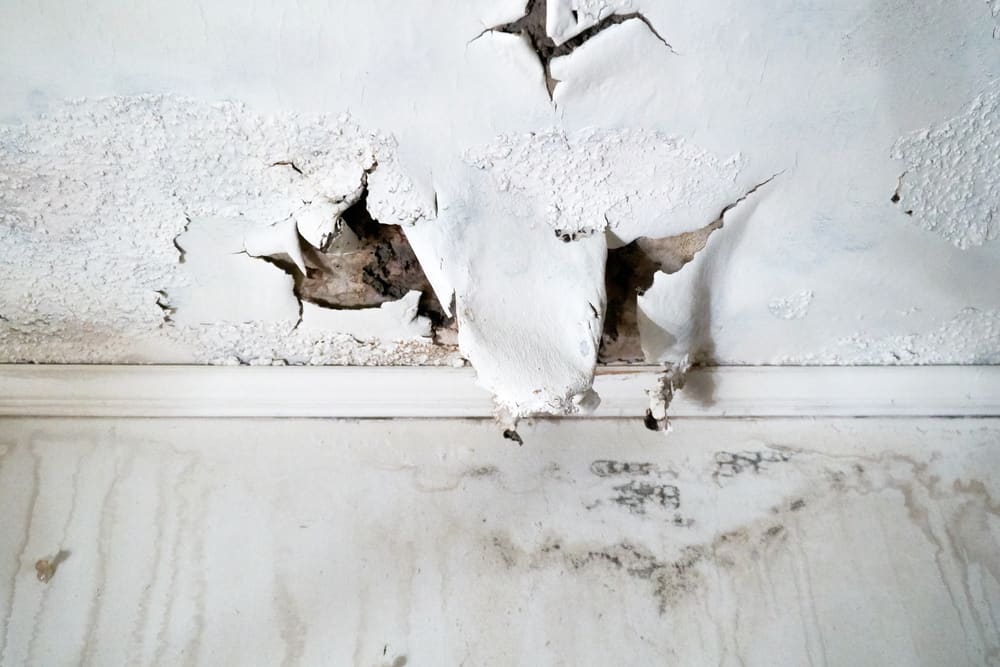
Water damage in Orient doesn’t look like water damage in a Nassau County suburb. The housing stock is older, the access is limited to a single two-lane road, and a significant share of homes sit empty for months at a time. When something goes wrong — a pipe that bursts in January, a nor’easter that drives water through a compromised roof, a sump pump that quits during a spring storm — the damage has often been building for days or weeks before anyone knows.
Getting it right means finding all of it, not just what’s visible on the surface. After a proper restoration, you’re not left wondering whether there’s moisture hiding inside the walls of your 19th-century farmhouse or behind the original plaster in your Village Lane colonial. The structure is dry. The mold risk is addressed. The documentation is in order for your insurance claim.
If you’re managing this from a distance — which many Orient homeowners are — you have a clear picture of exactly what was done and why. That’s the outcome that matters. Not a surface cleanup that looks fine in March and turns into a mold problem by June.
We’ve been serving Long Island homeowners for nearly three decades. That’s not a talking point — it’s the difference between a company that knows what a fieldstone foundation looks like when it’s been wicking moisture for a week and one that’s working off a generic checklist. Suffolk County is part of that history, including the older, more remote communities on the North Fork that national franchises tend to deprioritize.
Our team is IICRC-certified, licensed, bonded, and insured. That matters in Orient specifically because work in the Town of Southold — including properties near Orient Harbor or in the flood-mapped zones along the Sound — often involves Floodplain Development Permits and Building Department coordination that an inexperienced company won’t know how to navigate. We handle that as part of the job, not as an afterthought.
Orient homeowners also get direct insurance coordination. We work with your insurance company so you’re not caught in the middle, especially when you’re managing a restoration project from two hours away.
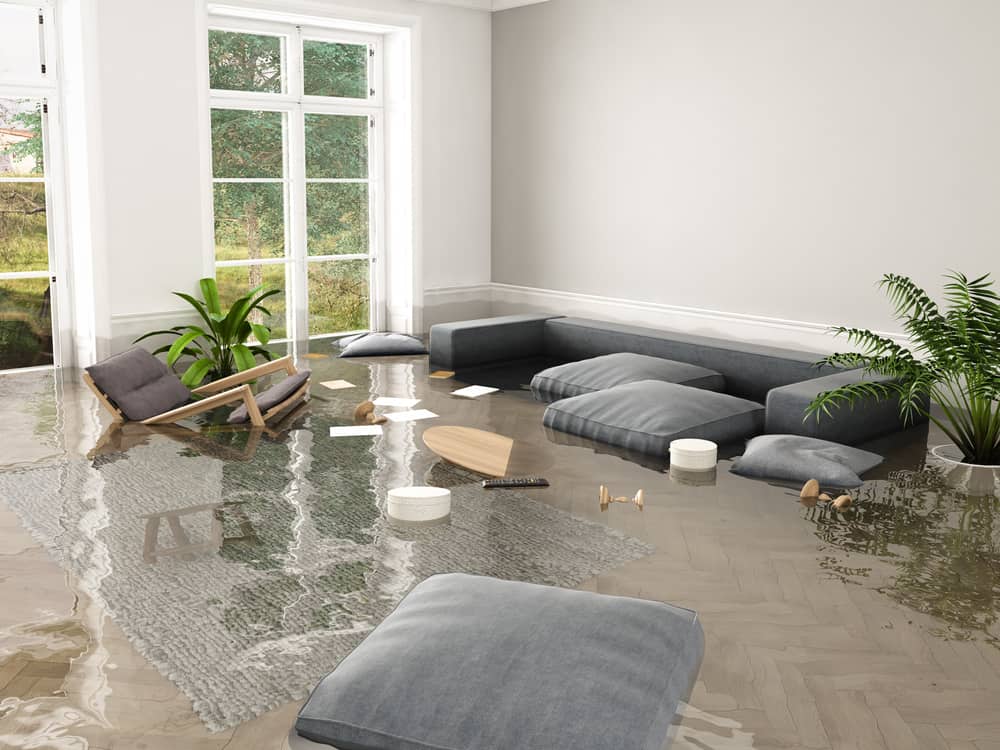
The process starts the moment you call. Whether you’ve just walked into your Orient home after a winter away and found standing water in the basement, or you’re getting a call from a neighbor about something they noticed at your property, we move quickly. Our team comes out, assesses the full scope of the damage — not just what’s visible, but what the moisture meters and thermal imaging are showing inside the walls, under the subfloor, and in the structural cavities that older homes tend to hide — and gives you a clear picture before any work begins.
From there, water extraction and structural drying begin in sequence. Industrial-grade dehumidifiers and air movers do what consumer fans simply can’t — they pull moisture out of places you’d never think to check. For homes in Orient’s Historic District or those with original plaster construction, the drying approach is calibrated to the materials, not applied uniformly as if every wall is modern drywall.
The EPA’s guidance is clear that water-damaged areas need to be dried within 24 to 48 hours to prevent mold from establishing itself, and that window doesn’t change because a house is old or beautiful. If the job requires permits through the Southold Town Building Department — which it often does for structural work in flood-zone properties along the Sound or the Bay — we handle that coordination.
Once the structure is confirmed dry and treated, any necessary reconstruction work follows. Throughout the entire process, everything is documented for your insurance claim.

Ready to get started?
The water damage scenarios that show up in Orient aren’t the same ones you’d find in a newer suburban development. Burst pipe water damage in a home with aging cast-iron or galvanized plumbing — the kind common in Orient’s pre-war and pre-modern housing stock — behaves differently than a PEX pipe failure in a 1990s ranch. Flooded basement cleanup in a home with a fieldstone foundation requires a different assessment approach than poured concrete.
Storm damage restoration after a nor’easter hits the Long Island Sound-facing shore involves not just interior water intrusion but potential structural exposure that needs to be evaluated before drying even begins. We handle the full scope: water removal and basement water extraction, structural drying, dehumidification, mold prevention and remediation, and reconstruction through to completion.
For Orient’s seasonal homeowners — those who open the house in April or May and find that something went wrong in February — that full-service capability matters enormously. Coordinating multiple contractors from a distance, across a single road that runs 30 miles back to the nearest major town, isn’t realistic. One call, one company, one clear process.
Our service also includes direct insurance billing and documentation. Whether you’re dealing with a standard homeowners policy for a burst pipe or navigating a separate flood insurance claim for storm surge damage near Orient Harbor, we manage the paperwork and work directly with the adjuster on your behalf.

It depends on what caused the damage and when it’s discovered. Standard homeowners insurance typically covers sudden, accidental water damage — a pipe that bursts, a water heater that fails, a washing machine that overflows. What it doesn’t cover is flooding from external sources like storm surge or overland water, and it generally won’t cover damage that resulted from a lack of maintenance or a slow, gradual leak that went unaddressed.
For Orient homeowners with seasonal properties, the timing of discovery creates a real complication. If a pipe burst in December and you don’t find it until April, the insurer may question whether the damage was truly sudden or whether it resulted from the home being left inadequately heated. Documenting the cause clearly — with professional assessment, moisture mapping, and a detailed damage report — is what makes the difference between a claim that gets paid and one that gets disputed. We handle that documentation as part of the restoration process, which is particularly important when you’re managing a claim on a property you don’t occupy year-round.
The EPA states that mold can begin developing within 24 to 48 hours of moisture exposure under the right conditions. Visible growth typically appears within 48 to 72 hours, but microscopic growth starts earlier than that. In Orient, where summer humidity along the North Fork consistently exceeds 70 percent relative humidity from June through August, that timeline can compress even further during the warmer months.
For seasonal homes in Orient, the risk is compounded by the fact that no one is there to catch moisture early. A pipe that fails in a vacant home in January can feed mold growth inside walls and under subfloors for weeks or months before a homeowner returns in spring. By that point, what might have been a manageable extraction and drying job has become a full mold remediation project affecting structural materials. The cost difference is significant — and entirely avoidable with a prompt, thorough response the moment damage is discovered. That’s why the first call matters as much as it does.
The first thing to do is call a restoration company before you do anything else — including calling your insurance company. Getting a professional assessment done first means the damage is documented in its original state, which strengthens your insurance claim. If you call the insurer first and they send an adjuster before any professional assessment, you may be working from an incomplete picture of the actual scope.
Once you’ve made that call, avoid running fans or trying to dry things out with consumer-grade equipment. Household fans circulate air but don’t extract moisture from inside walls, under flooring, or in structural cavities — and in some cases, they can spread mold spores that are already present. If there’s standing water, don’t enter areas where electrical panels or outlets may have been exposed. Document what you can see with photos before anything is moved or touched.
In Orient specifically, where many homes have older construction and the nearest major restoration company base is a significant drive away, getting the call in early gives our team time to mobilize and reach you before the damage window widens further.
Historic homes — and Orient has a higher concentration of them than almost any other community on Long Island — respond to water intrusion differently than modern construction. Fieldstone foundations, which are common in the older structures along Village Lane and throughout the Orient Historic District, are inherently porous. They don’t have the waterproofing membranes that modern foundations use, which means groundwater and moisture can wick through the stone itself rather than pooling visibly.
Original plaster walls absorb and release moisture differently than modern drywall. They can hold moisture for longer and may not show visible damage on the surface even when the wall cavity behind them is saturated. Drying protocols have to account for these material differences — you can’t apply the same approach to a pre-Civil War farmhouse that you’d use in a 1990s colonial. Our IICRC-certified technicians understand that the assessment and drying process needs to be calibrated to what’s actually in the walls, not applied uniformly regardless of construction type.
For properties within the Orient Historic District, any exterior restoration work may also involve coordination with the Southold Town Historic Preservation review process, which adds a layer of planning that an inexperienced contractor won’t anticipate.
For a straightforward flooded basement — one room, a single source like a burst pipe or a sump pump failure, no secondary mold growth — the drying phase typically takes three to five days with professional equipment. Water extraction itself usually takes one to three days depending on the volume of water and the nature of the materials involved. From start to finish, including any necessary repairs, a moderate basement flooding job generally runs about two to three weeks.
In Orient, a few local factors can affect that timeline. Homes with fieldstone foundations or crawl spaces tend to hold moisture longer than poured concrete basements, which can extend the drying phase. If the damage went undetected in a seasonal home — a common scenario here — and mold has already established itself in the walls or subfloor, the remediation scope expands significantly and the timeline with it.
Restoration work that involves structural elements in flood-mapped zones along Orient Harbor or the Long Island Sound-facing shore may also require a Floodplain Development Permit from the Southold Town Building Department, which adds coordination time to the project. We factor all of this into the initial assessment so you have a realistic timeline from the start, not a number that changes every week.
Yes, and for many Orient homeowners, this is one of the most important parts of our service. Managing a water damage claim is genuinely complicated — especially when the property is a seasonal home you’re not living in full-time, or when the damage involves both a standard homeowners policy and a separate flood insurance policy through the National Flood Insurance Program. Understanding which policy covers which type of damage, what documentation the adjuster needs, and how to present the claim in a way that reflects the actual scope of the work is not something most homeowners want to navigate alone.
We work directly with your insurance company from the initial assessment through final billing. That means the damage is documented professionally from the start, the scope of work is presented clearly, and you’re not left as the go-between for your insurer and your contractor. For Orient homeowners coordinating a restoration project from Manhattan, Nassau County, or anywhere else that isn’t the end of the North Fork, that direct handling is what makes the difference between a process that resolves cleanly and one that drags on for months. The goal is to get your home restored and your claim settled — without you having to manage every step from a distance.
Useful Links
Other Services we provide in Orient