
Hear from Our Customers

Water damage in Sayville isn’t just inconvenient — it’s expensive, fast-moving, and complicated by factors that are specific to this community. The homes here are older. The water table is high. Great South Bay sits just to the south, and when a nor’easter pushes bay water northward into the lower-elevation streets near River Road, what enters your home isn’t clean water. It carries biological contamination that requires a different level of response than a burst pipe in a newer build.
When the job is done right, you’re not just looking at dry floors. You’re looking at moisture-mapped walls, properly documented damage for your insurance claim, and the confidence that nothing is hiding behind your plaster that will turn into a mold problem three months from now. For a home in Sayville with a median sale price approaching $723,000, that outcome matters — financially and practically.
The EPA is clear that water-damaged areas need to be dried within 24 to 48 hours to prevent mold growth. In Sayville’s coastal summer climate, that window can feel even shorter. Getting a certified team on-site fast isn’t about urgency for its own sake — it’s about protecting what you’ve invested in this home.
We’ve been serving Long Island homeowners since the mid-1990s. That means we’ve worked through multiple storm cycles on the South Shore, including the kind of coastal flooding that Sandy brought to communities throughout the Town of Islip. We’ve seen what happens to original plaster walls in Sayville homes when water sits too long. We know how hardwood floors in these Victorian-era properties respond differently to moisture than engineered flooring in newer construction.
We’re based in West Babylon, about 15 to 20 minutes from Sayville via Sunrise Highway. Our Suffolk County team — reachable directly at 631-587-5300 — handles the full scope of water damage restoration, from initial extraction through structural drying, mold prevention, and reconstruction. Our technicians are IICRC-certified, and we are licensed, bonded, and insured, including compliance with New York State’s Mold Law requirements for remediation work.
We also work directly with your insurance company. We handle the documentation, the adjuster communication, and the billing — so you’re not left fighting that battle on top of everything else.
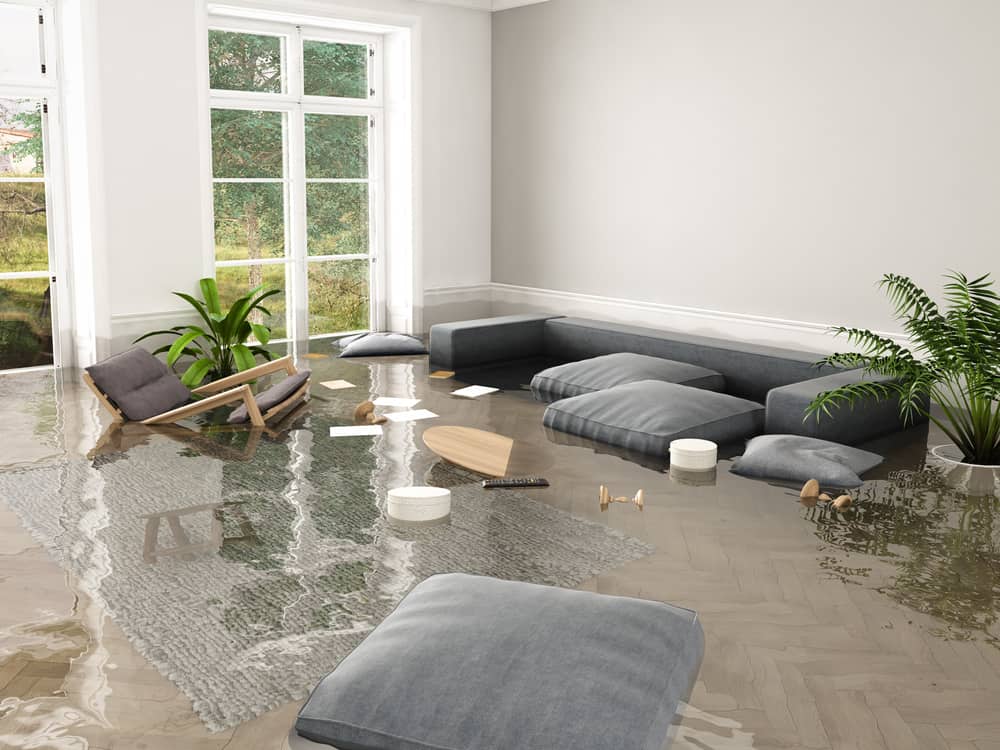
When you call, a team member walks you through what to do immediately — shut off the water source if it’s a burst pipe, avoid contact with standing water if it came in from outside, and don’t run fans on their own if the water may be contaminated. Bay water that enters through Sayville’s southern streets during a coastal storm is not the same as a clean pipe leak, and treating it the same way can spread contamination rather than contain it.
Once we’re on-site, the first step is assessment. We use moisture meters and thermal imaging to find water that has traveled beyond the visible damage — inside plaster walls, under original hardwood floors, behind baseboards. In Sayville’s older homes, moisture moves through materials that don’t behave like modern drywall, so this step takes the time it needs. We document everything thoroughly at this stage, which matters directly for your insurance claim.
From there, extraction and structural drying begin. Industrial-grade equipment — not consumer fans — pulls moisture out of the spaces you can’t reach. The drying phase typically runs three to five days depending on the extent of the damage. For work involving mold remediation, New York State’s Mold Law requires a licensed contractor, and we meet that requirement. Once the structure is confirmed dry and clear, reconstruction begins — and we handle that too, so you’re dealing with one company from start to finish.
Ready to get started?
Sayville sits in a geography that creates more than one type of water damage risk. To the south, Great South Bay and the Brown Creek drainage corridor create coastal and tidal flooding exposure — especially in the lower-elevation blocks near the ferry terminal on River Road, which has been documented flooding during winter storm high tides. To the north, the high water table that runs beneath Long Island’s South Shore pushes groundwater into basement foundations after prolonged rainfall, independent of any surface flooding event. Throughout the hamlet, homes built between 1880 and 1930 carry aging plumbing systems — cast iron, galvanized steel, early copper — that are increasingly prone to pinhole leaks, corrosion, and freeze-burst events during winter cold snaps.
We handle all of it. Water extraction and basement water extraction for flooded lower levels. Structural drying for moisture that has traveled into walls and framing. Burst pipe water damage response for the freeze-thaw failures that hit older Sayville homes in winter. Storm damage restoration after nor’easters and coastal flooding events. And mold remediation when water has had time to sit — performed by a licensed team in compliance with New York State requirements.
For homes in FEMA-designated flood zones within the Town of Islip, we understand the documentation requirements that come with substantial damage determinations. If your claim involves both water damage and flood damage — a distinction that directly affects what your insurance covers — we help document the source and nature of the intrusion accurately from the start, which is where many claims run into trouble.

This is one of the most important questions Sayville homeowners need to understand before a storm hits, not after. Standard homeowners insurance covers sudden, accidental water damage from internal sources — a burst pipe, a failed water heater, an appliance overflow. It does not cover flooding, which is defined as water entering your home from outside the structure. When Great South Bay pushes northward into Sayville’s southern residential streets during a nor’easter or coastal storm, that is flooding — and it is not covered by a standard homeowners policy.
If your home is in a FEMA-designated Special Flood Hazard Area within the Town of Islip, you may have a separate National Flood Insurance Program policy that covers this type of event. If you don’t have that coverage, the out-of-pocket exposure can be significant. What we can do is help you document the source and nature of the water intrusion accurately from the start — because misclassifying the event is one of the most common reasons water damage claims get denied or underpaid. Getting the documentation right on day one matters more than most people realize.
The EPA’s guidance is 24 to 48 hours — that’s the window in which mold can begin developing in water-damaged areas if they aren’t dried properly. In practice, mold spores can begin germinating within the first 24 hours under the right conditions, with visible growth typically appearing between 48 and 72 hours. In Sayville’s coastal climate during the summer months, humidity levels accelerate this timeline. A basement that floods on a warm July evening and isn’t addressed until the following afternoon is already in a vulnerable window.
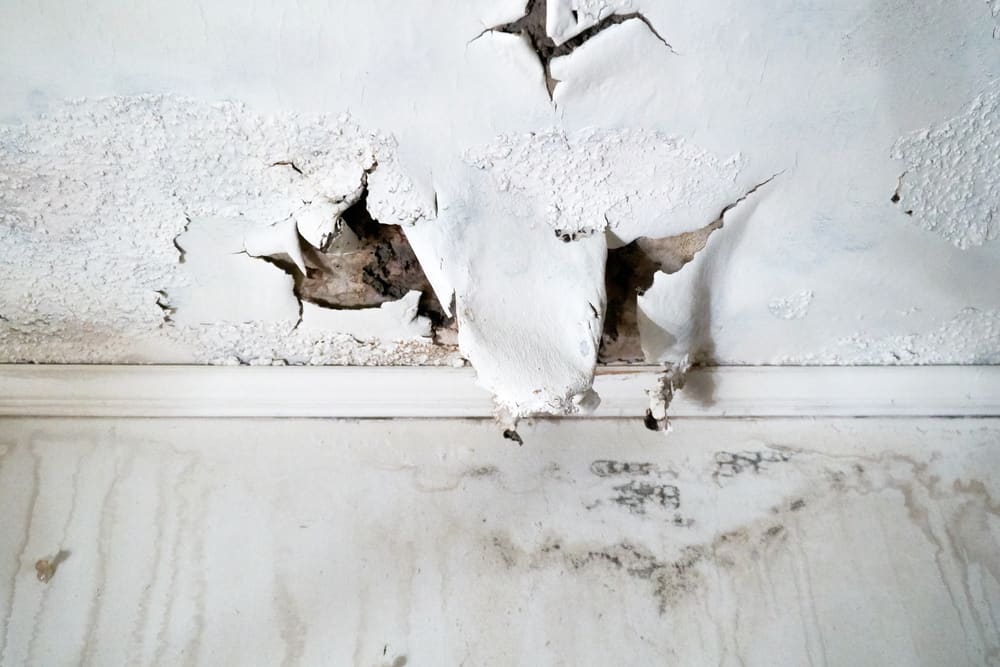
The bigger concern with Sayville’s older homes is what happens inside the walls. Original plaster absorbs and holds moisture in ways that are invisible on the surface — a wall that feels dry to the touch can be harboring moisture deep in the substrate. Consumer-grade fans don’t reach that moisture. Professional drying equipment and moisture meters do. If you’ve had a flooding event and you’re not sure whether the drying was thorough, a professional assessment is worth the call before you find out the hard way six weeks later.
The IICRC S500 standard — the industry protocol governing water damage restoration — classifies water damage into three categories based on contamination level, and the category affects both the remediation process and your insurance documentation. Category 1 is clean water from a source like a burst supply pipe or an appliance overflow. Category 2, called gray water, comes from sources like washing machine discharge or toilet overflow — it carries some contamination. Category 3, black water, is the most serious: sewage backup, groundwater intrusion, or floodwater from outside the structure.
For Sayville homeowners in the southern parts of the hamlet, this distinction is directly relevant. When Great South Bay water enters your home during a coastal storm, it classifies as Category 3 — it carries biological contamination that requires specific containment, protective protocols, and antimicrobial treatment. Treating Category 3 water like a Category 1 clean-water event — running fans, mopping up, moving on — leaves contamination behind. IICRC-certified technicians assess the category first, then apply the correct protocol. That’s not a procedural detail; it’s the difference between a resolved problem and one that comes back.
The honest answer depends on the scope, but here’s a realistic framework. Water extraction typically takes one to three days. The structural drying phase — pulling moisture out of walls, floors, and framing — generally runs three to five days. For a moderate flooding event in one or two rooms, you’re looking at roughly two weeks from start to finish when you include assessment, drying, and initial repairs. More extensive damage, particularly anything involving mold remediation or structural repairs, can extend that timeline significantly.
For Sayville’s Victorian and early 20th-century homes, the drying phase often takes longer than it would in a newer build. Original plaster holds moisture differently than modern drywall, and the drying process has to be confirmed complete with moisture meters before reconstruction begins — not estimated by feel. Cutting that phase short is the most common reason water damage leads to a mold problem weeks later. We won’t close out the drying phase until the readings confirm it’s done, even if that means an extra day or two. The goal is a fully resolved problem, not a fast invoice.
In most cases, yes — but it depends on the type and extent of the damage. For a contained event like a burst pipe in one bathroom or a flooded corner of the basement, staying in the home during the drying phase is generally manageable. The equipment runs continuously and creates some noise, but most families work around it without significant disruption.
Where it becomes more complicated is when the damage involves Category 3 water — sewage backup, groundwater, or bay water intrusion — or when mold remediation is required. In those situations, containment barriers are set up to isolate the affected area, and depending on the location and extent of the work, temporary relocation may be the safer and more practical choice. We’ll give you a straight answer about this during the assessment, not after the work has started. Sayville families with kids in the Sayville Union Free School District especially appreciate knowing the realistic disruption timeline upfront so they can plan accordingly — and that’s exactly the kind of thing we cover before we begin.
We work directly with your insurance company — that’s not a vague promise, it’s a practical part of how we operate on every job. From the moment we’re on-site, we’re documenting the damage in the format that adjusters need: moisture readings, photographs, written scope of work, and a clear record of what was affected and how. That documentation is what supports your claim, and it’s what gets disputed when it’s missing or incomplete.
For Sayville homeowners, the insurance process has a few layers worth understanding. The distinction between water damage and flood damage — which determines which policy responds — has to be documented accurately from the start. For homes in FEMA flood zones within the Town of Islip, there may be both a homeowners claim and an NFIP flood claim involved, and the coordination between the two requires someone who knows how to handle both. We’ve been navigating Long Island insurance claims for nearly 30 years, and we know what adjusters look for and where claims run into trouble. Our job is to make sure your documentation is airtight so the claim process goes as smoothly as possible.
Useful Links
Other Services we provide in Sayville