
Water Damage Restoration in Shelter Island, NY
When Every Hour Counts on an Island
Hear from Our Customers

Flood Restoration Shelter Island, NY
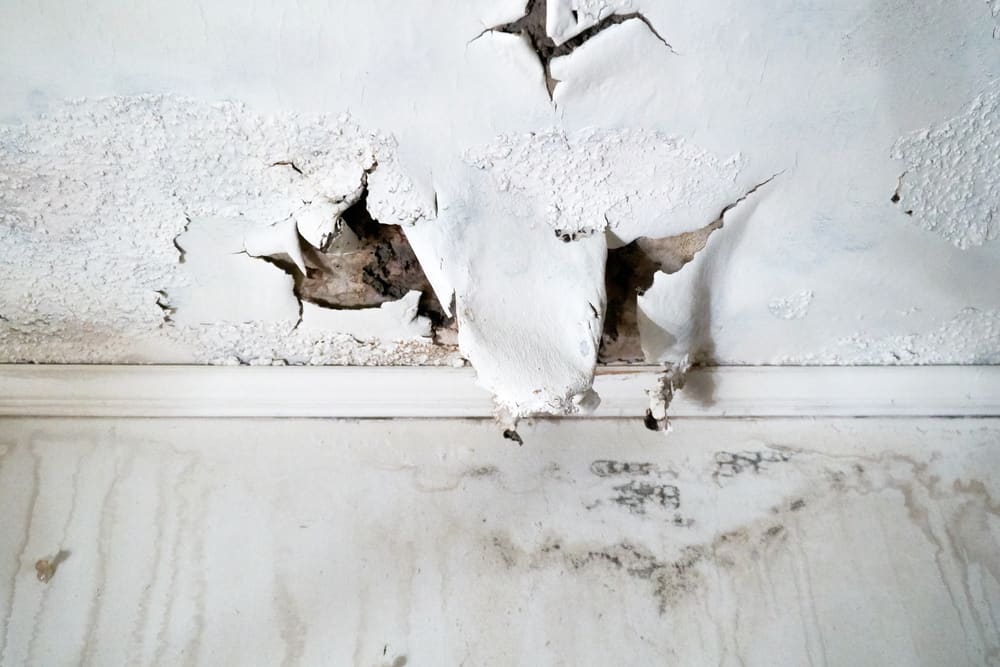
Water damage on Shelter Island isn’t just a wet floor. It’s a structural problem that moves fast through subfloors, behind walls, into framing and on an island where over half the homes sit vacant for months at a time, it often has a significant head start before anyone discovers it.
The outcome you need isn’t just “dry.” It’s a home that’s been properly assessed, fully extracted, structurally dried, and documented for your insurance company so you’re not dealing with a mold problem six months from now because someone cut corners on the drying phase.
For second-home owners managing this from New York City, that outcome also means having a restoration team that communicates clearly, handles insurance coordination directly, and doesn’t require you to be standing in the house to get the job done right.
Shelter Island’s aging housing stock much of it built in the 1970s, with Shelter Island Heights containing structures from the 1870s responds differently to water intrusion than newer mainland construction. Getting those older materials properly dried and treated isn’t a generic process. It takes experience with exactly this kind of building.
The result, when it’s done right, is a home that’s back to where it was structurally sound, mold-free, and with a clean insurance record to show for it.
Residential Water Damage Repair Shelter Island, NY
First Response Restoration & Cleaning has been serving Long Island homeowners for close to three decades. That’s not a marketing number it’s the actual length of time we’ve been responding to water emergencies across Nassau and Suffolk County, including the East End communities like Shelter Island that take real planning to reach.
Getting equipment to Shelter Island means knowing the ferry schedule, loading correctly for the North or South Ferry crossing, and accounting for the fact that service can be disrupted during and right after the storms that cause the most damage. That’s not something you figure out on the fly. It’s operational knowledge that comes from years of serving coastal and island-access properties throughout Suffolk County.
We’re IICRC-certified, licensed, bonded, and insured. We work directly with your insurance company, handle the documentation, and manage claim coordination so you’re not caught between your insurer and your contractor while your Shelter Island home is sitting wet.
24/7 Water Damage Restoration Shelter Island, NY
It starts with a call. Whether you’re on the island or you’ve gotten word from a neighbor or property manager, you reach out and our response begins immediately. We assess the situation remotely if needed, coordinate equipment for the ferry crossing, and get to the property as quickly as the crossing allows.
Time matters here. The EPA is clear that water-damaged areas need to be dried within 24 to 48 hours to prevent mold growth, and that window doesn’t pause for logistics.
On arrival, our first priority is stopping the source if it’s still active a burst pipe, a failed sump pump, storm surge entry points. Then comes extraction. Industrial-grade equipment pulls standing water from floors, carpets, and crawl spaces far more effectively than anything consumer-grade, and it reaches places a shop vac never will.
Moisture meters and thermal imaging identify what’s wet behind walls and under floors the hidden moisture that causes mold problems people discover months later.
From there, the structural drying phase begins: air movers, dehumidifiers, and antimicrobial treatment working together over several days. Every step is documented readings, photos, drying logs because that documentation supports your insurance claim.
If reconstruction is needed once the structure is dry, we handle that too. One company, start to finish, without requiring you to coordinate multiple contractors across a ferry crossing.
For properties in Shelter Island’s FEMA flood hazard areas, we understand the Substantial Damage rules that apply when restoration costs approach 50% of the structure’s market value and can help you navigate what that means for permitting and compliance before work begins.

Ready to get started?
Burst Pipe Water Damage Shelter Island, NY
Our full scope of water damage restoration covers more than most people expect. It’s not just extracting standing water it’s the complete sequence from emergency response through final rebuild. That includes water removal and basement water extraction, structural drying with industrial dehumidifiers and air movers, moisture mapping to find what’s hidden, mold prevention treatment, and full reconstruction once the structure is confirmed dry.
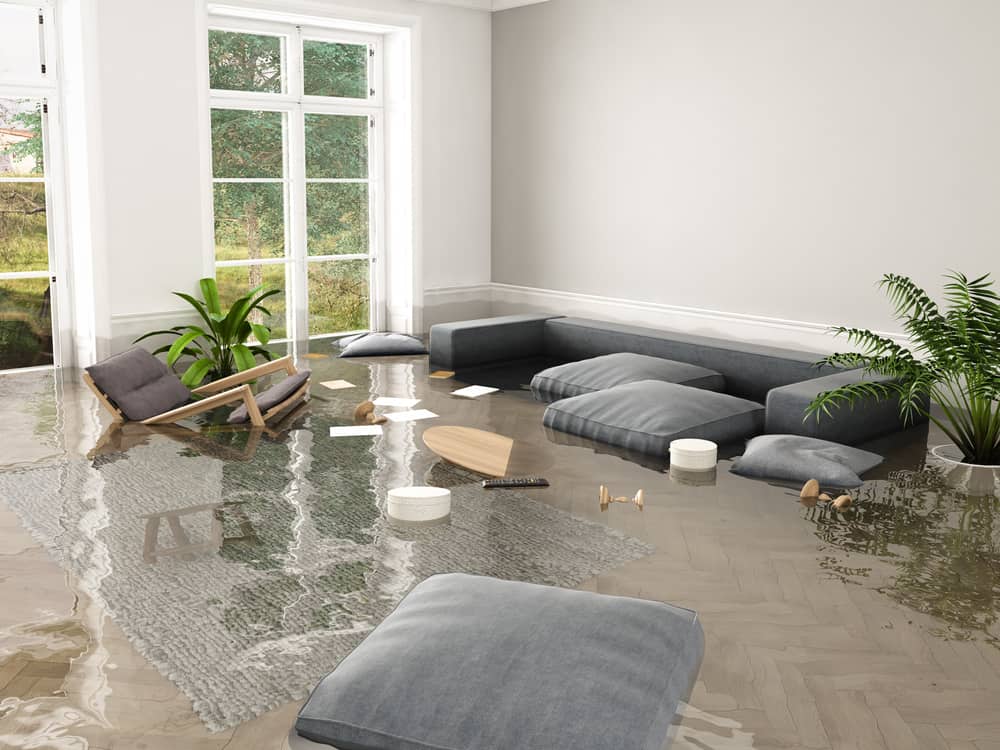
Shelter Island’s specific conditions shape how that scope plays out in practice. The island has no municipal sewer service every property runs on a private septic system. When storm surge saturates drain fields or heavy rain raises the water table, what backs up into your home is Category 3 contaminated water. That’s not a standard cleanup situation. It requires full containment, antimicrobial treatment, and documented disposal under IICRC Category 3 protocol.
For homes in Shelter Island Heights particularly the older Victorian-era structures in the Historic District restoration work involves materials and construction methods that don’t respond the same way as modern drywall and engineered lumber. Horsehair plaster, old-growth timber framing, and original hardwood floors require careful handling and appropriate drying timelines.
We coordinate directly with the Town of Shelter Island Building Department at 38 North Ferry Road when permits are required for reconstruction work, and we’re aware of Dering Harbor’s separate building permit structure for properties within the incorporated village.

Does homeowners insurance cover water damage on Shelter Island, NY?
It depends on the source of the water and this distinction matters a lot for Shelter Island properties. Standard homeowners insurance typically covers sudden, accidental water damage from internal sources: a burst pipe, a failed water heater, an appliance overflow. What it does not cover is flooding meaning water that enters your home from outside, including storm surge from Peconic Bay.
For that, you’d need a separate flood insurance policy, typically through the National Flood Insurance Program.
This distinction is particularly relevant on Shelter Island because the island is surrounded on all sides by Peconic Bay waters, and storm surge events affect shoreline properties regardless of storm approach direction. If your home is in a FEMA-designated flood hazard zone, your mortgage lender may already require flood coverage but even if it doesn’t, the exposure is real.
For properties damaged by a burst pipe or internal water source, we work directly with your insurance company, handle the documentation, and bill the insurer directly so you’re not managing that process from your apartment in the city while your Shelter Island home is sitting wet.
How fast does mold grow after water damage, and why does timing matter so much?
The EPA is clear on this: water-damaged areas need to be dried within 24 to 48 hours to prevent mold growth. Mold spores are always present in the air they don’t need to be introduced. They just need moisture and a surface to land on. Within 24 hours of a water event, germination can begin. Visible growth typically appears within 48 to 72 hours, but the microscopic colonization starts earlier.
For Shelter Island homeowners, this timeline is especially consequential because of the island’s seasonal vacancy patterns. When more than half of all homes sit unoccupied during the off-season, a pipe that bursts in January may not be discovered until May. By then, the 24-to-48-hour window is long gone, and what started as a burst pipe has become a mold remediation project that touches walls, ceilings, subfloors, and HVAC systems.
The cost and scope of that job are categorically different from a water damage event caught within hours. If you have a Shelter Island property that sits vacant during the winter months, smart home water monitoring systems and a trusted local contact who can alert you quickly are worth serious consideration.
What is Category 3 water damage, and does it apply to my Shelter Island home?
Water damage is classified into three categories based on contamination level. Category 1 is clean water a burst supply pipe, a clean appliance overflow. Category 2 (gray water) involves some contamination a washing machine drain, a toilet overflow without solid waste. Category 3 is black water, meaning it’s highly contaminated and carries pathogens, bacteria, and hazardous microorganisms. This includes sewage backup, groundwater, and storm surge.
On Shelter Island, Category 3 situations are more common than on many mainland Long Island communities, for two specific reasons. First, the island has no municipal sewer every property relies on a private septic system, and when the water table rises during heavy rain or storm surge saturates drain fields, septic-related backups can push contaminated water into homes through floor drains and toilets. Second, storm surge from Peconic Bay is Category 3 by definition.
Cleaning up Category 3 water without proper protocol full containment, antimicrobial treatment, documented disposal creates serious health risks and can void your insurance coverage. This is not a situation where a mop and some bleach gets the job done.
How long does water damage restoration take for a Shelter Island property?
The honest answer is that it varies significantly based on how quickly the damage was caught, how extensive the saturation is, and whether mold remediation is also needed. For a water event caught quickly in an occupied home a burst pipe, a sump pump failure that’s discovered within hours the extraction and structural drying phase typically runs three to five days, with reconstruction following once the structure is confirmed dry. A full project from initial response to completed rebuild often takes around two to three weeks for moderate damage.
For Shelter Island properties where the damage went undetected during an extended vacancy which is a realistic scenario given that over half the island’s homes sit empty for months at a time the timeline extends considerably. When moisture has been sitting in walls and subfloors for weeks or months, the drying phase is longer, mold remediation becomes part of the scope, and structural repairs are more extensive. In those cases, a realistic timeline might be several weeks to a few months depending on severity.
Ferry logistics also factor into scheduling getting equipment and materials to the island requires coordinating around crossing schedules, which affects how quickly certain phases can begin. We work to minimize those delays, but transparency about the timeline is part of how the process works.
Can I stay in my Shelter Island home during water damage restoration?
It depends on the extent of the damage and the category of water involved. For a localized water event a single room affected by a burst pipe, clean water, no mold staying in the home during the drying phase is often possible. The equipment runs continuously, which means noise and airflow throughout the affected area, but the rest of the home is typically livable.
For Category 3 situations storm surge, sewage backup, or groundwater intrusion staying in the home during remediation is not advisable. The contamination risk is real, and the containment protocols required for safe remediation make the affected areas inaccessible during treatment.
For Shelter Island second-home owners, this question often works in reverse: the question isn’t whether to stay, but whether the property is safe to return to after a storm event or a water event discovered during an off-season check. The assessment at the start of the job will give you a clear picture of what’s safe, what needs to be avoided, and what the realistic timeline looks like before the home is back to normal use.
How does water damage restoration work when I'm not on Shelter Island when it happens?
This is one of the most common situations for Shelter Island property owners, and it’s something we’re set up to handle directly. A significant portion of the island’s homeowners are managing their properties remotely from New York City, Westchester, or elsewhere and a water emergency doesn’t wait for a convenient weekend to visit.
When you call, we can coordinate access through your property manager or a trusted local contact, mobilize to the island, assess the damage, and begin extraction without requiring you to be present. Throughout the process, documentation is thorough: moisture readings, photos, drying logs, and a clear record of the scope of work.
That documentation serves two purposes it keeps you informed and in control of a situation you can’t physically oversee, and it creates the paper trail your insurance company needs to process the claim. We work directly with your insurer, handle the adjuster communication, and manage billing coordination.
For a property worth $1.5 million or more in Shelter Island Heights, having that process handled professionally by a team that understands the island’s specific building stock, its FEMA flood zone designations, and the logistical realities of ferry access is not a small thing. It’s the difference between a managed claim and a prolonged, expensive dispute.
Useful Links
Other Services we provide in Shelter Island