
Hear from Our Customers

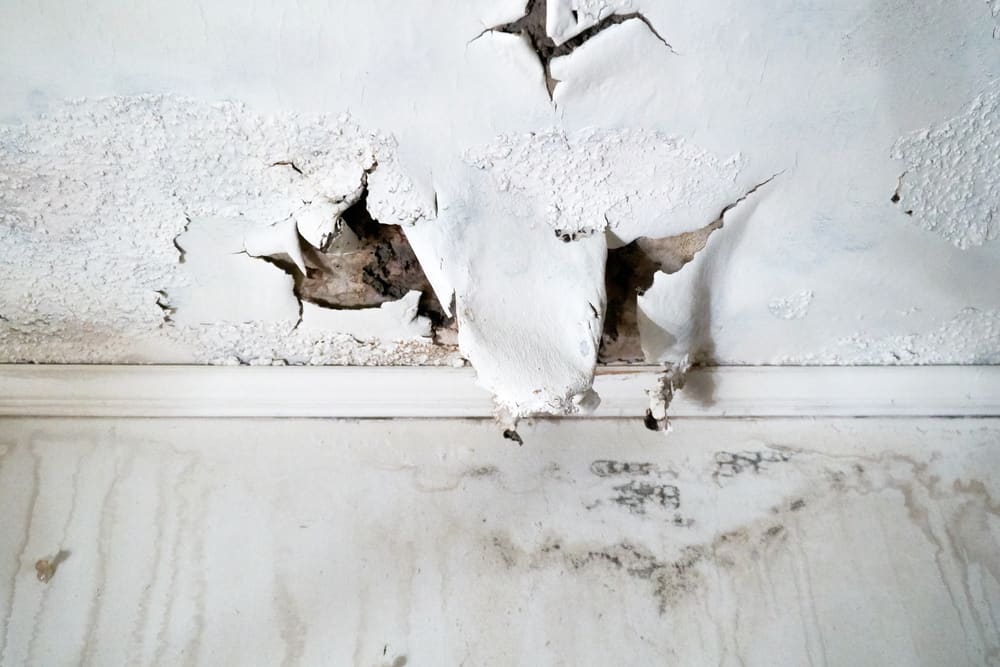
When water gets into a Southold home — whether from a Peconic Estuary storm surge, a burst pipe in a seasonally vacant cottage, or a backed-up septic system after a hard rain — the visible damage is rarely the whole story. Moisture moves into wall cavities, under subfloors, and behind baseboards. If it stays there, mold follows.
The EPA is clear that water-damaged areas need to be dried within 24 to 48 hours to prevent mold growth, and on the North Fork’s coast during summer months, that window can be even shorter when humidity is consistently above 70%.
What you actually get from a professional restoration job is confidence that the problem is fully resolved — not just surface-dry but structurally dry, documented, and treated. That matters everywhere, but it matters more in Southold where a significant portion of the housing stock was originally built as summer residences with poor insulation, older plumbing, and building envelopes that weren’t designed to handle North Fork winters. These homes respond differently to moisture intrusion than newer builds, and a cleanup that misses hidden moisture in an older cottage or a fieldstone-foundation home is a mold remediation waiting to happen six months down the road.
For seasonal homeowners who discover damage after weeks away, the outcome they need isn’t just dry — it’s fully assessed, fully documented, and handled in a way that holds up with their insurance company. That’s what a properly executed restoration delivers.
We’ve been restoring Long Island homes for nearly three decades. That’s not a marketing number — it means we’ve worked through post-Sandy recovery on the East End, handled frozen pipe calls on the North Fork during brutal winters, and dealt with the specific challenges that come with older homes, coastal exposure, and seasonal vacancy patterns unique to Southold and the surrounding area.
We’re based in West Babylon and cover all of Suffolk County, with a dedicated 631 number because this is a real Suffolk County operation, not a Nassau-based company stretching its range east. Our technicians are IICRC-certified, and we’re licensed, bonded, and insured. Those credentials matter in Southold, where high-value properties, FEMA flood zones, and in some cases historic preservation overlay requirements mean that restoration work needs to be documented and performed to a standard that holds up under scrutiny.
We also work directly with your insurance company — handling the paperwork and documentation so you’re not caught in the middle between your insurer and your contractor.
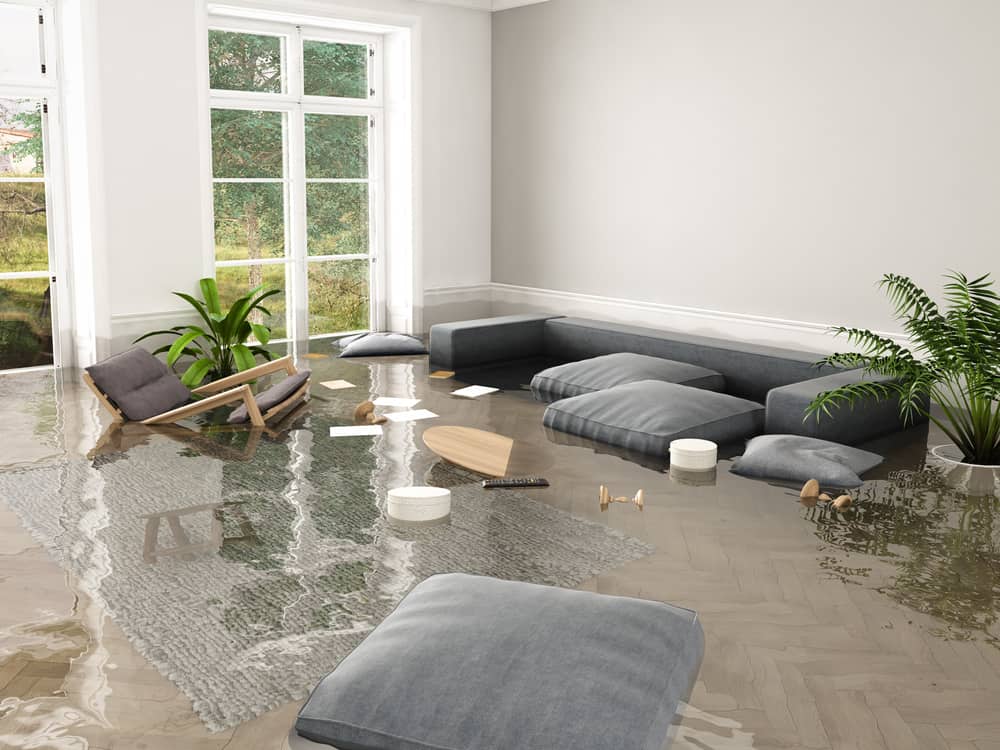
The process starts with a call — any hour, any day. For Southold homeowners who’ve returned to a property after time away and found something wrong, or for anyone dealing with an active flooding situation, that first call triggers an emergency response. We get there before the damage compounds, because every hour that passes increases the scope of what needs to be done.
On arrival, we do a full assessment — not just what’s visible, but what’s hidden. Industrial-grade moisture meters and thermal imaging locate moisture inside walls, under floors, and in structural cavities that a visual inspection would miss entirely. This step is especially important in Southold’s older housing stock, where fieldstone foundations and original plaster walls hold moisture differently than modern construction.
If the flooding involved estuarine storm surge or a septic system backup, we identify the water category correctly from the start — because Category 3 contaminated water requires a completely different protocol than a clean pipe burst, and misclassifying it creates both health risks and insurance claim problems.
From there, water extraction begins, followed by structural drying using commercial air movers and dehumidifiers. The drying phase typically runs three to five days, with moisture readings taken throughout to confirm progress. If work requires a building permit through the Town of Southold’s Building Department — or through Greenport Village’s separate permit authority for properties within the village — we handle that coordination as part of the job.
Once the structure is dry and treated, the rebuild phase begins, and we handle that too, from start to finish.

Ready to get started?
Water damage restoration in Southold covers a wider range of scenarios than most towns on Long Island. On the north shore along Long Island Sound and the south shore facing the Peconic Estuary, storm surge flooding is a documented risk — and because nearly every property in the Town of Southold relies on a private septic system rather than municipal sewer, estuarine flooding frequently produces Category 3 contamination that requires full IICRC protocol.
That means removal of all wet porous materials, antimicrobial treatment, and thorough documentation for insurance purposes. It’s not the same job as a clean pipe burst, and it shouldn’t be treated as one.
For seasonal homeowners, the most common scenario is the undiscovered event — a pipe that froze and burst during the winter, a slow roof leak, or a heating system failure in a property that was closed up and unoccupied. Local plumbers on the North Fork documented more than a dozen frozen pipe calls in a single month during the winter of 2026, and the pattern is consistent: many homeowners don’t find out about the damage until they return. By that point, mold has often already taken hold inside the walls.
The full-service scope — extraction, structural drying, mold prevention, and rebuild — is exactly what these situations require. We also cover basement water extraction, storm damage restoration, and fire damage where water from suppression efforts has caused secondary damage. We handle the complete scope from initial response through final reconstruction, and manage the insurance file directly throughout.

This is one of the most important distinctions to understand before you file a claim. Standard homeowners insurance covers sudden, accidental water damage from internal sources — a burst pipe, an appliance overflow, a water heater failure. It does not cover flooding. If water enters your Southold home because of storm surge from the Peconic Estuary or Long Island Sound, that’s a flood event, and it requires a separate flood insurance policy — typically through the National Flood Insurance Program.
Many Southold properties, particularly those in FEMA-designated flood zones along the Sound shore or near Peconic Bay, carry both a homeowners policy and a separate NFIP flood policy. The challenge is that these two policies cover different things, and during a storm event that involves both internal damage and external flooding, figuring out which claim goes where is genuinely complicated.
That’s one of the reasons we work directly with your insurance company — the documentation needs to be structured correctly from the start, or you risk having a legitimate claim denied or underpaid. Getting the water category right and the damage documented properly is the difference between a covered claim and a fight.
The EPA’s guidance is 24 to 48 hours — that’s the window you have to get water-damaged materials dried before mold spores begin germinating. In practice, mold spores start the germination process within the first 24 hours under the right conditions, and visible growth typically appears within 48 to 72 hours.
On the North Fork during summer months, when coastal humidity consistently runs above 70%, that timeline can compress. In an unventilated basement or crawlspace on a warm July day, wet drywall can show visible mold growth in as little as 24 hours.
This is why response speed matters so much, and it’s also why a surface-level cleanup is not the same as a professional restoration. Consumer-grade fans and wet-vacs don’t remove moisture from inside walls or under floors — they dry the surface while hidden moisture continues feeding mold growth in structural cavities. By the time you smell it or see it on a wall, the problem is significantly larger than what’s visible. Getting a professional on-site quickly, with equipment that finds hidden moisture and removes it completely, is the only way to actually stop the clock on mold growth.
The first thing to do is stop the source if you can — shut off the main water supply if it’s a burst pipe, or stay out of the space if it’s from storm surge or a septic backup until you know what you’re dealing with. Standing water from an unknown source could be contaminated, and wading into it without knowing the water category creates a health risk.
Once the immediate situation is safe, call a restoration company before you call your insurance company. That order matters. Getting a professional on-site first means the damage is properly assessed and documented before an adjuster arrives, which strengthens your claim. If you call your insurer first and an adjuster comes out before the scope is fully documented, you may end up with a settlement that doesn’t reflect the full extent of the damage — including what’s hidden inside the walls.
For Southold homeowners dealing with a flooding event that may involve both homeowners coverage and NFIP flood coverage, having proper documentation from an IICRC-certified team from the start is especially important.
The honest answer is that it depends on the scope, the water category, and the construction of the home. For a straightforward burst pipe situation — one or two affected rooms, clean water, caught quickly — the extraction and drying phase typically runs three to five days, with the full restoration taking one to three weeks depending on what needs to be rebuilt.
For situations that are more common on the North Fork — a seasonally vacant home where a pipe burst weeks before the owner returned, or a storm surge event involving septic contamination — the timeline extends significantly. When mold has already established inside walls, remediation has to happen before reconstruction can begin, and that adds time.
Homes with older construction, like fieldstone foundations or original plaster walls found in some of Southold’s historic hamlet properties, also require more careful work during the drying and rebuild phases. If the property is in Greenport Village, permits go through the Village’s separate building authority rather than the Town of Southold Building Department, which can affect scheduling. The short version: minor damage can be resolved in days; significant flooding with contamination or mold involvement can take several weeks.
Possibly, but there’s an important catch. Many homeowners insurance policies include a vacancy exclusion — if a home has been unoccupied for more than 30 to 60 days (the exact threshold varies by policy), the insurer may deny a water damage claim on the grounds that the home was vacant. This is a real and documented issue for seasonal homeowners on the North Fork, where properties are routinely left unoccupied from late fall through early spring.
The best way to protect yourself is to review your policy’s vacancy language before you close up the property for the season, and to take documented steps to winterize — draining pipes, maintaining heat, and having someone check the property periodically. If damage does occur in a seasonally vacant Southold home, call a restoration company immediately and document everything from the moment you discover the problem. The longer you wait, the more the damage compounds — and the harder it becomes to establish the timeline of when the event occurred versus when you discovered it.
We can help with the documentation and work directly with insurance companies to present the claim accurately.
It depends on the scope of the work. Water extraction, drying, and antimicrobial treatment generally don’t require a permit — those are mitigation activities. But once the work moves into structural repairs or reconstruction — replacing drywall, repairing framing, rebuilding finished spaces — a building permit is typically required under the New York State Uniform Code, which the Town of Southold Building Department enforces at 54375 Main Road.
There’s one important distinction for Southold specifically: if your property is within the incorporated Village of Greenport, permits go through the Village’s own building department, not the Town’s. These are separate authorities, and work started under the wrong permit — or without the right permit — creates problems that can delay your project and complicate your insurance claim.
For properties in designated historic districts, there’s an additional layer: work affecting historic fabric may require coordination with the Historic Preservation Commission. We handle the permitting coordination as part of the restoration process, so you’re not navigating that on your own while also managing an insurance claim and a damaged home.
Useful Links
Other Services we provide in Southold