
Hear from Our Customers

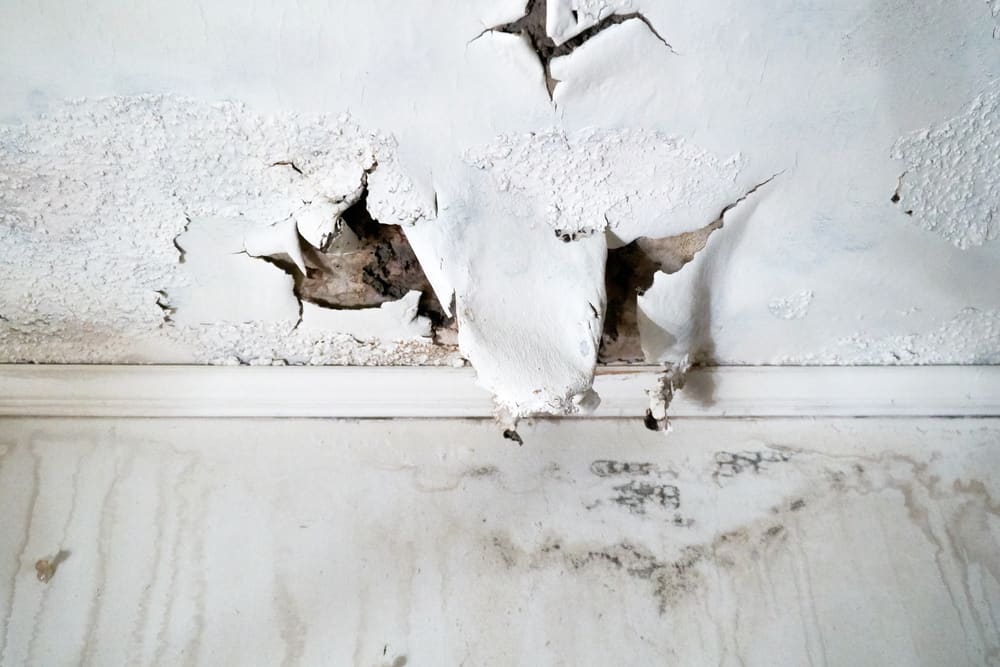
When water enters your home, the visible damage is only part of the problem. The part you can’t see — moisture sitting inside wall cavities, wicking up through a slab foundation, pooling under a subfloor — is what turns a manageable situation into a mold problem three months later.
For West Babylon homeowners, this distinction matters more than it does in most places. The southern half of this hamlet sits on ground where the water table is already close to the surface before a storm even arrives. When heavy rain hits, the ground doesn’t absorb it — it’s already saturated. Moisture doesn’t just come in through a window well or a crack in the foundation wall. It comes up through the slab itself, driven by hydrostatic pressure from below.
Most homes in the 11704 ZIP code were built around 1961, which means galvanized steel plumbing that has hit or passed its service life, shallow basements built without modern drainage standards, and wall assemblies that hold moisture differently than newer construction. Getting a West Babylon home truly dry means understanding how these specific structures behave — and using equipment that can actually reach the moisture hiding inside them.
We’re not headquartered somewhere else on Long Island and dispatched out to West Babylon when calls come in. This is our home base. We’ve been operating out of West Babylon for nearly 30 years, which means our technicians have worked in the Cape Cods and split-levels south of Sunrise Highway, dealt with the Venetian Shores flooding situation, and navigated the high water table conditions that affect basements throughout this hamlet on a routine basis.
That kind of familiarity isn’t something you can replicate with a franchise model or a regional dispatch center. It comes from decades of actual work in actual homes in this specific community.
Every technician we send is IICRC-certified, which matters because it’s the credential Suffolk County insurance adjusters expect when they review a restoration claim. We’re licensed, bonded, and insured — not as a marketing point, but because after Sandy, West Babylon homeowners learned exactly what happens when they hire someone who isn’t. We handle the insurance coordination directly, which means you don’t have to become an expert in claim documentation while your basement is still wet.
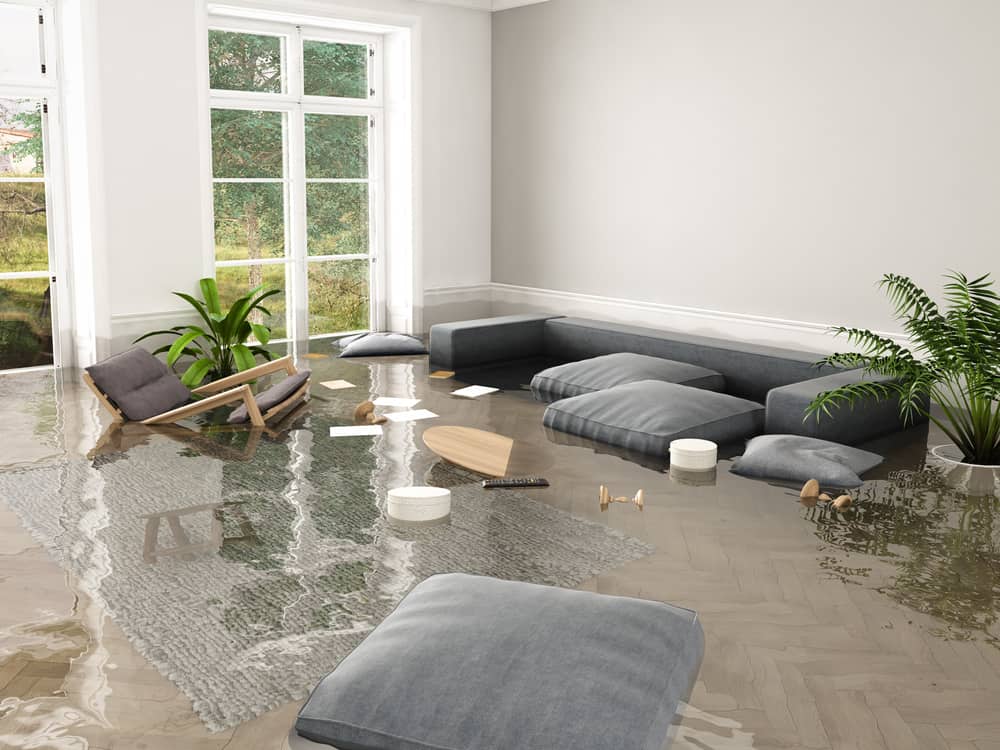
When you call, the first thing that happens is a free on-site assessment. One of our technicians comes to your home, evaluates the source and extent of the water intrusion, and gives you a clear picture of what you’re dealing with before any work begins.
For West Babylon homes — particularly those south of Sunrise Highway where the water table sits close to the surface — that assessment includes moisture mapping to identify what’s happening inside walls and under floors, not just what’s visible on the surface.
Once the scope is confirmed, water extraction comes first. We use industrial-grade equipment to pull standing water out fast. Then the structural drying phase begins, which typically runs three to five days depending on the severity. This isn’t fans pointed at wet carpet — it’s commercial air movers, dehumidifiers, and moisture meters tracking the drying process inside the structure itself.
For homes built in the 1950s and 1960s, which make up the majority of West Babylon’s housing stock, this phase requires particular attention to wall cavities and subfloor assemblies that hold moisture longer than modern construction. If the damage involves structural repairs or reconstruction, we handle that under the same roof — one company, one point of contact through the entire process. Any work requiring building permits is coordinated through the Town of Babylon’s Building Department. If your property sits in a FEMA Zone AE area, which applies to portions of West Babylon’s south shore, our assessment will flag any substantial damage considerations that affect your rebuild obligations under floodplain management rules.

Ready to get started?
Water damage restoration in West Babylon isn’t a one-size situation, and our service reflects that. Whether you’re dealing with a burst pipe in a 1963 ranch on the north side of the hamlet, a flooded basement in the Belmont Lake Estates area after a nor’easter pushes Carlls Creek beyond its banks, or storm surge damage in Venetian Shores from a direct bay event, our response is built around what’s actually happening in your home.
Our full scope includes water extraction and basement water removal, structural drying, dehumidification, moisture mapping, mold prevention treatment, contents assessment, and reconstruction when needed. We address severe odor from water-damaged materials as part of the process, not as a separate add-on. For homes with contaminated water intrusion — sewage backup, floodwater carrying groundwater — we apply the Category 3 cleanup protocol, which involves a higher level of containment and antimicrobial treatment than a clean-water event requires.
Insurance coordination is built into our service from the start. We work directly with your insurance company, handle the documentation in the format adjusters require, and bill the insurer directly where coverage applies. For West Babylon homeowners navigating the difference between what standard homeowners insurance covers — sudden accidental damage like a burst pipe — and what requires a separate flood policy, we can help clarify that picture early so there are no surprises when the claim is filed.

It depends on what caused the flooding, and that distinction matters a lot for West Babylon homeowners. Standard homeowners insurance covers sudden, accidental water damage from internal sources — a burst pipe, a washing machine that overflows, a water heater that fails. If the water came from inside your home and the event was unexpected, you’re likely covered.
What standard homeowners insurance never covers is flooding from an external source — storm surge from Great South Bay, groundwater pushing up through your foundation slab, or surface water entering from outside. That type of event requires a separate flood insurance policy, typically through the National Flood Insurance Program.
For homes in the southern portions of West Babylon — particularly those in FEMA Zone AE areas near Venetian Shores — this distinction is critical. If your basement took on water during a named storm or a significant rain event and you don’t carry a separate flood policy, your standard homeowners insurance claim is likely to be denied for that specific event. We help you understand which category your damage falls into from the start, so you’re not filing the wrong claim or missing coverage you didn’t know you had.
Mold can begin growing within 24 to 48 hours of water intrusion under the right conditions — and West Babylon’s coastal humidity and high water table create conditions that are rarely unfavorable for mold. By the time visible mold appears, which typically happens around 48 to 72 hours, microscopic growth has already been underway for a day or more.
The reason this matters specifically in West Babylon is that the ambient humidity levels here — particularly from late spring through early fall when Great South Bay is warm and the air is moisture-heavy — mean that even a partially dried space stays damp enough to sustain mold growth. Consumer-grade fans can move surface moisture around, but they don’t reduce the relative humidity inside wall cavities or under subfloors. Professional dehumidification equipment does.
The faster a professional assessment and extraction happen, the lower the likelihood that mold becomes a second, separate problem on top of the water damage itself. Calling immediately rather than waiting to see how things dry out on their own is almost always the less expensive decision.
The first thing to do is make sure it’s safe to enter the space. If there’s any possibility of electrical panels, outlets, or appliances being in contact with standing water, don’t go in until the power to that area has been shut off at the breaker. Once it’s safe, stop the source if you can — shut off the main water supply if it’s a burst pipe, or stop using any fixtures that are contributing to the overflow.
After that, call for professional help before you start moving things around or attempting to dry the space yourself. The reason this matters is documentation. If you’re filing an insurance claim, the adjuster will want to see the damage as it was — photos and professional moisture readings taken before cleanup begins are part of what supports a successful claim.
We can walk you through what to do on the phone before our crew arrives, and the assessment is free, so there’s no cost to getting professional eyes on the situation quickly.
For most residential water damage situations — a burst pipe, a washing machine overflow, moderate basement flooding — the drying phase alone runs three to five days using professional equipment. Total restoration, including any structural repairs or reconstruction, typically takes two to three weeks from the initial extraction through the final work. More significant events, like extensive flooding that affects multiple rooms or requires structural drying deep into wall assemblies, can extend that timeline.
For West Babylon homes built in the 1950s and 1960s, the drying phase sometimes runs on the longer end because of how the wall assemblies and subfloor systems in that era of construction hold moisture. Older homes often have less vapor barrier protection, and the materials used — plaster walls, older insulation, original hardwood subfloors — absorb and release moisture more slowly than modern drywall and engineered lumber. The moisture mapping we do during the assessment gives a realistic picture of the drying timeline before the work begins.
In many cases, yes — but it depends on where the damage is, how extensive it is, and whether contaminated water is involved. If the flooding is contained to a basement or a single room and the rest of the home is unaffected, most homeowners can stay in place during the drying phase. The equipment runs continuously, which means commercial air movers and dehumidifiers will be operating in the affected area around the clock.
Where staying in the home becomes more complicated is when the water source is contaminated — sewage backup, floodwater from an external source, or any Category 3 water event. In those situations, the affected area needs to be properly contained and treated, and depending on the extent of the contamination, temporary relocation may be the safer option. If mold is present or develops during the remediation process, that’s another factor that affects whether the home is comfortable and safe to occupy.
We’ll give you an honest assessment of what’s reasonable for your specific situation — there’s no benefit to recommending relocation if it isn’t necessary, and no benefit to keeping you in a space that isn’t safe.
This is one of the most common questions from homeowners in the southern half of West Babylon, and the answer almost always comes back to the water table. The south shore of Long Island — and West Babylon specifically — sits on ground where the water table is genuinely close to the surface year-round. The Town of Babylon’s own public works department has acknowledged that catch basins in south shore areas are often partially full at baseline, before any rain event occurs.
When heavy rain adds to an already-saturated water table, the pressure that builds up beneath a foundation slab pushes moisture upward through the concrete itself. This is called hydrostatic pressure, and it doesn’t require a crack or a visible entry point to move moisture into a basement.
For homes built in the 1960s — which is most of West Babylon — the foundation systems weren’t designed with modern waterproofing standards or drainage tile systems that would redirect that pressure. A professional moisture assessment can identify whether you’re dealing with hydrostatic pressure, a failing foundation wall, condensation from humidity, or some combination of all three. Understanding the actual source is the only way to address it correctly — surface-level fixes applied to a hydrostatic pressure problem will keep failing until the underlying cause is properly managed.
Useful Links
Other Services we provide in West Babylon