
Mold Inspection in Bellerose, NY
When Your 100-Year-Old Walls Are Hiding Something
Hear from Our Customers
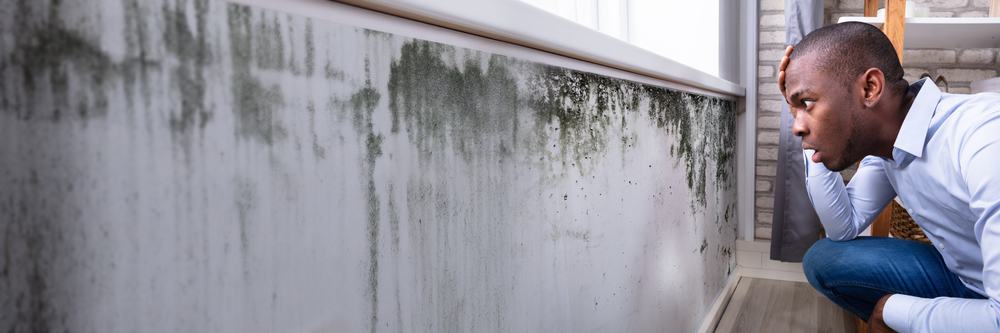
Home Mold Testing Bellerose, NY
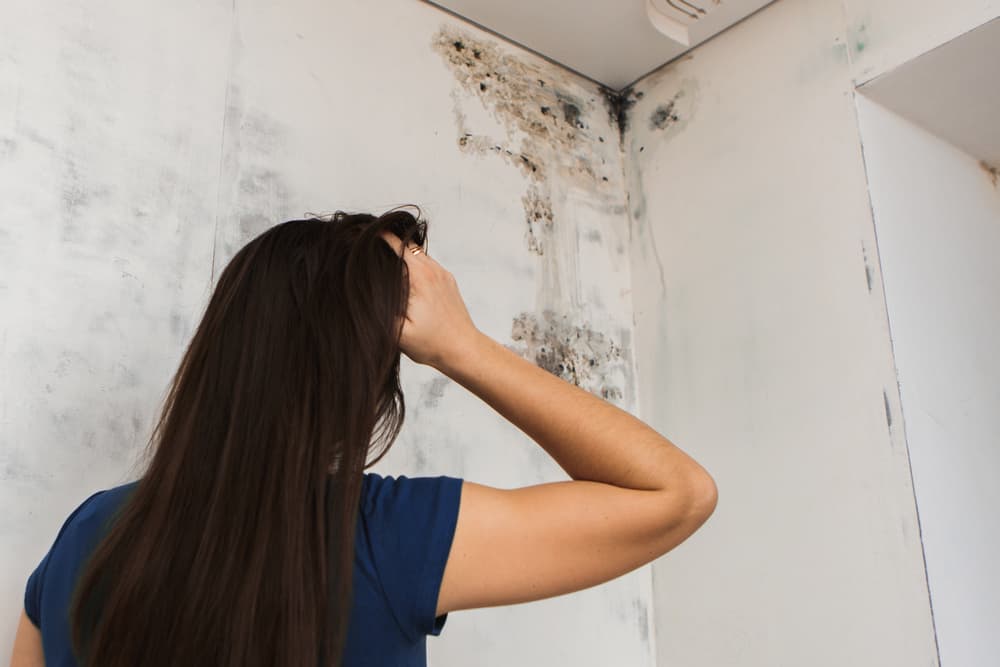
Most Bellerose homeowners don’t find mold mold finds them. A musty smell after a wet spring, a family member’s allergies that won’t quit, or a basement that flooded during a nor’easter and got dried out but never properly assessed. By the time it’s visible, it’s usually been growing for a while.
A professional mold inspection gives you something a DIY kit never can: documented evidence of what’s actually in your air, your walls, and your home’s hidden spaces. You get a certified lab report showing spore counts, species identification, and a direct comparison of your indoor air quality against outdoor baseline levels. That’s the difference between guessing and knowing.
For Bellerose specifically, this matters more than it does in newer construction. The Tudor Revival and Colonial Revival homes throughout this village most built between 1910 and the 1940s have wall cavities, attic spaces, and original plumbing chases that have been absorbing moisture for over a century. Basement flooding is documented as a recurring issue in Bellerose Village, tied to the area’s position within the Hook Creek Watershed. When water gets in and isn’t fully addressed within 24 to 48 hours, mold doesn’t wait for an invitation.
Mold Inspection Company Bellerose, NY
We’ve been serving Nassau County homeowners for over three decades. That’s not a marketing number it means the technician walking through your Bellerose Village Tudor has inspected and remediated homes exactly like yours, in neighborhoods exactly like this one, through every kind of weather Long Island throws at a house.
Every technician on our team is IICRC-certified. We’re fully licensed by the New York State Department of Labor under Article 32 the state law that has required mandatory mold assessor licensing since 2016. Licensed, bonded, and insured. Our owner holds personal licensure in both mold inspection and mold remediation, which isn’t standard across the industry.
We already serve the Bellerose area through water damage restoration and mold remediation work in neighboring Bellerose Terrace. This isn’t a company parachuting into an unfamiliar zip code. We know the housing stock, the drainage patterns, and the seasonal conditions that make mold a real and recurring concern for homeowners in this part of Nassau County.
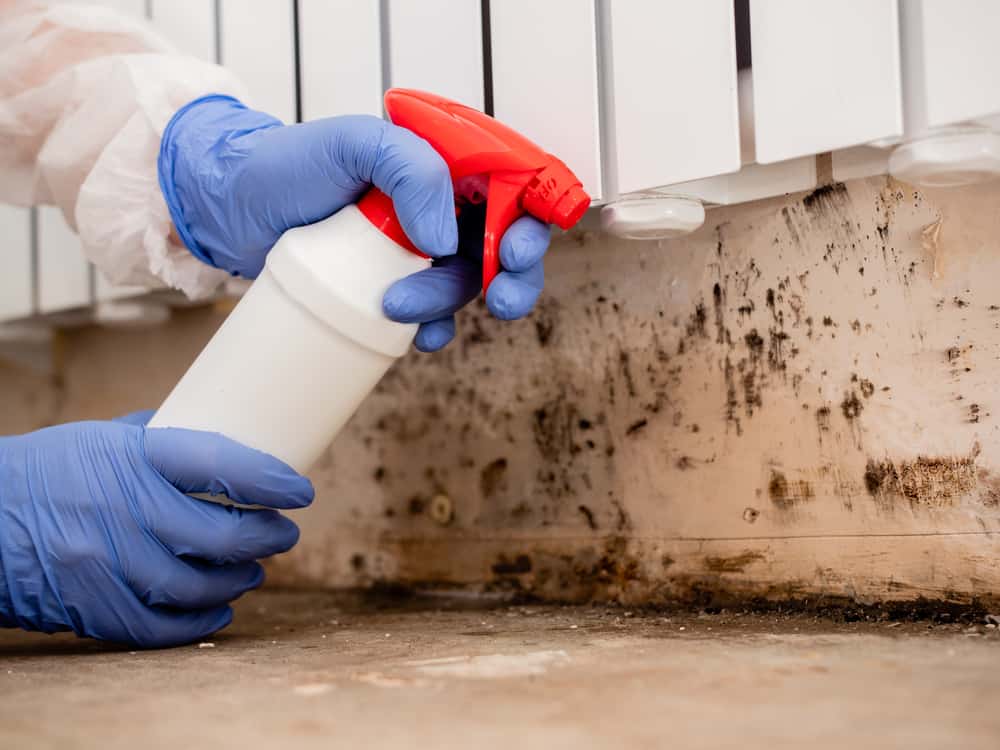
Professional Mold Inspector Bellerose, NY
When one of our technicians arrives at your Bellerose home, we’re not doing a quick visual sweep and calling it done. Our inspection follows a structured five-point protocol designed to find mold where it actually hides not just where it’s already visible.
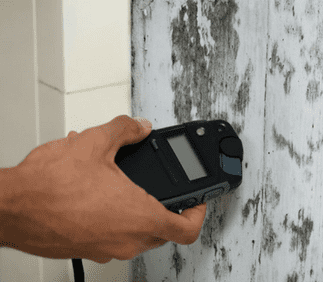
It starts with air testing and surface swab sampling, both sent to a certified third-party laboratory. From there, our technician conducts a full water intrusion source inspection because in a home built before World War II, water can be entering through deteriorating brick mortar, cracked slate roofing, aging window seals, or plumbing that’s been running through the same wall cavities for 80-plus years. Moisture levels are measured throughout the home, and infrared thermal imaging is used to scan for hidden moisture and mold colonies behind walls and under flooring areas that no visual inspection can reach.
The written lab report you receive at the end documents everything: spore species, concentration levels, indoor versus outdoor air comparison, and specific recommended next steps. That report is formatted to satisfy insurance adjusters, real estate attorneys, and health professionals which matters if your inspection is tied to a flooding event, a pre-purchase decision, or a Nassau County insurance claim. Under New York State Article 32, only a licensed mold assessor can produce a legally valid inspection report, and that’s exactly what you get.
Ready to get started?
Residential Mold Inspection Bellerose, NY
Our mold inspection service covers the full picture attic mold inspection, basement mold inspection, wall cavity scanning, and indoor air quality testing for mold, all in a single visit. For Bellerose homeowners, that comprehensiveness isn’t a luxury it’s a necessity. With homes this old and a climate this humid, mold doesn’t limit itself to one area. Long Island’s hot, humid summers regularly push indoor humidity above the 60% threshold where mold can begin growing within 24 to 48 hours, and that exposure window runs for months.
If you’re purchasing a home in Bellerose Village, a pre-purchase mold inspection is one of the most straightforward ways to protect yourself. A century-old Tudor that shows beautifully can still be harboring moisture damage in its attic insulation or behind its original plaster walls and a buyer’s inspector won’t always catch it. The lab-backed report from a licensed NYS DOL mold assessor gives you real documentation before you close.
For homeowners dealing with an active situation post-flood, post-storm, or an unexplained smell we’re available 24 hours a day, seven days a week, and dispatch immediately upon a call. Mold remediation and full property restoration are also available through our team, so you’re not left coordinating between separate contractors if the inspection turns up something that needs to be addressed.
How quickly can mold grow after basement flooding in Bellerose, NY?
Faster than most people expect. Mold can begin establishing itself within 24 to 48 hours of a water intrusion event, provided there’s enough moisture and an organic surface to grow on both of which are easy to find in a Bellerose Village home with original wood framing, plaster walls, and older flooring materials.
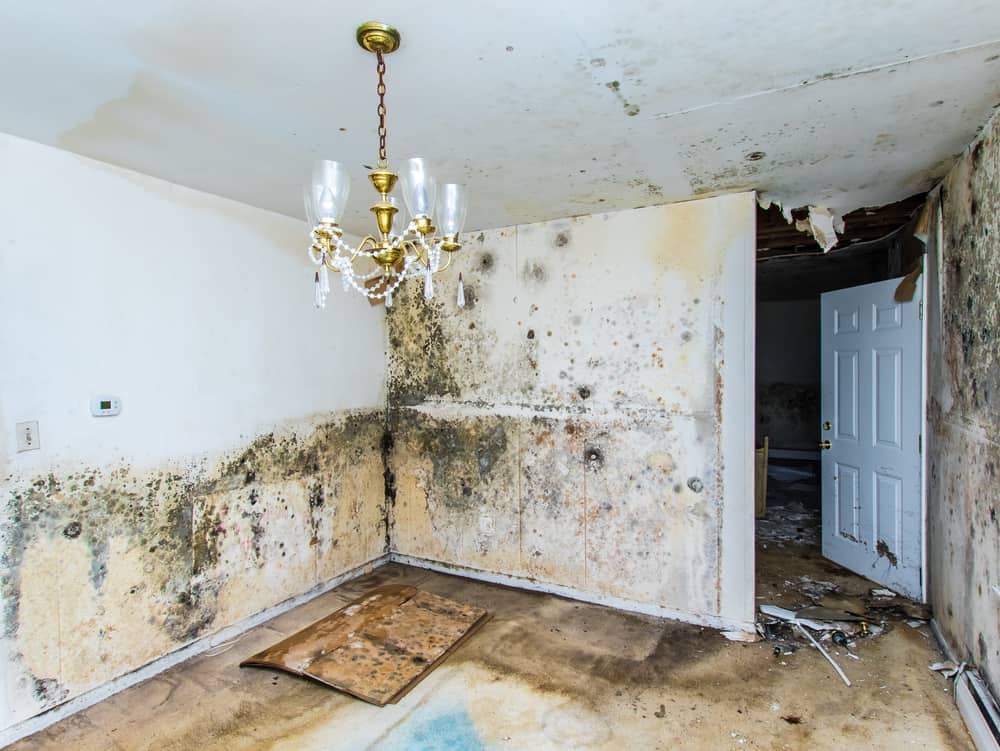
Basement flooding is specifically documented as a recurring issue in Bellerose Village, in part because of the area’s drainage geography within the Hook Creek Watershed. When a nor’easter rolls through or a heavy spring rain saturates the ground, water doesn’t always stay where it’s supposed to. If your basement flooded and you had it dried out but never had a professional assessment done, there’s a real possibility that mold has already taken hold in wall cavities or under flooring in places you can’t see without moisture meters and infrared imaging. That’s exactly why waiting is the one thing you shouldn’t do.
What does a mold inspection cost for a home in Nassau County?
The national range for a professional mold inspection runs from about $303 to $1,043, with the average landing around $670. Where your home falls in that range depends primarily on square footage, the number of samples taken, and whether additional scanning like infrared thermal imaging is part of the process.
For Bellerose Village specifically, it’s worth thinking about the cost in context. These are older homes with more complex wall and attic structures, which means a thorough inspection may involve more sampling points than a newer build would. The cost of a proper inspection is a fraction of what mold remediation runs moderate cases typically fall between $1,150 and $3,400, and more advanced infestations can reach $10,000 to $20,000 or more. Catching a problem early, before it spreads through a wall cavity or attic, is where the inspection pays for itself many times over.
Is mold common in older Tudor and Colonial homes throughout Bellerose Village?
It’s more common than most homeowners realize, and the age of the housing stock is the main reason. Bellerose Village was developed between 1910 and the 1940s, and the vast majority of the fewer than 400 homes in the village are over 80 to 100 years old. That means decades of moisture exposure through aging brick mortar, original plumbing, slate roofing, and poorly ventilated attic spaces all of which are common entry points and growth environments for mold.
The issue isn’t that these homes are poorly built. It’s that moisture finds every crack eventually, and in a home that’s been standing for a century, there have been a lot of opportunities. Gabled attics in Tudor-style homes are particularly prone to moisture accumulation when ventilation is inadequate. Original hardwood subfloors can trap water after a flooding event. And wall cavities that haven’t been opened since the home was built may have been holding moisture for years without anyone knowing. A professional mold inspection with infrared imaging is the only reliable way to assess what’s actually happening in those spaces.
Does New York State require a licensed mold inspector, or can anyone do it?
New York State requires it. Under Article 32 of the NY Labor Law, all mold assessors and mold remediators working for compensation in New York have been required to hold a license from the NYS Department of Labor since January 1, 2016. Fines for unlicensed mold work can reach $10,000, and any assessment produced by an unlicensed inspector carries no legal standing.
That last part matters more than people often realize. If you’re filing an insurance claim tied to a water damage or flooding event, your insurer will want documentation from a licensed mold assessor not a verbal assessment, not a DIY kit result. Same goes for real estate transactions: a mold inspection report used in a Nassau County home sale or purchase needs to come from a licensed professional to be taken seriously by attorneys, lenders, and buyers. Before you hire anyone for mold inspection in Bellerose, NY, ask for their NYS DOL license number. Any legitimate operator will provide it without hesitation.
What's the difference between mold inspection and mold testing in New York?
The terms get used interchangeably, but they’re not quite the same thing. Mold testing refers specifically to the sampling process collecting air samples or surface swabs and sending them to a certified lab for analysis. Mold inspection is the broader process that includes testing but also covers the physical assessment of the property: identifying moisture sources, scanning for hidden growth with infrared technology, measuring humidity levels throughout the home, and evaluating the conditions that allowed mold to develop in the first place.
For a Bellerose homeowner, the distinction matters because testing alone tells you what’s in your air but it doesn’t tell you where the moisture is coming from or how far the problem has spread. A full inspection gives you the complete picture: the lab data and the source diagnosis. Without both, you might remediate visible mold and miss the underlying water intrusion issue that will just bring it back. That’s why a comprehensive inspection not just a swab test is the right starting point.
Can a mold inspection report be used for a home sale or insurance claim in Bellerose?
Yes and in many cases, it’s exactly what’s needed to move a transaction or claim forward. A certified lab report from a NYS DOL-licensed mold assessor is the format that insurance companies, real estate attorneys, and lenders recognize as legitimate documentation. If your Bellerose home experienced basement flooding and you’re filing a claim for related water damage, a professional inspection report establishes the scope of the mold issue, its connection to the water intrusion event, and the recommended remediation steps all in a format your adjuster can work with.
On the real estate side, Bellerose Village’s rising home values and active market mean pre-sale and pre-purchase inspections are increasingly common. A seller who can provide a clean mold inspection report removes a major point of negotiation. A buyer who commissions their own inspection before closing on a century-old Tudor has real documentation rather than assumptions. Either way, the report needs to come from a licensed assessor and it needs to include lab results, not just a visual walkthrough to carry any weight with the parties involved.
Useful Links
Other Services we provide in Bellerose