

Hear from Our Customers
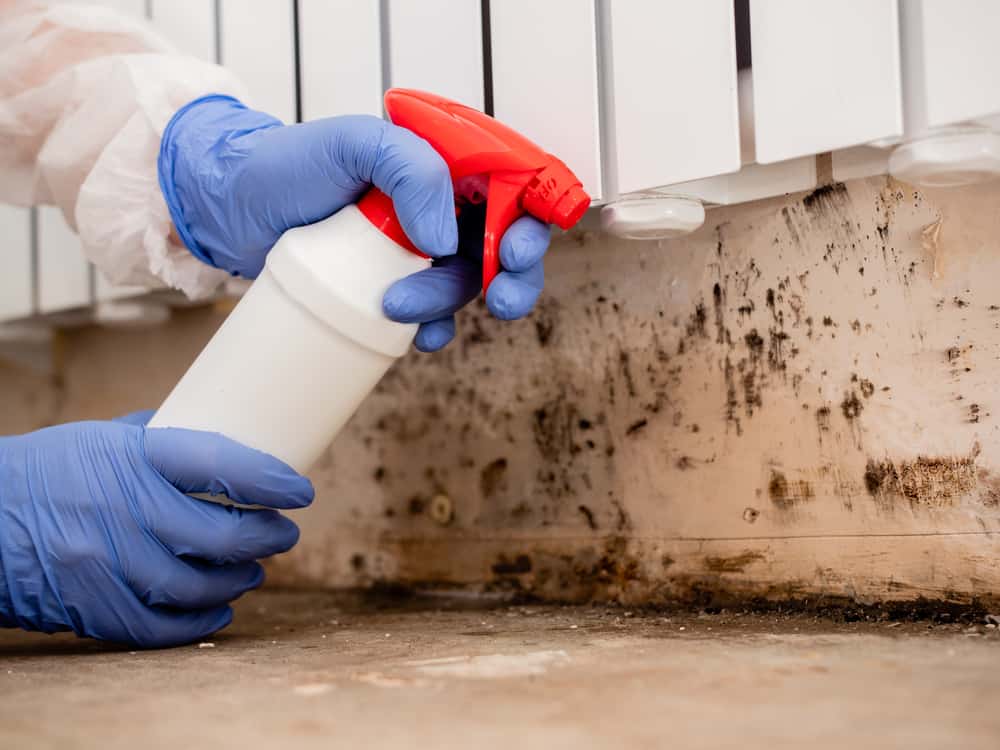
Most Freeport homeowners don’t find out they have a mold problem until it’s already spread — behind drywall, under flooring, inside wall cavities that a basic walkthrough would never catch. A thorough mold inspection gives you a clear picture of what’s actually in your home, not just what’s visible on the surface. That’s a completely different thing.
For homes along Woodcleft Canal or in the southern flood-zone sections of Freeport, the risk isn’t theoretical. Tidal moisture, salt air, and the humidity that rolls off the water year-round creates conditions where mold doesn’t need a major flood to get started — it just needs time. Knowing your baseline air quality, your moisture levels, and whether your wall cavities are clean is the kind of information that protects a home worth nearly half a million dollars.
And for anyone who had work done after Sandy — even if it looked fine at the time — a certified inspection with infrared imaging is the only way to know for sure whether that remediation actually held. Roughly 4,000 Freeport homes were flooded in October 2012. The mold that wasn’t fully cleared then has had over a decade to grow somewhere you haven’t looked.
We’ve been working on Long Island since before Sandy, before Irene, and before every storm season that’s shaped the South Shore’s mold risk landscape. Our owner, Richard Peterson, holds a personal NYS Department of Labor license in both mold inspection and mold remediation — and every technician on our team is IICRC-certified. Not just the estimator. The person who actually shows up at your door.
That matters in Freeport more than most places. This village saw what unlicensed, undertrained contractors looked like in the weeks after Sandy. Some homeowners paid thousands for work that didn’t hold. We’re fully licensed, bonded, and insured under New York State law — and we’ve been doing this long enough to know exactly what post-WWII Nassau County homes look like on the inside, including the ones along the bay in South Freeport that have been absorbing moisture for decades.
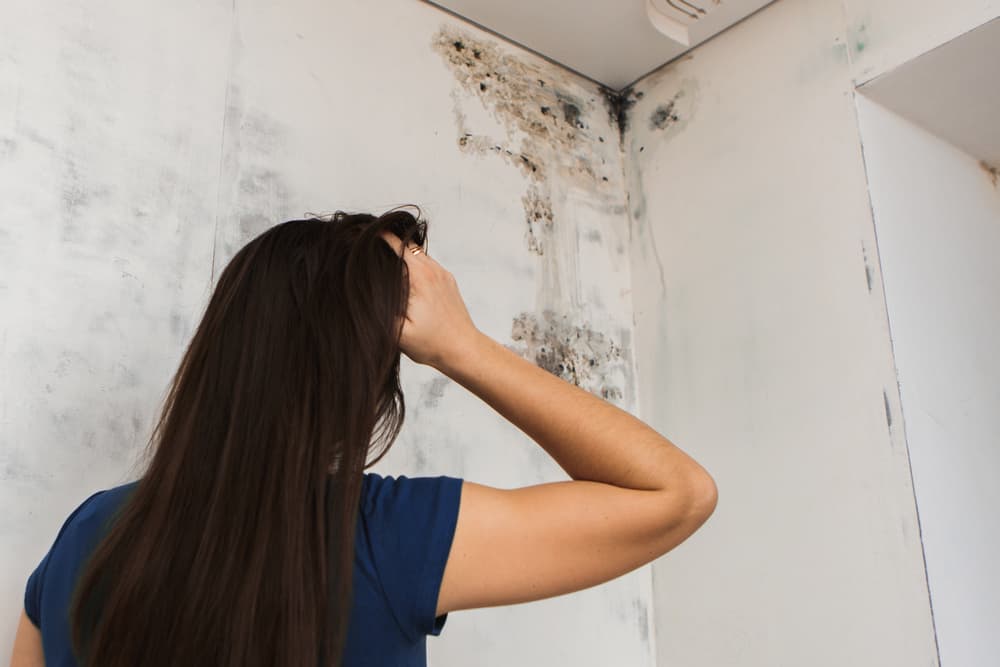
The inspection starts with a full walkthrough — not just the obvious spots, but the areas where moisture hides in older homes: attic spaces, basement walls, crawl spaces, and the wall cavities behind bathrooms and kitchens. In Freeport’s postwar housing stock, where most homes were built in the 1940s through 1960s without modern vapor barriers, these are the areas that accumulate the most undetected moisture over time.
From there, air samples are collected inside the home and compared against an outdoor baseline. That comparison is what actually tells you whether your indoor air quality is compromised — not just whether spores are present, because spores are always present at some level. Surface swab samples are taken where visible growth or staining appears. Moisture readings are recorded throughout. And where walls or ceilings show temperature differentials that suggest hidden moisture, infrared imaging is used to map it without cutting anything open.
Everything goes to a certified lab. You get a written report with the actual results — mold species, spore concentrations, moisture findings, and specific recommended next steps. Under New York State’s Article 32 of the Labor Law, all mold assessment work must be performed by a licensed assessor. That report carries legal standing for insurance claims, real estate transactions, and landlord-tenant disputes — which in a community like Freeport, where NFIP flood insurance is common, is often exactly what you need.
Ready to get started?
This isn’t a two-stop visual check with a couple of air samples thrown in. Our mold inspection service covers air testing, surface swab sampling, water intrusion assessment, calibrated moisture measurement, infrared thermal imaging for hidden mold detection, photographic documentation of all findings, an internal-versus-external air particle comparison, and a full written report with certified lab results and remediation recommendations.
For Freeport properties in FEMA Special Flood Hazard Areas — particularly the canal-adjacent streets in South Freeport and the bay-facing blocks near Randall Bay — the water intrusion component of the inspection is especially detailed. Homes in these areas experience moisture conditions that are ongoing, not event-based, and the inspection is designed to account for that. Attic mold inspection is included where accessible, which is particularly relevant in older Freeport homes where ice dam water intrusion during winter months can saturate roof sheathing without any visible interior sign.
If the inspection findings point to remediation, we handle that too — same team, same standards, no hand-off to a second contractor who’s working from someone else’s report. That matters when the scope of work needs to be exactly right. We serve residential and commercial properties in Freeport, including businesses along Merrick Road, Sunrise Highway, and the Nautical Mile corridor.
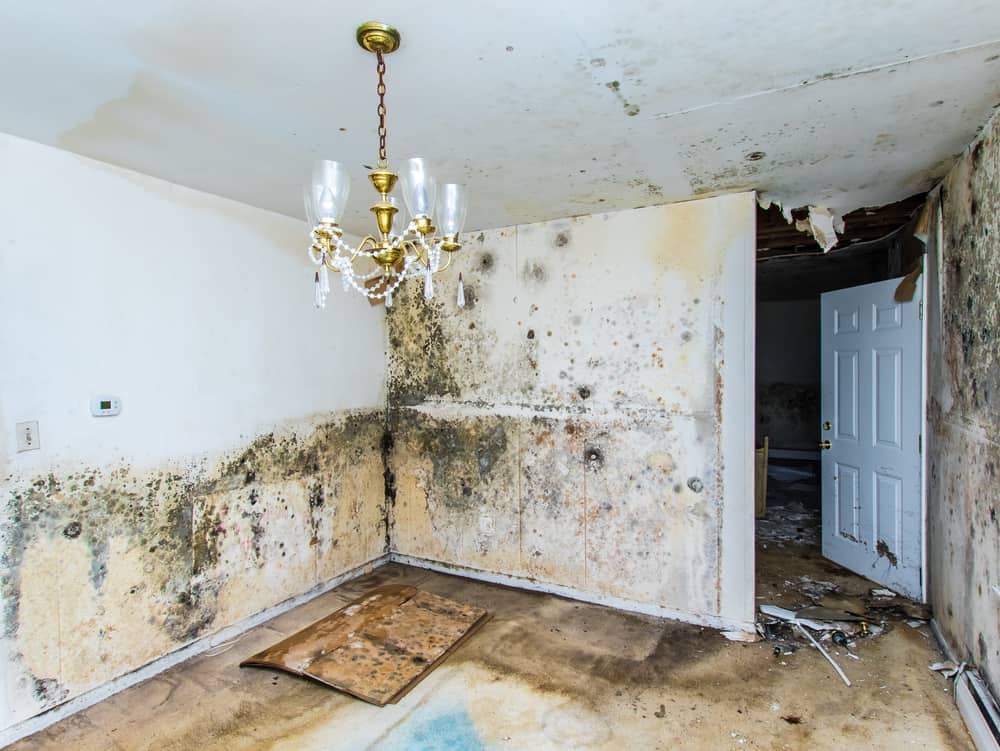
Visible mold is actually the easier problem to find. The more common issue in Freeport homes — especially those in the southern flood-zone sections of the village — is mold that’s established itself inside wall cavities, under flooring, or in attic spaces where you’d have no reason to look. It doesn’t always produce a smell right away, and it doesn’t always show up on a surface you can see.
The homes most at risk are the ones that experienced flooding at some point and had remediation done quickly, without a full scope of what was affected. If your home was one of the roughly 4,000 flooded during Sandy, or if you’ve had any basement water intrusion since, a professional inspection is the only way to confirm whether the interior of your walls is actually clean. Infrared imaging during the inspection can detect moisture differentials behind surfaces without any destructive investigation — so you get a real answer without tearing anything apart.
The national average for a professional mold inspection runs around $670, with most residential jobs falling somewhere between $303 and $1,043 depending on the size of the home, the number of samples collected, and whether infrared imaging is part of the scope. In Freeport, where many homes are larger postwar properties with finished basements, attic spaces, and crawl areas, the inspection scope tends to be more involved than a small apartment or newer construction.
It’s worth framing that cost against what you’re protecting. With median home values in Freeport approaching $491,000, an inspection that catches a hidden mold problem early is far less expensive than a remediation job that could run $10,000 to $20,000 or more once the problem has spread. For homeowners carrying NFIP flood insurance, the written lab report from a licensed assessor can also support a claim — which makes the inspection cost part of the documentation process, not just a standalone expense.
These terms get used interchangeably, but they’re not the same thing. Mold testing refers specifically to the sampling process — collecting air samples, surface swabs, or bulk material samples and sending them to a lab for analysis. Mold inspection is the broader assessment: a trained inspector evaluates the property for moisture sources, visible mold growth, water intrusion pathways, and conditions that support mold development, and testing is one component of that process.
In New York State, anyone performing mold assessment for compensation must hold a valid NYS Department of Labor mold assessor license under Article 32 of the Labor Law. This requirement has been in place since January 1, 2016, and fines for unlicensed work can reach $10,000. That’s not a technicality — it means the report you receive from an unlicensed inspector has no legal standing for insurance claims, real estate transactions, or any other purpose where documentation matters. In Freeport, where flood insurance claims and pre-purchase inspections are common, that distinction is genuinely important.
Yes, and it’s more common than most homeowners expect. Flooding is one pathway, but it’s not the only one. In Freeport’s canal-adjacent and waterfront neighborhoods, the ambient humidity from open water — particularly during summer months when South Shore humidity regularly exceeds 70 to 80 percent — creates conditions where mold can begin growing in poorly ventilated spaces within 24 to 48 hours of sustained moisture exposure. No flood required.
Older homes are especially vulnerable. Most of Freeport’s residential housing stock was built in the 1940s through 1960s without modern vapor barriers, and original insulation in these homes has often compressed over decades, losing its moisture-retarding properties. Attic spaces in these homes are also prone to ice dam water intrusion during winter — where heat escaping through inadequate insulation melts roof snow, which refreezes at the eaves and backs water up under the shingles. That’s a slow, recurring moisture source that can saturate roof sheathing and attic insulation without producing any interior sign until mold is already established.
New York State maintains a public database of licensed mold assessors and remediators through the NYS Department of Labor. You can verify any company’s license status before you hire them — and you should. Under Article 32 of the Labor Law, both the assessment and remediation work must be performed by separately licensed individuals or companies. We hold licensing in both categories.
This matters in Freeport specifically because the post-Sandy contractor landscape included a significant number of operators who were not properly credentialed. Some homeowners found out after the fact — when mold came back, when an insurance claim was denied, or when a real estate transaction flagged the prior work as unverifiable. Checking the DOL database takes about two minutes and eliminates that risk entirely. Any legitimate mold inspection company in Nassau County will have no hesitation giving you their license number upfront.
For most Freeport properties, yes — and the reasoning is specific to this village, not just general home-buying advice. Standard home inspections don’t include mold testing, and in a community where a significant portion of the housing stock is 60 to 80 years old, where portions of the village sit in FEMA Special Flood Hazard Areas, and where roughly 4,000 homes were flooded during Sandy, the gap between what a visual home inspection catches and what’s actually inside the walls can be significant.
A pre-purchase mold inspection gives you a certified, lab-backed report before you’re legally and financially committed to the property. If mold is found, you have documentation to use in price negotiations or to request remediation as a condition of sale. If the home is clean, you have a baseline report that establishes the condition of the property at the time of purchase — useful if a moisture issue develops later and there’s a question about when it started. Given that Freeport home values are approaching $491,000, that documentation is worth having.
Useful Links
Other Services we provide in Freeport