

Hear from Our Customers

Most homeowners don’t call about mold until something feels off — a smell they can’t place, a cough that won’t quit, or a basement that never quite dried out after the last storm. By the time it’s obvious, it’s usually been growing for a while. That’s the nature of mold in older homes, and Great Neck has a lot of older homes — nearly half the housing stock here was built before 1950, which means wall cavities, attic spaces, and crawl spaces that were never designed with modern moisture control in mind.
The peninsula geography makes it worse. Little Neck Bay to the west, Manhasset Bay to the east, Long Island Sound to the north — the ambient humidity in Great Neck is not the same as it is ten miles inland in Floral Park or Hicksville. Salt air works its way into building materials over time. Tidal flooding and storm surge are documented risks, not hypotheticals. The Village of Great Neck has an entire chapter of its municipal code dedicated to flood-prone areas. When Ida’s remnants hit in 2021, Middle Neck Road flooded. Russell Gardens flooded. The LIRR platform flooded. Mold starts growing within 24 to 48 hours of that kind of water intrusion.
After a professional mold inspection in Great Neck, you know exactly what’s in your home — not a guess, not a gut feeling. You have lab-confirmed results, a written report, and a clear picture of what needs to happen next. That’s the difference between wondering and knowing.
We’ve been serving all of Long Island — including Great Neck’s waterfront communities and the nine villages on the peninsula — for over 31 years. Our owner, Richard Peterson, built the company around one standard: every technician on every job holds IICRC certification. Not just him. Not just the project manager. Every person who walks into your home.
That matters in a market like Great Neck, where the homes along Kings Point Road or tucked into the side streets off Middle Neck Road can have structural quirks that a less experienced crew simply misses. Victorian-era construction, Tudor-style detailing, finished basements over aging foundations — these aren’t the same as a 1990s colonial in a Levittown subdivision. They require a team that actually knows what they’re looking at.
We are fully licensed by the New York State Department of Labor as both a Mold Assessor and Mold Remediator, and we are licensed, bonded, and insured. We’re available 24 hours a day, 7 days a week — because mold doesn’t wait for business hours, especially not after a nor’easter rolls through Nassau County.
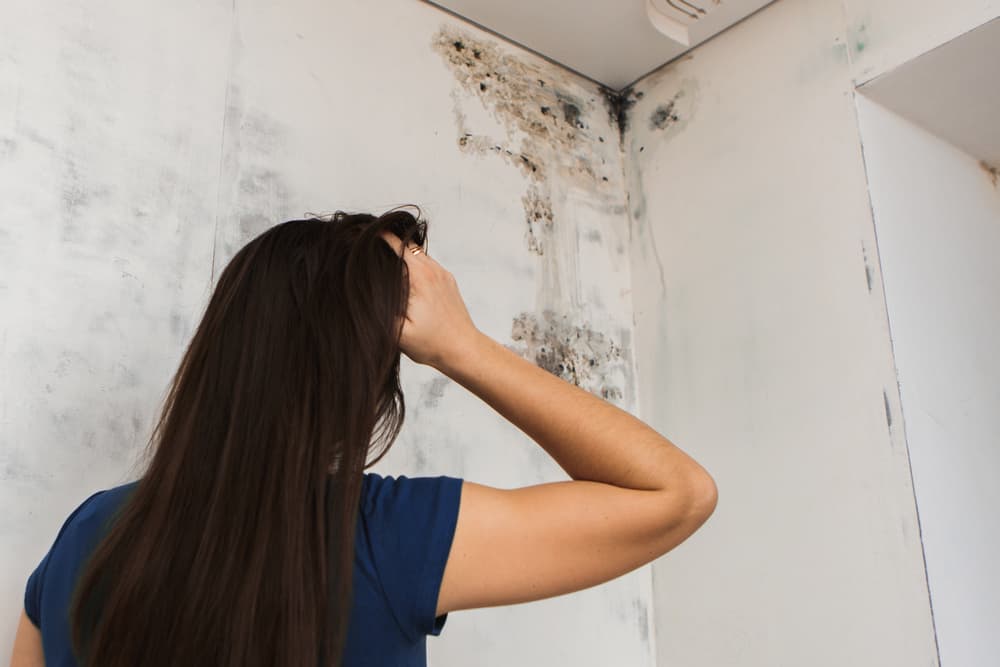
The inspection starts before a single sample is taken. Our certified technician walks the property and looks for the conditions that drive mold growth in Great Neck specifically — signs of water intrusion near the foundation, moisture patterns in the basement or crawl space, roof and attic ventilation issues, and any areas that show evidence of past flooding or ongoing humidity problems. In a home built in the 1940s or earlier, that walkthrough alone can reveal a lot.
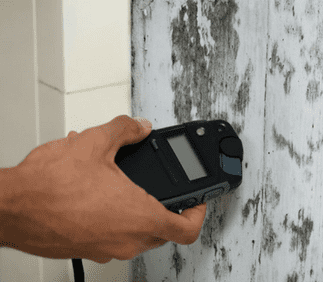
From there, the process moves into a five-point protocol: air quality testing to measure airborne spore concentrations, surface swab sampling from suspect areas, moisture level measurement throughout the structure, and infrared thermal imaging to detect hidden mold behind walls and under flooring without tearing anything open. Air samples taken inside the home are compared against outdoor baseline samples — that comparison is what tells you whether what’s inside is actually elevated, not just present.
Everything gets sent to a certified laboratory. When the results come back, you receive a written report that identifies mold species, spore concentration levels, moisture sources, and specific remediation recommendations. That report is formatted to satisfy insurance company requirements and holds up in real estate transactions — which matters when you’re dealing with a property valued well above the Nassau County median. If remediation is needed, we can handle that too, so you’re not starting over with a new contractor mid-process.
Ready to get started?
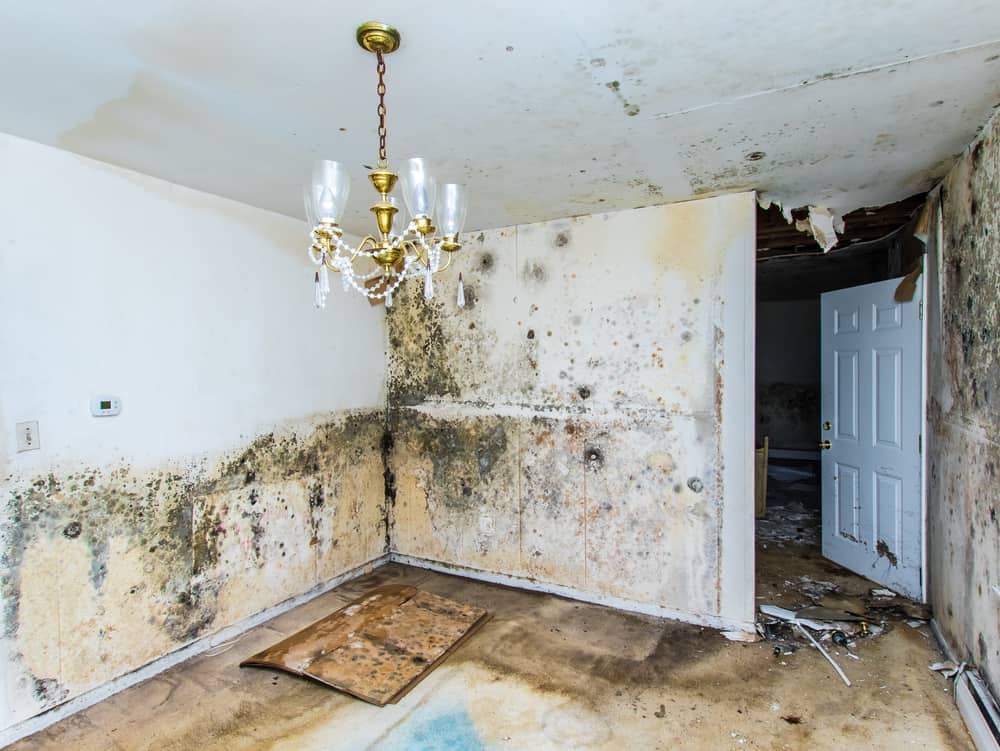
A visual inspection alone misses the mold that actually causes the most problems in Great Neck homes. The colonies growing inside a wall cavity behind a finished basement, the growth tucked under attic insulation in a pre-war Tudor, the moisture damage working its way through a crawl space floor — none of that shows up to the naked eye. That’s why our inspection goes beyond surface-level. Infrared thermal imaging, air sampling, and lab analysis are standard parts of every assessment, not optional add-ons.
For homeowners in Kings Point, Great Neck Estates, or any of the nine villages on the peninsula, the written lab report you receive at the end is the deliverable that actually matters. It documents mold species, spore counts, moisture readings, and a remediation plan — in a format that your real estate attorney will accept before closing, that your insurance company will recognize when processing a post-flood claim, and that a physician can reference if health concerns are part of the picture. At home values that routinely exceed $1 million in this area, that level of documentation isn’t excessive — it’s appropriate.
New York State law requires all mold assessors and remediators to hold a current NYS DOL license under Article 32 of the Labor Law. Fines for unlicensed work can reach $10,000. We carry that license — and it’s worth confirming that any company you hire does too, before they set foot in your home.
It’s more common than most people expect, and the geography is a big reason why. Great Neck is a peninsula surrounded on three sides by water — Little Neck Bay, Manhasset Bay, and Long Island Sound — which keeps ambient humidity consistently elevated compared to inland Nassau County communities. Add in the fact that nearly half the homes here were built before 1950, and you have older building materials, aging plumbing systems, and attic and crawl space configurations that weren’t designed for modern moisture control standards.
The flooding history on the peninsula makes it worse. After events like the 2021 remnants of Hurricane Ida — which flooded Middle Neck Road and overflowed onto the LIRR platform — mold growth in basements, crawl spaces, and wall cavities is a predictable outcome, not a worst-case scenario. Even without a major flood event, slow roof leaks, condensation from temperature differentials in older walls, and inadequate attic ventilation are enough to create the conditions mold needs. If your home is older and you’ve never had a professional mold inspection in Great Neck, it’s not overthinking — it’s overdue.
The industry average for a professional mold inspection runs roughly $300 to $1,000 depending on the size of the property, the number of samples taken, and whether lab analysis is included. For Great Neck, where the median home value sits above $968,000 and many properties are significantly larger than the Long Island average, inspections on the higher end of that range are common — larger homes with more square footage, more complex attic systems, and finished basements require more time and more samples to assess thoroughly.
What you’re really paying for is the lab report at the end. A written, lab-backed assessment that identifies mold species, spore concentrations, and moisture sources is worth considerably more than a verbal opinion or a visual walk-through. It’s the document that holds up with your insurance company, satisfies your real estate attorney before a closing, and gives you something defensible if the situation escalates. For a home worth over a million dollars, the cost of a thorough inspection is a minor line item compared to the cost of discovering a mold problem after the fact.
These terms get used interchangeably, but they’re not the same thing. A mold inspection is the physical assessment — a technician walks your property, looks for signs of water intrusion and mold growth, checks moisture levels, and identifies conditions that support mold development. Mold testing refers specifically to the collection and laboratory analysis of samples — air samples, surface swabs, or both — to confirm the presence of mold, identify the species, and measure spore concentrations.
A complete professional assessment includes both. Inspection without testing gives you an educated opinion. Testing without a proper inspection can miss the source entirely. In a Great Neck home — especially one with a finished basement, an older attic, or a crawl space — you need the full picture. Air samples taken inside the home are compared against outdoor baseline samples to determine whether indoor levels are actually elevated, not just present. That comparison is what makes the results meaningful. Any company offering mold testing in Great Neck, NY without that baseline comparison is giving you an incomplete answer.
At the price points common in Great Neck — where the typical home value is well above $968,000 and many properties push past $1.2 million — skipping a mold inspection before closing is a significant financial risk. A standard home inspection will flag obvious moisture issues, but it won’t tell you what’s growing inside the wall cavities, behind the finished basement walls, or under the attic insulation. Those are exactly the spaces where mold colonies develop in older North Shore homes, and they’re the spaces that a standard inspection misses entirely.
Real estate attorneys in the Great Neck market increasingly require professional mold assessments as part of buyer due diligence, and for good reason. A written, lab-backed report gives you documentation of the property’s condition at the time of purchase — which protects you in any future dispute about pre-existing conditions. If mold is found before closing, you have negotiating leverage. If it’s found six months after you move in, you have a remediation bill and no recourse. A pre-purchase mold inspection in Great Neck is straightforward protection for a significant investment.
Mold can begin growing within 24 to 48 hours of water intrusion — which means the window between a flooding event and the start of a mold problem is very short. Great Neck has experienced documented, significant flooding multiple times, including the 2021 Ida remnants that flooded Middle Neck Road and the LIRR station platform, and a 2025 flash flood that washed out soil and railroad ties near the station. Russell Gardens saw streets covered in feet of water. These aren’t rare occurrences on the peninsula — they’re recurring events.
The right time to call is immediately after the water recedes, not weeks later when a smell develops. The longer moisture sits in a basement, crawl space, or wall cavity, the more established the mold colony becomes — and the more extensive the remediation required. We’re available 24 hours a day, 7 days a week, specifically because post-flood mold inspection in Great Neck is not a situation that can wait until the following Monday. A rapid response limits the growth window and gives you documentation of conditions while the evidence is still fresh — which matters significantly for insurance claims.
Yes — and there’s a real practical advantage to that when the situation calls for it. Some homeowners prefer to use a separate inspector and a separate remediator to eliminate any perceived conflict of interest, which is a reasonable concern. What’s worth knowing is that New York State addresses this at the licensing level: the same company can legally perform both assessment and remediation, and the written report produced during the inspection must be followed as the basis for any remediation work. The process is documented and traceable.
For Great Neck homeowners managing a post-flood situation or a real estate transaction with a tight timeline, working with one company that handles inspection through remediation through restoration means no handoff gaps, no miscommunication between contractors, and no starting over with a new team mid-project. We are licensed by the NYS DOL as both a Mold Assessor and Mold Remediator, which means the inspection findings and the remediation plan come from the same credentialed team. For busy Manhattan commuters living on the peninsula who can’t take multiple days off to manage a rotating cast of contractors, that continuity matters more than most people realize until they’re in the middle of it.
Useful Links
Other Services we provide in Great Neck