
Hear from Our Customers
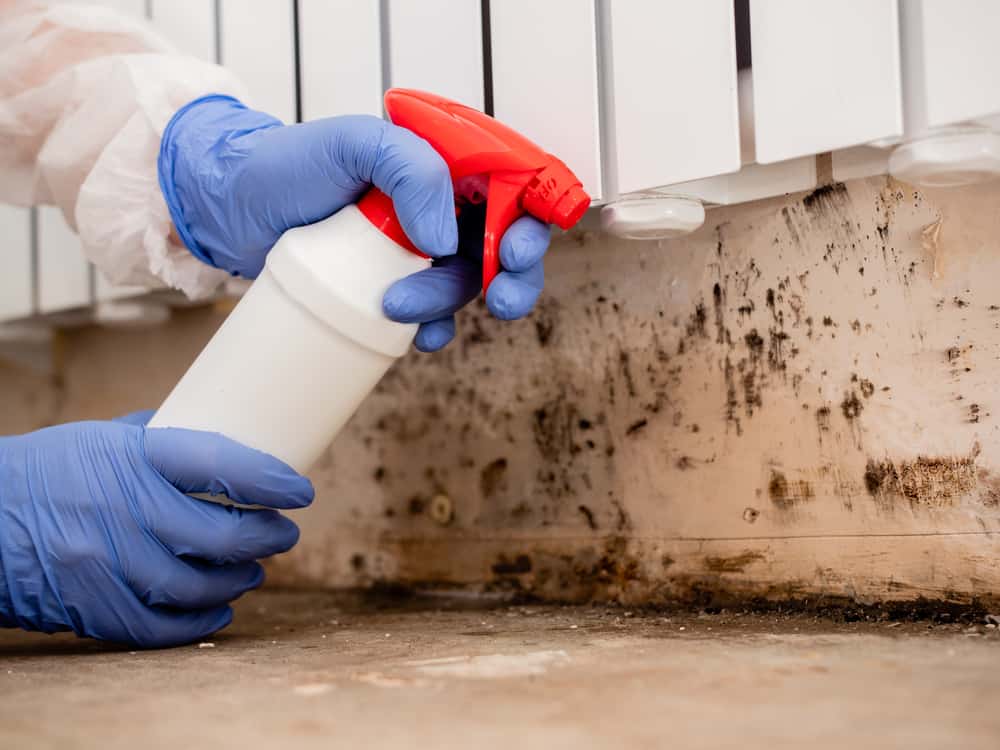
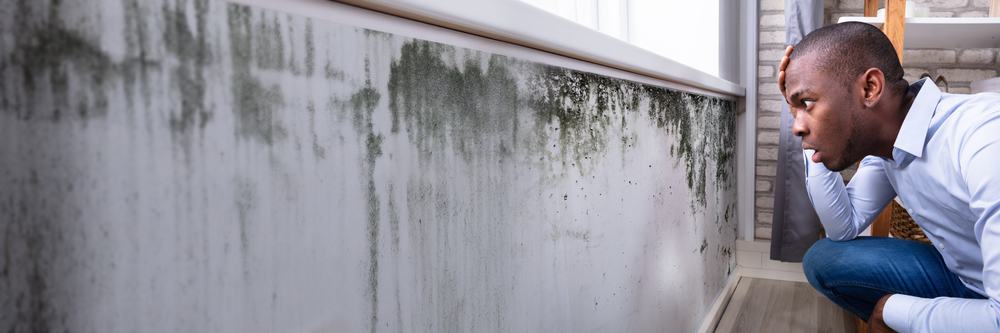
A musty smell in the basement isn’t always “just the basement.” In Lynbrook, where the water table sits close to the surface and Hewlett Bay is less than a mile away, coastal humidity pushes moisture into homes year-round — especially the older ones. When that moisture finds its way into a pre-war foundation with no vapor barrier, or into an attic that was never ventilated properly, mold doesn’t take long to follow.
What you get from a proper mold inspection isn’t just a yes or no. You get a certified lab report that tells you exactly what’s growing, where it’s concentrated, and how serious it actually is. That means no guessing, no worst-case-scenario panic, and no paying for remediation you might not need.
If you’re buying a home near Five Corners or anywhere else in Lynbrook, that report also gives your attorney and real estate agent something concrete to work with before closing. In a market where Lynbrook homes are moving in under 30 days, having that documentation ready isn’t optional — it’s how you protect a six-figure purchase.
We’ve been working in Long Island homes since before most of the current competition existed. That’s not a throwaway line — it means our technicians have inspected hundreds of pre-war homes across Nassau County’s South Shore, including the kind of 1930s Colonials and mid-century Capes that make up the backbone of Lynbrook’s housing stock. We know what these homes do, where they fail, and what to look for.
Every technician we send is IICRC-certified. We hold a current New York State Department of Labor mold assessor license, as required under Article 32 of the NY Labor Law. We’re fully licensed, bonded, and insured — which matters more than most people realize until they’re dealing with an insurance claim or a real estate transaction that needs documentation with legal standing.
We maintain a dedicated Nassau County line at 516-698-1776. When you call, you’re reaching a team that already knows your area.
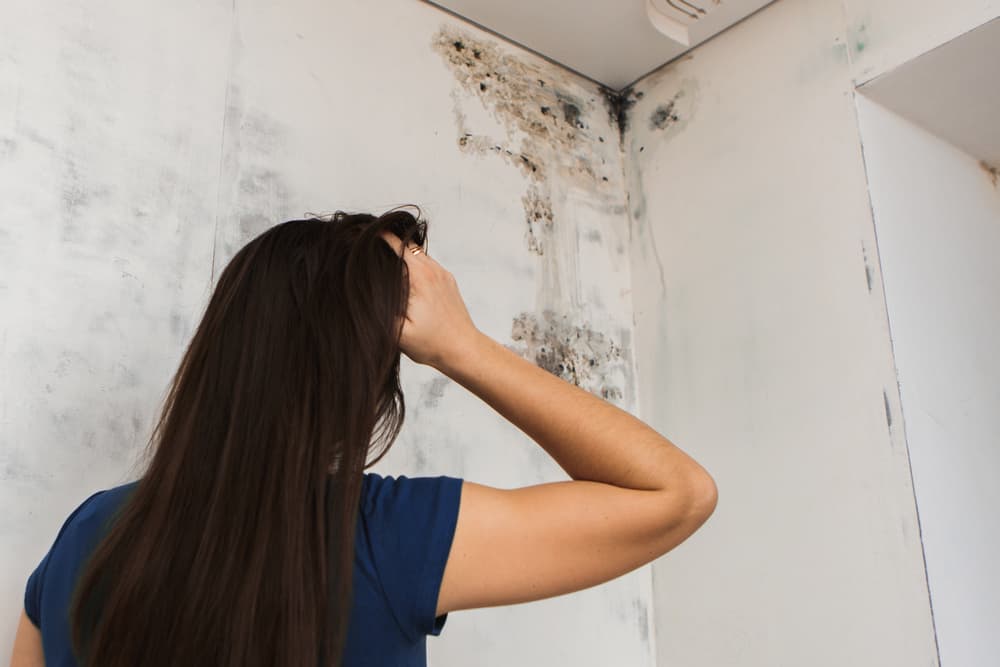
When we arrive at your Lynbrook home, we’re not doing a quick walkthrough and calling it done. Our inspection follows a five-point protocol built around finding mold where it actually hides — not just where it’s visible.
We start with air testing to measure spore concentration in your living spaces, then move to swab and tape-lift surface sampling on any suspect areas. From there, we conduct a full water intrusion inspection to identify the moisture source — because without finding the source, any remediation is temporary. Moisture level readings are taken throughout the home using calibrated meters, and infrared technology scanning covers the wall cavities, attic space, and basement areas where mold colonizes without ever showing itself on the surface.
In Lynbrook specifically, we pay close attention to basements and attics in homes built before 1950. The foundation construction of that era doesn’t include modern waterproofing, and the attic ventilation systems in pre-war homes were never designed to handle the humidity levels a South Shore location produces. Every sample we collect goes to a certified lab. You receive a written report with species identification, spore counts, an internal-versus-external air comparison, and specific next-step recommendations — the kind of documentation that holds up for insurance claims, real estate closings, and landlord-tenant situations.
Ready to get started?
Our inspection covers air quality testing, surface sampling, moisture measurement, water intrusion analysis, and infrared scanning for hidden mold — all in a single visit. Every sample is processed by a certified laboratory, and the written report you receive includes the lab results, mold species identification, spore concentration levels, and a direct comparison between the air inside your home and the air outside. That comparison is what tells you whether what’s in your home is actually a problem or just ambient outdoor spore levels.
New York State law under Article 32 requires that mold assessment and mold remediation on the same job be performed by separately licensed entities. We hold a current NYS DOL mold assessor license, which means your inspection report carries the legal weight that unlicensed inspectors simply cannot provide. For Lynbrook homeowners dealing with insurance adjusters, real estate attorneys, or tenant disputes, that distinction is significant.
If remediation is recommended after your inspection, we can walk you through what that process looks like and what to expect — without any pressure to move forward with us specifically. Our job during the inspection is to give you an honest picture of what’s in your home. Whether you’re in a pre-war single-family on a quiet residential block or a converted two-family near Sunrise Highway, the report you get will be specific to your property, not a generic checklist.
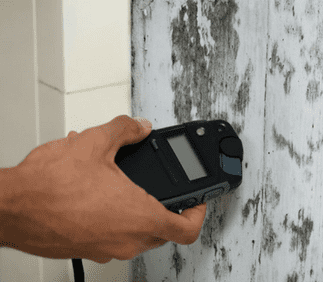
Most professional mold inspections run between $300 and $1,000 depending on the size of the home and how many areas need to be sampled. For a typical Lynbrook single-family home — which tends to be older and often includes a basement, attic, and one or more converted spaces — you’re generally looking at the middle of that range when a full five-point inspection with lab analysis is included.
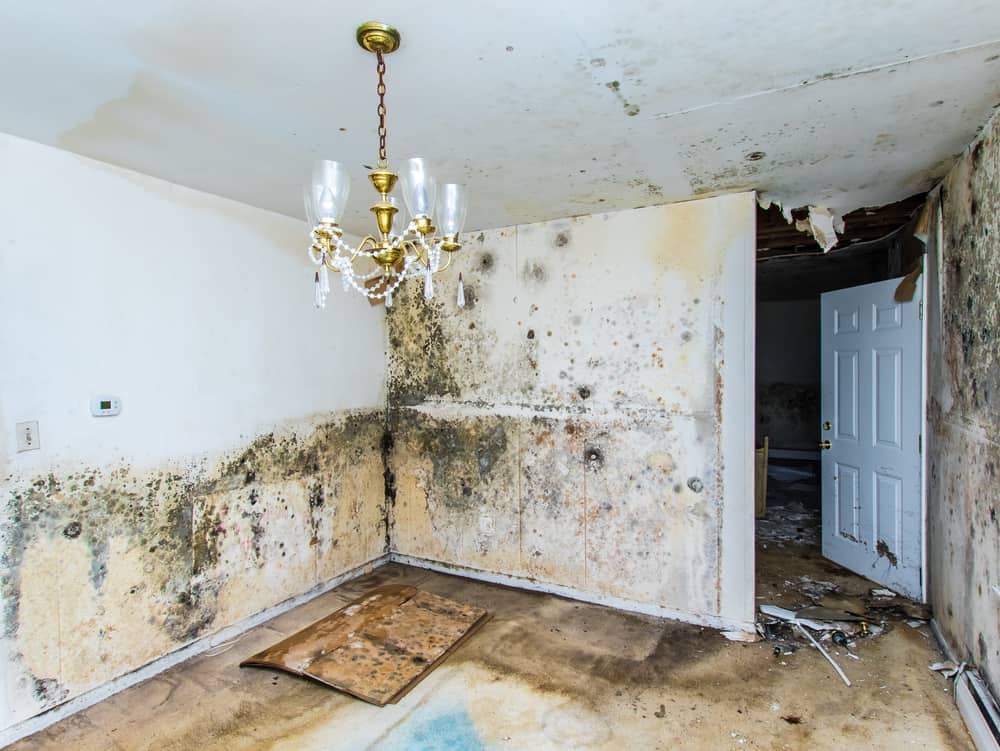
The more relevant number to keep in mind is what mold remediation costs if a problem goes undetected. Moderate infestations typically run $1,500 to $5,000. Extensive cases — the kind that develop behind walls in pre-war homes with chronic moisture issues — can reach $20,000 or more. A thorough inspection now is a fraction of that cost, and it tells you exactly what you’re dealing with before the problem gets worse.
The most common triggers are a persistent musty smell (especially in the basement or attic), visible discoloration on walls or ceilings, a recent flooding event, or unexplained respiratory symptoms in people spending time in the home. In Lynbrook, sump pump failure during a nor’easter is one of the most frequent causes of basement flooding — and mold can begin growing within 24 to 48 hours of water sitting in a space.
The trickier situations are the ones with no obvious signs at all. Pre-war homes with original galvanized plumbing can develop slow leaks inside wall cavities that go unnoticed for years. By the time there’s a visible stain or a smell, the mold colony is already well-established. If your Lynbrook home was built before 1960 and has never had a professional mold assessment, that alone is a reasonable reason to schedule one.
In New York State, anyone performing mold assessment for compensation is required to hold a license issued by the NYS Department of Labor under Article 32 of the NY Labor Law. This requirement has been in place since January 1, 2016, and fines for unlicensed mold work can reach $10,000 per violation. That means hiring an unlicensed inspector doesn’t just put you at risk of a bad assessment — it means the report you receive has no legal standing.
For Lynbrook homeowners using the inspection for a real estate transaction, an insurance claim, or a landlord-tenant situation, the licensing matters. Your attorney, your adjuster, or a housing court will look at who signed the report and whether they were authorized to do so. We hold a current NYS DOL mold assessor license, and every inspection report we produce is backed by that credential.
Yes — and it happens more often than most homeowners expect. Attic mold in pre-war homes is one of the most commonly missed problems during standard home inspections, largely because attic ventilation systems in homes built before 1940 were not designed to handle the humidity levels that a South Shore location produces. When warm, moist air gets trapped in an under-ventilated attic during winter months, it condenses against the cold roof sheathing and rafters. That moisture, combined with original wood framing, creates ideal conditions for mold growth that can spread across the entire attic floor before anyone notices.
The infrared scanning component of our mold inspection is specifically designed to detect these temperature and moisture differentials in areas that aren’t visible to the naked eye. If your Lynbrook home has an original roof structure and hasn’t had an attic assessment in the last several years, it’s worth having it checked — especially before listing the property or going under contract on a purchase.
A DIY test kit can confirm that mold spores exist in your home — which is true of virtually every home on the planet. What it cannot tell you is what species is present, what the concentration is, where the source is, or whether the levels inside your home are elevated compared to normal outdoor air. Without that context, the result is essentially meaningless for making any real decision.
Our professional mold inspection includes certified laboratory analysis, an internal-versus-external air comparison, moisture source identification, and a written report with specific findings and recommendations. That’s the difference between knowing mold exists somewhere and knowing what you’re actually dealing with. For a Lynbrook homeowner with a pre-war home and a real estate transaction or insurance claim on the line, a hardware store kit doesn’t come close to providing what you need.
If the home was built before 1970 — which describes the vast majority of Lynbrook’s housing stock — a professional mold inspection before closing is a smart move. Standard home inspectors are not mold assessors. They can flag visible concerns, but they’re not equipped to test air quality, collect samples for lab analysis, or identify hidden mold in wall cavities or attic spaces. Those are separate disciplines requiring separate credentials.
Lynbrook’s real estate market has been moving fast, with homes selling in under 30 days on average. That compressed timeline can create pressure to skip additional inspections, but a $600 to $800 mold assessment on a $700,000 purchase is not where you want to cut corners. If the inspection finds something, you have documentation to negotiate with. If it comes back clean, you close with confidence. Either way, you’re making a fully informed decision on one of the largest purchases of your life.
Useful Links
Other Services we provide in Lynbrook