
Mold Inspection in Belle Terre, NY
When the Sound's Air Gets Inside Your Walls

Hear from Our Customers
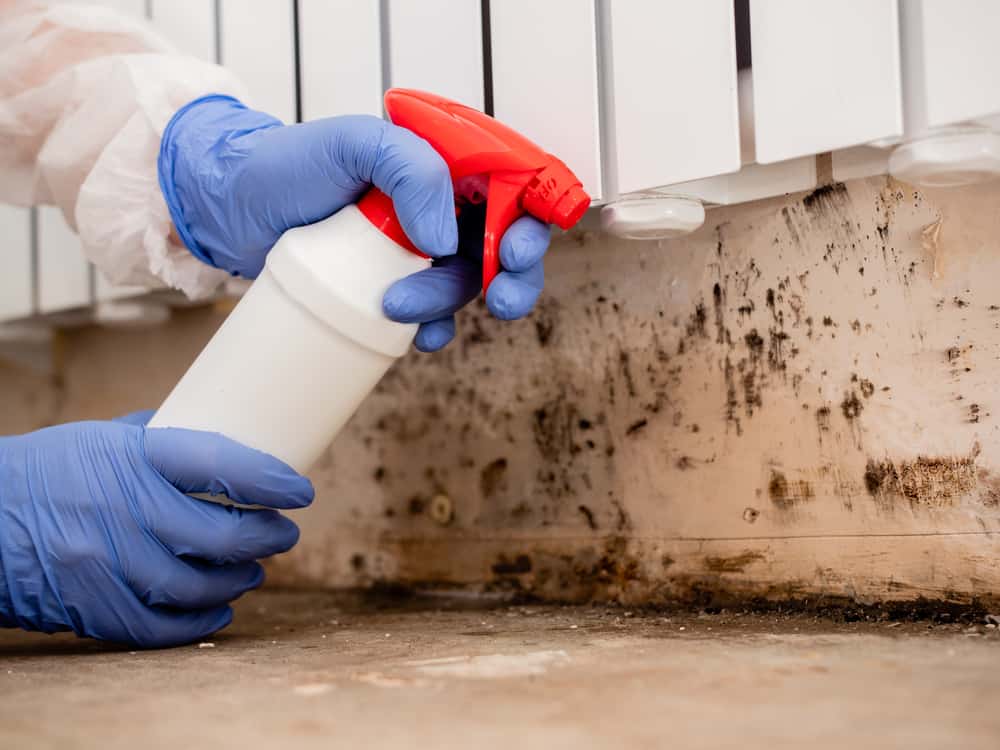
Residential Mold Detection, Belle Terre NY
Most Belle Terre homeowners who call us don’t have a visible mold problem. They have a feeling a musty smell in the basement, a family member whose allergies won’t quit, or a nagging sense that the moisture they’ve been managing for years finally caught up with them. That feeling is usually right.
Belle Terre sits on the Mt. Misery Peninsula with water on three sides Port Jefferson Harbor to the east, the Long Island Sound to the north and west. That kind of sustained coastal exposure doesn’t just affect your outdoor furniture. It works its way into wall cavities, attic spaces, and crawl areas where humidity accumulates quietly for months before anyone notices. Salt air off the Sound also accelerates the breakdown of exterior seals, caulking, and flashing which opens pathways for moisture that didn’t exist when the home was built.
What a thorough mold inspection gives you is clarity. You stop guessing. You know exactly what’s in the air your family is breathing, where the moisture is coming from, and what if anything needs to happen next. For a home worth $1 million or more in one of Suffolk County’s most established villages, that clarity isn’t optional. It’s the responsible move.
Mold Inspection Company, Belle Terre NY
We’ve been serving Suffolk County homeowners since the early 1990s long before mold inspection was a regulated industry in New York State. That kind of tenure means something in a market like Belle Terre. You don’t stay in business on Long Island’s North Shore for three decades by overstating findings or cutting corners on a job.
We’re owner-operated out of West Babylon, with a dedicated Suffolk County line at 631-587-5300. Every technician who comes to your Belle Terre home carries IICRC certification not just the person who answered the phone. And because New York State has required licensed mold assessors and remediators since January 1, 2016 under Article 32 of the Labor Law, we hold both licenses. That’s not standard across every company advertising in the Port Jefferson area. It should be, but it isn’t.
If the inspection finds something, the same team that identified it can remediate it and rebuild if needed. One call, one company, start to finish.
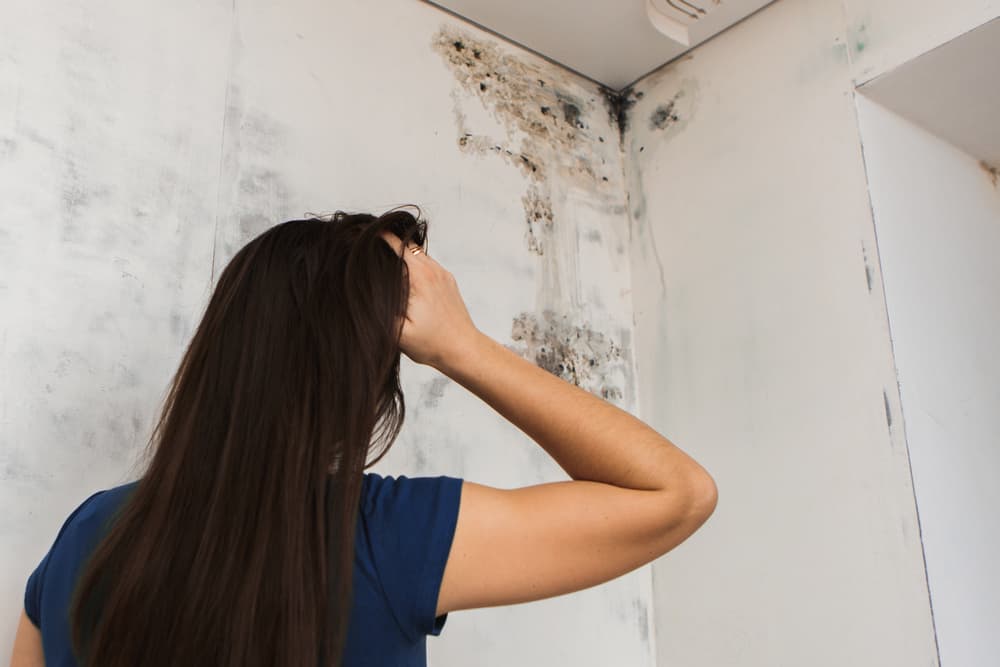
How Mold Assessment Works, Belle Terre NY
The inspection starts with a walkthrough not a cursory glance, but a structured assessment of the areas most vulnerable to moisture intrusion in a coastal peninsula home. Attic spaces, crawl areas, basement walls, window seals, and any location with a history of water contact all get attention. From there, we use infrared thermal imaging to detect moisture and mold activity behind walls and under flooring places a visual inspection will never reach. In Belle Terre, where older homes were sometimes built as seasonal retreats before modern vapor barriers were standard, what’s inside the walls matters as much as what’s visible.
Air samples and surface swab samples are collected and sent to an accredited laboratory. This isn’t an in-house test or a consumer kit it’s certified lab analysis that identifies specific mold species, measures spore concentrations against outdoor control samples, and produces documentation that holds up for insurance claims, real estate transactions, and legal purposes. We measure moisture levels with calibrated equipment, and every identified source is photographed and documented.
When the results come back, you get a written report in plain language not raw data. It tells you what was found, where it came from, and what the recommended next steps are. If remediation is needed, we can begin that process directly. If any structural work follows removing and replacing mold-damaged materials a building permit from Belle Terre’s village Building Inspector will be required, and we handle that process as part of the project.
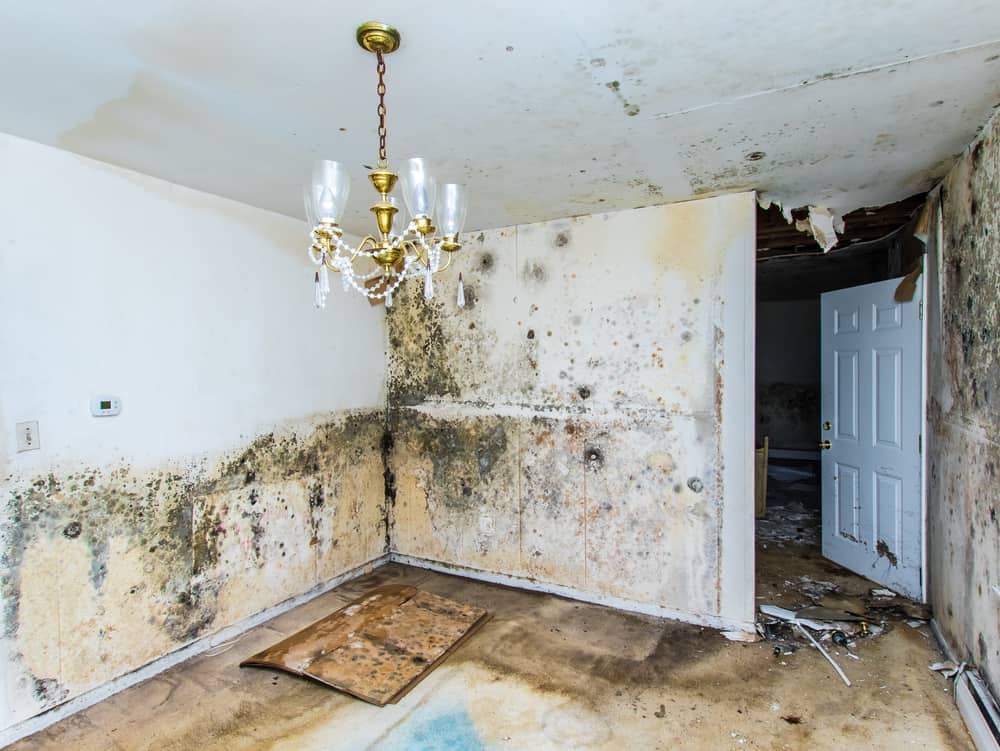
Ready to get started?
Mold Testing Services, Belle Terre NY
Our inspection covers five documented areas: airborne spore sampling, surface swab collection, water intrusion source assessment, moisture level measurement, and full photographic documentation of any mold identified. We include infrared thermal imaging to detect hidden mold behind walls, ceilings, and flooring a critical component for Belle Terre’s older housing stock, where homes built before modern moisture management standards are far more susceptible to concealed growth inside wall cavities.
All samples go to a certified, accredited laboratory. The results come back with mold species identification, spore count data relative to outdoor control samples, and a clear picture of whether indoor air quality has been compromised. That level of documentation matters here Belle Terre homeowners dealing with storm-related water intrusion, pre-sale disclosures, or post-remediation clearance verification need findings that an insurance adjuster or real estate attorney can actually use.
Because Belle Terre is a fully self-governing village with its own building code and building inspector, any remediation work that involves structural changes removing mold-contaminated drywall, insulation, or framing requires a permit and a certificate of occupancy upon completion. We’re familiar with that process and manage it as part of the overall scope. From the first air sample to the final clearance test, you’re working with one licensed, insured team not coordinating between three separate contractors.
Does living near Port Jefferson Harbor actually increase my mold risk?
Yes and it’s not a minor factor. Belle Terre’s position on the Mt. Misery Peninsula means your home is exposed to sustained humidity from the Long Island Sound and Port Jefferson Harbor simultaneously. That kind of persistent coastal moisture doesn’t just stay outside. It works into building envelopes through degraded caulking, aging window seals, and compromised flashing all of which break down faster in salt air environments than they would inland.
What makes this particularly relevant for Belle Terre is the housing stock. Many homes here were originally built as seasonal or summer properties, with construction standards that didn’t account for year-round occupancy or modern moisture management. When those homes are used year-round, the gap between what the building envelope can handle and what the coastal environment delivers tends to show up inside wall cavities and attic spaces exactly where mold establishes itself before anyone notices it at the surface level.
What's the difference between mold testing and a mold inspection which one do I need?
Mold testing refers specifically to collecting samples air or surface and sending them to a lab to identify what’s present and at what concentration. A mold inspection is a broader process that includes the physical assessment of your home: identifying moisture sources, measuring humidity levels, using infrared imaging to detect hidden problem areas, and then collecting samples as part of that larger evaluation.
If you only run a test without the inspection component, you might confirm that mold exists but you won’t know where it’s coming from or how far it’s spread. For a Belle Terre property, where moisture can infiltrate from multiple directions and hide inside older wall systems, the full inspection is what gives you actionable information. A test result alone tells you something is there. An inspection tells you what to do about it.
How long does a mold inspection take for a larger Belle Terre home?
For a typical single-family home, a thorough inspection runs between two and four hours. For the larger estates in Belle Terre multi-story homes with complex attic configurations, finished basements, crawl spaces, and multiple HVAC zones plan for the longer end of that range, sometimes more. The size of the home matters, but so does its construction. Older homes with less accessible wall cavities or non-standard framing take more time to assess properly, and rushing that process is how things get missed.
After the physical inspection and sample collection, lab results typically come back within a few business days. The written report follows once the lab analysis is complete. If you’re working against a real estate transaction timeline which is common in Belle Terre given the active market it’s worth scheduling the inspection as early in the process as possible to allow enough time for results before any deadlines.
Is mold inspection in Belle Terre, NY required before selling a home?
New York State does not mandate a mold inspection as a legal requirement before listing a property. However, New York’s property disclosure laws require sellers to disclose known material defects and mold that has caused structural damage or poses a health risk qualifies. If you know about a mold problem and don’t disclose it, you’re exposed to significant legal liability after the sale.
More practically, buyers purchasing a home in Belle Terre at current price points median sale prices are running around $1.35 million, with some properties well above that are going to conduct thorough due diligence. If a buyer’s inspector finds mold that you weren’t aware of, it can kill the deal or force a renegotiation that costs you far more than an inspection would have. Getting a pre-listing mold inspection gives you the chance to address anything before it becomes a transaction problem, and it gives buyers documented confidence that the property has been assessed by a licensed professional.
Can mold grow inside my HVAC system, and how would I know?
It can, and it’s more common in coastal homes than most people realize. During Long Island’s humid summer months, the cycling between air-conditioned interior air and the warm, moisture-heavy air coming off the Long Island Sound creates condensation inside air handling units and ductwork. If that condensation isn’t properly managed and in older systems, it often isn’t it creates a mold-friendly environment that then distributes spores throughout the entire home every time the system runs.
The frustrating part is that HVAC mold doesn’t always produce a visible sign. You might notice a musty smell when the system kicks on, or you might not notice anything at all while spore counts in your living areas climb. Air sampling during a mold inspection captures what’s actually circulating in your home’s air, which is often the first clear indicator that the HVAC system is a source. If the results point in that direction, the inspection report will identify it and outline what needs to happen next.
What happens if the inspection finds mold what are my next steps?
The written report you receive will tell you specifically what was found, where it’s located, what species were identified, and what the recommended remediation approach is. From that point, you have a documented, lab-verified starting point not a verbal assessment or a vague estimate.
If remediation is needed, we can move directly into that phase without you having to source a separate contractor. That matters in Belle Terre because remediation work that involves removing mold-contaminated materials drywall, insulation, structural framing requires a building permit from the village’s own Building Inspector and a certificate of occupancy once the work is complete. Having the same licensed team handle both the inspection findings and the remediation scope means the documentation stays consistent and the permit process doesn’t create delays or gaps in accountability. Once remediation is finished, a clearance test confirms the work was effective before the project is closed out.
Useful Links
Other Services we provide in Belle Terre