

Hear from Our Customers
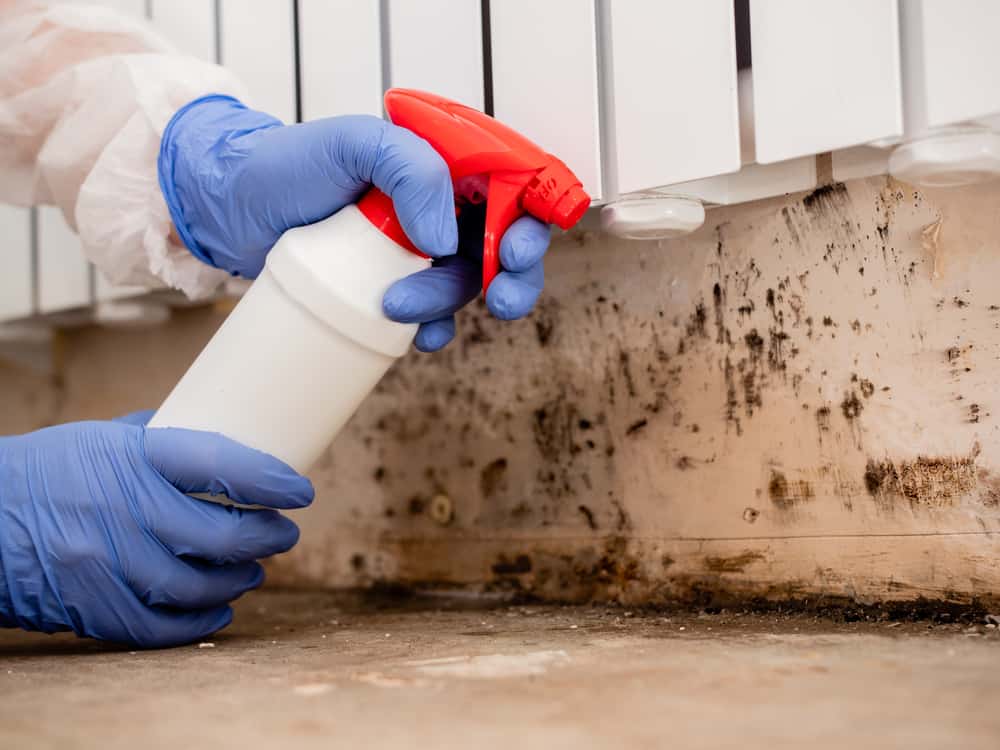
Most mold problems in Coram don’t start with a dramatic flood. They start quietly — a slow leak behind a bathroom wall, moisture wicking through a basement foundation that’s been there since the 1960s, or condensation building up in attic insulation that was never designed for Long Island’s summer humidity. By the time you smell it or see it, it’s usually been growing for a while.
That’s the reality of living in a mid-century ranch or Cape Cod in central Suffolk County. The housing stock here is 40 to 70 years old, and older construction means original plumbing, minimal vapor barriers, and insulation that absorbs moisture instead of repelling it. These homes have character — but they also have vulnerabilities that newer builds simply don’t.
A thorough mold inspection gives you a clear, documented picture of what’s actually happening inside your home’s structure — not just what’s visible on the surface. You’ll know whether that musty smell is a minor issue or something that needs immediate attention, and you’ll have the lab-verified results to back up whatever decision comes next, whether that’s remediation, an insurance claim, or a real estate transaction.
We’ve been working in Nassau and Suffolk County homes since before most of the mold companies showing up in your search results existed. That’s not a small distinction. Thirty-one years of actual work — inside the postwar ranches and split-levels that line the streets off Middle Country Road in Coram, through every major storm event Long Island has produced, and across every seasonal mold cycle this region runs — is a track record that a franchise or a startup simply cannot replicate.
Every technician who comes to your Coram home is IICRC-certified. Not just the owner — every technician. We also hold both the NY State Mold Assessor License and the Mold Remediator License, as required by the NY Department of Labor since 2016. You can verify both through the state’s online contractor search. And if the inspection finds something that needs to be fixed, you won’t need to find a second company to do it — we handle remediation and reconstruction too, from start to finish.
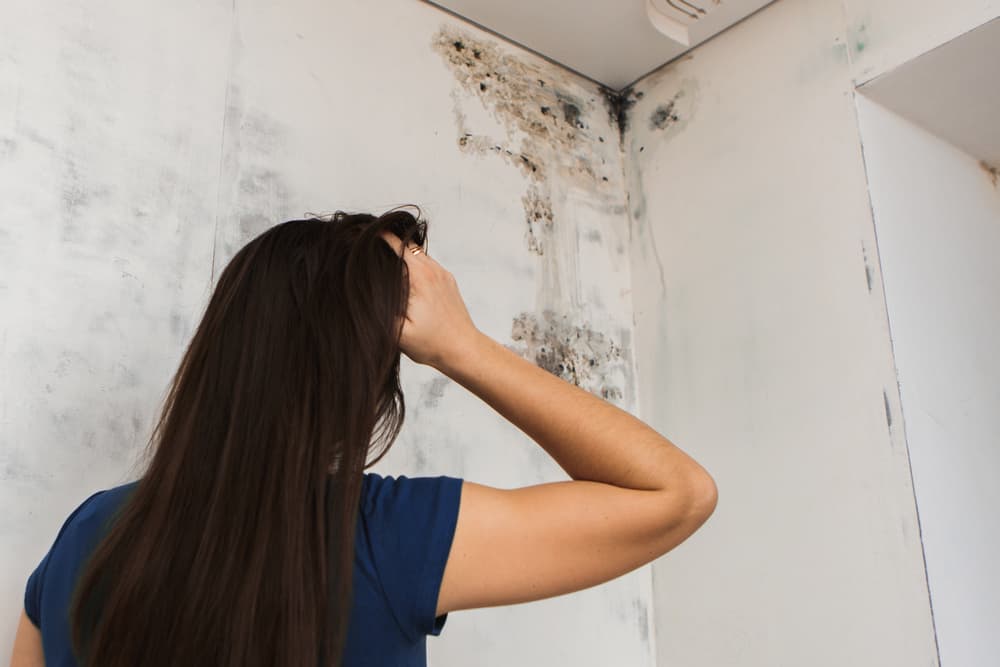
The inspection starts with air testing — drawing airborne samples from inside your home and comparing them against an outdoor control sample taken from your property. That comparison matters more in Coram than people realize. The hamlet sits adjacent to the Long Island Central Pine Barrens, and ambient outdoor spore counts in this area can be naturally elevated during fall and spring. Without that indoor-versus-outdoor baseline, you can’t accurately tell the difference between environmental background levels and a genuine indoor mold problem.
From there, we collect surface swab samples from any visible or suspected mold growth. Calibrated moisture meters measure moisture levels in walls, floors, and ceilings — because elevated moisture is almost always the root cause, and finding it means finding where the problem actually starts. Infrared thermal imaging goes a step further, detecting temperature differences inside wall cavities, beneath flooring, and behind ceilings that signal hidden moisture or active mold growth without tearing anything open.
Every sample goes to an accredited laboratory for analysis. When the results come back, you receive a written report in plain language — specific mold species identified, spore counts compared to outdoor levels, moisture source findings, and clear recommended next steps. No raw lab data to decode on your own. If remediation is warranted, we can also handle the insurance documentation and communication with your carrier from day one.
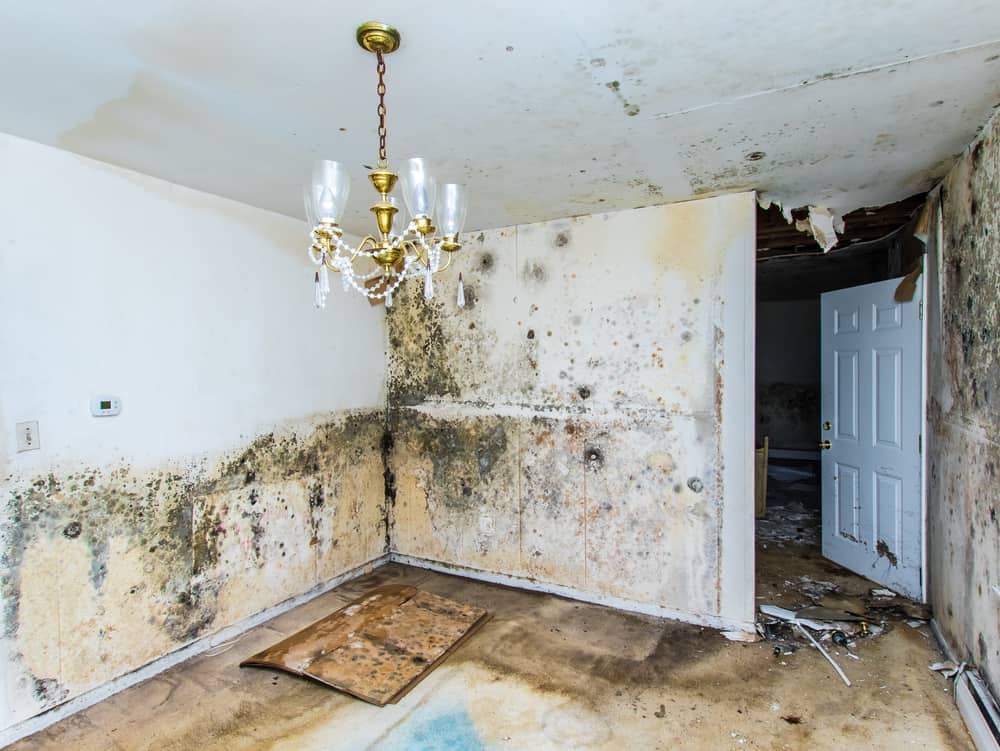
Ready to get started?
A mold inspection in Coram, NY through our team covers five core components: air testing, surface swab sampling, water intrusion inspection to locate the moisture source, moisture level measurement using calibrated meters, and full photographic documentation of every finding. Beyond those five, the inspection also includes infrared thermal imaging for hidden mold detection and a damage assessment that identifies whether any structural materials — drywall, insulation, framing — have been compromised.
For homeowners in the Longwood or Middle Country school district areas buying or selling a home, the written report you receive is the document that holds up in a real estate transaction or an insurance claim. It’s lab-verified, professionally documented, and written clearly enough that you don’t need a specialist to interpret it. That matters when you’re negotiating a sale price, filing a claim after a pipe failure, or simply trying to understand what’s happening in a basement that’s been damp since the last nor’easter came through.
If the inspection reveals a problem, you won’t be handed off to a separate contractor. We handle the full scope — inspection, remediation, and if mold has damaged structural materials, reconstruction. One licensed team, one point of contact, and an insurance liaison who handles the paperwork so you don’t have to manage that on top of everything else.
A general home inspector is looking at the overall condition of a property — roof, structure, electrical, plumbing, HVAC. Mold is not their specialty, and most home inspectors in New York are not licensed mold assessors. They may note visible discoloration or a musty odor and recommend further evaluation, but they’re not equipped to collect air samples, run moisture measurements, or send samples to a lab for species identification.
In Coram’s housing market, where a lot of buyers are stretching financially to get into a home that’s already 50 or 60 years old, finding out about a mold problem after closing is an expensive surprise. A dedicated mold inspection — separate from the general home inspection — gives you lab-verified results and a written report you can actually use in negotiations or to require remediation before closing. It’s a few hundred dollars compared to potentially thousands in post-closing remediation costs.
Professionally conducted mold inspections typically run between $300 and $1,000 depending on the size of the home and the scope of testing involved. For a mid-size ranch or Cape Cod — which describes a large portion of Coram’s residential stock — you’re generally looking at somewhere in the middle of that range when air testing, surface sampling, moisture measurement, and infrared imaging are all included.
The more useful way to frame the cost is against the alternative. Full mold remediation in a Suffolk County home can run anywhere from $1,500 to $20,000 or more depending on how far the mold has spread. Home values can drop 20 to 37 percent when mold is discovered during a sale. An inspection is the cheapest possible step — it either gives you peace of mind or catches a problem early enough that addressing it costs far less than waiting would have.
The most common signs homeowners in Coram notice are a persistent musty smell — especially in basements, crawl spaces, or finished lower levels — visible dark spots on drywall, around window frames, or on bathroom ceilings, and unexplained respiratory symptoms that don’t resolve seasonally. If someone in your home has been dealing with congestion, coughing, or allergy-like symptoms that seem tied to being indoors, mold is worth ruling out.
What makes Coram homes particularly susceptible is the combination of age and construction type. The postwar ranch and Cape Cod homes that dominate the hamlet were built without modern vapor barriers, with original plumbing that has now been in place for 50 to 70 years, and with insulation materials that absorb and hold moisture. Basement moisture intrusion is especially common here — the sandy soil in central Suffolk County can allow water to wick through foundation walls slowly and silently, with no dramatic flooding event to alert you that something is wrong.
It’s a fair question, and one worth asking any company you’re considering. The honest answer is that the conflict of interest concern is real when a company has a financial incentive to find problems regardless of what’s actually there. The way to evaluate this is straightforward: look at whether the company provides documented, lab-verified results from an accredited third-party laboratory — not in-house analysis — and whether their written report clearly distinguishes between confirmed mold, elevated moisture without visible mold, and clean results.
We send every sample to an accredited external lab. The report you receive reflects what the lab found, not what would generate the most remediation revenue. And if the results come back clean, that’s what the report says. A company that has been operating on Long Island for 31 years doesn’t stay in business by manufacturing problems. Our reputation in communities like Coram is built on giving homeowners accurate information — not on running up unnecessary remediation scopes.
For a standard single-family home in Coram — a ranch, Cape Cod, or split-level in the 1,500 to 2,500 square foot range — the on-site inspection typically takes two to three hours. That includes air sampling in multiple areas of the home, surface swab collection from any areas of concern, moisture measurement throughout the structure, and infrared thermal imaging of walls, ceilings, and floors where hidden moisture is suspected.
After the on-site work is complete, samples go to the lab, and turnaround time for results is typically a few business days. Once results are back, you receive your written report. If you’re on a timeline — a real estate closing, an insurance claim deadline, or a remediation that’s already been scheduled — it’s worth mentioning that upfront so the timing of the inspection and lab results can be coordinated accordingly. We can walk you through what’s realistic based on your specific situation when you call.
Yes — and attic mold is one of the most commonly missed problems in Coram homes precisely because most homeowners rarely go up there. Attic mold in mid-century construction typically develops from condensation, not a dramatic roof leak. When warm, humid air from the living space rises and meets a cooler attic surface — roof sheathing, rafters, insulation — moisture condenses and accumulates. Over Long Island summers, attic temperatures in older homes can reach extreme levels, and the humidity cycling through these spaces creates ideal conditions for mold growth even without any visible water intrusion.
Poor attic ventilation is the most common root cause, and it’s extremely common in homes built in the 1950s through 1970s in Coram and across central Suffolk County. The ventilation standards of that era simply weren’t designed for the heat loads and humidity levels these homes now experience. An attic mold inspection — including moisture measurement and air sampling — can identify active mold growth, elevated spore counts, and the ventilation or insulation issues driving the problem before it spreads further into the home’s structure.
Useful Links
Other Services we provide in Coram