

Hear from Our Customers
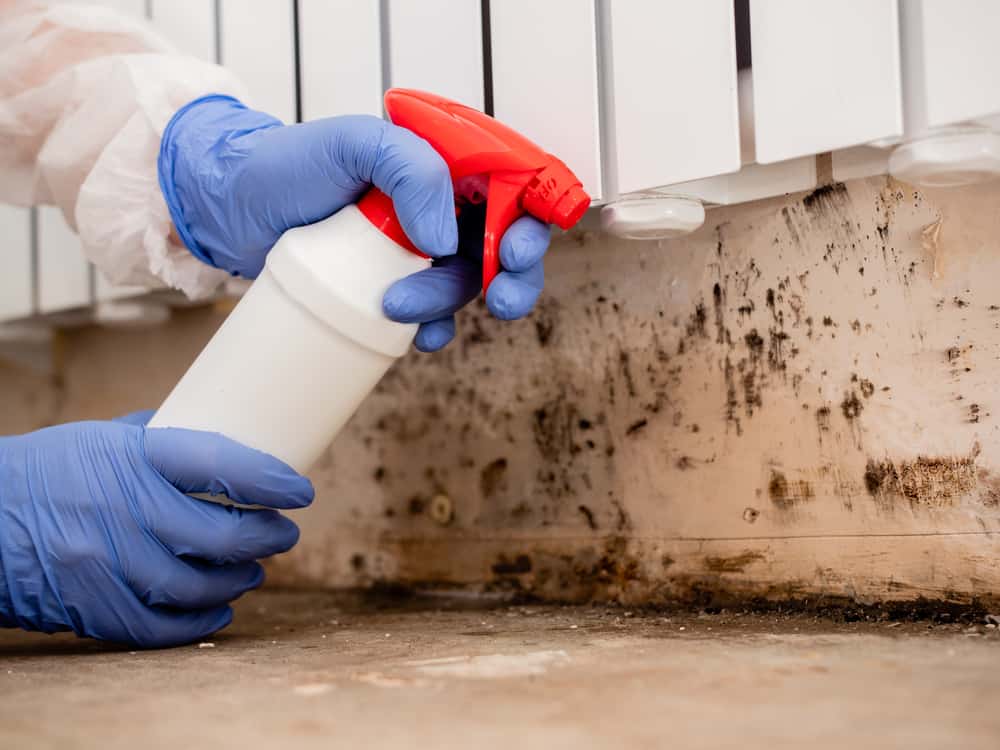
Most East Islip homeowners don’t call about mold because they can see it. They call because something feels off. A family member’s allergies are getting worse. There’s a smell in the basement that comes and goes. The house is older — built in the fifties, maybe earlier — and they’ve always wondered what’s hiding behind the original walls. That uncertainty is exactly what a thorough mold inspection is designed to eliminate.
When you get a proper inspection done, you’re not just getting a yes or no. You’re getting a full picture: where moisture is entering, which areas have active growth, what species are present, and what the air quality looks like compared to outside baseline levels. That information puts you back in control. You know what you’re dealing with, what it’ll take to fix it, and whether your home is safe right now.
For homes near the water in East Islip — whether you’re in the Moorings, near Dock Road, or anywhere else with bay exposure — this matters more than it does in an inland town. Coastal humidity doesn’t let up the way it does further north. It works its way into attic spaces, crawl spaces, and wall cavities season after season. An inspection doesn’t just tell you what’s there today. It tells you where your home is most vulnerable going forward.
We’ve been operating on Long Island for over three decades. That’s not a number we throw around lightly — it means we’ve been in East Islip homes after nor’easters, after Sandy, after the kind of quiet winter pipe bursts that don’t get noticed until spring. We know what South Shore housing looks like from the inside, and we know exactly where mold tends to hide in the older Cape Cods and Colonials that make up most of this neighborhood.
We hold New York State licenses for both mold assessment and mold remediation — both verifiable through the NY Department of Labor. Every technician on our team carries IICRC certification. Not just the owner. Everyone. We’re headquartered in West Babylon, which means when you call, you’re reaching a team that’s already familiar with the bay corridor, the housing stock, and the specific conditions that drive mold problems in communities like East Islip.
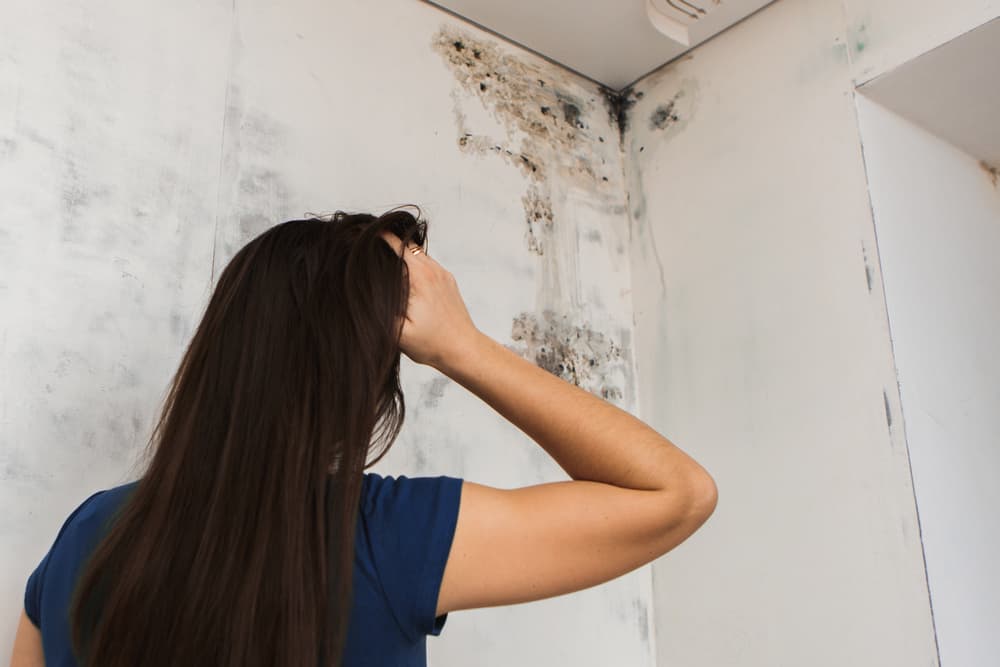
When we arrive at your East Islip home, we’re not doing a quick visual scan and calling it done. The inspection follows a documented five-point process: air sampling for airborne spore counts, surface swab collection, a full water intrusion inspection to identify where moisture is getting in, moisture level measurement throughout the structure, and photographic documentation of every finding. Every sample goes to an accredited laboratory — not an in-house kit, not an estimate.
We also use infrared thermal imaging to detect moisture and mold growth inside wall cavities, beneath floors, and above ceilings. This matters especially in East Islip’s older housing stock, where original plaster walls and decades-old insulation can conceal moisture accumulation that no visual inspection would catch. If your home was built before 1960 — and a significant portion of East Islip’s housing was — there’s a real chance that hidden moisture has had years to develop into something more serious.
Once the lab results are back, you receive a written report in plain language. Not a stack of raw data. A clear document that tells you what was found, where it was found, what it means for your health and your home, and what the recommended next steps are. If remediation is needed, we can handle that too — same company, same accountability, no handoff to a second contractor.
Ready to get started?
A mold inspection in East Islip isn’t a one-size-fits-all service. The Great South Bay creates a humidity baseline that inland Suffolk County communities simply don’t deal with year-round. That’s why our inspections here are built to account for coastal moisture patterns — not just the obvious stuff like a leaking pipe or a flooded basement, but the slower, less visible accumulation that happens in crawl spaces, attics, and behind exterior walls when bay air moves through a home over years.
Beyond the standard five-point inspection, every East Islip job includes an internal-versus-external mold particle comparison to establish whether what’s inside your home is elevated beyond what’s naturally present outdoors. This step is critical for producing a defensible, accurate report — the kind that holds up with an insurance adjuster or a real estate attorney. New York State law requires all mold assessors operating in this state to hold a license issued by the NY Department of Labor, and any legitimate post-remediation clearance test requires documentation from a licensed assessor. We meet both requirements.
If you’re buying a home in East Islip, dealing with storm-related flooding, or just living in a house that’s been around long enough to have accumulated some history, this inspection gives you documented, lab-verified answers. And if the findings require remediation, you don’t need to start over with a new contractor. We handle the full scope — assessment, remediation, and reconstruction if needed — under one roof.
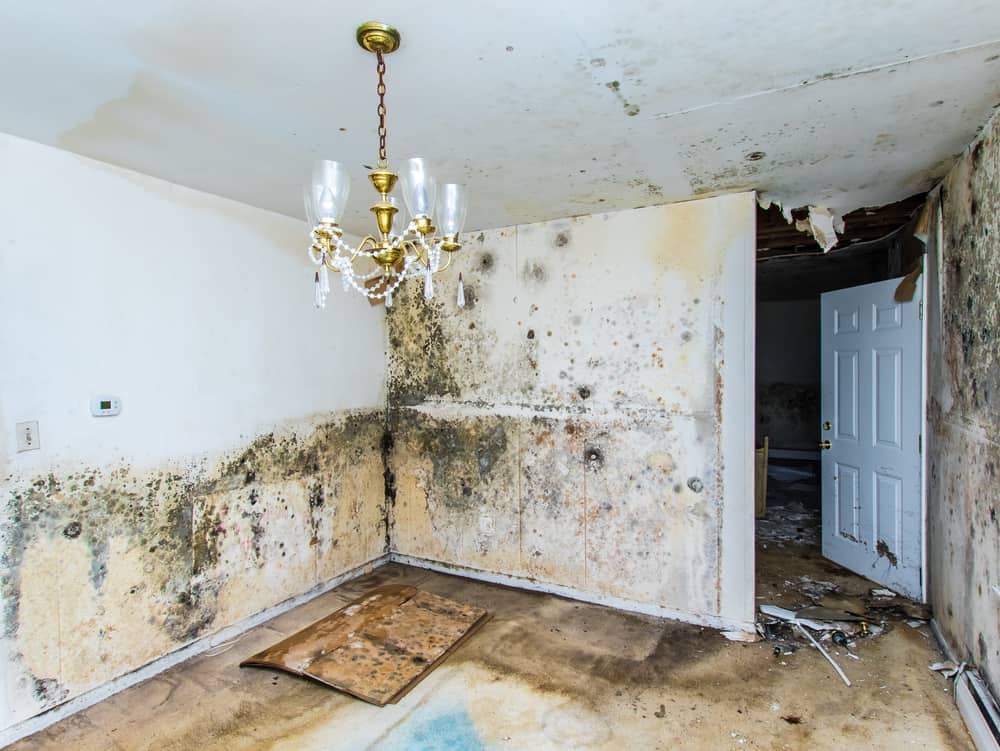
If your basement took on water — whether from storm surge off the Great South Bay, a backed-up sewer line during heavy rain, or runoff from Connetquot Creek — yes, you need an inspection. The reason is timing: mold can begin establishing itself within 24 to 48 hours of a water intrusion event. Even if you dried things out quickly, that window is often enough for spores to take hold in porous materials like drywall, insulation, and wood framing.
The challenge with basement flooding in East Islip specifically is that many homes here were built in the 1950s and 1960s, with materials and construction methods that absorb and retain moisture far more readily than modern builds. A wet-dry vac and a few fans may remove the visible water, but they don’t address what’s already been absorbed into the structure. A professional mold inspection — with moisture measurement and air sampling — tells you definitively whether you’re in the clear or whether remediation needs to happen before the problem spreads.
Mold inspection costs in East Islip typically range from $300 to $700 for a standard residential inspection, depending on the size of the home and the scope of the assessment. Larger properties — particularly the waterfront estates in areas like The Moorings — may require additional sampling points and extended inspection time, which can affect the overall cost. Any inspection that includes infrared thermal imaging, which we use to detect hidden moisture inside walls and ceilings, may also factor into the final price.
What’s worth keeping in mind is the context. East Islip homes carry significant value — median home prices in the area sit around $400,000 — and the cost of a thorough inspection is a small fraction of what an undetected mold problem can cost in remediation, structural repair, or lost value during a sale. A few hundred dollars spent now on a documented, lab-backed inspection can save you from a five-figure remediation scope that grew because the problem wasn’t caught early. We’re happy to discuss what’s involved before you commit to anything.
This is one of the most common questions we get from homeowners in East Islip, and it’s a fair one. Homes built in the 1940s through 1960s — which make up a large share of the housing stock here — were constructed with materials and methods that simply weren’t designed with moisture management in mind. Original plaster walls, older insulation, and wood framing that has experienced decades of minor moisture exposure are all common hiding spots for mold that never shows itself on the surface.
The most reliable way to find it is infrared thermal imaging combined with air and surface sampling. Thermal imaging detects temperature differentials in walls and ceilings that indicate moisture accumulation — even when there’s no visible staining, no odor, and no obvious damage. Air sampling then tells us whether elevated spore counts inside the home confirm active growth somewhere in the structure. If you’ve been dealing with recurring respiratory symptoms, musty smells that seem to come from nowhere, or a home that just feels stuffy regardless of the season, these are worth taking seriously. Hidden mold in an older East Islip home is not a remote possibility — it’s a common finding.
Yes — and in many cases, it’s required before an insurance carrier will process a claim related to mold or water damage. New York State law mandates that mold assessors hold a license issued by the NY Department of Labor, and insurance companies typically require documentation from a licensed assessor before they’ll authorize remediation coverage. A report based on accredited laboratory analysis carries significantly more weight than a verbal assessment or a report from an unlicensed inspector.
For East Islip homeowners dealing with storm-related mold — particularly after events that push bay water into basements or cause roof damage that leads to attic moisture — having a properly documented inspection report is the difference between a smooth claim and a protracted dispute with your adjuster. Our written reports include lab findings, mold species identification, moisture source documentation, and specific remediation recommendations, all in a format that insurance companies and attorneys can work with directly. We also handle insurance company communication throughout the process, so you’re not navigating that on your own.
Mold testing typically refers to the collection and laboratory analysis of air or surface samples — it’s one component of a broader process. A mold inspection is the full assessment: a physical examination of the property, identification of moisture sources and water intrusion points, measurement of moisture levels throughout the structure, photographic documentation, and then the sampling that gets sent to the lab. Testing without inspection gives you data without context. You might know spore counts are elevated, but without a thorough inspection, you don’t know where the mold is, why it’s there, or how far it’s spread.
For a home on the South Shore of Long Island — where coastal humidity, aging construction, and storm surge history all contribute to a more complex mold risk profile than you’d find inland — getting the full inspection matters. Air samples alone won’t tell you that moisture is wicking up through a slab foundation, or that your attic insulation has been accumulating condensation for years. The inspection is what puts the lab data into a picture you can actually act on.
It’s a smart move, and increasingly common among buyers in this price range. A general home inspector covers a lot of ground, but mold is often not their primary focus — and the tools they use aren’t designed for the kind of detailed mold assessment that a licensed mold assessor performs. Given that East Islip homes frequently date back to the 1950s and sit in a coastal environment with documented flooding history, the likelihood of finding some level of moisture-related issue is higher here than in many other communities on Long Island.
A dedicated mold inspection before closing gives you documented, lab-verified information about the property’s condition — information you can use to negotiate, request remediation as a condition of sale, or simply make a more informed decision. If you’re under contract and working within an inspection contingency window, we can typically schedule and complete the inspection quickly so you’re not left waiting. Buying a home in East Islip is a significant financial commitment. Knowing the full picture before you sign is worth the cost of the inspection.
Useful Links
Other Services we provide in East Islip