
Hear from Our Customers

A mold inspection isn’t just about finding discoloration on a wall. It’s about understanding what’s actually happening inside your home — behind the drywall, beneath the floors, up in the attic — and knowing whether the air your family is breathing is clean. That’s what a thorough inspection delivers: clarity, documentation, and a clear path forward.
Halesite’s housing stock skews older. Nearly 30% of homes here were built before 1950, and many of those properties were constructed without modern vapor barriers or sealed building envelopes. Older plaster walls, uninsulated crawl spaces, and original wood framing are all surfaces where moisture accumulates quietly and mold takes hold long before you ever see it. If your home sits anywhere near East Shore Road or along the harbor-facing side of New York Avenue, you’re dealing with a coastal moisture environment that most mold inspectors in the area aren’t specifically calibrated for.
After a proper mold inspection in Halesite, NY, you walk away with lab-verified results, a written report in plain language, and a clear picture of what’s happening and why. No guessing. No vague verbal assessments. Just documented answers — the kind that hold up whether you’re filing an insurance claim, navigating a real estate transaction, or simply making an informed decision about your own home.
First Response Restoration and Cleaning Inc. has been serving Suffolk County homeowners for over three decades. That’s not a number we throw around casually — it means we’ve worked through nor’easters, post-flood calls from homeowners along New York Avenue in Halesite, and the full range of what Long Island’s coastal climate does to older homes over time. We know this market. We know these homes.
We’re based in West Babylon and serve the Town of Huntington directly through our Suffolk County line. Every technician on our team carries IICRC certification — not just the person running the inspection, but everyone who walks through your door. And because New York State requires separate licensing for mold assessment and mold remediation, we hold both — which means we’re accountable at every stage of the process, not just the part that generates the report.
If you’ve been putting off a mold inspection in Halesite, NY because you weren’t sure who to trust, that hesitation makes sense. This isn’t a service where you want to find out later that the company wasn’t properly licensed.
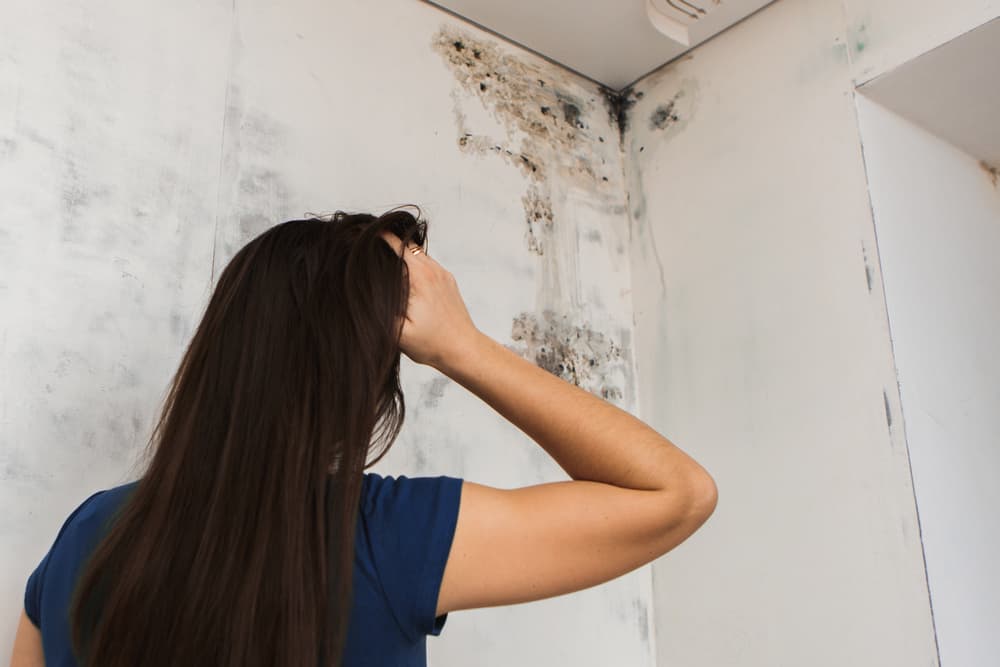
The inspection starts with a full walkthrough — not a quick scan, but a deliberate assessment of the areas where mold is most likely hiding in a home like yours. For Halesite properties, we pay closer attention to basements and crawl spaces near the water table, attic spaces in older homes with inadequate ventilation, and any area that’s had prior water intrusion from storm events or tidal flooding along New York Avenue.
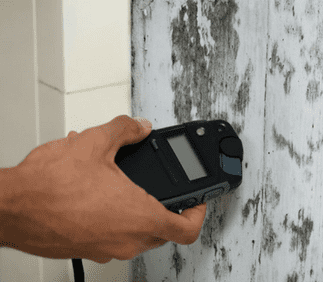
From there, we collect air samples and surface swab samples. Air testing compares indoor spore counts against an outdoor baseline — if what’s inside is significantly higher than what’s outside, that tells us something is actively growing. Swab samples identify the specific mold types present on surfaces. Both go to an accredited laboratory for analysis. We also use infrared thermal imaging to detect moisture behind walls and under floors — areas a visual inspection alone would never catch, and areas that matter a lot in homes built in the 1940s and 1950s with original wall construction.
When results come back, you get a full written report: lab findings, mold types identified, moisture source locations, and specific remediation recommendations written in language you can actually act on. If remediation is needed, we handle that too — same team, same license, no hand-off to a stranger.
Ready to get started?
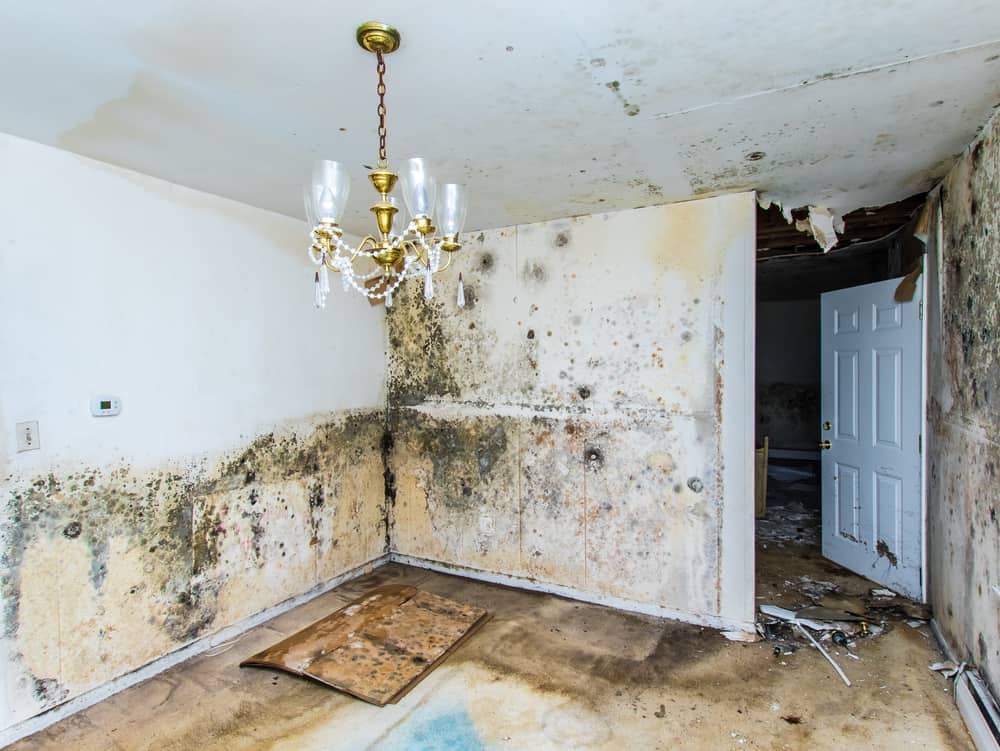
Our mold inspection service in Halesite covers five documented areas: air testing, surface swab sampling, water intrusion inspection, moisture level measurement, and full photographic documentation of every mold source identified. That’s the baseline. On top of that, every inspection includes infrared thermal imaging — a tool that detects hidden moisture and mold activity in wall cavities, ceiling spaces, and subfloor areas that no visual walkthrough can reach.
For Halesite homeowners, a few areas warrant specific attention. Homes along the harbor — particularly those on East Shore Road and near Anchorage Lane — face persistent salt air and elevated ambient humidity that accelerates mold growth on any surface where condensation can form. Properties near Halesite Park that rely on septic systems rather than municipal sewer also face higher groundwater saturation risk, which directly affects basement and foundation moisture levels. And for homes in or near the East Shore Road Historic District, older construction materials require careful handling during both inspection and any follow-on remediation work.
New York State law requires mold assessors and mold remediators to hold separate state-issued licenses. We hold both, verified through the NY Department of Labor. If you’re in a real estate transaction, dealing with an insurance claim, or simply want documentation that will hold up — that licensing distinction matters more than most buyers realize when choosing a mold inspection company in Halesite, NY.
Yes, and it’s not a minor factor. Halesite sits at the northern end of New York Avenue where the road terminates at Huntington Harbor. That proximity means your home is exposed to salt-laden harbor air year-round — and salt air carries moisture that doesn’t behave the same way as inland humidity. It penetrates building materials more aggressively and creates condensation cycles in attics, wall cavities, and crawl spaces that repeat season after season.
On top of that, Halesite has a documented history of flooding along New York Avenue severe enough that New York State invested $18 million in drainage infrastructure — including tidal gates specifically designed to prevent harbor water from backing up into the roadway. Any home that’s experienced even minor flood exposure from a storm event or tidal surge has a real risk of mold development within 24 to 48 hours. If your home is near the water and you haven’t had a mold inspection in Halesite, NY recently, that’s worth addressing sooner rather than later.
Mold inspection costs in the Halesite area generally fall between $300 and $700 for a standard residential inspection, though larger properties or those requiring more extensive sampling can run higher. The more important number to keep in mind is what undetected mold costs — mold issues can reduce a home’s resale value by 20 to 37%, and in a market where Halesite homes are listing near $981,500, that’s not a theoretical risk.
The inspection itself is always the least expensive point in the chain. Finding a mold problem early — before it spreads to structural materials, before a buyer’s inspector finds it during a sale, or before years of hidden growth create a remediation project that runs into the tens of thousands — is where the real financial logic lives. For a home in Halesite, the inspection cost is a small fraction of what you’re protecting.
Homes built before 1950 — and Halesite has a significant concentration of them — were constructed before modern vapor barriers, building wraps, and moisture-resistant insulation became standard practice. That means the most vulnerable areas are typically the attic, where original wood framing and inadequate ventilation create conditions for mold to grow undisturbed for years, and the basement or crawl space, where moisture migrates up through older foundations without the benefit of modern waterproofing.
Wall cavities in homes with original plaster and wood lath construction are also high-risk. Moisture gets in through aging window frames, deteriorating mortar, or simple condensation — and once it’s inside the wall, it stays there. This is exactly why infrared thermal imaging is part of every inspection we do. A visual walkthrough of a 1940s home in Halesite will miss what’s happening inside those walls. The imaging doesn’t.
They’re related but not identical. A mold inspection is the full process — a trained inspector physically examines your home, identifies areas of concern, collects samples, and evaluates moisture sources. Mold testing refers specifically to the laboratory analysis of those samples, which identifies the types and concentrations of mold spores present. Testing is a component of a thorough inspection, not a replacement for it.
Some companies offer testing-only services where they collect samples without the full inspection component. The problem with that approach is that lab results without context — without knowing where the moisture is coming from or what conditions are allowing the mold to grow — don’t give you a path to actually solving the problem. A complete mold inspection in Halesite, NY includes both the physical assessment and the lab-verified results, along with a written report that explains what the numbers mean and what to do about them.
For buyers, a mold inspection in Halesite, NY is one of the most straightforward ways to protect yourself before closing on a property — especially given the age of the local housing stock and the harbor-adjacent moisture environment. A standard home inspection doesn’t include mold testing. If the home you’re buying was built before 1960, sits near the water, or shows any signs of prior water damage, a dedicated mold inspection is worth doing before you’re legally on the hook for whatever’s inside those walls.
For sellers, a clean mold inspection report is a genuine asset in a competitive market. Halesite homes have been moving quickly — median days on market was around 12 days as of late 2024 — but a mold discovery during a buyer’s inspection can kill a deal or force a significant price concession. Getting ahead of that with a pre-listing mold assessment gives you documentation to stand behind and removes one of the most common reasons deals fall apart.
If the inspection identifies mold, the written report you receive will include specific remediation recommendations — not just a lab printout, but an actual explanation of what needs to happen, where, and why. From there, you have a documented basis for next steps, whether that means filing an insurance claim, negotiating repairs in a real estate transaction, or moving forward with remediation.
With First Response, you don’t need to start over with a different company at that point. We hold a New York State mold remediation license in addition to our assessment license, and we handle the full scope of work — remediation, structural repairs, and full reconstruction if the damage has reached that level. For Halesite homeowners dealing with the aftermath of a flood event on New York Avenue or water intrusion in an older harbor-adjacent home, having one licensed team that can carry the project from inspection through completion is a meaningful advantage over piecing together multiple contractors.
Useful Links
Other Services we provide in Halesite