

Hear from Our Customers
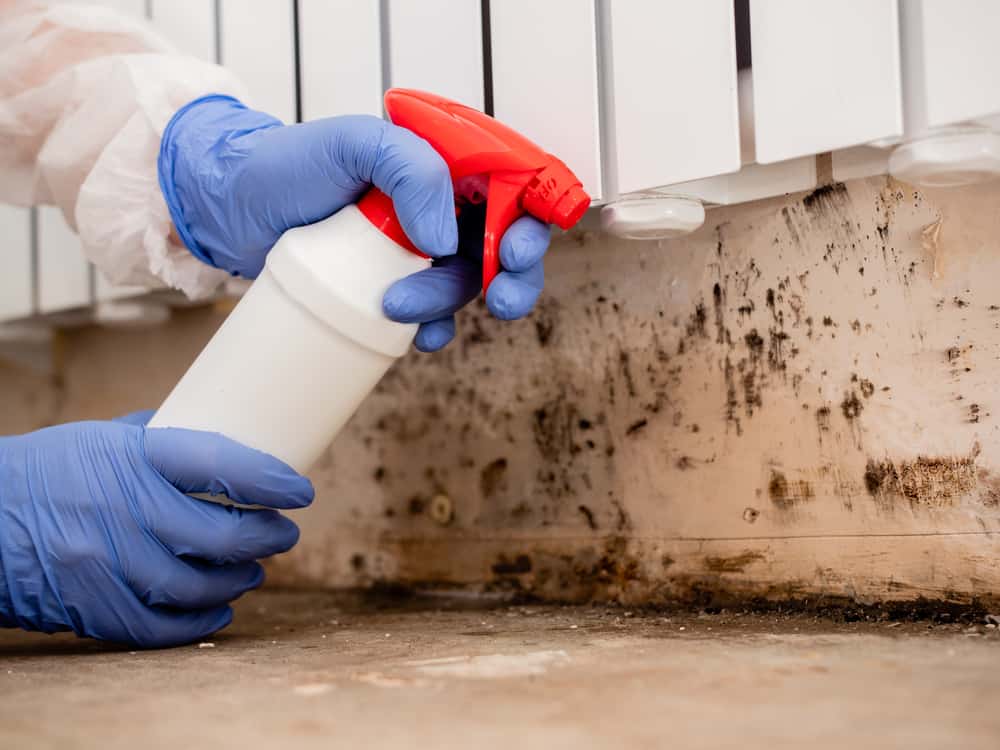
A mold inspection isn’t just about finding mold. It’s about knowing the full picture — what’s there, where it came from, how bad it is, and what needs to happen next. That clarity alone takes an enormous amount of stress off the table, especially when you’re dealing with something that affects your family’s health or the value of your home.
The majority of homes in Holbrook were built in the late 1960s and 1970s, following the Long Island Expressway’s extension through the area. Those homes are now 50 to 60 years old. Original plumbing joints weep. Roof flashings around chimneys fail quietly. Attic insulation settles and ventilation becomes inadequate. These aren’t catastrophic failures — they’re the slow, gradual moisture conditions that create hidden mold over years, sometimes decades. A thorough inspection accounts for all of it.
If you’re buying or selling a home in Holbrook — where the median list price is around $620,000 and homes are moving in roughly 20 days — you don’t have time for surprises. A mold inspection before or during a transaction gives you real information when the stakes are highest. And if you’ve lived in your Holbrook home for years and something just doesn’t smell right in the basement, that’s worth knowing too.
We’ve been serving Holbrook and the surrounding Suffolk County communities for approximately 31 years. This isn’t a franchise with a local phone number or a lead-generation site routing your call to whoever picks up. We’re a Long Island company — owner-operated, licensed, and built on the kind of reputation that only survives three decades when the work actually holds up.
We hold both a New York State Mold Assessor license and a Mold Remediator license — the dual credentials required by New York law since 2016. Every technician on our team is IICRC-certified, not just the owner. That matters when someone is accessing your attic, your basement, or the wall cavities of your Sachem district home and making decisions about what’s there and what to do about it.
From Timber Ridge to the neighborhoods along the LIE service roads, we know what central Suffolk County homes look like from the inside out — because we’ve been working in them for over three decades.
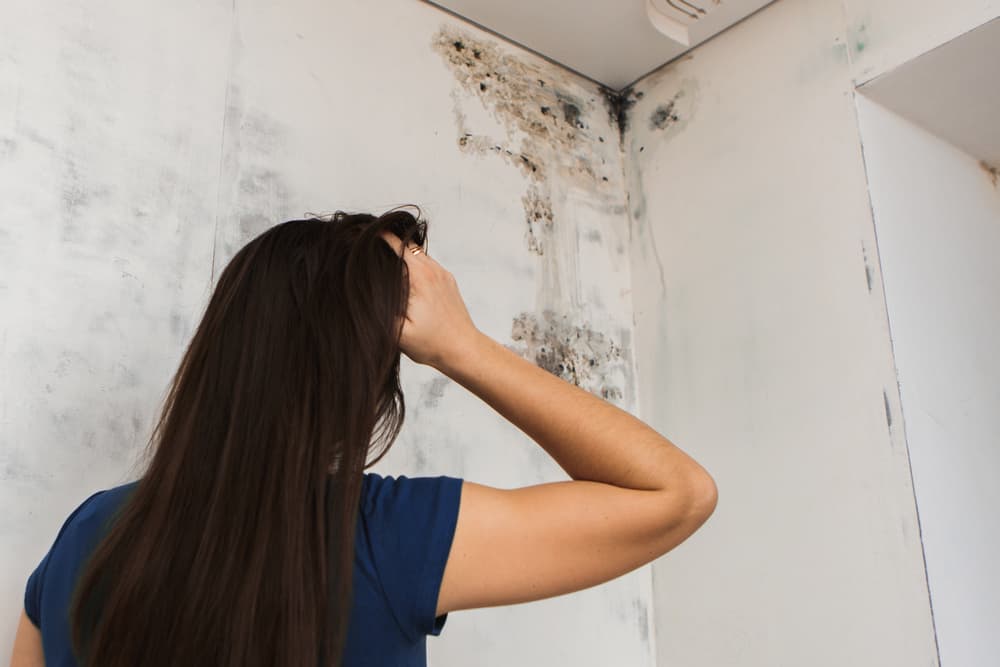
The inspection starts with a full walkthrough — not just the obvious spots, but the areas that get skipped: the attic above the master bedroom, the wall cavity behind the water heater, the rim joists in the basement. We use infrared thermal imaging to detect moisture and temperature differentials behind surfaces that look completely fine to the eye. In homes built during Holbrook’s post-LIE construction boom, this step regularly surfaces problems that a standard visual inspection would miss entirely.
From there, we collect air samples and send them to a certified, accredited laboratory. These aren’t generic test kits — the results identify specific mold species and spore concentrations, and indoor samples are compared against outdoor control samples to give you an accurate baseline. We take surface swab samples where visible growth is suspected. Moisture readings are taken throughout the affected areas to identify the source of the problem, not just the symptom.
New York State law requires that mold assessment and mold remediation be handled by separately licensed entities, and we hold both licenses — which means if remediation is needed, there’s no handoff to an unknown contractor. You get a written report in plain language: what was found, where, what it means, and exactly what the next steps are. If you’re working with an insurance company, we prepare the documentation with that process in mind from the start.
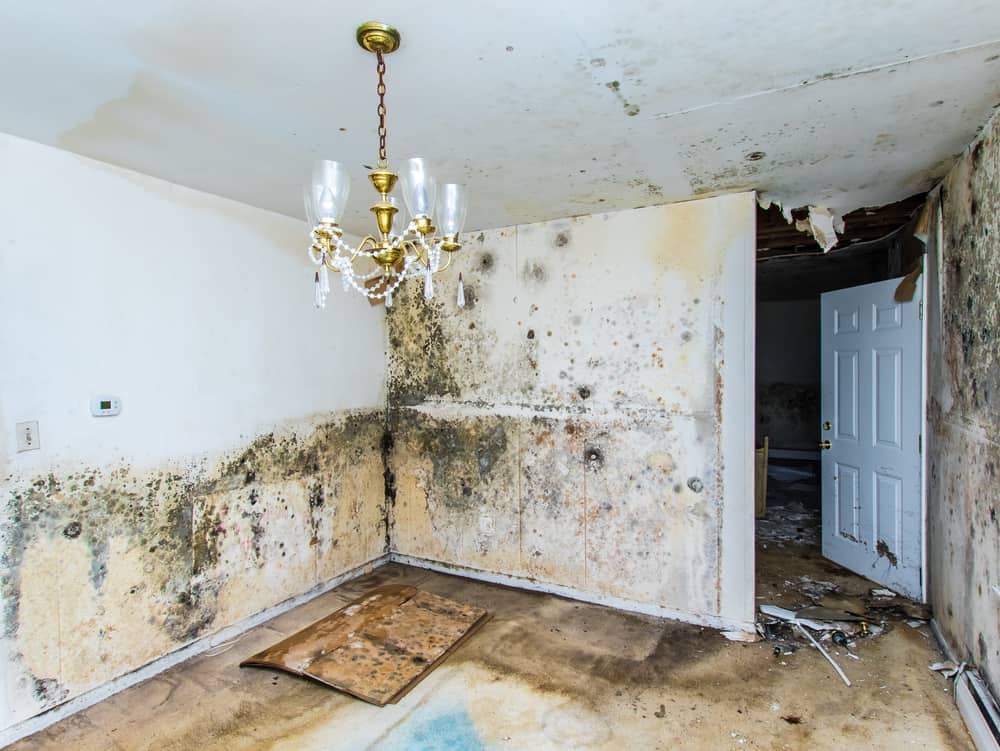
Ready to get started?
Our inspection covers five core areas: airborne spore sampling, surface swab collection, water intrusion identification, moisture level measurement, and full photographic documentation of every mold source found. Infrared thermal imaging is included — not as an add-on, but as a standard part of the process — because in Holbrook’s older housing stock, the most significant mold is almost never the mold you can see.
Basement mold inspection is one of the most common requests we handle in Holbrook. Holbrook’s single-family homes sit on aging foundations, and the sandy Suffolk County soil doesn’t always drain the way it should during a nor’easter or a heavy spring rain. Sump pump failures, slow foundation seepage, and improperly dried post-flood spaces are the most common sources of basement mold in this community. We design the inspection to find all of it — including what’s behind the finished walls if thermal imaging suggests moisture is present.
Attic mold inspection is equally relevant here. Homes built in the late 1960s and 1970s frequently have inadequate ventilation by today’s standards, and when warm, humid Long Island air meets a cold attic deck in winter, condensation builds up over years and creates the conditions mold needs. If you’re preparing for a home sale, dealing with an insurance claim, or simply trying to understand what’s been causing allergy symptoms in your household, the written report you receive at the end of this process gives you something concrete to act on.
The national average for a professional mold inspection runs between $303 and $1,043, depending on the size of the home, the number of samples collected, and the scope of the assessment. For a typical detached single-family home in Holbrook — which tends to run larger than average and often includes a full basement and attic — you should expect to be somewhere in that range, with the final cost reflecting the number of areas inspected and samples sent to the lab.
What’s worth keeping in mind is the math on the other side of that number. Mold remediation costs between $1,150 and $20,000 depending on severity. Home values can drop 20 to 37 percent when mold is discovered or disclosed during a sale. In a market where the median Holbrook home is listed around $620,000, the cost of an inspection is a small fraction of what’s at stake. Getting the inspection done early — before a problem grows or surfaces during a buyer’s due diligence — is almost always the less expensive path.
The most common causes in Holbrook come down to the age and construction style of the housing stock. Most homes here were built between the late 1960s and early 1980s, following the Long Island Expressway’s extension through the area. That means original plumbing, original rooflines, and ventilation systems that were considered adequate fifty years ago but often aren’t today. Slow pipe leaks behind walls, failed roof flashings around chimneys, and condensation buildup in poorly ventilated attics are the three most frequent sources we find during inspections in Holbrook.
Basements are the other major factor. Suffolk County’s sandy soil can shift drainage patterns during heavy rain or rapid snowmelt, and sump pump failures during nor’easters are common enough that they shouldn’t be treated as rare events. A basement that gets water in it — even once, even a small amount — and isn’t professionally dried and inspected afterward is a mold risk. The mold doesn’t always show up immediately. It can take weeks or months to become visible, and by then it’s often spread behind the drywall or into the subfloor.
Yes — and the health effects vary significantly depending on the mold species present and the level of exposure. Common symptoms include chronic nasal congestion, eye irritation, coughing, skin reactions, and worsening asthma. Approximately 4.6 million asthma cases in the U.S. are attributed to dampness and mold in the home. For children — a significant portion of Holbrook’s population, given the community’s deep connection to the Sachem Central School District — prolonged mold exposure in the home is a legitimate health concern that goes beyond discomfort.
The issue is that mold doesn’t have to be visible to affect air quality. HVAC systems in older Holbrook homes can harbor mold colonies in the ductwork and distribute spores throughout the entire living space every time the system runs. That’s why indoor air quality testing — comparing airborne spore concentrations inside the home against outdoor baseline samples — is a critical part of any thorough mold inspection. It tells you what’s actually in the air your family is breathing, not just what’s visible on a surface.
A general home inspection is required for most mortgage transactions, but it doesn’t include mold testing. Home inspectors are trained to flag visible concerns, but they’re not licensed mold assessors, and they’re not equipped to collect air samples or identify hidden mold behind walls. In Holbrook’s current market — where homes are selling in around 20 days and buyers are making offers quickly — it’s easy to skip the mold inspection. That’s a risk worth thinking through carefully.
If a mold problem is discovered after closing, the remediation cost falls entirely on you. If it’s discovered during the transaction, it becomes a negotiating point — or a deal-killer. Getting a professional mold assessment done as part of your due diligence, especially on a home built in the late 1960s or 1970s, gives you real information before you’re legally obligated to close. New York State also requires sellers to disclose known mold conditions, so understanding what’s there before you make an offer protects you from inheriting someone else’s undisclosed problem.
For a typical single-family home in Holbrook, the on-site inspection takes between one and three hours depending on the size of the property and the number of areas being assessed. Homes with finished basements, attic access, and multiple bathrooms or utility spaces generally take longer than a straightforward open-plan layout. The inspection itself — the walkthrough, thermal imaging, air sampling, swab collection, and moisture readings — is completed in a single visit.
Lab results from the collected samples typically come back within 24 to 72 hours after the samples are submitted. Once results are in, you receive a written report in plain language: what species were identified, what the spore concentrations mean relative to the outdoor baseline, where the moisture source is, and what remediation steps are recommended if any are needed. If you’re working within a real estate transaction timeline, let us know upfront — the process can be prioritized to fit within closing deadlines when needed.
Finding mold during an inspection isn’t the end of the conversation — it’s the beginning of a clear plan. The written report outlines exactly what was found, where it’s located, what species are present, and what level of remediation is appropriate for the scope of the problem. Not every mold finding requires full-scale remediation. Some situations call for targeted treatment of a specific area. Others — particularly in cases where water intrusion has been ongoing in a Holbrook basement or attic for years — require more comprehensive work.
Because we hold both a New York State Mold Assessor license and a Mold Remediator license, you don’t have to start over with a new contractor if remediation is needed. We can handle both the assessment and the remediation, and if structural materials like drywall or insulation need to be replaced, we manage the reconstruction as well. If the situation involves an insurance claim — which is common when mold follows a covered water damage event — we prepare the documentation in a format that supports that process from the start.
Useful Links
Other Services we provide in Holbrook