
Hear from Our Customers
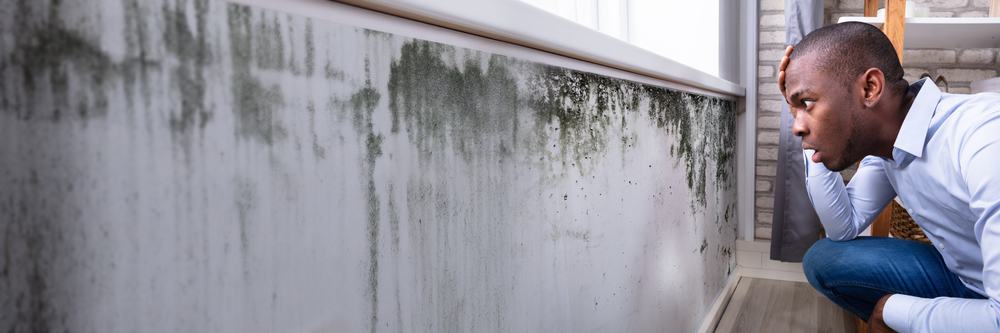
Most Islip homeowners who call us don’t have a visible mold problem. They have a feeling — a smell that won’t go away, a bathroom that never quite dries out, or a basement that took on water during a storm and was dried out fast but never fully checked. That uncertainty is its own kind of stress, and it tends to sit there quietly until something forces the issue.
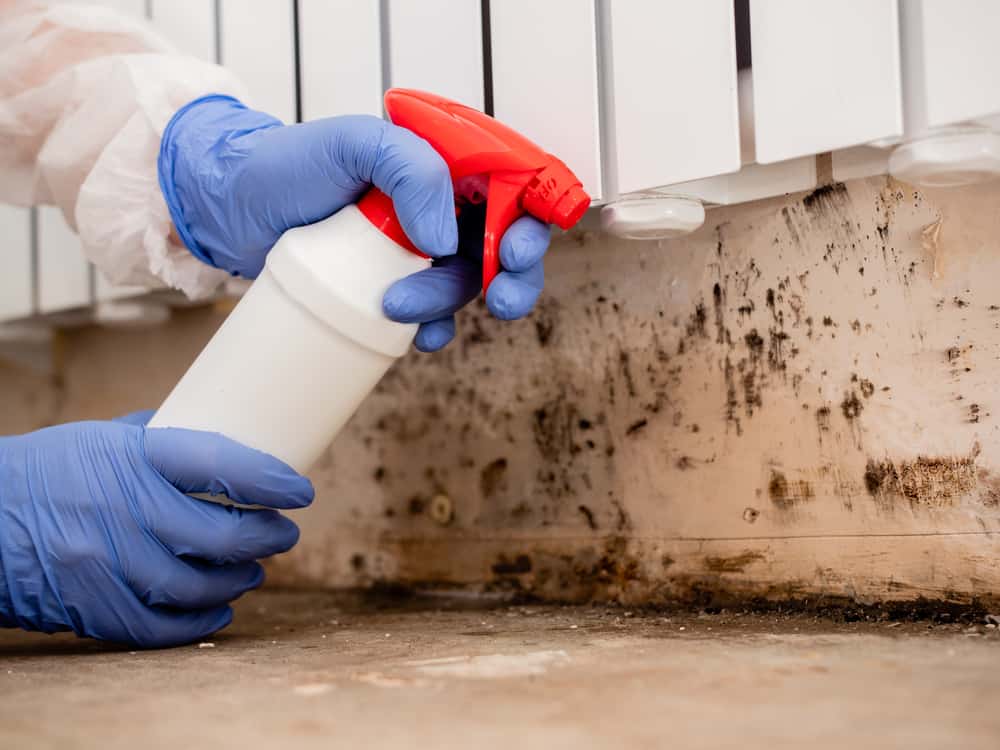
A proper mold inspection in Islip gives you documented answers. Not a technician’s opinion — actual air samples, surface swabs, and lab results that tell you what’s present, where it’s coming from, and what it means. If there’s nothing there, you know. If there is something, you know exactly what you’re dealing with and what needs to happen next.
Islip’s housing stock is older than most people realize — a significant portion of homes here were built before 1960, back when vapor barriers and modern ventilation were afterthoughts. Add the persistent humidity that rolls off the Great South Bay, the canal-adjacent properties in neighborhoods like Bayberry Point, and the flooding history that came with storms like Sandy, and you have conditions that make hidden mold more the rule than the exception. Getting a clear, lab-verified answer is the only way to know for sure.
We’ve been operating on Long Island for over three decades. Our headquarters is in West Babylon — which borders Islip directly — so when you call, you’re not waiting on someone to drive in from Nassau County or Queens. You’re calling a neighbor who has been inspecting and remediating mold in Islip and South Shore homes since before most of the current competitors were in business.
Richard Peterson and our team hold active New York State licenses for both mold assessment and mold remediation — both required by law since 2016, and both verifiable through the NY Department of Labor. Every technician on our team carries IICRC certification. That’s not just the owner — it’s everyone who steps into your home.
What makes the difference in a market full of options is this: We don’t hand off the inspection to one company, the remediation to another, and leave you to manage a rebuild on your own. If mold is found, our licensed team handles everything — from the first air sample through the final reconstruction, including insurance documentation from day one.
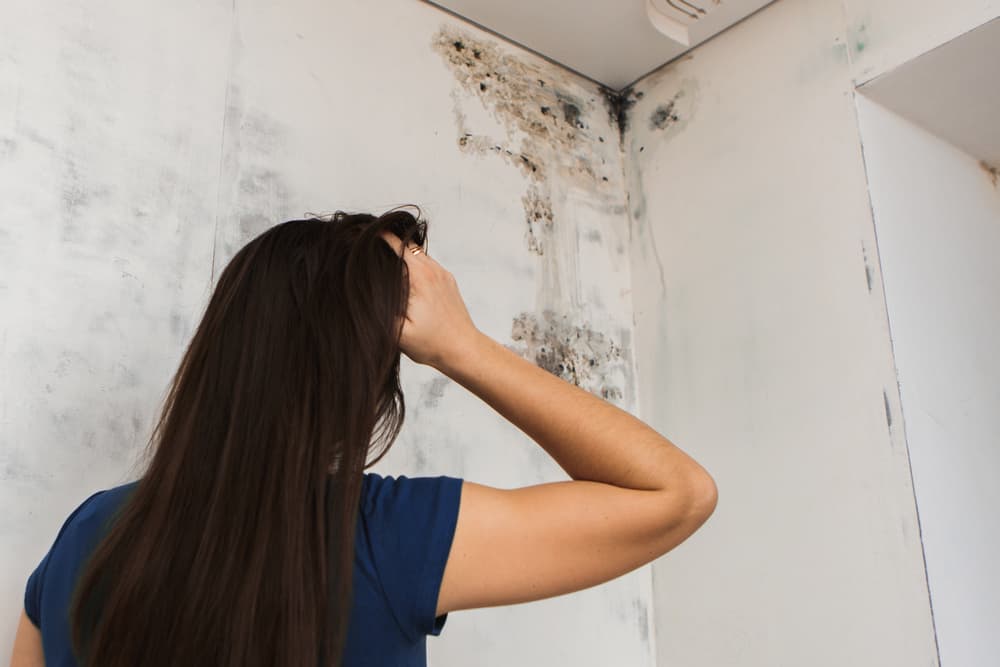
The inspection starts with a walkthrough of your property — every room, every space that matters. Basements, attics, crawl spaces, behind appliances, around HVAC systems. In older Islip homes, especially those with finished basements or original building envelopes, this step alone tends to surface things a quick visual check would completely miss.
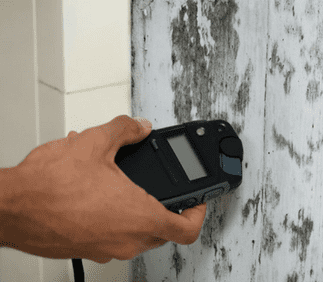
From there, we collect air samples and surface swabs from any areas of concern. Moisture levels are measured throughout the home using calibrated equipment, and infrared thermal imaging is used to detect moisture activity behind walls, beneath flooring, and inside ceilings — places where mold grows completely out of sight. This matters especially in Islip, where canal-adjacent properties and bay-facing foundations experience groundwater pressure that pushes moisture into wall cavities over time.
All samples go to an accredited laboratory. You’re not waiting on a gut call — you’re getting documented results. Once the lab returns findings, you receive a written report in plain language: what was found, where it came from, what the spore levels mean, and what your next steps are. If remediation is needed, that recommendation comes with specifics — not a vague suggestion to “get it looked at.” New York State law requires licensed mold assessors and remediators to hold separate credentials, and the written report from a licensed assessor is the documentation your insurance carrier and real estate attorney will actually accept.
Ready to get started?
Our mold inspection includes five core components: air testing for airborne spore concentrations, swab sampling from surfaces, a water intrusion inspection to identify active or historical moisture sources, moisture level measurements throughout the property, and full photographic documentation of every mold source found. Infrared thermal imaging is incorporated into every inspection — not offered as an add-on, but built into the process because hidden mold is the most common mold in older Islip homes.
For Islip homeowners specifically, a few conditions tend to show up more frequently than in inland communities. Basements and crawl spaces in waterfront and near-waterfront properties often show elevated moisture readings even without a visible flood event — the water table along the Great South Bay is simply higher. HVAC systems in homes that run hard through humid South Shore summers are a common reservoir for mold growth that then circulates through the entire house. And attic spaces in older Cape Cod and ranch-style construction — the dominant housing types north of Main Street in the hamlet — frequently harbor mold from decades of inadequate ventilation.
If you’re a buyer or seller navigating a real estate transaction in Islip, the written inspection report from a licensed NY State mold assessor is the documentation that holds up — with your attorney, with the other party’s attorney, and with any lender involved. For homeowners dealing with post-storm damage or an insurance claim, we manage documentation and communication with your carrier from the first call through project completion.
A professional mold inspection in Islip typically runs between $450 and $700 for a comprehensive inspection that includes air sampling, surface swabs, and accredited lab analysis. The range depends on the size of the property and the number of sample locations needed. Larger homes, finished basements, or properties with multiple areas of concern may require additional samples, which affects the final cost.
That number tends to feel significant until you put it next to the alternative. Mold remediation for a moderate problem runs $1,150 to $3,400. Severe cases involving structural materials — the kind that happen when mold has been growing inside a wall cavity for years in an older Islip home — can reach $20,000 or more. And if mold is discovered during a real estate transaction without prior documentation, home values can drop 20 to 37 percent. A thorough inspection is the cheapest line of defense available.
The most common signs are a persistent musty smell that doesn’t respond to cleaning or ventilation, visible discoloration on walls or ceilings that keeps coming back, and unexplained respiratory symptoms — congestion, coughing, or irritated eyes — that improve when family members leave the house and return when they’re home. These are the patterns that tend to bring Islip homeowners to our phone.
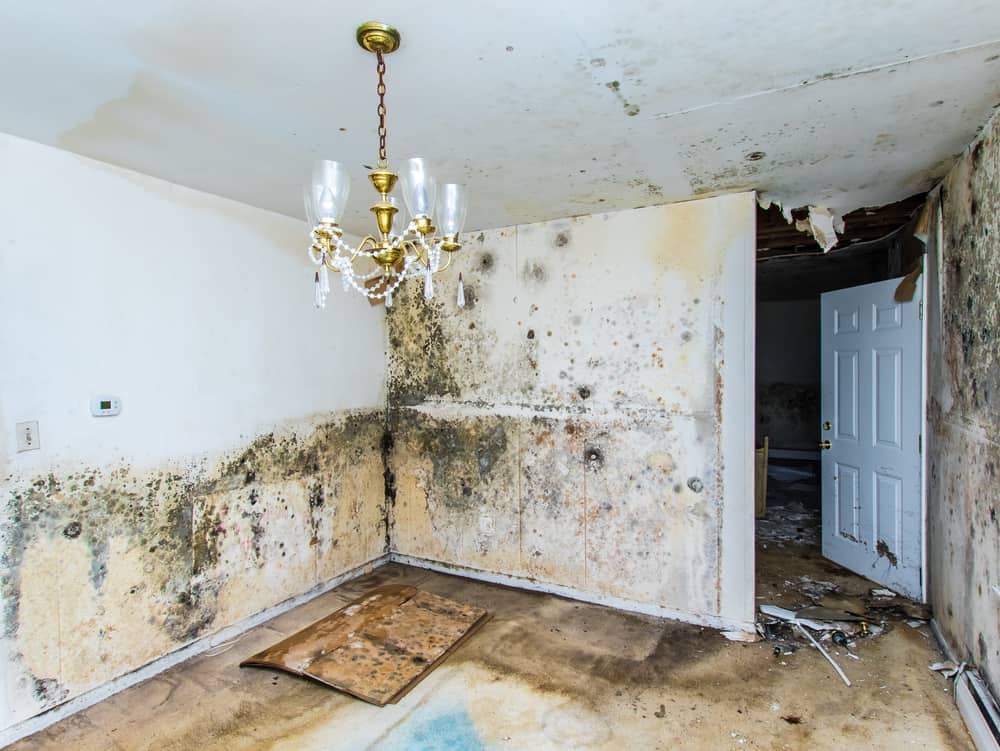
What makes older homes in Islip particularly tricky is that the mold is often completely hidden. Homes built before 1960 — and a meaningful portion of Islip’s housing stock falls into that category — were constructed without modern vapor barriers and with ventilation systems that weren’t designed to manage the humidity levels that come with living along the Great South Bay. Mold in these homes tends to grow inside wall cavities, beneath flooring, and in attic spaces where no visual inspection would find it. If something feels off in your home, don’t wait for visible confirmation. That confirmation often comes later than it should.
A standard home inspection does not include mold testing. Home inspectors are not licensed mold assessors under New York State law, and their reports do not carry the same legal weight as a report from a licensed mold assessor when it comes to insurance claims, real estate negotiations, or remediation planning. If you’re buying a home in Islip — particularly an older one — a separate mold inspection is worth the investment.
Islip’s South Shore location and older housing stock make pre-purchase mold inspection more relevant here than in many other communities. Homes along the canals and the bay-facing streets have chronic moisture exposure that doesn’t always leave visible evidence. A home that looks clean in a walkthrough may have active mold growth behind a finished basement wall or in an attic that wasn’t part of the showing. Suffolk County real estate attorneys increasingly advise buyers to include mold inspection as a purchase condition, and for good reason. Getting a lab-verified report before closing gives you negotiating leverage and protects you from inheriting someone else’s problem.
Yes — basement mold is one of the most frequent findings in Islip homes, and the causes are pretty consistent. The water table along the Great South Bay is higher than most homeowners realize, which means foundation walls in waterfront and near-waterfront properties experience groundwater pressure year-round. Even without a visible flood event, moisture migrates through concrete and block foundations slowly and steadily, creating the damp conditions mold needs to grow. Canal-adjacent properties — including parts of Bayberry Point — deal with this from multiple directions.
Storm flooding compounds the issue significantly. Homes that took on water during Hurricane Sandy or subsequent nor’easters may have been dried out at the time, but if the drying wasn’t thorough and documented, mold growth likely followed within 48 to 72 hours of the initial flooding. That growth may have been partially addressed or simply missed. Basement mold inspection in Islip should include moisture level measurements throughout the foundation, not just a visual check of the visible surfaces. The problem is almost always deeper than what you can see.
They’re related but not the same thing, and the distinction matters. Mold testing refers specifically to the collection and lab analysis of samples — air samples, surface swabs, or bulk material samples — to identify what mold species are present and at what concentration levels. Mold inspection is the broader process: a full physical assessment of the property to identify moisture sources, visible mold, and conditions that support mold growth, with testing incorporated as part of that process.
A mold test without an inspection can tell you spore counts are elevated but won’t tell you where the moisture is coming from or how far the growth has spread. An inspection without lab-verified testing leaves you with a technician’s opinion rather than documented findings. In New York State, a licensed mold assessor is required to conduct the inspection and interpret the results — this is a legal requirement, not an industry preference. What you want is a complete inspection that includes accredited lab testing and a written report from a licensed assessor. That’s the only version that holds up with insurance carriers, attorneys, and real estate professionals.
As soon as possible — and that’s not a sales pitch, it’s just how mold works. Mold grows quickly in the right conditions, and Islip’s South Shore humidity provides those conditions more reliably than most places on Long Island. Once mold has established itself inside a wall cavity or beneath flooring, it doesn’t stay contained. It spreads along moisture pathways, and the longer it goes, the more material it works into — drywall, insulation, wood framing. What starts as a contained remediation job becomes a structural one.
If you’ve had any water intrusion event — a storm, a pipe, a slow leak under a sink — the window for stopping mold before it becomes a serious problem is 24 to 72 hours. After that, growth is likely already underway in areas you can’t see. For Islip homeowners who experienced flooding from a nor’easter or noticed water in the basement after a heavy rain, scheduling a mold inspection within days of the event — not weeks — is the difference between a manageable situation and a major remediation project. We serve Islip and the surrounding South Shore communities and can typically respond quickly when the situation calls for it.
Useful Links
Other Services we provide in Islip