

Hear from Our Customers
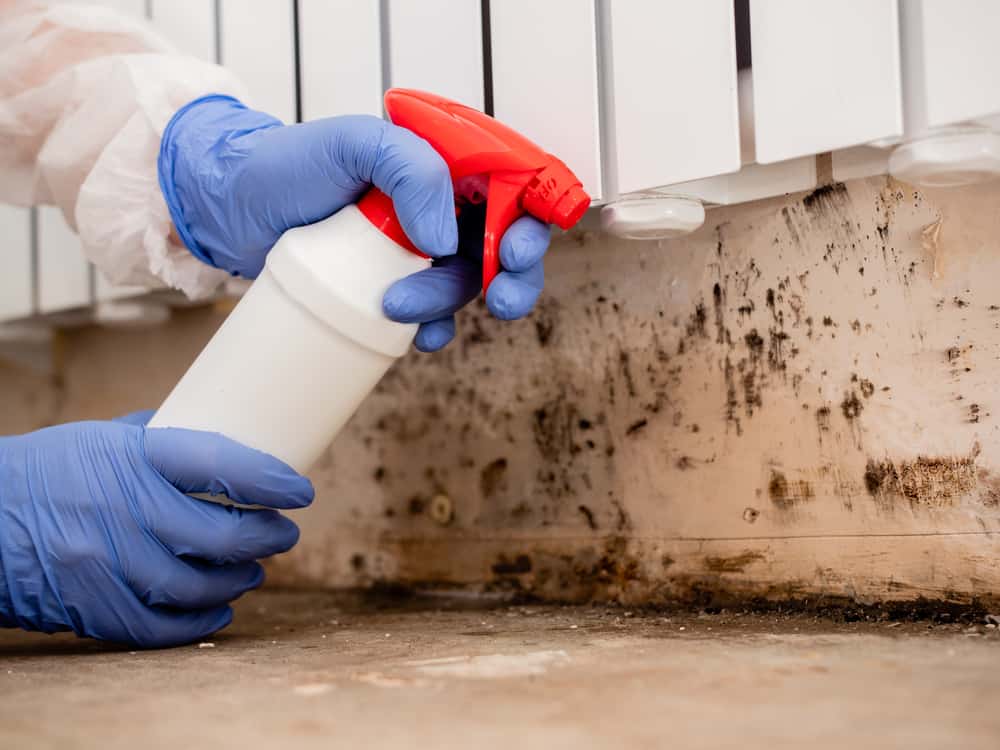
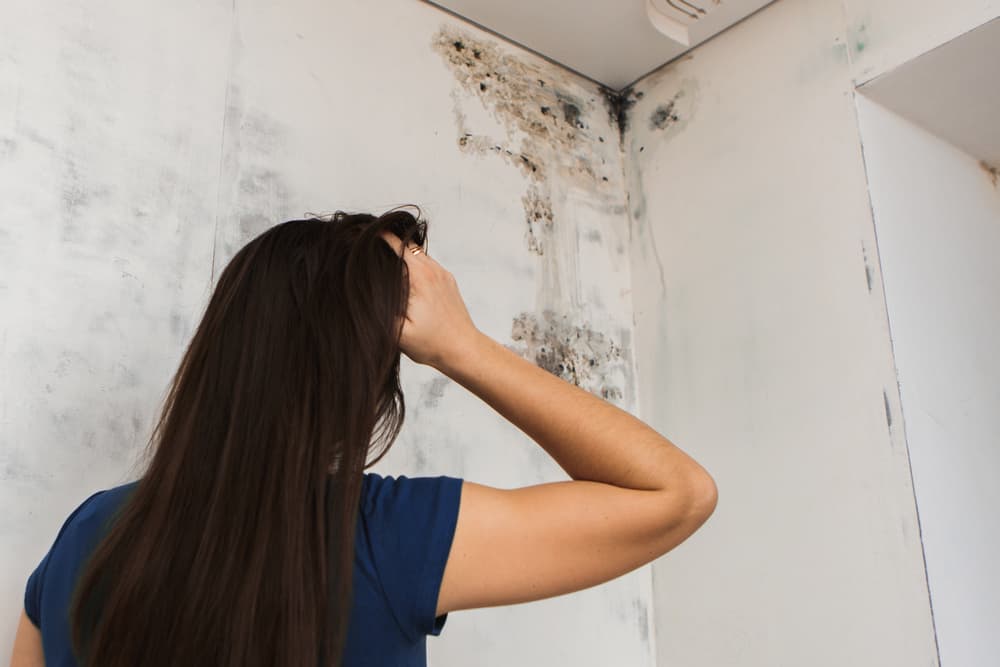
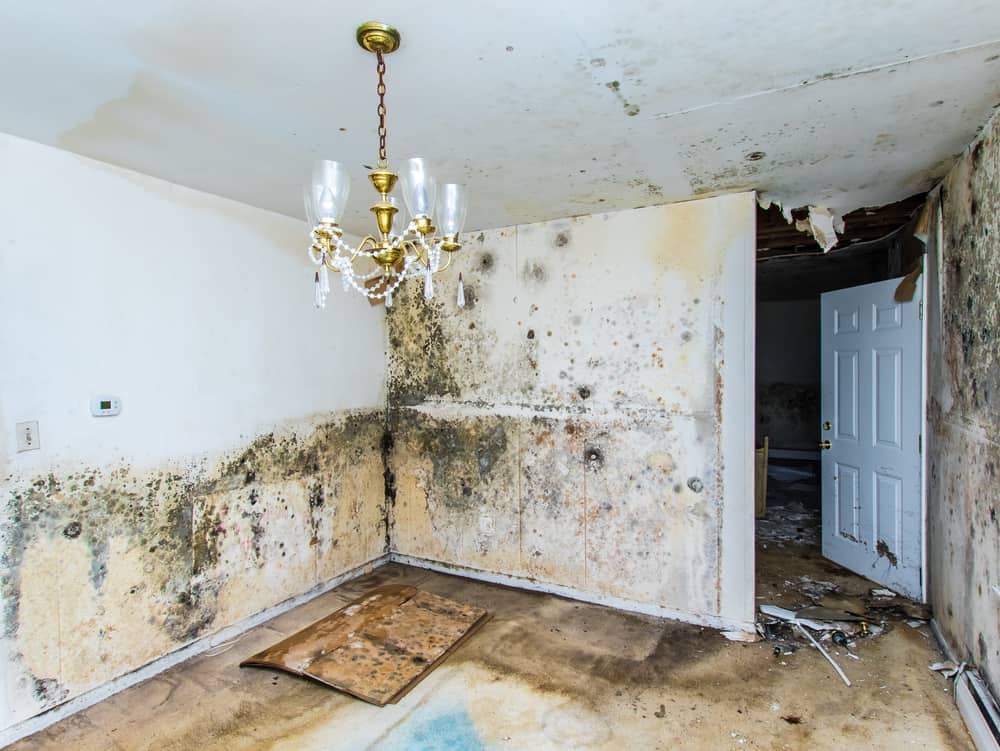
Most homeowners in Laurel don’t find mold because they went looking for it. They find it when they return to a property that’s been closed up since October, or when a musty smell in the back bedroom won’t go away no matter how many times they air the place out. By then, it’s already been growing — quietly, inside walls, under floors, in attic spaces that haven’t seen fresh air in months.
A thorough mold inspection in Laurel, NY doesn’t just confirm whether mold is present. It tells you exactly where it is, what species you’re dealing with, where the moisture is coming from, and what it’s going to take to fix it. That’s the difference between a guess and a plan.
Laurel’s housing stock is predominantly older — many homes built between the 1940s and 1960s, before vapor barriers and modern ventilation were standard practice. Add the fact that you’re sitting between Peconic Bay to the south and Long Island Sound to the north, with marine humidity pushing in from both sides year-round, and you have a combination that older homes were simply never built to handle. A home mold testing visit here isn’t precautionary. For a lot of Laurel properties, it’s overdue.
We’ve been serving Suffolk County homeowners for over 31 years, operating out of West Babylon with a dedicated line for Suffolk County at 631-587-5300. That means our team has been on the ground through every major storm event that has tested North Fork properties — including the coastal flooding that closed portions of Peconic Bay Boulevard right here in Laurel.
Every technician on our team holds IICRC certification — not just the owner, every technician. We hold both a New York State Mold Assessor License and a New York State Mold Remediator License, which have been legally required since January 1, 2016. Every sample we collect goes to a certified, accredited laboratory. The written report you receive is something you can actually use — for an insurance claim, a real estate transaction, or just knowing the truth about what’s inside your home.
For seasonal homeowners who aren’t embedded in the local community and can’t rely on a neighbor’s recommendation, verifiable credentials matter more than ever. We have both the credentials and the history to back them up.
The inspection starts with a full walkthrough of your property — not a quick visual scan, but a documented assessment using infrared thermal imaging to identify moisture and temperature differentials behind walls, under floors, and inside ceilings. This is how we find hidden mold in Laurel’s older homes, where water intrusion from aging plumbing or storm events can travel through wall cavities long before it becomes visible on the surface.
From there, we move into air testing and swab sampling, followed by detailed moisture level measurement throughout the structure. Every mold source gets photographed and documented. All samples are sent to an accredited laboratory for analysis — species identification, spore counts, and a full breakdown of what’s present and at what levels. This is not an in-house assessment. It’s third-party, lab-verified data.
When the results come back, you receive a written report in plain language: what was found, where it came from, and what remediation steps we recommend. If your property is near Laurel Lake or sits on one of the lower-elevation lots along the bay, the moisture source findings will reflect those specific conditions — because the inspection is built around what’s actually happening in your home, not a generic checklist. If remediation is needed, we can handle that too — same licensed team, no need to start over with someone new.
Ready to get started?
At $730,000 median home value, a property in Laurel isn’t a small investment. And a significant number of those properties are seasonal — closed up for months at a time, sitting without climate control while North Fork humidity does exactly what it does. When you’re dealing with a home at that price point, or preparing to buy one, a mold inspection needs to deliver more than a verbal opinion.
Our inspection includes air testing, surface swab sampling, water intrusion assessment, moisture level measurement across the full structure, and infrared thermal imaging for hidden mold detection. Every finding is photographed and documented. Lab analysis is conducted by a certified, accredited third-party laboratory. The final written report includes mold species identification, spore levels, moisture source findings, and specific remediation recommendations — in plain language you can hand to your real estate attorney, insurance adjuster, or contractor.
For Laurel homeowners dealing with the aftermath of a storm event, we handle insurance communication from the first call through project completion. If you experienced water intrusion after a nor’easter or a flooding event along the bay, that documentation process starts with the inspection report. And because we’re a full-service restoration company, if the inspection findings require remediation or structural reconstruction, that work is handled by the same licensed, IICRC-certified team — no handoffs, no coordination headaches, no starting the process over with a stranger.
For most residential properties in Laurel, a professional mold inspection runs between $400 and $700. The exact cost depends on the size of the home, how many areas need to be tested, and whether infrared thermal imaging is used to check for hidden moisture behind walls or under floors. Larger properties or homes with multiple areas of concern — a finished basement, an attic with inadequate ventilation, a crawl space — will typically fall toward the higher end of that range.
It’s worth putting that number in context. Mold remediation for a home with an established problem typically runs between $1,150 and $3,400, and can reach $20,000 or more in severe cases. Undetected mold can also reduce a home’s value by 20 to 37 percent, and up to half of potential buyers walk away from a transaction once mold is disclosed. For a Laurel property at or near the $730,000 median, the cost of an inspection is a fraction of what a missed problem could cost you at closing or in remediation down the road.
The most common signs are a persistent musty odor, visible dark spotting on walls or ceilings, worsening allergy or respiratory symptoms in household members, or moisture staining around windows, in basements, or in attic spaces. If you’re returning to a seasonal property in Laurel after an extended period away — which is a common situation for North Fork homeowners — and something smells off when you open the door, that’s worth taking seriously.
What makes Laurel properties particularly susceptible is the combination of older construction and year-round marine humidity. Homes built between the 1940s and 1960s typically lack modern vapor barriers and adequate attic ventilation, which means moisture accumulates in places you can’t easily see. Mold can establish itself within 24 to 72 hours of moisture exposure and grow silently for months inside wall cavities, under original hardwood floors, or in crawl spaces. By the time it’s visible, it’s usually been there for a while. A professional mold inspection is the only reliable way to know what’s actually happening inside the structure.
It’s one of the most underestimated risks for North Fork property owners. When a home sits without active climate control and ventilation for weeks or months — a normal pattern for Laurel’s seasonal homeowners — indoor humidity builds unchecked. The North Fork’s peninsular geography means marine air is coming in from both Peconic Bay to the south and Long Island Sound to the north, and it finds its way into every gap in the building envelope. Mold doesn’t need much. It needs moisture, a surface to grow on, and time.
The problem with seasonal properties is that the time element works against you. A mold colony that starts in October can be well-established by the time you return in April. It may be inside a wall, in the attic, or in a crawl space — completely invisible until it’s already caused damage. Indoor air quality testing for mold is especially valuable for seasonal properties because it detects airborne spore levels even when there’s nothing visible yet. If you’re opening up a Laurel property that’s been closed since fall, an inspection before you start using the space is a reasonable precaution.
Yes, and this matters more than most homeowners realize. Since January 1, 2016, New York State has required all mold assessors and mold remediation contractors to hold licenses issued by the New York Department of Labor. There are two separate licenses — one for mold assessment and one for mold remediation — and a company needs both to legally perform both services. We hold both.
Before you hire anyone to inspect or remediate mold in your Laurel home, you can verify their credentials directly through the NY DOL’s online licensed contractor search tool. This is not a minor detail. Working with an unlicensed operator can void certain insurance claims, create liability issues, and leave you with no legal recourse if the work is substandard. In a high-value real estate market like Laurel — where inspection findings may be used in a transaction involving hundreds of thousands of dollars — the licensing status of the company you hire is not something to overlook. Ask for license numbers upfront and verify them before anyone sets foot in your home.
Yes — but only if the report is built to hold up. A verbal walkthrough or a DIY test kit from a hardware store doesn’t produce the kind of documentation that works in a real estate negotiation or an insurance claim. What you need is a written report backed by accredited laboratory analysis: mold species identified, spore counts, moisture source findings, and specific remediation recommendations. That’s what we deliver after every inspection.
For buyers and sellers of Laurel properties, this documentation is increasingly standard practice. At the median home value in this market, a mold finding can materially affect the transaction — and a lab-verified report gives both parties something concrete to work from rather than a disputed opinion. For insurance claims following water intrusion events — storm flooding along the bay, a burst pipe in a vacant home during a January cold snap — the inspection report is the foundation of the claim. We also handle insurance company communication directly, which removes a significant burden from homeowners who are already managing the stress of property damage.
These terms get used interchangeably, but they describe different things. A mold inspection is a physical assessment of the property — a trained inspector examines the structure, identifies visible mold, uses moisture meters and infrared thermal imaging to find hidden problem areas, and documents everything. Mold testing refers to the collection of samples — air samples, surface swabs — that are sent to a laboratory for analysis. A complete mold assessment in Laurel, NY includes both.
The inspection without testing gives you a visual picture but no objective data on what species are present or what the airborne spore levels are. Testing without a thorough inspection means you might be sampling in the wrong places and missing the actual source. For Laurel homes — particularly older properties near Laurel Lake, low-lying lots along Peconic Bay, or seasonal homes that have been closed up for months — the combination of both is what gives you a complete, defensible picture of the mold situation. That’s the only basis on which you can make an informed decision about remediation, a real estate transaction, or whether the air in your home is safe to breathe.
Useful Links
Other Services we provide in Laurel