

Hear from Our Customers
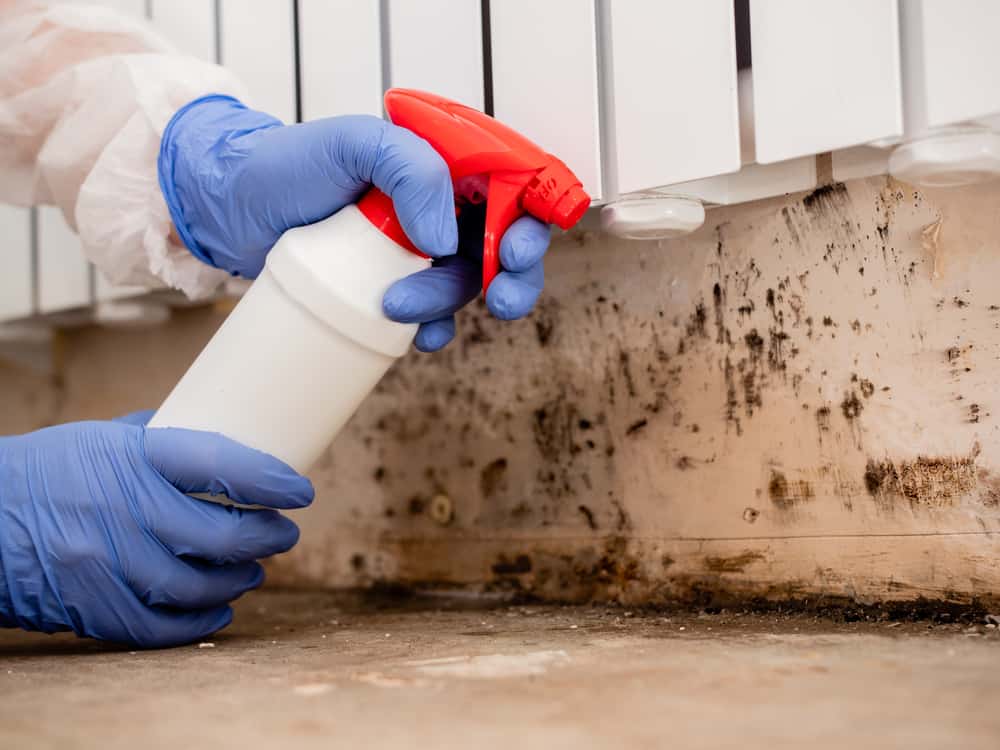
The majority of homes in Nesconset were built between the 1950s and 1970s. That’s not a knock on the neighborhood — it’s just the reality of what that construction era looked like. Basement waterproofing was basic. Attic ventilation was often inadequate. And decades of Long Island’s humid summers, nor’easter flooding, and freeze-thaw winters have had time to work their way into places you’d never think to check.
When you get a professional mold inspection done, you stop guessing. You get air samples, surface swabs, and moisture readings that go to a certified lab — and come back as a written report you can actually use. Whether you’re dealing with a musty smell you can’t shake, a basement that took on water last spring, or a real estate transaction where the stakes are high, that documentation matters.
Nesconset’s proximity to Gibbs Pond and the Lake Ronkonkoma basin means ambient humidity in this area runs higher than most people realize — especially in crawl spaces and lower levels of homes that weren’t designed with that in mind. Catching moisture problems early, before mold colonies establish themselves behind walls or in ductwork, is the difference between a manageable inspection and a full remediation project.
We’ve been serving Nassau and Suffolk Counties for 31 years, and we’ve inspected and remediated homes throughout Nesconset and the surrounding Smithtown area since before many of your neighbors moved in. That’s not a marketing line — it’s three decades of real experience with the specific moisture challenges that Long Island homes face, especially the 1950s and 1970s construction that dominates Nesconset’s housing stock.
Every technician who comes to your home carries IICRC certification. We hold both a New York State Mold Assessor license and a New York State Mold Remediator license — both legally required under NY law since 2016, and both verifiable through the NY Department of Labor. You can look them up.
The Suffolk County line — 631-587-5300 — reaches a local company, not a national dispatch center or franchise. We know what Nesconset homes go through, and we can take a project from the first inspection all the way through remediation and reconstruction if it comes to that.
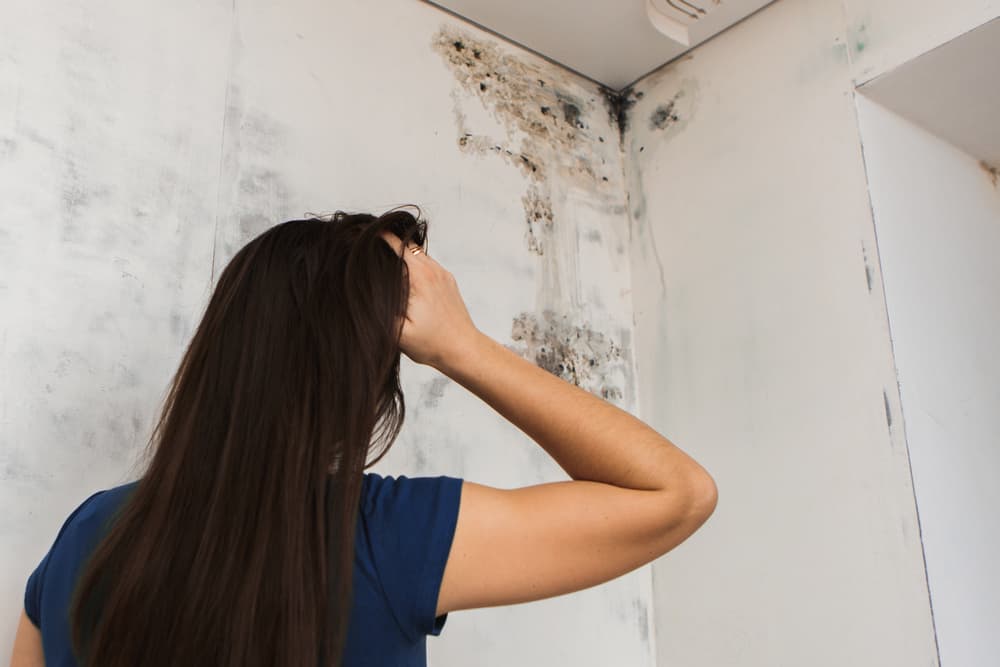
When one of our technicians arrives at your Nesconset home, the inspection starts with a full walkthrough — not just the obvious spots. Basements, attics, crawl spaces, HVAC ductwork, and areas around windows and plumbing all get attention. Homes built in the 1960s and 1970s, which make up a large portion of Nesconset’s housing stock, tend to have specific vulnerabilities: aging pipe connections, original attic insulation that holds moisture, and basement wall systems that weren’t built to handle decades of Long Island water pressure.
From there, we collect air samples from inside the home and compare them against an outdoor control sample. That comparison matters — it tells you whether spore levels indoors are elevated relative to what’s naturally present outside, which is how you distinguish a mold problem from normal environmental background. We take surface swabs from any visible growth or suspect areas. Calibrated moisture meters measure readings behind walls and under flooring. Infrared thermal imaging detects hidden moisture that doesn’t show up any other way.
All samples go to a certified, accredited laboratory. When results come back, you receive a written report — clear findings, lab data, and specific recommendations for next steps. If remediation is needed, we handle that too, under the same license and the same roof. No handoffs. No coordinating a second contractor.
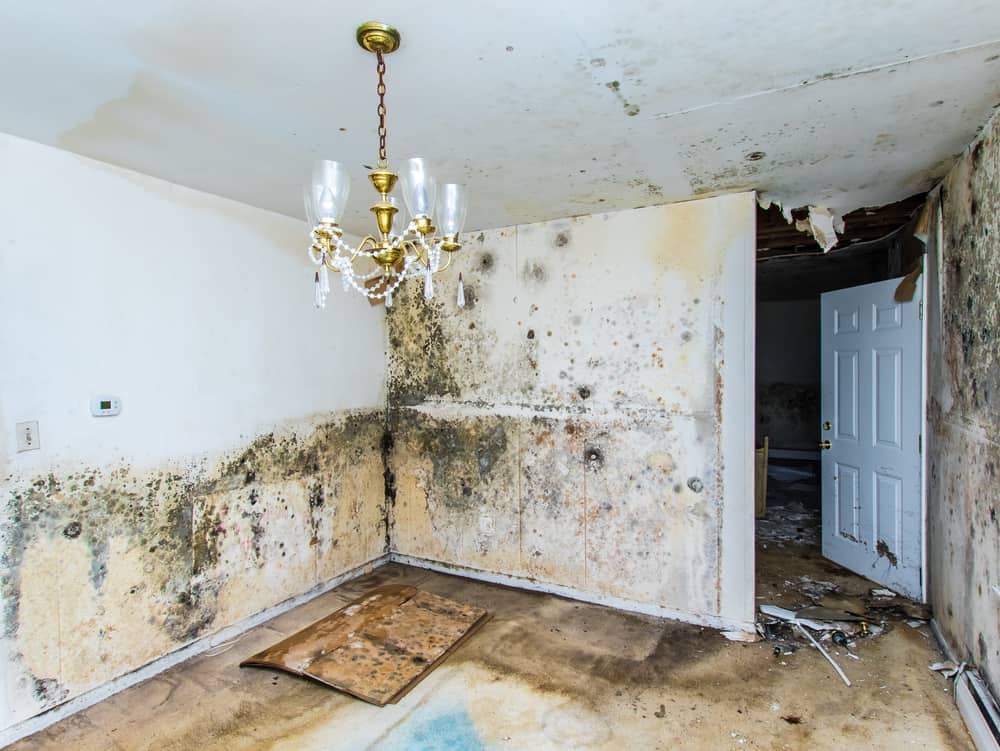
Ready to get started?
Our mold inspection covers five documented points: air testing for airborne spore sampling, surface swab collection, water intrusion inspection to identify the moisture source, calibrated moisture level measurement, and full photographic documentation of every finding. That’s the baseline. On top of that, every inspection includes the indoor-versus-outdoor air comparison, infrared thermal imaging for hidden moisture, and a written report that summarizes lab results in plain language with clear remediation guidance.
For Nesconset homeowners, this level of detail is especially relevant when it comes to attics and HVAC systems. Homes throughout the Smithtown Central School District area often have original or early-replacement ductwork that has never been inspected for mold. If your system has been circulating air through contaminated ducts, the mold problem isn’t contained to one room — it’s spread throughout the house.
New York State law requires any company performing mold assessment or remediation on more than 10 square feet to hold a current NY DOL license. Before you hire anyone in Nesconset for this work, ask for that license number and verify it. We hold both the assessor and remediator license, carry full insurance, and can manage the entire process — inspection, remediation, and structural reconstruction — without you needing to bring in anyone else.
A professional mold inspection in Nesconset typically runs between $450 and $700 for a comprehensive assessment that includes air sampling, surface swabs, moisture readings, and a lab-verified written report. The range depends on the size of the home and how many areas need to be sampled. Larger homes with finished basements, attic spaces, and multiple HVAC zones will generally fall toward the higher end.
For Nesconset homeowners with properties valued between $640,000 and $870,000, that cost is a relatively small investment against what’s at stake. Mold issues can reduce resale value by 20 to 37 percent, and in a market where homes move in under 30 days, a mold discovery mid-transaction can kill a deal or force a significant price reduction. The inspection cost is almost always less than what it prevents.
The most common signs are a persistent musty smell — especially in basements or after running the HVAC — visible discoloration on walls, ceilings, or around windows, and unexplained allergy or respiratory symptoms that seem worse indoors than outside. In Nesconset, where many homes were built in the 1950s through 1970s, these signs often appear first in finished basements that absorbed water during a nor’easter or a sump pump failure, and in attic spaces where aging insulation has been holding moisture for years without anyone noticing.
One thing worth flagging: mold doesn’t always look like the black patches you’ve seen in photos. It can be white, green, or gray, and it frequently grows behind drywall or under flooring where you’d never see it during a visual check. If something feels off — the smell, the air quality, a room that always feels damp — that’s enough reason to get a professional assessment done.
Yes, and this is worth knowing before you hire anyone. New York State has required mold assessors and mold remediation contractors to hold a license issued by the NY Department of Labor since January 1, 2016. That requirement applies to any assessment or remediation involving more than 10 square feet of mold-affected material — which covers virtually every real-world inspection scenario. Operating without that license in Nesconset, or anywhere in New York, is illegal.
The license is publicly verifiable. You can search any contractor’s name or business on the NY DOL’s online database before you commit to anything. We hold both a NY State Mold Assessor license and a NY State Mold Remediator license. If a company can’t give you a license number when you ask, that’s your answer about whether to hire them.
If you’re purchasing a home in Nesconset, a mold inspection before closing is one of the most straightforward ways to protect yourself. A standard home inspection will flag obvious structural issues, but it’s not designed to detect mold — and most inspectors aren’t licensed to assess it under New York State law. What you get from a general inspection is a visual walkthrough. What you get from a licensed mold inspection is lab-verified air and surface data.
Given that most homes in Nesconset were built 50 to 70 years ago, and that the area’s sandy soil, proximity to Gibbs Pond, and Long Island’s seasonal humidity create real moisture risk in basements and crawl spaces, the odds that an older home has some level of moisture intrusion history are not insignificant. Knowing that before you close — rather than after — gives you negotiating leverage or, at minimum, a clear picture of what you’re taking on.
A typical mold inspection for a single-family home in Nesconset takes between two and four hours, depending on the size of the property and how many areas need to be assessed. You don’t need to leave during the inspection — our technician will move through the home systematically and let you know what they’re finding as they go. Most homeowners find it helpful to be present so they can point out areas of concern and ask questions in real time.
After the inspection, samples go to a certified laboratory for analysis. Lab results typically come back within three to five business days, at which point you’ll receive your written report. If you’re working against a real estate deadline — and in Nesconset’s fast-moving market, that’s common — it’s worth mentioning that timeline upfront so the inspection can be scheduled with enough lead time before your closing date.
Yes, and this is one of the more common misconceptions homeowners run into. Mold doesn’t require a flood or a burst pipe to get started — it needs moisture, a surface to grow on, and time. In Nesconset, that combination shows up in a few specific ways that don’t always register as “water damage.” Condensation on basement walls during humid Long Island summers, minor roof leaks that drip into attic insulation without leaving a visible ceiling stain, and HVAC systems that develop condensation at duct joints are all common sources that go unnoticed for months or years.
Homes near the Gibbs Pond corridor and the Lake Ronkonkoma basin tend to have slightly higher ambient humidity in lower levels, which accelerates the timeline from moisture intrusion to active mold growth. The 48-hour window that restoration professionals reference — the point at which mold can begin colonizing a wet surface — is a real threshold, and it doesn’t take a dramatic event to cross it. If your home is more than 30 years old and has never had a professional moisture assessment, that alone is a reasonable basis for scheduling one.
Useful Links
Other Services we provide in Nesconset