
Mold Inspection in Noyack, NY
Coastal Humidity and Closed Homes: Where Noyack Mold Hides
Hear from Our Customers
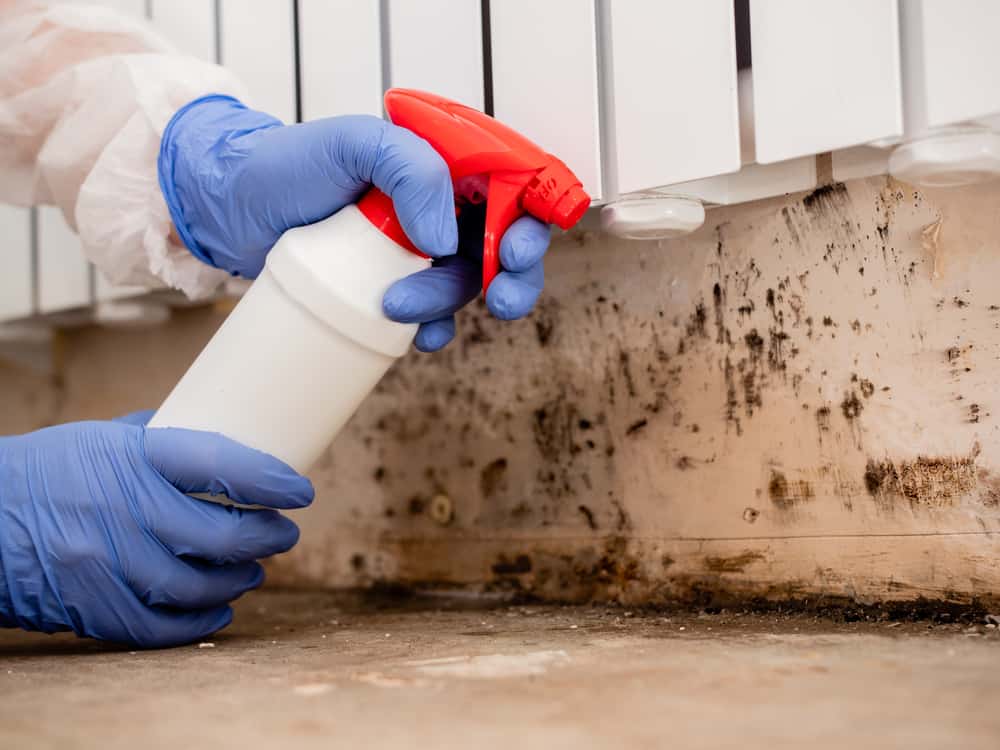
Residential Mold Detection Noyack, NY
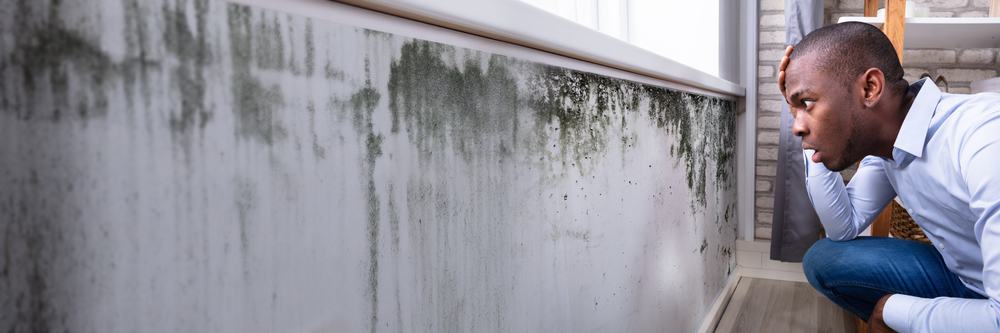
A musty smell when you open your Noyack home in May isn’t just unpleasant it’s a signal. Seasonal homes throughout Noyack sit closed for months at a time, flanked by Noyac Bay on one side and Little Peconic Bay on the other. That coastal humidity doesn’t stop at the siding. It works its way into wall cavities, attic spaces, and crawl spaces while no one’s looking.
By the time you see something, it’s usually been growing for a while. We provide professional mold inspection that gives you the full picture not just what’s visible, but what’s hiding behind walls, under floors, and in spaces a standard walkthrough would completely miss. That’s the difference between catching a problem early and inheriting a remediation project that runs well into five figures.
For a property in Noyack where median home values exceed $1,000,000 a thorough mold assessment isn’t an optional add-on. It’s basic asset protection. Knowing what you’re dealing with before it spreads, before a sale, or before another winter closure is how you stay ahead of a problem that only gets more expensive with time.
Licensed Mold Inspection Company Noyack, NY
First Response Restoration and Cleaning Inc. has been doing this work across Nassau and Suffolk Counties since before most competitors in this space existed. That’s 31 years of real Noyack properties, real mold problems, and real results not a franchise with a local phone number, but a Suffolk County-based company that has built its entire track record on Long Island.
Every technician who walks into your Noyack property holds IICRC certification. We hold both the New York State Mold Assessor license and the NYS Mold Remediator license legally required in New York since 2016 and verifiable through the NY Department of Labor. That dual licensing matters because it means one team handles everything: inspection, lab results, remediation, and reconstruction if it comes to that.
Whether it’s a waterfront cottage near Noyac Bay, a Bay Point home you’re preparing to list, or a property you’ve owned for decades and something just doesn’t smell right we’re the team that knows what coastal Long Island mold looks like and exactly what to do about it.
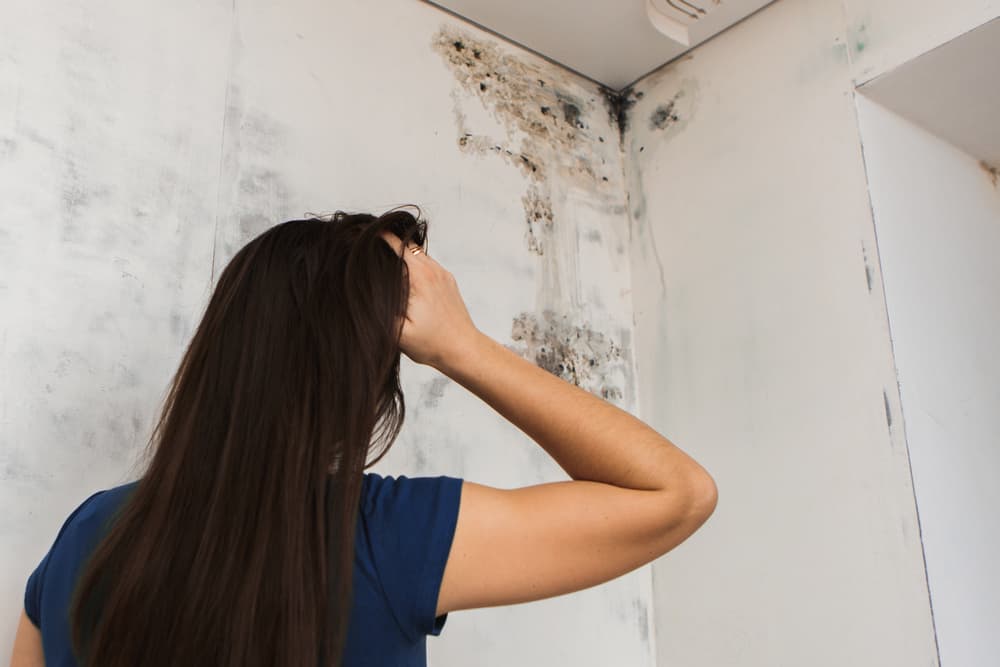
Mold Assessment Services Noyack, NY
We start every inspection with air testing airborne spore samples collected from inside your property and compared against outdoor baseline levels. That comparison tells you whether what’s in the air is consistent with normal outdoor conditions or elevated in a way that points to an active mold source inside your home. It’s not a visual guess. It’s data.
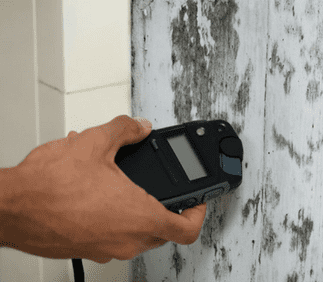
From there, we take swab samples from any visible surface growth for lab identification. Every sample goes to a certified, accredited laboratory not an in-house kit, not a consumer-grade test. Alongside the sampling, our inspection includes a water intrusion assessment to find the moisture source driving the problem, calibrated moisture readings throughout the property, and infrared thermal imaging to detect hidden mold activity behind walls and beneath floors without tearing anything apart. For Noyack homes that have been closed through a wet winter, or properties near the bay that took on water during a nor’easter, that thermal imaging step is often where the real story gets told.
The whole process wraps up with a detailed written report in plain language what was found, what it means, and what needs to happen next. If remediation is needed, we’re already licensed to handle it. You don’t have to start over with another contractor. And if your situation involves an insurance claim, the documentation is built to support that process from the start. Town of Southampton building requirements are factored in from the beginning, so there are no surprises on the permit side if structural work becomes necessary.
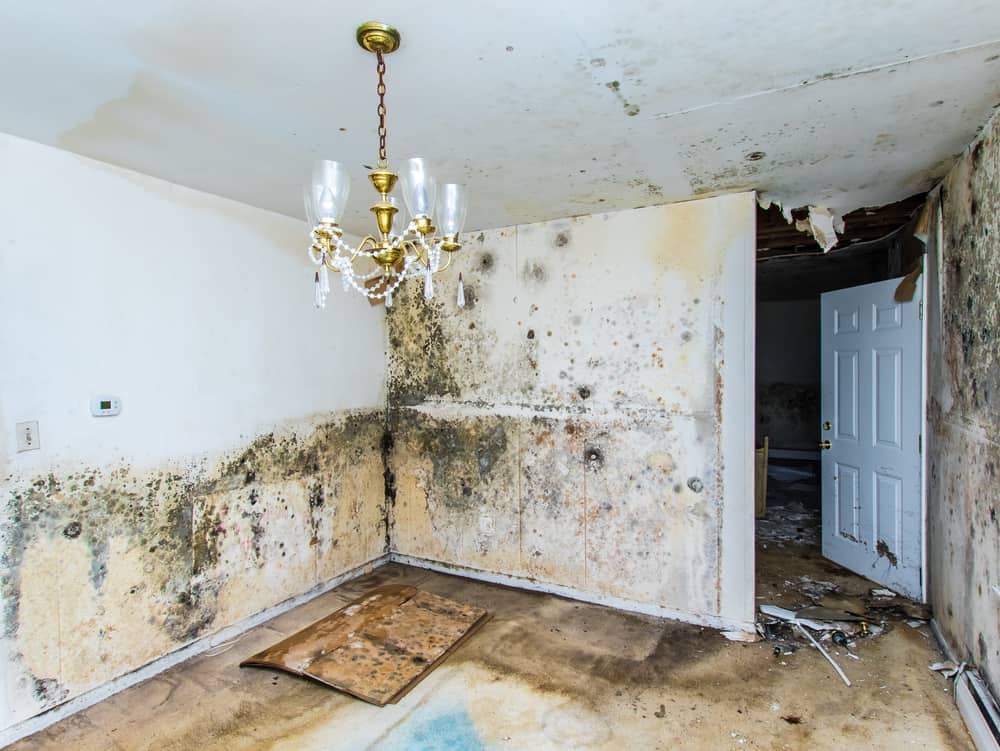
Ready to get started?
Indoor Air Quality Testing for Mold Noyack, NY
A complete mold inspection in Noyack covers a lot more ground than most people expect. Air sampling, surface swabs, moisture mapping, water intrusion tracing, infrared thermal imaging, photographic documentation, and a full written lab report that’s our standard, not an upgraded package. Because in a coastal community where salt air accelerates material breakdown and seasonal vacancy creates ideal conditions for hidden growth, a surface-level look isn’t enough.
Attic spaces are a common problem area in Noyack’s older cottage stock, where inadequate ventilation traps warm, moist air against the roof decking. Basements and crawl spaces are another especially in properties closer to the shoreline, where an elevated water table can push moisture through foundation walls even in dry weather. Both get a thorough look as part of every inspection we conduct.
For buyers and sellers navigating a high-value transaction along Noyack Road or in the Bay Point area, the written report we produce at the end of this inspection is built to hold up in a real estate negotiation, an insurance claim, or a conversation with a contractor about what needs to be fixed. New York State law requires that anyone assessing mold as part of a real estate transaction hold a licensed Mold Assessor credential. We carry that license, so the findings you get are legally defensible and professionally documented from the moment the inspection begins.
How do I know if my Noyack home needs a professional mold inspection?
The most obvious sign is a musty or earthy smell that doesn’t go away after airing the place out especially common when opening a seasonal home in Noyack after a long winter closure. Visible discoloration on walls, ceilings, or around windows is another clear indicator. But in Noyack’s coastal environment, mold often develops in places you can’t see: inside wall cavities where moisture has worked through the siding, beneath flooring in areas that took on water, or in attic spaces where condensation builds up over months of vacancy.
You don’t always need a visible problem to justify an inspection. If your property has been closed for an extended period, if there’s been any flooding or roof damage, or if you’re buying or selling and want a clean bill of health before closing, a professional assessment is the right call. Waiting for obvious signs usually means the problem has already had time to spread.
What does a mold inspection cost, and what does the price actually include?
A professional mold inspection typically runs between $300 and $1,000 depending on the size of the property and what’s involved. For a larger or more complex home which is common in Noyack given the area’s housing stock expect to land toward the higher end of that range. What that cost should always include is air sampling, surface swab collection, lab analysis at a certified facility, moisture readings, and a written report explaining the findings in plain language.
What it should not include is a company that gives you a verbal summary and calls it done. Lab results without interpretation, or a quick visual walkthrough without sampling, don’t give you anything you can act on especially if you need documentation for a real estate transaction or an insurance claim. Make sure you understand exactly what’s being measured, where the samples are going, and what the final deliverable looks like before you book anyone.
Does mold inspection in Noyack, NY require a licensed professional?
Yes. New York State law has required all mold assessors and mold remediators to hold licenses issued by the New York Department of Labor since January 1, 2016. That applies to anyone conducting a mold inspection in Noyack, whether it’s a standalone assessment or part of a real estate transaction. If a home inspector includes mold findings in their report, they’re required to hold a separate Mold Assessor license to do so legally a standard home inspection license doesn’t cover it.
Before scheduling anyone, look up the company’s license through the NY DOL’s online contractor search. It takes about two minutes and tells you whether they’re authorized to do the work. Any company that can’t point you to a verifiable state license number should be a hard pass regardless of how long they’ve been in business or what their website says.
How long does a mold inspection take, and when will I get the results?
For a typical residential property, the on-site inspection runs two to four hours depending on the size of the home and how many areas need to be assessed. Larger properties, multi-story homes, or houses with significant crawl space or attic access can take longer. The physical inspection air sampling, swabbing, moisture readings, thermal imaging is completed in that visit.
Lab results generally come back within a few business days of sample submission. Once the lab report is in, we compile it into the full written assessment that outlines what was found, where it was found, what species are present, and what the recommended next steps are. If you’re working against a real estate closing deadline in Noyack, it’s worth flagging that upfront so the timeline can be managed accordingly. Rush processing is sometimes available through the lab if the situation calls for it.
What types of mold are most commonly found in Noyack homes?
The most frequently identified molds in coastal Long Island homes include Cladosporium, Penicillium, Aspergillus, and Stachybotrys chartarum the last of which is what most people refer to as black mold. Stachybotrys tends to develop in areas with prolonged, chronic moisture exposure rather than from a single water event, which makes it particularly relevant for Noyack properties that have dealt with repeated seasonal flooding, persistent basement dampness from a high water table, or years of inadequate ventilation in a closed attic.
Not every dark-colored growth is Stachybotrys, and not every mold problem is toxic in the clinical sense but all active mold growth in a living space is a problem worth addressing. The only way to know exactly what species you’re dealing with, and in what concentrations, is through lab analysis of properly collected samples. That’s why the swab and air sampling steps matter a visual inspection alone can’t tell you what you’re actually looking at.
Can mold affect the sale of a home in Noyack, NY?
It can, and in a significant way. Studies consistently show that home values can drop between 20% and 37% when mold is discovered, and roughly half of prospective buyers walk away from a deal entirely when mold is part of the picture. In a market where Noyack homes regularly trade above $1,000,000, that’s not an abstract risk it’s a potential six-figure hit to your sale price or a deal that falls apart at the worst possible moment.
Sellers who get a mold inspection before listing are in a much stronger position. If there’s a problem, you find it on your timeline and address it before it becomes a buyer’s negotiating tool. If your property is clean, you have a documented, licensed assessment to show for it which carries real weight with buyers, their attorneys, and their inspectors in a market as discerning as the Hamptons. Either way, you’re in control of the conversation rather than reacting to someone else’s findings at the closing table.
Useful Links
Other Services we provide in Noyack