
Hear from Our Customers
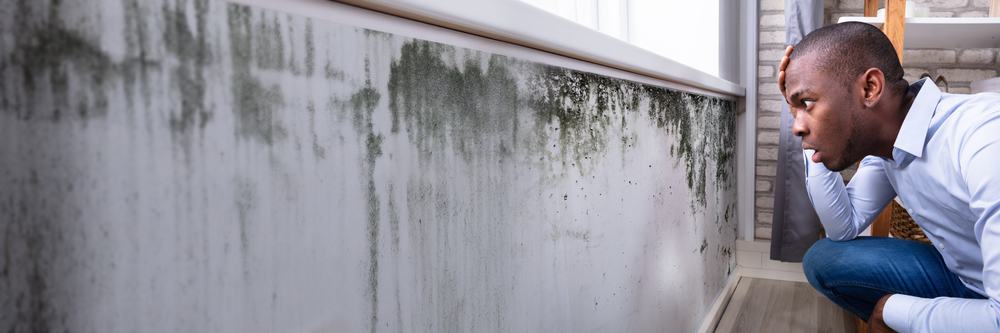
Quiogue properties carry a specific mold risk that most people underestimate. The combination of Quantuck Bay humidity, salt air off the water, and months of seasonal vacancy creates the kind of slow, hidden moisture buildup that mold thrives on. By the time there’s a visible patch on a wall or a smell you can’t ignore, the problem has usually been developing for a while.
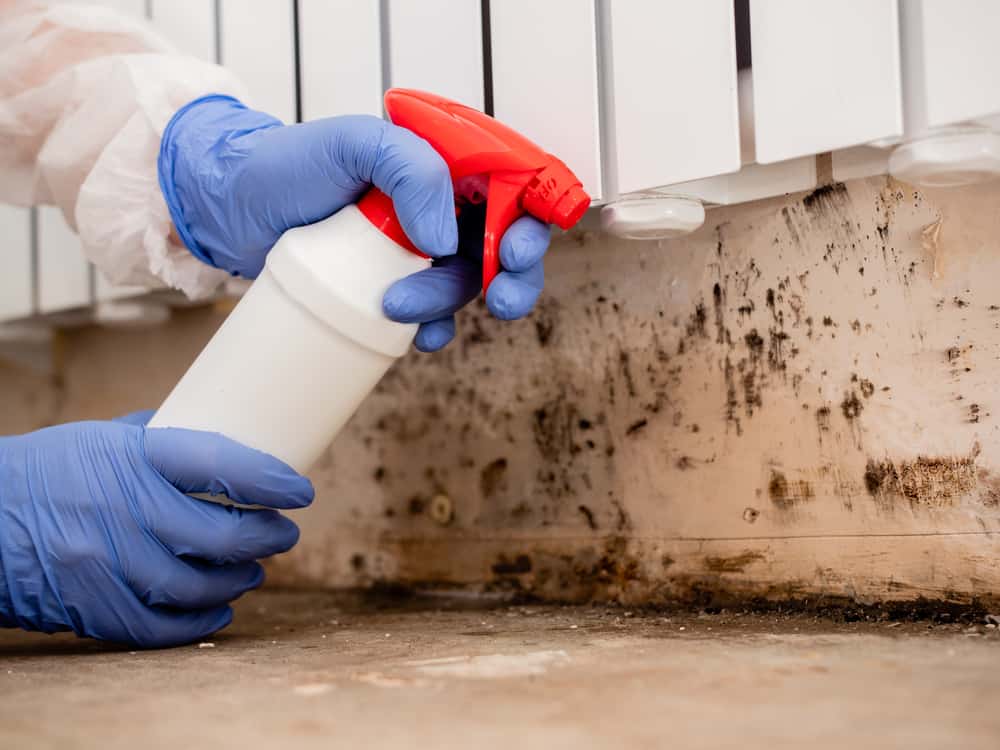
A professional mold inspection in Quiogue, NY gives you a documented picture of what’s actually happening inside your home — not guesswork, not a visual scan, but air samples, surface swabs, and moisture readings that go through an accredited lab. You get real data. And if something is found, you know exactly where it is, what type it is, and what needs to happen next.
For homeowners in Quiogue, the financial case is straightforward. Properties in this area regularly sell in the $1.4 to $7 million range. A mold problem that surfaces during a sale — or gets discovered by a buyer’s inspector — can cut that number by 20 to 37 percent. A mold inspection costs a few hundred dollars. The math isn’t complicated.
We’ve been working across Suffolk County since before most of today’s competitors existed. That’s 31 years of real inspections, real lab results, and real remediation work on Long Island — including the bayfront and seasonal properties that define Quiogue, Quogue, and Westhampton Beach.
Every technician we send holds IICRC certification. We carry NY State licensing for both mold assessment and mold remediation, which has been legally required since 2016. That’s not a detail to gloss over — it means every report we produce is legally valid, lab-backed, and defensible whether you’re navigating a real estate transaction, an insurance claim, or simply trying to make a sound decision about your home.
We run a dedicated Suffolk County line at 631-587-5300 because this county is where we’ve built our reputation — one inspection at a time, over three decades.
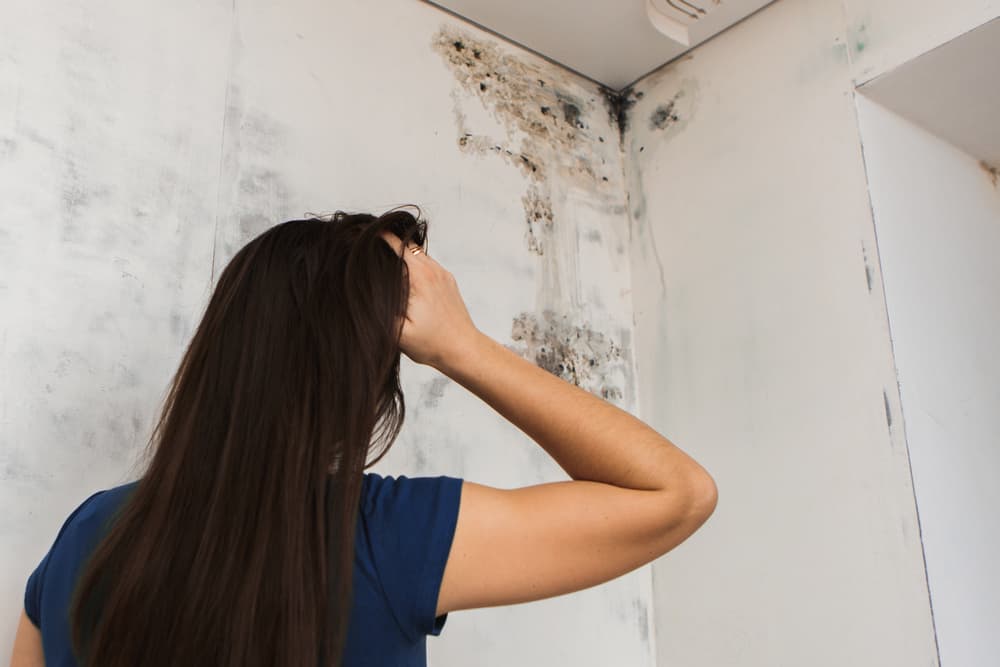
The inspection starts before we touch anything. We ask about the property — how long it’s been closed, whether there’s been any water intrusion, what you’ve noticed and when. For seasonal homes in Quiogue that have been shut down since fall, that context matters. It tells us where to look first.
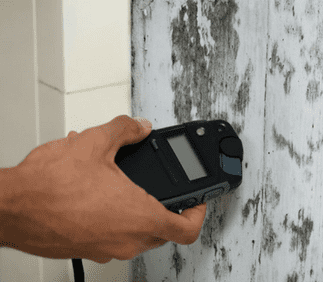
From there, we move through a documented five-point process: air testing using spore trap samples, surface swab collection from any visible growth, a water intrusion inspection to find the moisture source driving the problem, calibrated moisture meter readings throughout the structure, and full photographic documentation of everything we find. We also use infrared thermal imaging to detect moisture hiding behind walls, under floors, and inside ceiling cavities — areas that look completely fine to the naked eye but are actively feeding mold growth.
All samples go to an accredited laboratory. When results come back, you receive a written report in plain language — not raw spore count tables, but a clear summary of what was found, where, what species are present, and what the recommended next steps are. If remediation is needed, we can handle that too. If structural materials need to be replaced, we rebuild. You don’t need to find three different contractors — one call covers the full scope.
Ready to get started?
A mold inspection in Quiogue, NY isn’t the same as one in a newer inland suburb. The homes here are older, often historic, and built before modern vapor barriers and humidity management systems were standard. Add in the persistent moisture from Quantuck Bay, Aspatuck Creek running through the area, and the salt air that accelerates material breakdown — and you have a property environment that requires a more thorough approach than a basic visual walkthrough.
Our residential mold inspection covers the full structure: basement, crawl space, attic, HVAC systems, wall cavities, and any area where moisture has a pathway in. For bayfront or near-bay properties in Quiogue, we pay particular attention to below-grade spaces and any exterior wall assembly facing the water. For homes that have been seasonally vacant, we focus on the areas most likely to have developed undetected growth during months of minimal ventilation and no active dehumidification.
We also handle commercial mold inspection in Quiogue, NY for property managers, rental owners, and anyone managing multiple structures in the area. If you’re preparing to list a property, closing on a purchase, or returning to a home that’s been sitting since October, this is the inspection that tells you what you’re actually dealing with — documented, lab-verified, and written clearly enough to act on.
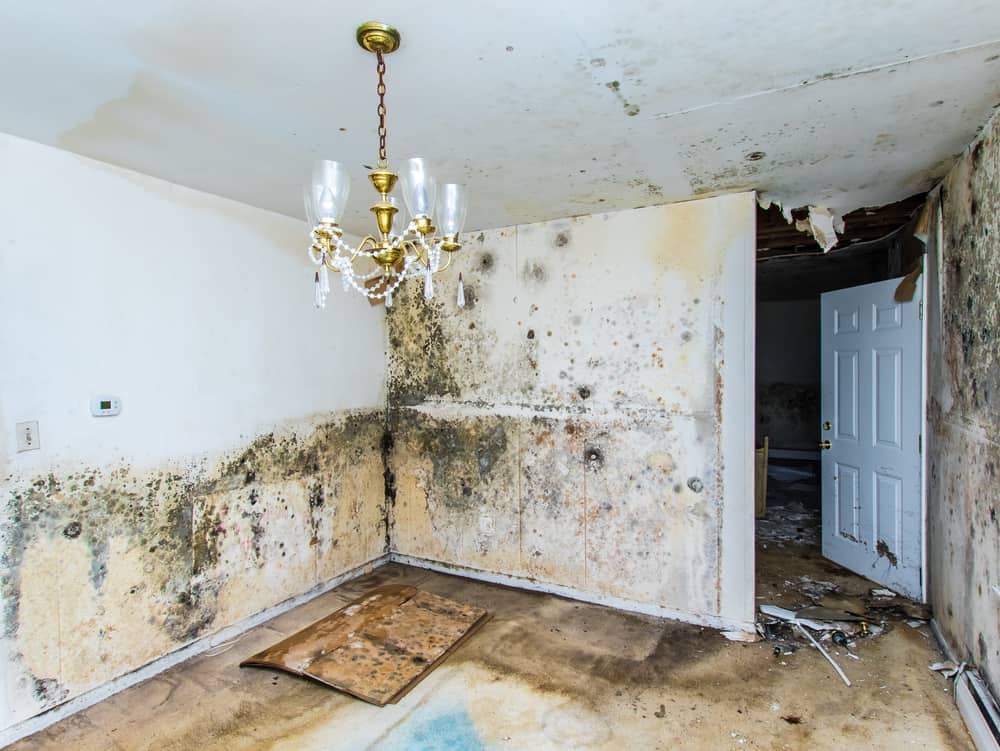
It’s one of the most consistent patterns we see in coastal Suffolk County communities like Quiogue. When a home closes for the season — HVAC dialed back, dehumidifiers off, no one walking through — moisture has months to accumulate without anyone noticing. A slow roof leak, a cracked foundation wall letting groundwater in, condensation building up in an unventilated crawl space — none of these trigger any alarm because no one is there to see them. Mold can begin colonizing within 24 to 48 hours of moisture intrusion, and by the time a seasonal owner returns in May or June, a problem that started in November has had six months to spread.
For Quiogue properties specifically, the bayfront humidity and salt air compound this. Even without a visible leak, ambient moisture levels in homes near Quantuck Bay can stay elevated enough during the off-season to sustain mold growth in poorly ventilated spaces. A mold inspection at the start of your occupancy season — before your family is spending extended time in the home — is the most practical way to catch what developed while you were away.
Nationally, professional mold inspections typically run between $300 and $700 for a standard residential property, with costs rising for larger homes, additional sampling, or properties that require more extensive infrared scanning. In the Hamptons corridor — where properties are larger, older, and often more complex — you should expect to be toward the middle to upper end of that range for a thorough inspection that includes air sampling, surface swabs, moisture readings, and a written lab report.
What’s worth keeping in mind is the context. If your Quiogue home is valued at $2 million and a mold problem reduces that value by even 20 percent, you’re looking at a $400,000 loss. A $500 inspection is not a significant financial decision in that context — it’s responsible property management. The cost of not knowing is almost always higher than the cost of finding out. We’re transparent about pricing before we schedule, so you know exactly what you’re paying for before we arrive.
Yes — and this is one of the most common scenarios we encounter in communities like Quiogue, where a significant portion of the housing stock predates modern construction standards. Older homes often have wall assemblies without proper vapor barriers, original insulation that has lost its moisture resistance over decades, and framing that has been exposed to Long Island’s coastal humidity for generations. Mold can establish itself inside a wall cavity and grow for months or years without producing any visible sign on the finished surface.
This is exactly why we use infrared thermal imaging as part of every inspection. Infrared cameras detect temperature differentials caused by moisture accumulation — which shows up as a distinct signature even when the wall surface looks completely normal. It’s not a replacement for air and surface sampling, but it tells us where to look and what to sample. For a historic or legacy property in Quiogue, this technology is not optional — it’s the difference between a thorough inspection and one that misses the actual problem.
Yes, and this is worth understanding before you hire anyone. New York State law has required all mold assessors and mold remediators to hold official licenses issued by the Department of Labor since January 1, 2016. An assessor license is required to conduct the inspection and produce a written report. A remediator license is required to perform the actual cleanup work. These are separate licenses, and both need to be held by any company offering the full scope of services.
You can verify any contractor’s license directly through the NY DOL’s online search tool before you hire them. We hold both — mold assessment and mold remediation — which means every inspection we conduct and every remediation project we execute is fully compliant with state law. For Quiogue homeowners dealing with a real estate transaction or an insurance claim, this matters beyond compliance. A report produced by an unlicensed assessor has no legal standing. A report from a licensed assessor does.
The most frequently identified mold types in coastal Long Island properties include Cladosporium, Aspergillus, Penicillium, and Stachybotrys chartarum — the last of which is what most people refer to as black mold. Stachybotrys is less common than the others but requires sustained moisture over time to develop, which makes it a realistic concern in homes that have experienced prolonged water intrusion or extended seasonal vacancy without proper ventilation.
In bayfront communities like Quiogue, the elevated ambient humidity near Quantuck Bay creates favorable conditions for Cladosporium and Aspergillus year-round — both of which are significant respiratory irritants, particularly for people with asthma, allergies, or compromised immune systems. The only way to know which species are present and at what concentration is through accredited laboratory analysis of air and surface samples. Black mold testing in Quiogue, NY is part of our standard inspection process — we don’t charge extra to identify what type of mold you’re dealing with. That information is in every report we produce.
It’s one of the most practical uses of a professional mold inspection in this market. For buyers, a mold assessment before closing gives you documented, lab-verified information about the property’s condition — information that can be used in negotiations, factored into your offer, or used to walk away from a deal that doesn’t make sense. At the price points common in Quiogue, having that documentation is standard due diligence, and most experienced real estate attorneys in the Southampton area will recommend it.
For sellers, a pre-listing mold inspection eliminates one of the most common deal-killers in the Hamptons real estate market. If there’s a problem, you find it on your terms and address it before it surfaces during a buyer’s inspection at the worst possible moment. If the inspection comes back clean, you have a lab-backed report to share with prospective buyers — which carries real weight in a market where buyers are sophisticated and thorough. Either way, you’re in a better position than if you’d gone in without one.
Useful Links
Other Services we provide in Quiogue