
Mold Inspection in Riverside, NY
When the Peconic River Comes Indoors, You'll Know It
Hear from Our Customers
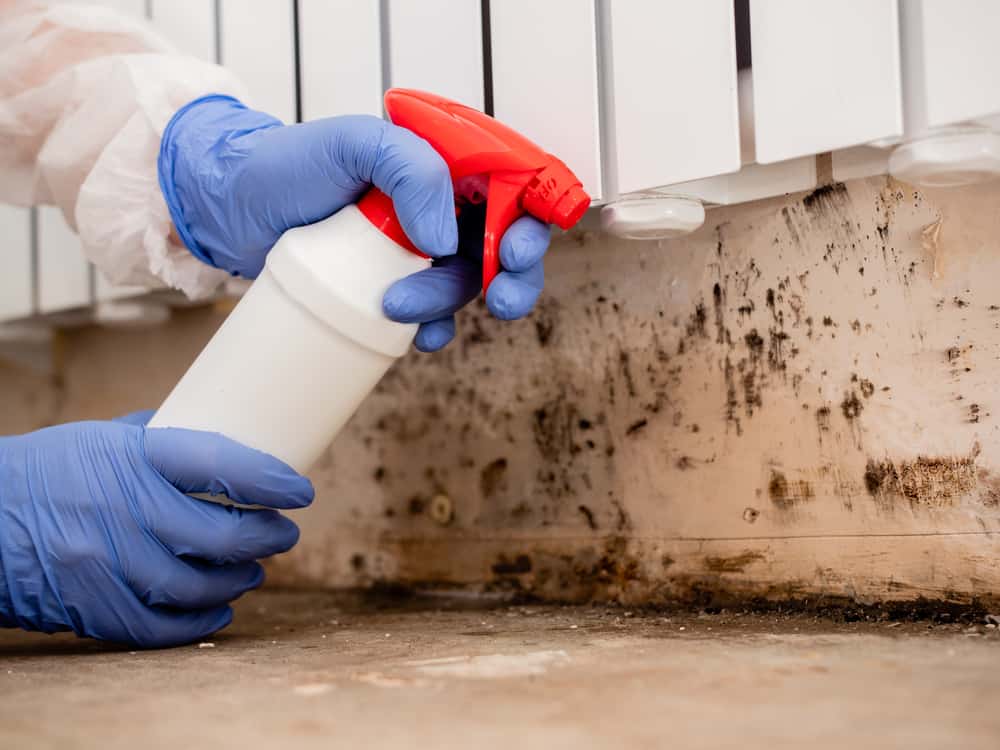
Residential Mold Detection in Riverside, NY
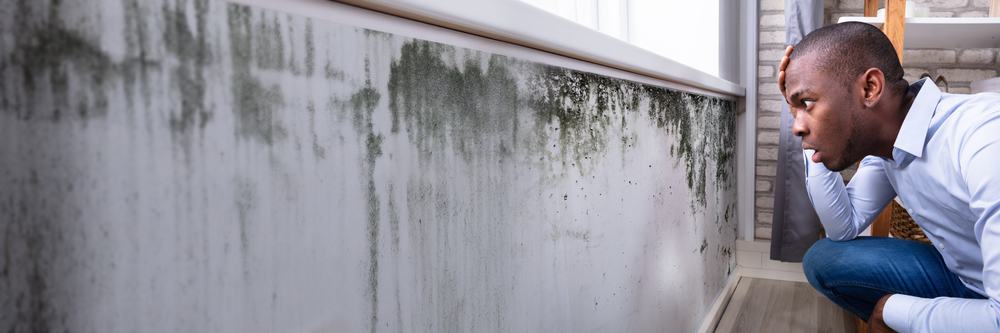
Most people who call about mold already know something is wrong. They just don’t know where it is or how bad it’s gotten. That’s the part a real mold inspection in Riverside, NY answers not with a flashlight walkthrough, but with lab-verified results, moisture readings, and a written report that tells you exactly what you’re dealing with.
Riverside’s geography makes this more than a routine check. Sitting on the south bank of the Peconic River means elevated groundwater is a baseline condition here not a seasonal exception. That persistent moisture pressure works its way through foundation walls, crawl spaces, and into wall cavities long before it shows up as a visible stain. Homes throughout Riverside, many of them built decades ago without modern vapor barriers or envelope standards, are especially prone to this kind of hidden growth.
Once you know what’s there, you can actually do something about it. You stop wondering, stop second-guessing, and stop putting your family’s health on hold. Whether the inspection comes back clean or reveals a problem that needs attention, you walk away with real answers and a clear path forward.
Mold Inspection Company in Riverside, NY
We’ve been serving Suffolk County homeowners for over 31 years long enough to have seen every mold scenario that Riverside and the surrounding East End produces, including the specific combination of riverfront moisture, high water tables, and aging housing stock that defines this community.
We hold New York State licenses for both mold assessment and mold remediation two separate credentials required by state law since 2016. Every technician who walks into your home carries IICRC certification. These aren’t claims you have to take on faith; they’re verifiable through the NY Department of Labor’s licensed contractor database.
What sets us apart from most inspection-only companies is that we handle everything. If the inspection finds a problem, we remediate it. If remediation requires removing structural materials, we rebuild. One team, one call, start to finish and we handle insurance documentation along the way so you don’t have to navigate that alone.
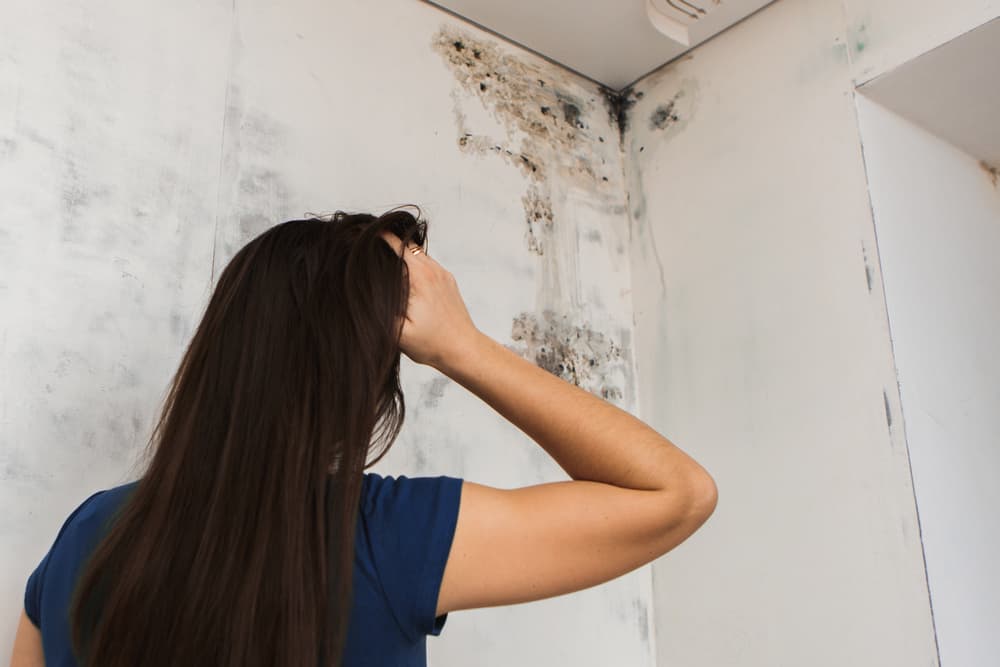
Professional Mold Assessment Services in Riverside, NY
The inspection starts with air testing pulling airborne spore samples from inside the home and comparing them against an outdoor control sample taken from your property. That comparison is what tells the lab whether elevated spore counts are coming from outside or from a source inside your walls. It’s a step that matters more in Riverside, where ambient outdoor mold counts can run higher than inland areas due to proximity to the Peconic River and coastal humidity.
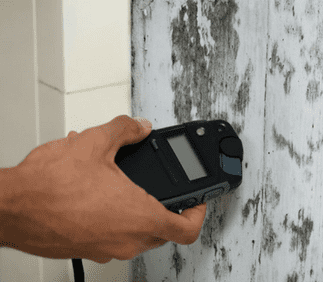
From there, swab samples are collected from any surfaces showing visible growth or discoloration. Moisture levels are measured throughout the home using calibrated equipment not guesswork and a full water intrusion inspection identifies wherever moisture is entering the structure. In Riverside, that often means checking foundation walls and crawl spaces for groundwater seepage, and inspecting attic spaces where inadequate ventilation has been trapping summer humidity or where ice dams have forced water under shingles during freeze-thaw cycles.
Infrared thermal imaging is used to look inside wall cavities and beneath flooring the places where mold establishes itself long before it’s visible. Everything is photographed and documented. The final written report includes your lab results, the mold types identified, spore counts, moisture sources, and specific recommended next steps in plain language, not industry terminology.
Ready to get started?
Indoor Air Quality Testing for Mold in Riverside, NY
Our mold inspection in Riverside, NY covers the full picture not just the surfaces you can see. Air sampling, surface swab collection, moisture measurement, water intrusion inspection, infrared thermal imaging, and complete photographic documentation are all part of the process. The samples go to an accredited laboratory, and the results come back in a written report that’s legally defensible for insurance claims and real estate transactions.
That last point matters here. Riverside is in the middle of an active revitalization the Riverside Rediscovered plan has been driving new investment, rising property values, and increased real estate activity throughout the tri-hamlet corridor. If you’re buying or selling a home in this market, a professional mold assessment report is the documentation that protects the transaction. Undetected mold can reduce a home’s resale value by 20 to 37 percent and cause buyers to walk away entirely even after remediation.
For homeowners in Riverside dealing with storm-related flooding or water damage from the Peconic River corridor, we also handle insurance communication from start to finish. If the mold discovered requires remediation and remediation requires permits from the Town of Southampton Building Department that process is handled by our licensed team. You’re not left coordinating between an inspector, a remediator, and a contractor. It’s one call, and it stays that way.
Does living near the Peconic River in Riverside actually increase my mold risk?
Yes and it’s not a small difference. Riverside’s position on the south bank of the Peconic River means the water table beneath most homes in the hamlet sits significantly higher than in inland Suffolk County communities. That elevated groundwater creates constant hydrostatic pressure against foundation walls and crawl space floors. Over time, even well-built foundations develop minor cracks or seepage points, and once moisture gets in, mold follows often inside wall cavities or beneath flooring where you won’t see it until it’s been growing for months.
The Central Pine Barrens Reserve, which forms Riverside’s southern boundary, compounds this. The sandy, highly permeable soils of the Pine Barrens allow rainfall to move rapidly into the groundwater system directly beneath the hamlet. Heavy rain events translate quickly into elevated water table pressure on your home’s foundation. Add in the coastal and estuary humidity that comes with being at the confluence of the Peconic River and Peconic Bay, and Riverside homes face a moisture load that most Long Island communities simply don’t. A professional mold inspection in Riverside, NY that includes moisture measurement and infrared imaging is the only way to know what that moisture is doing inside your walls.
How much does a mold inspection in Riverside, NY typically cost?
Professional mold inspections generally run between $300 and $1,000 depending on the size of the home, the number of samples collected, and whether specialized equipment like infrared thermal imaging is used. For most Riverside homes which tend to be modest in size but complex in moisture risk given the riverfront location you’re typically looking at the middle of that range for a thorough inspection that includes air sampling, surface swabs, moisture readings, and a full written lab report.
The more useful way to think about the cost is in context. Mold remediation, when a problem is found after it’s had time to spread, runs from $1,150 on the low end to $20,000 or more in severe cases. Undetected mold can reduce your home’s resale value by 20 to 37 percent a real concern in Riverside’s current market where the Rediscovered initiative is driving property appreciation. The inspection cost is the smallest number in the entire equation. It’s the one that tells you whether you have a $500 problem or a $15,000 problem before it becomes the latter.
What's the difference between a mold inspection and a standard home inspection in New York?
A standard home inspection is a generalist assessment the inspector looks at structure, systems, and major components and flags visible concerns. Mold might come up if it’s obvious, but a home inspector is not equipped or licensed to test for it, identify the species, measure spore concentrations, or locate hidden growth behind walls. In New York State, mold assessment is a separate licensed discipline, and since January 1, 2016, anyone performing mold assessment professionally must hold a state-issued Mold Assessor license from the NY Department of Labor.
A dedicated mold inspection uses air sampling, surface swab collection, calibrated moisture meters, and infrared thermal imaging to find mold that a visual walkthrough would never catch. The samples go to an accredited lab, and the results come back with specific mold types, spore counts, and moisture source identification. For Riverside homeowners especially those buying or selling property in the current market this is the documentation that a home inspection simply cannot produce. If your home inspector mentions a concern about moisture or musty odors, a separate mold inspection is the appropriate follow-up, not a second home inspection.
How do I know if the mold inspector I hire in Riverside is actually licensed?
New York State requires all mold assessors and mold remediators to hold separate licenses issued by the NY Department of Labor. This requirement has been in effect since January 1, 2016, and it applies to every company operating in Riverside and across Suffolk County. The licenses are publicly searchable you can verify any company’s credentials directly through the NY DOL’s licensed contractor database before you hire them.
This matters because not every company advertising mold inspection services in the Riverside area holds both licenses. Some hold one but not the other. Some hold neither and are operating illegally. A mold assessment report produced by an unlicensed inspector carries no legal weight it cannot be used for insurance claims, real estate disclosures, or remediation documentation. We hold both the Mold Assessor and Mold Remediator licenses required by state law, and all our technicians are IICRC-certified. Before signing anything with any mold company, ask for their license numbers and verify them. It takes two minutes and protects you from paying for a report that means nothing.
Can mold grow in my Riverside home even if I don't see any visible signs?
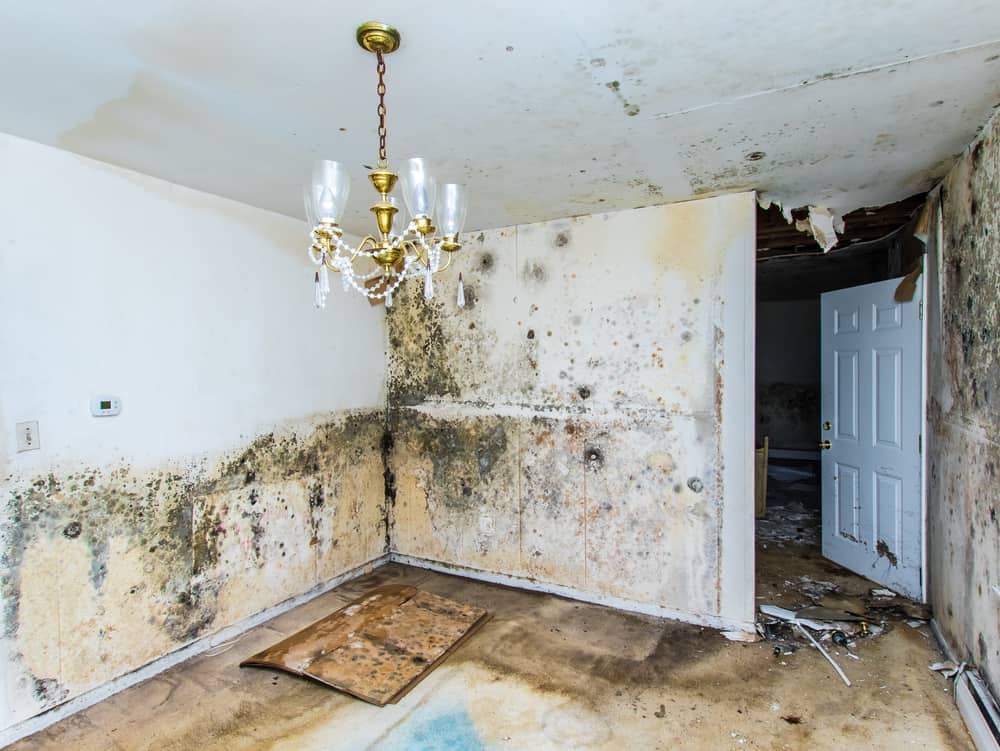
This is one of the most common misconceptions about mold that if you can’t see it, it isn’t there. In reality, the majority of significant mold growth in Riverside homes develops in places that are never visible during normal daily life: inside wall cavities where groundwater has been seeping through the foundation, beneath flooring where a crawl space has inadequate vapor barriers, in attic spaces where summer humidity has been trapped against the roof deck, or behind bathroom tile where a slow plumbing leak has been running for months.
The musty smell that many Riverside homeowners notice especially in basements or on the ground floor is often the first sign that mold is present somewhere it can’t be seen. Unexplained respiratory symptoms, persistent allergy-like reactions, or worsening asthma in household members are also common indicators. Infrared thermal imaging, which we use as part of every mold inspection in Riverside, NY, detects the moisture signatures that indicate hidden mold growth by reading temperature differentials inside wall assemblies and beneath flooring without cutting into anything. If something feels off in your home, the absence of visible mold is not a clean bill of health.
When is the best time of year to schedule a mold inspection in Riverside, NY?
There’s no single best month, but there are windows when mold problems in Riverside are most likely to be discovered or most likely to be growing. Spring is when groundwater levels are highest following winter snowmelt, and the Peconic River runs at its fullest which is when foundation seepage and crawl space moisture intrusion are most active. If you’ve noticed dampness in your basement or crawl space after winter, spring is the right time to get it checked before mold has had a full season to establish.
Summer brings a different risk: Long Island’s coastal humidity peaks between June and August, and homes without adequate dehumidification develop mold in attics, behind walls, and around HVAC systems even without a specific water event. Fall inspections often reveal what built up silently over the summer. Winter brings ice dam risk freeze-thaw cycles push water under roofing and into attic spaces, and those events show up in spring inspections as established attic mold colonies. The honest answer is that if you have a reason to suspect a problem a smell, a symptom, a recent water event, or a home purchase in progress that’s the right time, regardless of season. Waiting for the “right” time of year is usually just waiting for the problem to get bigger.
Useful Links
Other Services we provide in Riverside