
Mold Inspection in Southold, NY
When a North Fork Home Hides What You Can't See

Hear from Our Customers
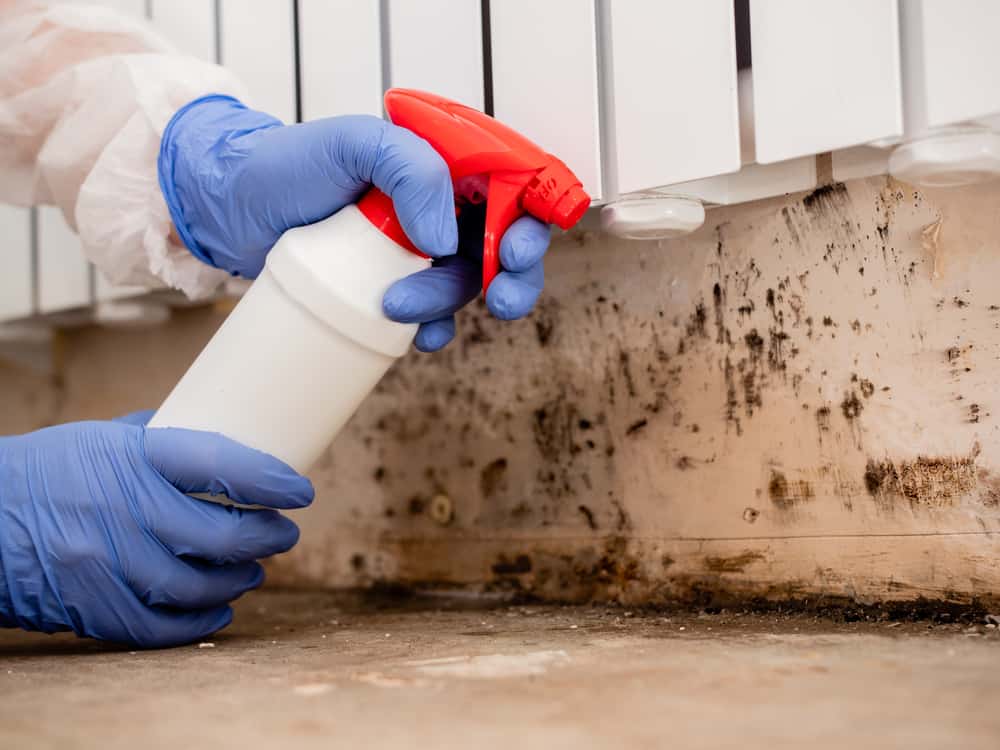
Residential Mold Inspection Southold, NY
Most Southold homeowners don’t discover mold during the winter. They discover it in May, when they open up a property that’s been closed since October and something smells off in the basement or the back bedroom. By then, it’s already been growing for months quietly feeding on the moisture that crept in through an aging crawl space, a slow roof leak, or the kind of persistent coastal humidity that comes with living on a peninsula surrounded by Long Island Sound and the Peconic Bay.
A professional mold inspection in Southold, NY gives you a clear, documented picture of what’s in your home not a guess, not a visual walkthrough, but actual air and surface samples sent to an accredited lab. You get specific mold species identified, spore counts measured, and a written report that tells you exactly what was found and what to do about it.
That matters whether you’re a year-round resident in Southold hamlet, a second-home owner coming back to Cutchogue or Orient for the season, or a buyer about to close on a 19th-century farmhouse in East Marion. Mold doesn’t wait, and neither should you.
Mold Inspection Company Southold, NY
We’ve been serving Nassau and Suffolk County homeowners for over three decades long before mold inspection licensing was even required in New York State. When NYS mandated that all mold assessors and remediators hold a Department of Labor license in 2016, we already had the credentials and the experience to back them up. We hold both mold assessment and mold remediation which is not as common as you’d think.
Every technician on our team carries IICRC certification. Not just the owner, not just the senior staff everyone who comes to your Southold home. That’s a non-negotiable internal standard, and it shows in how the work gets done.
From waterfront properties along the Peconic Bay to historic farmhouses in Cutchogue and seasonal homes in Orient, we’ve worked across the full range of what Southold’s housing stock looks like. We know this area, we know its quirks, and we’ve already established a service presence on the North Fork.
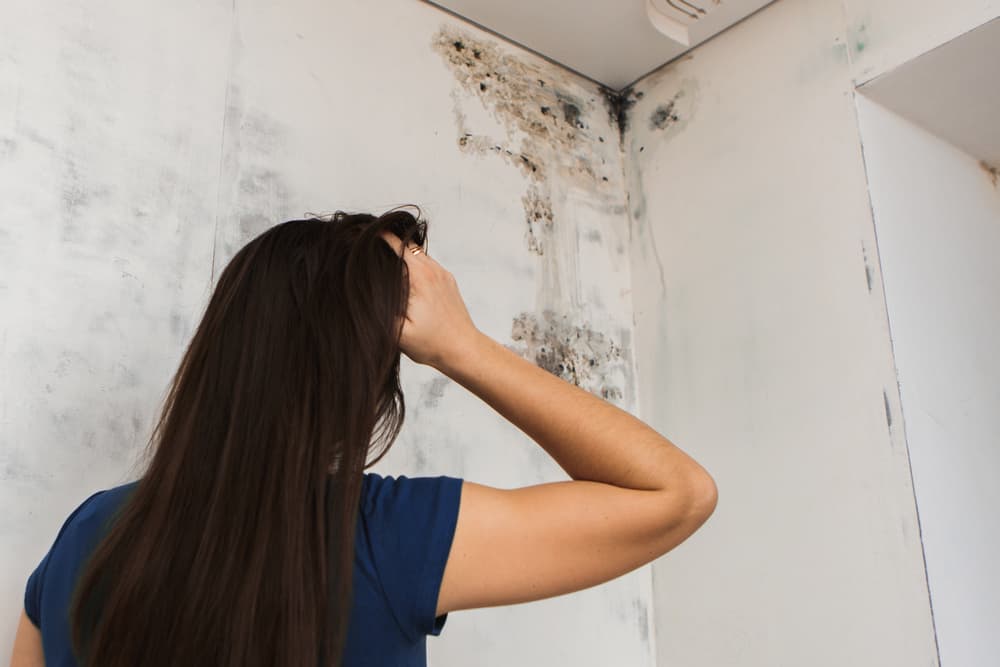
Professional Mold Inspector Southold, NY
The inspection starts with airborne spore sampling air is collected from multiple areas of your home and sent to an accredited lab to measure what’s actually floating through the air you’re breathing. At the same time, we take surface swab samples from any visible mold colonies to identify the specific species present. This combination of air and surface testing gives a much more complete picture than either method alone.
From there, the focus shifts to the moisture source because mold is always a symptom of a water problem. The inspection includes a full water intrusion assessment and calibrated moisture readings throughout the structure. In Southold’s older homes, that often means checking crawl spaces with inadequate vapor barriers, attics with poor ventilation, and basement walls that allow ground moisture in from the high water table that runs throughout much of the North Fork peninsula.
For anything that can’t be seen with the naked eye mold growing inside wall cavities, beneath floors, or behind ceilings we use infrared thermal imaging to detect temperature differentials that indicate hidden moisture activity. Everything is photographed and documented. When it’s done, you receive a written report in plain language: what was found, where it was found, what species, what concentrations, and what the recommended next steps are.
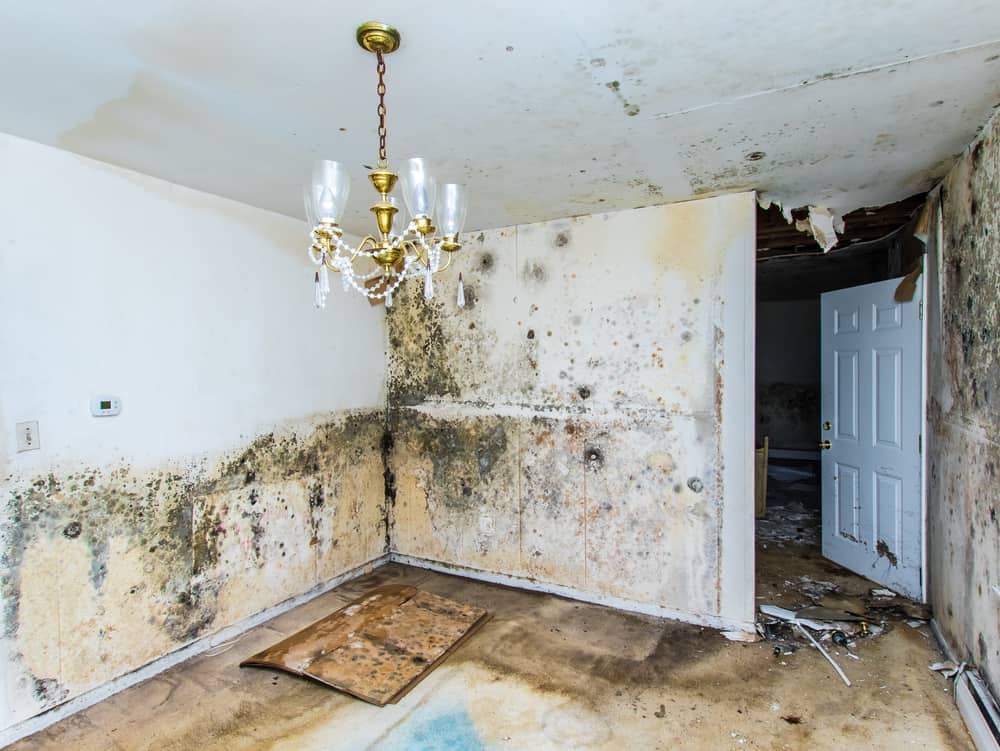
Ready to get started?
Mold Assessment Services Southold, NY
Our mold inspection service includes everything needed to give you a complete, documented assessment air testing, surface swab sampling, moisture measurement, water intrusion analysis, infrared thermal imaging for hidden mold detection, and a written report backed by accredited laboratory results. There’s no separate charge for the thermal imaging, and no raw lab data handed to you without context. The written report translates the findings into clear language with specific recommended remediation steps.
For Southold property owners dealing with a situation that goes beyond inspection active mold growth that needs to be removed, structural materials that need to come out, or areas that need to be rebuilt after remediation we handle all of it. Licensed mold remediation, full reconstruction, and insurance claim documentation are all available through our company. You don’t have to find a separate contractor or manage multiple vendors from a distance.
That’s a real advantage in a town like Southold, where the geographic distance from mid-Island makes coordinating multiple contractors more difficult, and where insurance documentation after a coastal flooding event or storm damage claim needs to be thorough and precise. We work directly with your insurance carrier from the first call through project completion handling the communication so you don’t have to.
Is mold really that common in Southold homes, or am I overreacting?
You’re not overreacting. Southold’s environment is genuinely one of the higher-risk settings for mold on Long Island. The town sits on a narrow peninsula with Long Island Sound to the north and the Peconic Bay system to the south that dual-water exposure keeps relative humidity consistently elevated throughout the warmer months. Add in a housing stock that includes a significant number of homes built in the 19th and early 20th centuries, and you have older construction that was never designed with modern moisture control standards in mind. Crawl spaces without proper vapor barriers, attics with inadequate ventilation, and basement walls that allow ground moisture infiltration are common findings in Southold properties.
The seasonal vacancy factor makes it worse. A home that’s closed from October through April with no humidity control, no active heating maintenance, and no one checking on it is a home where mold can establish itself quietly and spread without interruption. A professional inspection gives you a real answer rather than a guess.
What does a mold inspection in Southold, NY actually cost?
A professional mold inspection typically falls in the range of $300 to $700 for a residential property, depending on the size of the home, the number of samples collected, and whether additional testing methods like infrared thermal imaging are used. Larger properties including the waterfront estates and agricultural properties with multiple outbuildings that are common in Southold may fall toward the higher end of that range.
What’s worth keeping in mind is the context. Southold’s real estate market is high-value, with properties in many hamlets regularly trading well above $500,000. Mold that goes undetected and untreated can reduce a home’s value by 20 to 37 percent, according to research on mold-affected property sales. The cost of a thorough inspection is minimal relative to that exposure. And if mold is found early before it has spread through wall cavities or into the HVAC system the remediation cost is a fraction of what it becomes if the problem is left to grow through another winter. Getting the inspection done now is almost always the less expensive path.
How do I know if the mold inspector I hire is actually licensed in New York?
This is one of the most important questions to ask before hiring anyone. New York State has required all mold assessors and mold remediators to hold a Department of Labor license since January 1, 2016. This is a legal requirement not a voluntary credential, not a certification program and it applies to every company operating in Southold just as it does across all of New York. The license is public record and can be verified through the NY DOL’s online license search tool.
What many homeowners don’t realize is that assessment and remediation are two separate licenses. A company can hold one without the other. We hold both meaning we are legally authorized to both inspect your home and perform the remediation if mold is found. Before signing anything with any mold company, ask for their license number and verify it yourself through the state’s database. If a company can’t or won’t provide that number, that’s your answer.
My Southold property sits empty most of the winter. What should I inspect first?
Seasonally vacant properties in Southold follow a pretty consistent pattern when it comes to mold risk. The areas to prioritize are crawl spaces, attics, and basements the three zones that accumulate moisture the fastest when a home is closed up without active climate control. Crawl spaces are especially common problem areas in Southold’s older housing stock, particularly in homes that lack a proper vapor barrier or have dirt floors. Ground moisture migrates upward, condenses on structural wood, and mold follows.
Attics are the second major concern. Southold’s older homes frequently have inadequate attic ventilation by modern standards, and when a home is sealed up for winter, temperature differentials between the living space and the attic can drive condensation into the roof assembly. Ice dam damage from winter storms can also introduce water into the attic without any obvious interior sign. The third area is anywhere near plumbing pipes that froze and cracked over the winter in an unheated or under-heated property can introduce significant water into wall cavities before anyone notices. Infrared thermal imaging during the inspection can catch all of this even when there’s no visible sign of a problem.
Can mold inspection findings be used to support a homeowner's insurance claim?
Yes and having proper documentation from a licensed mold inspector is often the difference between a claim being approved and being denied. Insurance carriers require specific, verifiable evidence of the moisture source, the extent of mold growth, and the connection between a covered event (like storm flooding or a burst pipe) and the mold that resulted. A written report backed by accredited laboratory results provides exactly that evidence in a format insurers recognize and accept.
This is particularly relevant for Southold property owners whose homes have experienced coastal flooding, nor’easter damage, or water intrusion from winter storms all of which are real and recurring events on the North Fork. We handle all communication and documentation with your insurance carrier directly, from the initial inspection through project completion. If you’re managing a claim remotely which many Southold second-home owners are having one company handle the inspection, remediation, and insurance liaison removes a significant logistical burden from your plate.
How long does a professional mold inspection take for a typical Southold home?
For a standard single-family home, the on-site portion of a mold inspection typically takes between two and four hours. Larger properties and Southold has a fair number of them, including historic farmhouses with multiple outbuildings, waterfront estates with finished basements and crawl spaces, and vineyard properties with ancillary structures can run longer depending on the square footage and the number of areas being sampled.
The lab analysis portion takes additional time after the on-site visit. Samples collected during the inspection are sent to an accredited laboratory, and turnaround time for results is typically two to five business days depending on the lab’s standard processing timeline. Once results are back, we compile and deliver the written report summarizing the lab findings, identifying mold species and spore concentrations, documenting moisture sources, and outlining specific recommended next steps. If you’re working against a real estate closing deadline or need to move quickly before the start of the season, it’s worth mentioning that timeline upfront so the inspection can be scheduled and processed accordingly.
Useful Links
Other Services we provide in Southold