

Hear from Our Customers
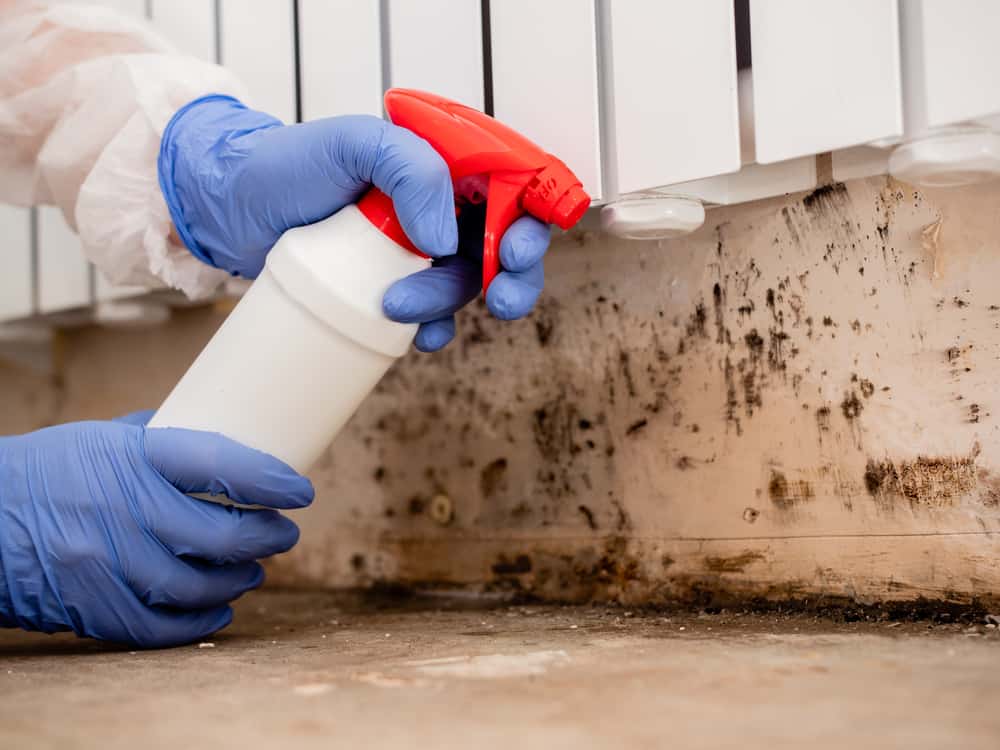
A professional mold inspection in Wainscott, NY isn’t just about peace of mind — it’s about protecting an asset that, in this market, could be worth $3 million, $5 million, or more. A 20% drop in property value from an undisclosed mold problem on a $4 million estate isn’t hypothetical. It’s a number that shows up in real estate negotiations and legal disputes. Knowing what’s actually in your home — with lab-verified documentation to back it up — changes the conversation entirely.
Wainscott’s geography works against you in ways that most inland communities don’t face. The hamlet sits at barely 32 feet above sea level, bordered by the Atlantic to the south and Georgica Pond to the east. That combination of salt-laden coastal air, a high water table, and recurring storm surge events creates persistent moisture conditions that don’t dry out on their own. Homes along Beach Lane and the Georgica Pond corridor have documented flood exposure — and any water intrusion that isn’t professionally addressed within 24 to 48 hours is already on its way to becoming a mold problem.
If your property sits unoccupied from Labor Day through Memorial Day — which describes the majority of homes in this ZIP code — you’re dealing with eight to nine months where a slow leak, a failed HVAC system, or post-storm moisture can go completely undetected. A thorough mold inspection before you open for the summer season isn’t optional maintenance. For a Wainscott property, it’s the most cost-effective thing you can do before your family walks through the door.
We’ve been serving Suffolk County homeowners for over 31 years. That’s not a number we throw around lightly — it means we’ve worked through decades of nor’easters, post-hurricane damage calls, and the slow, quiet moisture damage that builds up in homes from Wainscott to the western end of the Island. Three decades in a word-of-mouth market like Long Island means the work speaks for itself.
Every technician on our team holds IICRC certification — not just the person who answers the phone, but every individual who sets foot on your property. We also hold both a New York State Mold Assessor License and a NY State Mold Remediator License, both verifiable through the NY Department of Labor. In a hamlet like Wainscott, where properties along the Georgica Pond waterfront and south of Route 27 carry extraordinary value, you deserve a team whose credentials are checkable — not just claimed.
We handle everything from the initial mold inspection through full remediation and reconstruction if it’s needed. One call, one licensed team, from the first air sample to the last rebuilt wall.
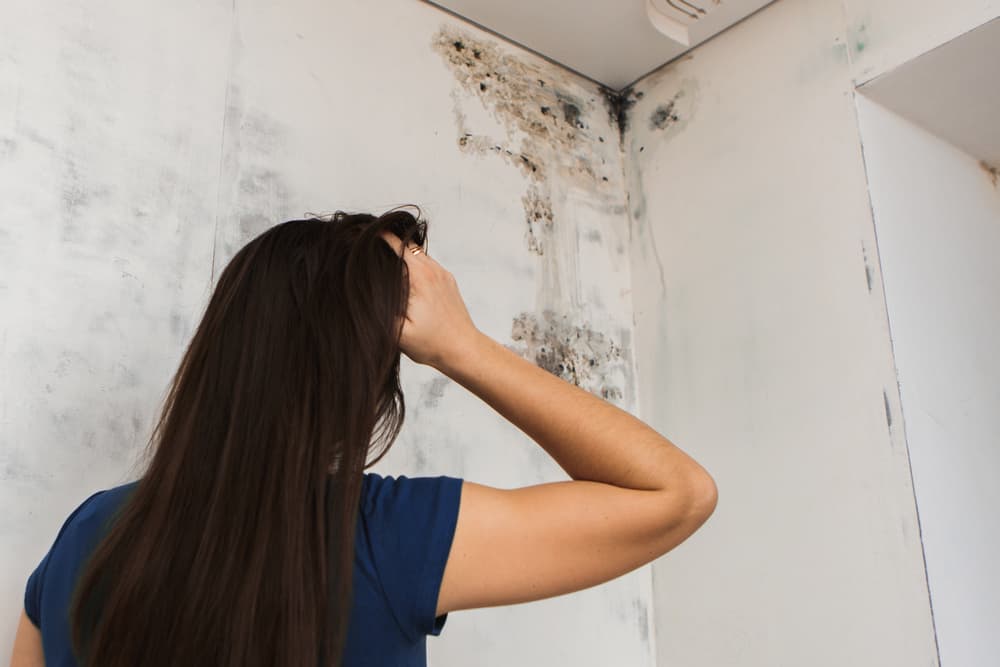
We start with a full walkthrough of the property — not just the obvious areas, but the spaces that get overlooked: attic cavities, basement walls, crawl spaces, and the areas behind finished surfaces where moisture tends to settle. In Wainscott’s cedar-shingled estates and older farmhouse-style homes, complex rooflines and inadequate attic ventilation are among the most common sources of undiscovered mold. We look there first.
From there, we collect air samples and swab samples from areas of concern. Every sample goes to a certified, accredited laboratory for analysis — not an in-house kit, not a visual estimate. The lab results tell us exactly what spore types are present, at what concentrations, and how they compare to outdoor control samples taken the same day. That comparison matters because it’s how you distinguish a normal environmental background from an active indoor mold problem.
We also use infrared thermal imaging to detect moisture and mold activity that isn’t visible to the naked eye — behind drywall, under flooring, inside ceiling assemblies. This is especially relevant for Wainscott properties that have experienced flooding from storm surge or Georgica Pond overflow, where water can migrate into wall cavities and go undetected for months. When the inspection is complete, you receive a written report with findings, lab documentation, and clear next steps — written in plain language, not industry shorthand.
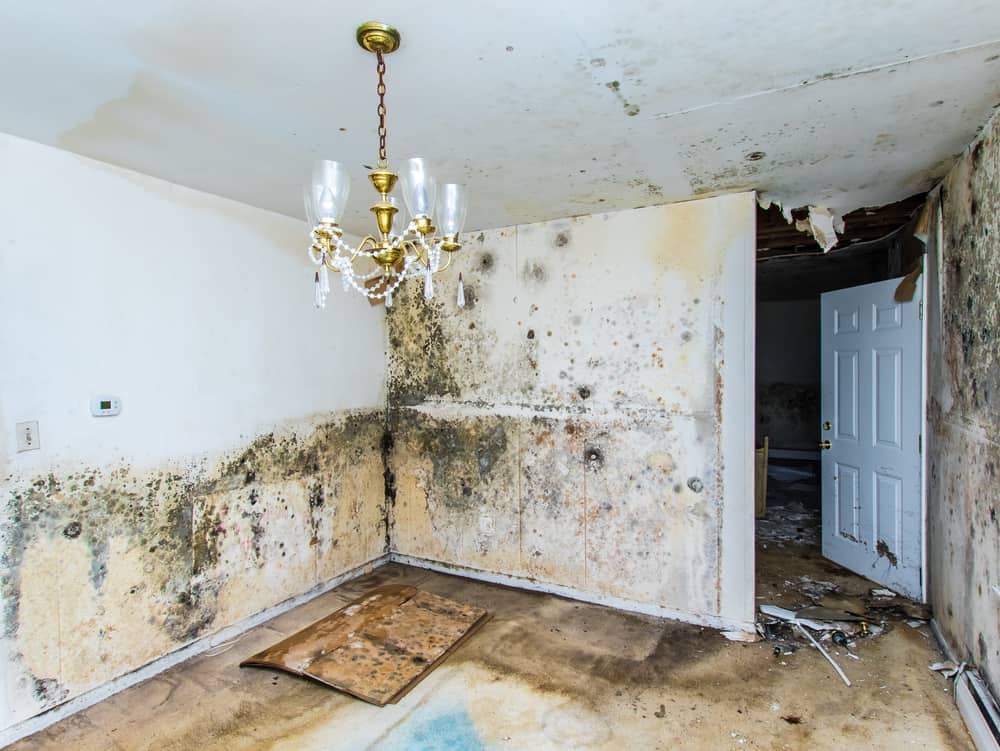
Ready to get started?
The mold inspection we perform in Wainscott, NY is a five-point process: air sampling, surface swab sampling, water intrusion inspection, moisture level measurement, and photographic documentation throughout. Every element of that process feeds into a written report that is defensible — useful in a real estate transaction, an insurance claim, or a legal proceeding. If you’re buying or selling a property near Georgica Pond or south of Montauk Highway, that documentation isn’t a bonus. It’s a necessity.
Attic mold inspection is one of the most frequently needed services we provide in this area. Wainscott’s architectural character — large estates with complex rooflines, cedar shake exteriors, and expansive attic spaces — creates the exact conditions where inadequate ventilation and coastal humidity combine to produce mold growth that never announces itself from below. Basement mold inspection is equally critical for properties near the water table, where groundwater infiltration into lower levels is a seasonal reality, not a rare event.
New York State law requires that any company conducting a mold assessment or mold remediation hold separate, state-issued licenses from the NY Department of Labor — effective since January 1, 2016. We hold both. If you’re evaluating other mold inspection companies in the East Hampton area, that’s the first thing worth verifying. Beyond the inspection itself, we’re a full-service restoration company — so if the findings require remediation or reconstruction, the same licensed team handles it through completion.
Mold doesn’t need to be visible to be a problem — and in Wainscott’s coastal environment, the most significant growth often develops in places you’d never think to look. Behind finished drywall, inside attic cavities, beneath flooring near exterior walls — these are the spaces where moisture from ocean air, storm surge, or a slow plumbing leak accumulates over months without any visible sign at the surface level.
The seasonal occupancy pattern in Wainscott makes it worse. If your home has been closed since October, you have no way of knowing whether a heating system issue, a roof leak, or post-storm moisture intrusion created conditions for mold to establish itself over the winter. A visual check when you open the house in May tells you very little. Air sampling and infrared thermal imaging tell you what’s actually happening inside the building envelope — and that’s the difference between catching a manageable problem early and discovering a significant remediation project after the summer season has already started.
Mold inspection costs in the Hamptons typically range from around $300 on the low end to over $1,000 for larger or more complex properties — and in Wainscott, where estate-sized homes with multiple levels, finished basements, and expansive attic spaces are common, the scope of the inspection directly affects the cost. A thorough inspection of a large property takes more time, more samples, and more equipment than a quick walkthrough of a smaller home.
What matters more than the fee is what you’re getting for it. Lab-verified air and swab samples, infrared thermal imaging, a written report with documented findings — these are the components that make an inspection result actually usable. If you’re going through a real estate transaction, filing an insurance claim, or making a remediation decision on a multi-million-dollar property, a vague verbal assessment isn’t worth much. The inspection fee is a small fraction of what an undetected mold problem costs when it’s discovered later by a buyer’s inspector or after remediation has become significantly more involved.
They’re related but not identical. A mold inspection is a physical assessment of the property — a trained inspector evaluates visible surfaces, moisture conditions, water intrusion points, and areas of concern based on the building’s construction and environmental exposure. Mold testing refers specifically to the collection and laboratory analysis of air samples and surface swabs to identify what spore types are present and at what concentrations.
A thorough mold inspection in Wainscott, NY should include both. The physical inspection tells you where to look and what conditions exist. The lab testing tells you what’s actually growing and whether indoor spore levels are elevated compared to the outdoor baseline. Neither one alone gives you the full picture. In a coastal environment like Wainscott — where marine humidity keeps ambient spore counts elevated year-round — having an outdoor control sample for comparison is especially important. Without it, elevated indoor readings can be misread or, more dangerously, dismissed.
Yes, and it happens more often than most homeowners expect. Mold doesn’t require a dramatic water event — it requires moisture, and moisture in Wainscott is a constant. The hamlet sits at sea level with the Atlantic Ocean to the south and Georgica Pond to the east. Relative humidity in coastal Suffolk County regularly exceeds 60%, which is the threshold at which mold spores begin germinating on organic materials. Attic spaces, in particular, are vulnerable — even in newer, well-built homes — because temperature differentials between heated living spaces and unconditioned attics drive condensation that accumulates over time.
HVAC systems are another common culprit. Ductwork that runs through unconditioned spaces, or air handlers that develop condensation issues, can introduce moisture into wall cavities and ceiling assemblies without any visible sign of a problem. In homes that are closed for the season, these systems sit idle for months — and any residual moisture from the previous summer has nowhere to go. A pre-season mold inspection is the most practical way to rule this out before occupancy.
Not with us. We’re a full-service restoration company, which means the same licensed team that conducts your mold inspection in Wainscott, NY can also handle remediation and reconstruction if the findings require it. You don’t need to vet a second contractor, manage a handoff, or coordinate schedules between separate companies — which matters considerably when you’re working against a seasonal timeline and trying to have the property ready before Memorial Day weekend.
It’s worth understanding how New York State law structures this, though. Since 2016, the state has required separate licenses for mold assessment and mold remediation — and the same company cannot legally perform both on the same project without maintaining that separation in documentation and process. We hold both licenses and operate in compliance with state requirements. The practical result for you is continuity: one accountable team, one set of documentation, and a clear chain of custody from the initial air sample through the final clearance test.
This is one of the most common concerns homeowners raise — and it’s a fair one. The conflict-of-interest concern in this industry is real: a company that profits from remediation has a financial incentive to find problems. The way we address it is straightforward. Every air and swab sample we collect is sent to an independent, accredited laboratory for analysis. The results come from the lab, not from us — and they’re compared against outdoor control samples taken the same day, which establishes an objective baseline. We don’t interpret the numbers; the science does.
Beyond the lab process, our 31-year track record in Suffolk County is the most honest accountability mechanism we have. In a market like Wainscott — where homeowners talk to each other, where real estate attorneys and property managers work with the same contractors repeatedly, and where reputation matters — a company that manufactures findings to generate remediation revenue doesn’t survive three decades. You can also verify our NY State Mold Assessor and Mold Remediator licenses directly through the NY Department of Labor’s online contractor search tool. Credentials that are publicly verifiable are credentials worth trusting.
Useful Links
Other Services we provide in Wainscott