
Hear from Our Customers
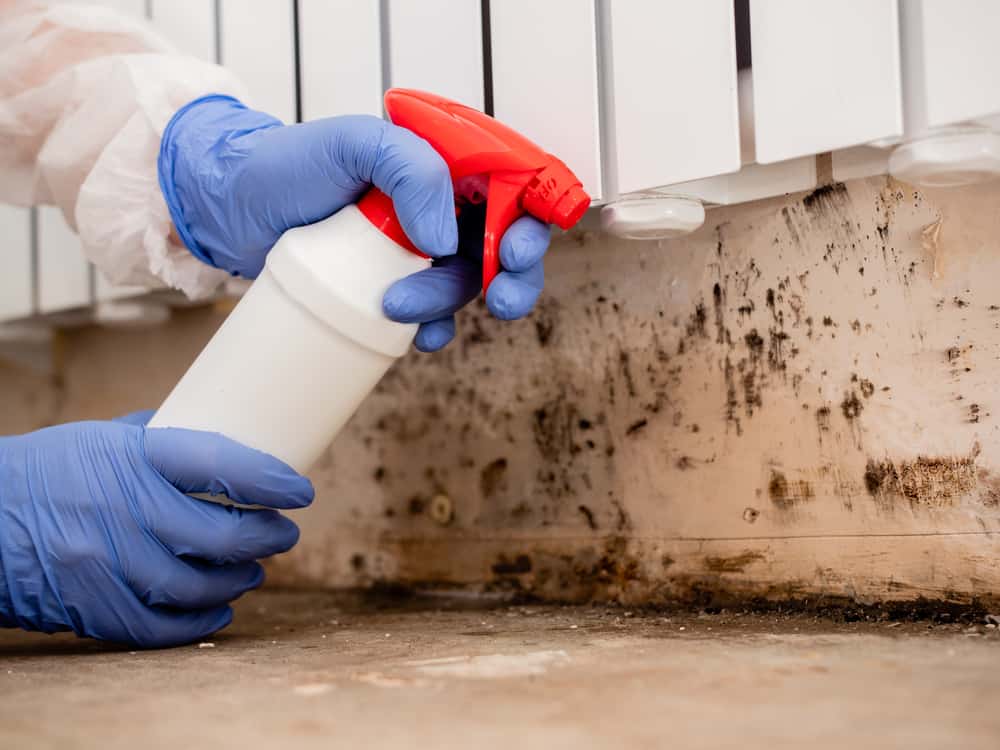
A mold inspection isn’t just about finding spots on a wall. It’s about understanding what’s happening inside your home — behind the drywall, under the flooring, inside the ceiling assembly — before a small problem becomes a structural one. In Westhampton Beach, where a significant share of homes sit unoccupied from October through May, that distinction matters more than most homeowners realize.
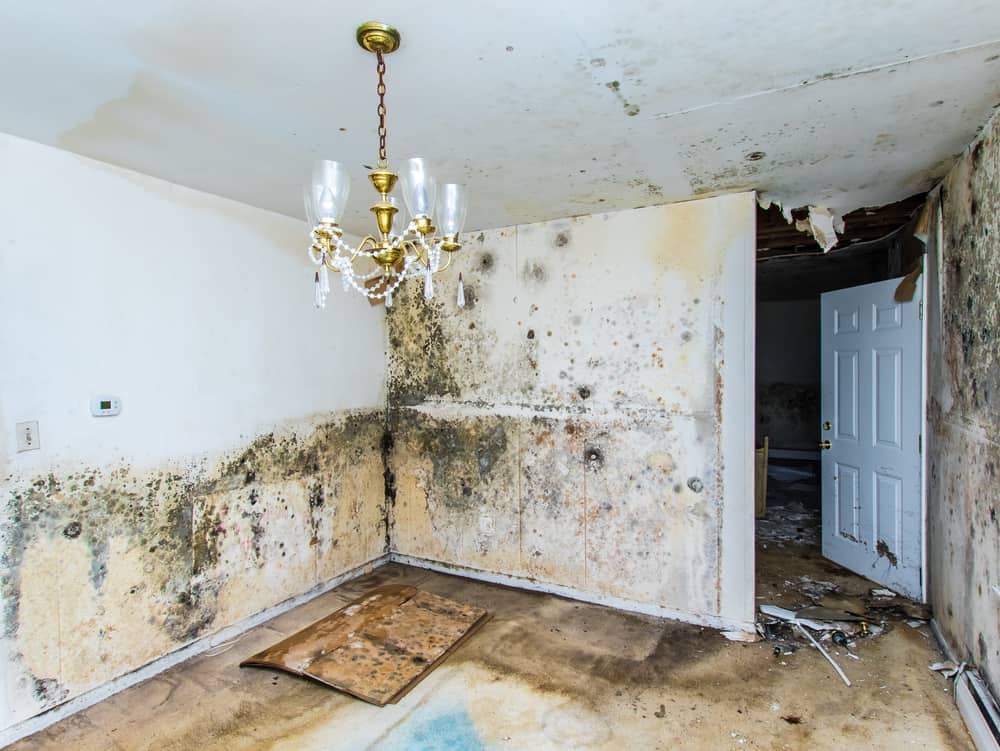
When a property is closed up for the off-season with no climate control and no one checking in, moisture accumulates quietly. Wind-driven rain works its way through aging rooflines. Condensation builds on cold surfaces. By the time you return in the spring, what started as a minor intrusion in November may have spread through insulation and framing throughout the house. A professional mold inspection gives you the full picture — not just what’s visible, but what’s been growing behind the surfaces you can’t see.
For homes along Dune Road and in West Hampton Dunes, the risk profile is even more specific. Atlantic Ocean exposure means salt-air humidity, storm surge potential, and wind-driven moisture that penetrates building envelopes in ways that inland properties simply don’t experience. At median home values of $1.8 million and above, the cost of missing a mold problem — in property value, health risk, or a failed real estate transaction — is far greater than the cost of finding it early.
We’ve been serving Long Island for over three decades — not as a franchise, not as a call center routing jobs to available crews, but as a Suffolk County-based team with a dedicated 631 number and real institutional knowledge of how Westhampton Beach and surrounding communities behave. We know the South Shore. We know the East End. We’ve been in the older homes off Montauk Highway, the barrier beach cottages near West Hampton Dunes, and the seasonal properties throughout the Greater Westhampton area.
We hold both the New York State Mold Assessor license and the Mold Remediator license — which are legally required under NYS Article 32 and are two separate credentials that not every company carries. Every technician on every job is IICRC-certified, which means the standard doesn’t change depending on who shows up at your door. We’re fully licensed, bonded, and insured, and we act as an insurance liaison from the first call — handling documentation and insurer communication so you don’t have to manage that process from the city while also dealing with a mold problem at your Westhampton Beach property.
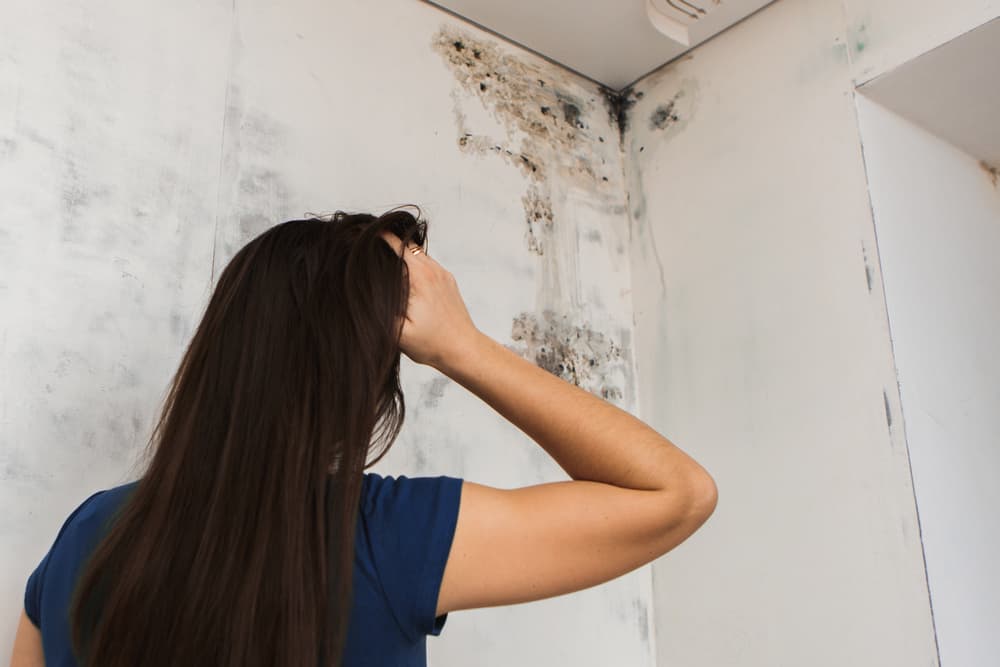
The inspection starts with a full walkthrough of your property — not a quick visual scan, but a systematic evaluation of every area where moisture can enter, accumulate, or hide. In Westhampton Beach homes, that means paying close attention to attic assemblies where wind-driven rain has worked through aging rooflines, crawlspaces and basements where coastal groundwater and humidity create persistently damp conditions, and enclosed wall cavities in older homes built well before modern vapor barriers were standard.
From there, the process moves through five documented steps: air testing to capture airborne spore counts, swab sampling to collect surface mold for identification, water intrusion inspection to trace moisture back to its source, moisture level measurement throughout the structure, and photographic documentation of every finding. All samples go to a certified, accredited laboratory — not an in-house analysis, not a third-party shortcut. You get a written report with lab results, mold species identified, and specific remediation recommendations written in plain language.
One thing that separates our inspection from a basic visual walkthrough is infrared thermal imaging. This technology detects temperature differentials behind walls, ceilings, and floors — which is how hidden moisture and mold activity shows up before it’s visible to the naked eye. For a high-value coastal property, that capability isn’t optional. It’s the difference between a thorough inspection and a partial one. And if remediation is needed after the inspection, we can handle it — including full reconstruction if structural materials need to be removed and replaced, all under the legal framework of NYS Article 32.
Ready to get started?
Mold inspection in a coastal community like Westhampton Beach isn’t a one-size-fits-all service. The barrier beach geography, the age of the housing stock, and the seasonal vacancy patterns here create a specific set of conditions that a thorough inspection has to account for. Homes built around 1978 — which is roughly the median construction year in this village — are at the age where moisture barriers deteriorate, HVAC systems develop condensation issues, and older insulation materials become ideal substrate for mold growth once any water intrusion occurs. Homes built before the 1940s, of which there are a meaningful number in this area, carry even greater risk.
The inspection covers the full structure: attic, basement or crawlspace, all living areas, HVAC system components, and any areas with documented or suspected water intrusion history. For properties that have experienced flooding from a nor’easter, storm surge, or a burst pipe during a cold winter, the inspection also evaluates whether any prior water damage was properly remediated — because incomplete drying after a flood event is one of the most common reasons mold returns. Under NYS Article 32, any mold project affecting 10 square feet or more requires a licensed assessor to write a formal remediation plan before work begins. We hold that license, which means the inspection report we produce is legally compliant and usable for insurance claims, real estate disclosures, and remediation planning.
Whether you own a year-round residence in Westhampton Beach, a vacation rental along Dune Road, or a seasonal property in Remsenburg or Quogue, the inspection process is the same: systematic, documented, lab-verified, and delivered in a written report you can actually read and act on.
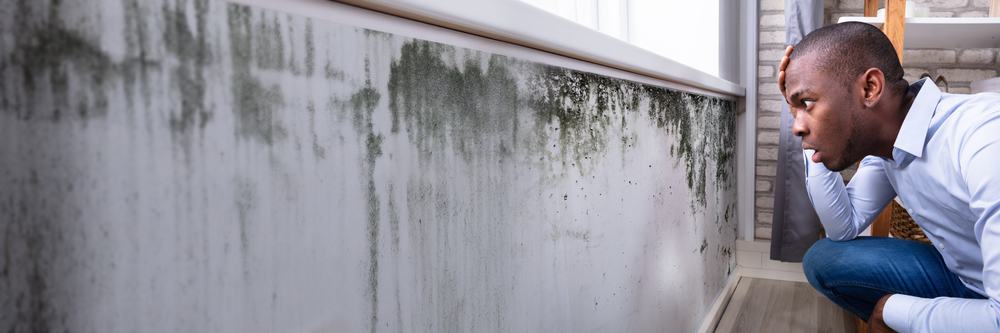
The most common signs are a musty or earthy smell when you first open the property, visible discoloration on walls or ceilings — particularly in bathrooms, closets, or near windows — and unexplained allergy or respiratory symptoms that improve when you leave the house. In Westhampton Beach, where a large share of homes sit closed from October through May, these signs often appear in spring when seasonal residents return and discover what months of unmonitored moisture accumulation left behind.
The problem is that mold in a closed-up coastal home often grows in places you won’t see during a casual walkthrough. Attic spaces where wind-driven rain entered through aging rooflines, wall cavities where condensation built up over a cold winter, and crawlspaces where coastal groundwater kept conditions persistently damp — these are the areas where mold establishes itself quietly and spreads before anyone notices. A professional mold inspection with infrared thermal imaging and air sampling is the only way to know for certain what’s happening inside the structure, not just on the surfaces.
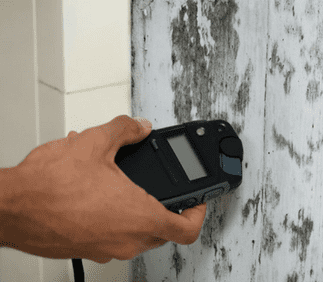
A thorough mold inspection in Westhampton Beach covers the full structure — attic, basement or crawlspace, all living areas, HVAC components, and any areas with a history of water intrusion. The process includes air testing to measure airborne spore concentrations, surface swab sampling to identify mold species, moisture level measurements throughout the home, a water intrusion inspection to trace moisture back to its source, and photographic documentation of every finding. All samples are sent to a certified, accredited laboratory for analysis.
The written report you receive at the end includes lab results, species identification, moisture source findings, and specific remediation recommendations in plain language — not lab jargon. For Westhampton Beach properties, the inspection also accounts for coastal-specific risk factors: salt-air humidity, storm exposure history, the age of the building envelope, and whether any prior flood or water damage was fully remediated. If infrared thermal imaging is used — which it is in every inspection we conduct — the report also captures any hidden moisture activity behind walls, ceilings, or floors that wouldn’t appear in a visual walkthrough.
Mold inspection costs typically range from $300 to $700 for a standard residential inspection, though larger or more complex properties — like a multi-story oceanfront home on Dune Road or a property with extensive water damage history — may fall toward the higher end of that range or beyond, depending on the scope of testing required. The national average reported by Angi sits between $303 and $1,043, and that range reflects real variation in property size, number of samples collected, and whether specialty services like infrared thermal imaging are included.
In Westhampton Beach, where median home values have reached $1.8 million and above, the cost of a professional mold inspection is a negligible line item relative to what’s at stake. Home values can drop 20 to 37 percent when mold issues are discovered, and as many as half of potential buyers back out of a purchase when they learn a property has had a mold problem — even after remediation has been completed. For a pre-purchase inspection, a pre-rental check, or a post-storm assessment, the inspection cost is not the number to focus on. The number to focus on is what it costs to miss it.
Yes. New York State has required mold assessors and mold remediators to hold separate state-issued licenses since January 1, 2016, under NYS Article 32 of the Labor Law. These licenses are issued by the NY Department of Labor, must be renewed every two years, and are publicly verifiable. Any mold project affecting 10 square feet or more requires a licensed assessor to produce a formal Mold Remediation Plan before any remediation work begins — and the same contractor cannot legally perform both the assessment and the remediation on the same project unless they hold both licenses independently.
Before hiring any mold inspection company in Westhampton Beach or anywhere else in New York, verify their NY DOL license status. It takes about two minutes to look up and it tells you immediately whether the company is operating legally. We hold both the Mold Assessor license and the Mold Remediator license, which means the inspection report we produce is legally compliant and the remediation work we perform — if needed — is fully authorized under state law.
In practical terms, yes — and the reasons are specific to this community’s geography and housing patterns. Westhampton Beach sits on and adjacent to a barrier island system on the Atlantic Ocean, which means the ambient humidity is higher than inland Suffolk County communities, wind-driven saltwater moisture is a recurring factor, and storm surge events are part of the documented history here — not a hypothetical risk. The 1938 hurricane obliterated nearly all summer homes on the barrier beach. Nor’easters in the early 1990s destroyed approximately 300 residences in the area. Hurricane Sandy in 2012 caused widespread flooding across South Shore communities. Each of those events introduced contaminated water into building interiors, and incomplete remediation after any one of them can mean mold that has been quietly present for years.
Add to that the seasonal vacancy pattern — a large share of Westhampton Beach homes sit unoccupied for five to seven months a year — and you have conditions where mold can establish and spread without anyone present to notice it. The combination of coastal humidity, storm history, older housing stock, and extended vacancy periods makes professional mold inspection more relevant here than in a year-round inland community.
Yes, and in Westhampton Beach’s real estate market, this is one of the most common reasons buyers and sellers commission a mold inspection. At median home prices of $1.8 million and above, the due diligence stakes on any transaction are significant. A professionally conducted mold inspection with lab-verified results, documented moisture findings, and a written report from a NY State-licensed assessor is legally defensible and appropriate for use in real estate disclosures, buyer contingency reviews, and seller documentation.
For insurance claims — which are common in a community with Westhampton Beach’s storm history — the inspection report serves as the foundational documentation that supports your claim. Insurers require clear evidence of mold presence, moisture source identification, and the scope of contamination before they process a remediation-related claim. We handle insurance liaison from the first call, which means we understand exactly what documentation your insurer needs and how to produce it. If your mold issue stems from a nor’easter, a burst pipe during a cold winter, or any other event that may be covered under your homeowner’s policy, having a licensed assessor’s report from day one puts you in a significantly stronger position with your insurance company.
Useful Links
Other Services we provide in Westhampton Beach