
Mold Inspection in Asharoken, NY
When Water Surrounds Your Home, Mold Doesn't Wait
Hear from Our Customers
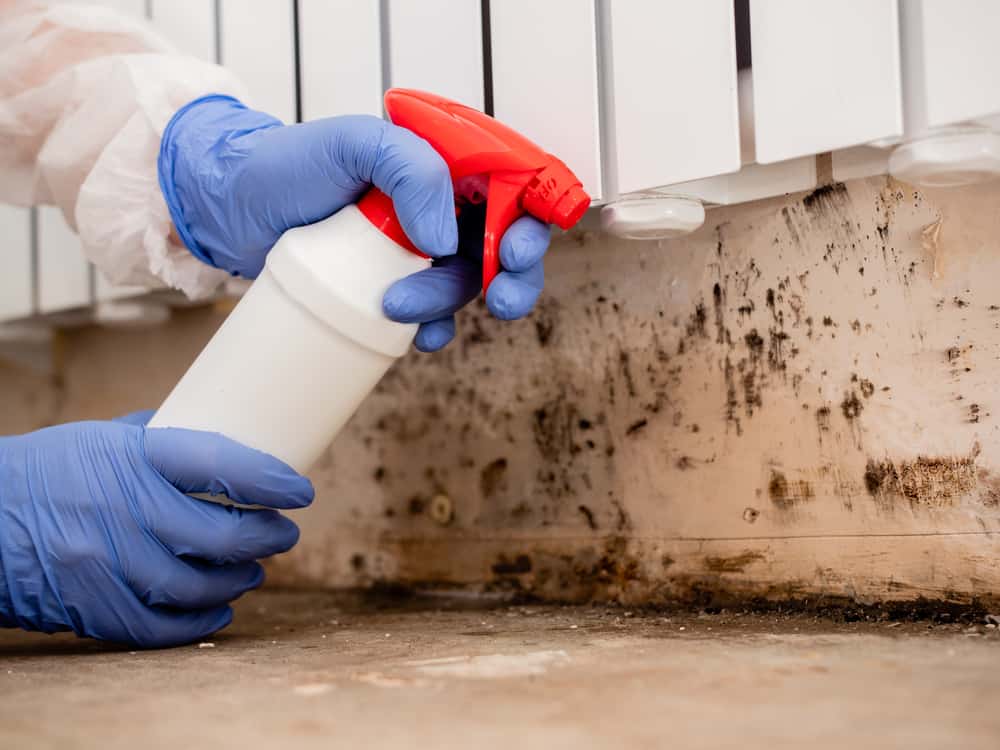
Residential Mold Inspection Asharoken, NY
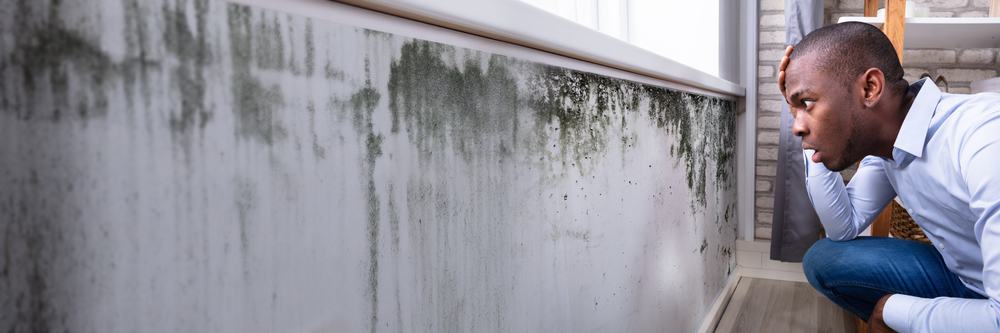
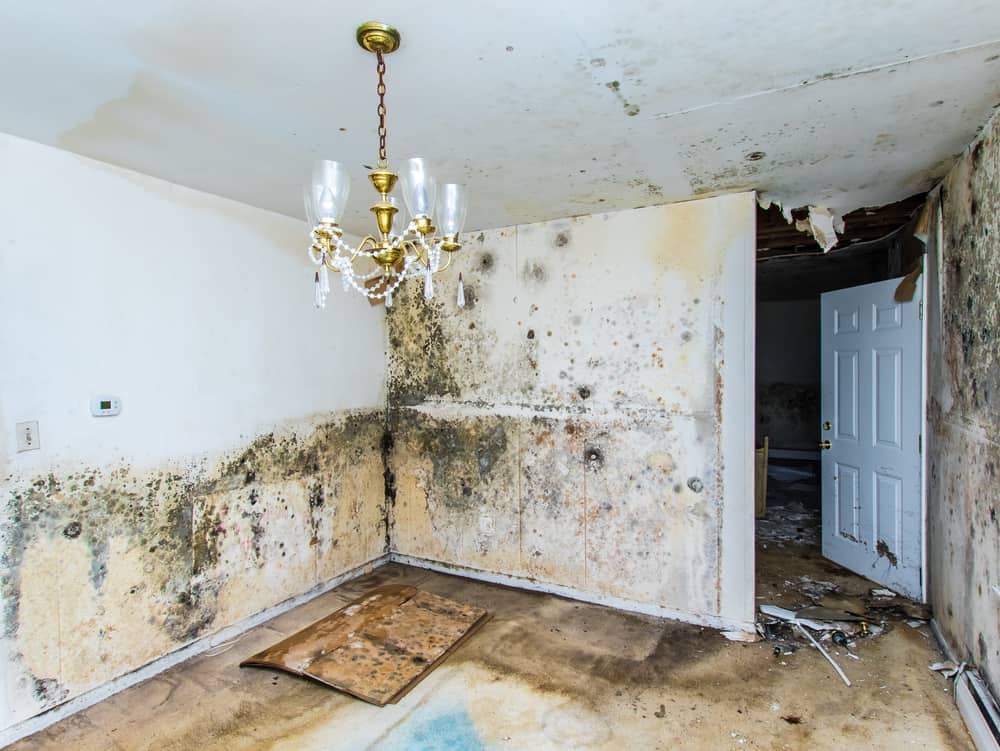
Most Asharoken homeowners don’t find mold mold finds them. It’s the musty smell in a crawl space that wasn’t there last season. It’s the allergy symptoms that seem worse indoors. It’s the wall that got wet after a storm and never quite dried out. By the time it’s visible, it’s usually been growing for a while.
A thorough mold inspection tells you exactly what’s there, where it’s coming from, and what needs to happen next. That’s not a small thing when your home is worth over a million dollars and sits on a narrow strip of land with water on both sides. You’re not dealing with a typical Long Island moisture situation you’re dealing with one of the most persistently humid, storm-exposed environments in all of Suffolk County.
Homes along Asharoken Avenue especially those built before 1950, which make up roughly a third of the village’s housing stock weren’t constructed with today’s moisture management standards. Salt air, a high water table, and a sandy substrate that doesn’t drain the way inland soil does: these aren’t abstract risk factors. They’re the reason mold inspection in this community isn’t optional, it’s overdue.
Mold Inspection Company Serving Asharoken, NY
We’ve been serving Long Island homeowners for over 31 years, based in West Babylon and operating across Suffolk and Nassau Counties. We were here before Sandy, before the December 1992 nor’easter, and through every storm that’s tested homes on the Asharoken peninsula. This isn’t a national brand with a local phone number we’re a team that knows what coastal exposure actually does to a building over time, especially in a place where the only road in and out can be cut off by storm surge.
I hold New York State licenses in both mold assessment and mold remediation and every technician on our team carries IICRC certification, not just the person at the top. When someone walks into your Asharoken home, they’re a credentialed professional, full stop.
If the inspection finds something that needs remediation, and remediation requires opening walls or replacing structural materials, we handle that too. One licensed team, from the first air sample to the final rebuild no coordinating multiple contractors through the only road in and out of the village.
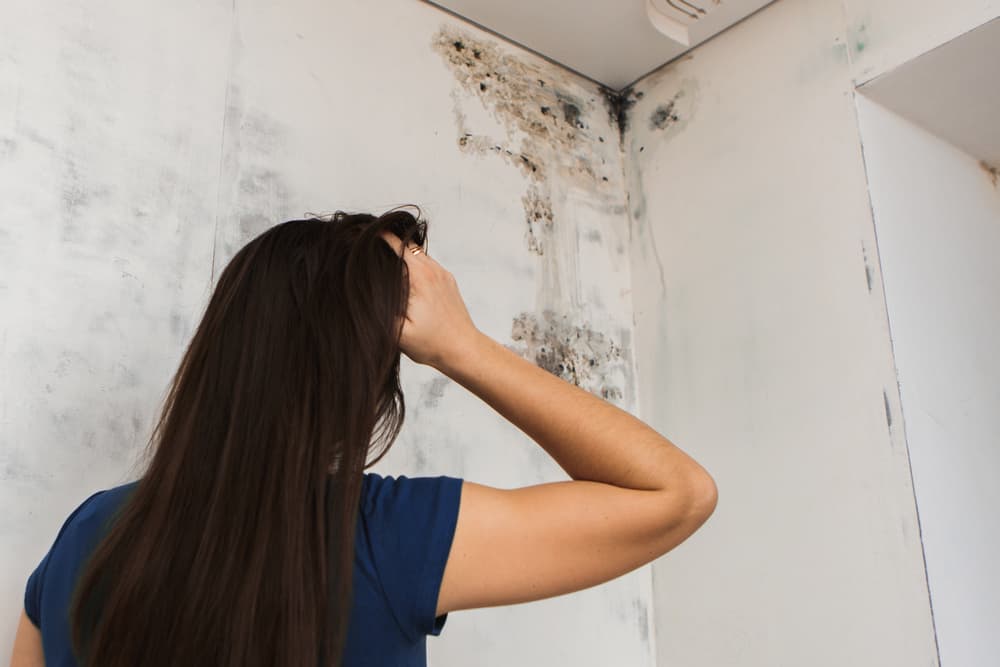
Professional Mold Assessment Process Asharoken, NY
We start with air testing pulling airborne spore samples from inside the home and comparing them to outdoor baseline levels. That’s paired with swab sampling, where surface mold is collected directly from any visible or suspected growth areas. Together, these two methods catch what a visual walkthrough alone will miss.
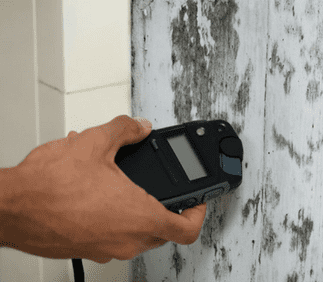
From there, we conduct a full water intrusion inspection and take moisture readings throughout the home. In Asharoken, that means paying close attention to crawl spaces, subfloor areas, and any wall cavities facing Long Island Sound places where groundwater and storm-driven moisture tend to accumulate quietly. We use infrared thermal imaging to detect moisture behind walls and under floors without tearing anything apart, which matters when you’re dealing with older construction that may have hidden vulnerabilities.
Every sample goes to a certified, accredited laboratory. When the results come back, you receive a written report in plain language not a raw data printout. It covers what was found, which mold species were identified, where the moisture is coming from, and what remediation steps are recommended. If you’re dealing with an insurance claim after a storm event, that documentation is exactly what your adjuster will need.
Ready to get started?
Indoor Air Quality Testing for Mold Asharoken, NY
This isn’t a general inspection service adapted for coastal use our process is built around the specific conditions that affect homes in Asharoken and other North Shore communities. Salt air accelerates corrosion in HVAC systems, which creates condensation points where mold can grow and then circulate through the home. Attic mold driven by inadequate ventilation combined with persistent coastal humidity is one of the most common findings in homes along this peninsula. These aren’t edge cases they’re patterns we see repeatedly.
Because Asharoken is an incorporated village with its own building department, any remediation work that involves structural alterations opening walls, removing insulation, replacing drywall may require a permit through the village’s building officials, separate from the Town of Huntington’s process. Our 31 years of operating in Suffolk County means we understand that layered regulatory environment and can help you navigate it without delays.
For homeowners considering a sale, or buyers doing due diligence on a property in the 11768 ZIP code, the inspection report carries real weight. Mold issues can reduce a home’s value by 20% or more, and up to half of potential buyers walk away when they learn a property has had a mold problem. Getting ahead of that with a certified inspection and documentation that holds up protects the asset you’ve built here.
How soon after storm flooding in Asharoken should I schedule a mold inspection?
The short answer: as soon as you can get someone in the door. Mold can begin developing within 24 to 48 hours of water intrusion and in Asharoken, where Asharoken Avenue has been rendered impassable for more than 24 hours during major storm events, that window can close before you even have access to help. Once the road reopens and you can safely re-enter, an inspection should be one of the first calls you make.
Don’t wait for visible mold to appear. By the time you can see it on a surface, it’s already been growing inside wall cavities, beneath subfloors, and in insulation for days or weeks. Post-storm mold inspection is particularly urgent in older Asharoken homes roughly a third of the village’s housing stock predates 1950 because those structures weren’t built with modern moisture barriers. The sooner the inspection happens, the more options you have before the damage compounds.
What does a mold inspection actually include, and how is it different from a basic walkthrough?
A basic walkthrough tells you what’s visible. A professional mold inspection tells you what’s actually there. The difference matters because most mold in coastal homes isn’t sitting on a surface where you can see it it’s behind walls, under floors, and inside HVAC systems where moisture has been accumulating undetected.
Our full inspection includes air testing for airborne spores, swab sampling from suspected growth areas, moisture level readings throughout the home, a water intrusion assessment, and infrared thermal imaging to detect hidden moisture without destructive testing. Every sample goes to a certified laboratory, and the results come back as a written report not raw data that identifies mold species, traces moisture sources, and outlines specific remediation steps. That report is also the document your insurance adjuster or real estate attorney will ask for if this inspection is connected to a claim or a transaction.
Is mold common in Asharoken homes, and what causes it here specifically?
More common than most homeowners expect and the geography is the main reason why. Asharoken sits on a narrow isthmus with Long Island Sound to the north and Northport Bay to the south. That means persistent ambient humidity from two directions, year-round. The village sits at just 13 feet above sea level, and the sandy substrate creates a naturally high water table. After rain events or storm surge, groundwater rises quickly and in homes with crawl spaces or partial basements, that moisture doesn’t have far to travel before it reaches building materials.
Add salt air into the equation, which accelerates corrosion in HVAC systems and creates additional condensation points, and you have a set of conditions that consistently produce mold in ways that inland communities simply don’t experience. Homes built before 1950 which account for a significant portion of Asharoken’s housing stock compound the risk because they predate modern vapor barriers and pressure-treated lumber. It’s not a question of whether moisture is getting in. It’s a question of where it’s going once it does.
Does New York State require a licensed inspector for mold testing, or can anyone do it?
New York State law requires mold assessors and mold remediators to hold licenses issued by the NY Department of Labor and this requirement has been in effect since January 1, 2016. Anyone performing mold assessment or remediation work in New York without those licenses is operating illegally, and any findings or reports they produce may not hold up for insurance claims, real estate transactions, or legal purposes.
Before you hire anyone, you can verify their license status directly through the NY DOL’s Licensed Mold Contractors Search Tool it’s a public database and takes about two minutes to check. I hold both the NY State Mold Assessor license and the NY State Mold Remediator license. That dual licensure matters because it means the same team that inspects your home is also qualified to handle remediation if something is found you’re not handing off to an unlicensed subcontractor at the critical step.
How much does a mold inspection cost in Asharoken, NY, and is it worth it?
Mold inspections nationally run between $300 and just over $1,000 depending on the size of the home, the scope of testing, and the number of samples sent to the lab. For a property in Asharoken where median home values exceed $1 million and active listings regularly reach $2 million or more that cost is a straightforward investment in protecting a significant asset.
The more relevant number is what mold costs if you don’t catch it early. Remediation runs anywhere from $1,150 to $20,000 depending on how far it’s spread. Mold issues can reduce a home’s value by 20% or more, and as many as half of potential buyers walk away from a property once they learn it has a mold history even after remediation is complete. An inspection at the front end of that equation is the cheapest decision you can make. It either confirms your home is clear, or it gives you the information you need to act before the problem grows.
Can a mold inspection help if I'm buying or selling a home in Asharoken?
It can be one of the most useful things either party does in a transaction. For buyers, a certified mold inspection on a coastal property in the 11768 ZIP code is straightforward due diligence especially given Asharoken’s storm history, its older housing stock, and the persistent moisture conditions that come with living on a narrow isthmus between two bodies of water. You want to know what you’re buying before you close, not after.
For sellers, getting ahead of it is equally smart. If mold is present and a buyer’s inspector finds it, you lose negotiating position and risk losing the deal entirely. If you’ve already had a certified inspection, addressed any findings, and have the lab-verified documentation to show for it, that’s a genuine asset in the transaction not just a disclosure requirement. Asharoken is a small, close-knit community where property values are high. A clean, documented inspection record is worth having.
Useful Links
Other Services we provide in Asharoken