
Hear from Our Customers
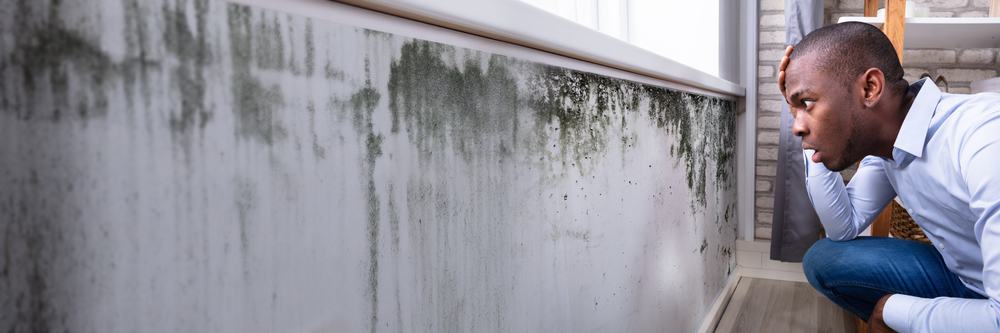
Barnum Island sits in a uniquely challenging environment. Reynolds Channel to the south, Barnum’s Channel to the north, and water on every side. That geography creates a consistently high-humidity environment that most Nassau County communities never deal with. Salt air accelerates the breakdown of building materials. High water tables keep basements and crawl spaces in near-constant contact with moisture. In the older Cape Cods and bungalows that line most streets here, that’s a combination that creates conditions where mold doesn’t just show up after a flood. It can grow quietly for months without a single visible sign.
After a professional mold inspection in Barnum Island, you get a clear picture of what’s actually happening inside your home — not a guess, not a visual scan, not a store-bought kit result. You get certified lab results that identify mold species and spore concentrations, a written report your insurance company will accept, and specific next steps based on what was actually found. That’s the difference between knowing and wondering.
For a community that was entirely submerged under two to eight feet of water and sewage during Hurricane Sandy, that clarity matters. Many homes were cleaned up on the surface. Not all of them were cleaned up inside the walls, under the floors, and in the attic insulation where moisture hides longest. If you’ve had a nagging musty smell, unexplained allergy symptoms, or you bought your home after 2012 without a mold clearance — a thorough inspection is the only way to know for sure.
We’ve been serving Nassau and Suffolk Counties for over three decades. That’s not a tagline — it means we were working on Long Island’s South Shore before Sandy, through Sandy, and in every year of recovery since. We know what flood damage does to a home over time, and we know how to find it when it’s no longer visible.
Every technician on our team holds IICRC certification — not just the owner, not just the project manager. The person who shows up at your door is credentialed, trained, and equipped. Owner Richard Peterson holds a personal New York State Department of Labor license in both mold inspection and mold remediation under Article 32 of the NY Labor Law, which is a legal requirement in this state that not every company you’ll find online actually meets.
We serve all of Nassau County, including Barnum Island and Island Park. If you’re near Long Beach Road, close to the LIRR station, or anywhere in the 11558 ZIP code — we know the area, we know the housing stock in these older communities, and we know what to look for.
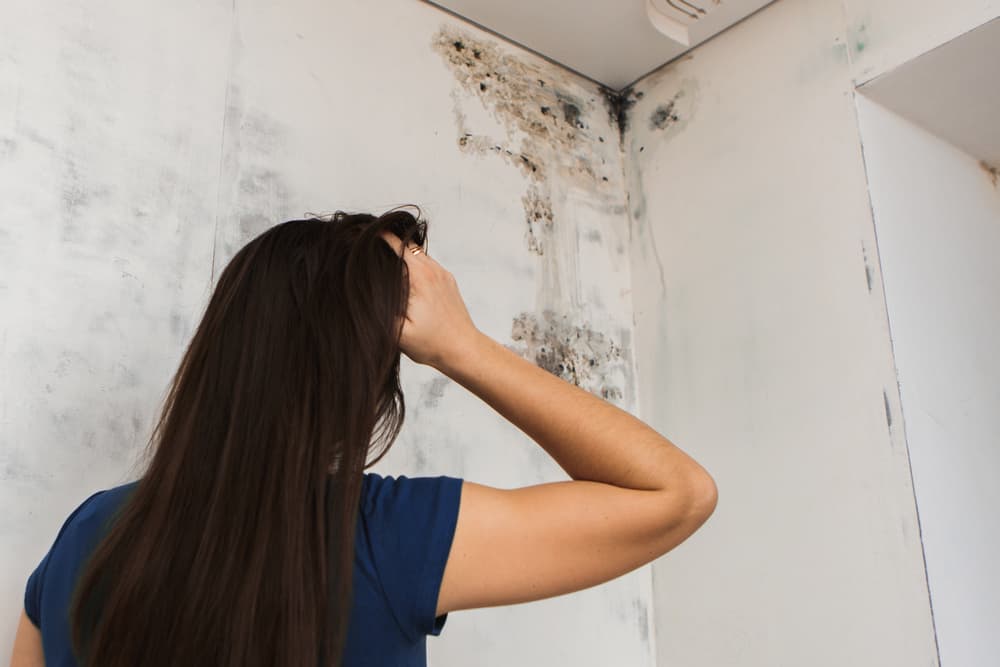
When we arrive at your Barnum Island home, we start with a full walkthrough to identify any visible signs of moisture intrusion, discoloration, or damage. But visible signs are only part of the picture. In a community with Barnum Island’s flood history and coastal humidity levels, the most serious mold problems are often the ones you can’t see.
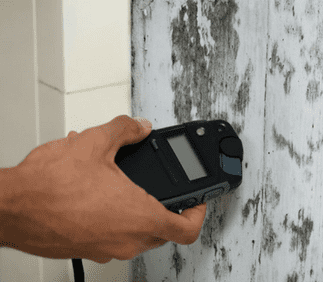
That’s why our inspection protocol goes further. We use infrared thermal imaging technology to detect temperature differentials inside wall cavities, under flooring, and behind ceilings — areas where moisture and mold colonies hide long after the surface looks dry. We take air samples and surface swabs, which go to a certified laboratory for analysis. We also collect an outdoor baseline air sample so we can compare your indoor spore levels against what’s naturally present outside. That comparison is what tells you whether your indoor air quality is actually elevated — not just whether mold spores exist, because they always do in some quantity.
Once the lab results come back, you receive a full written report: mold species identified, spore concentration levels, moisture readings throughout the home, photographs of every source point, and specific remediation recommendations. Under New York State law, this documentation has to come from a licensed mold assessor to be legally valid — and it’s exactly what insurance companies, real estate attorneys, and health professionals require. We handle the entire process from first call to final report, and if remediation is needed, we can take you through that too without starting over with a new company.
Ready to get started?
Our mold inspection service in Barnum Island, NY covers residential and commercial properties. Whether you own a single-family home on a waterfront block, a rental property, or a commercial space near Long Beach Road, the inspection scope is the same: thorough, documented, and legally valid.
Our five-point inspection protocol includes air testing with certified lab analysis, surface swab sampling, a full water intrusion inspection to find active or historic moisture entry points, moisture level measurement throughout the structure, and infrared thermal imaging for hidden mold detection. Every inspection produces a written report with certified laboratory results, mold species identification, spore concentration data, photographs of all source points, and specific remediation steps. This is the documentation format that Nassau County insurance adjusters and real estate attorneys will accept — not a verbal assessment, not a general “you have a mold problem” summary.
For Barnum Island homeowners specifically, we pay close attention to the areas that took the hardest hit during Sandy: subfloor materials, lower wall cavities, crawl spaces, basement framing, and attic insulation in homes where rooflines may have been compromised. Pre-war and 1960s-era bungalows and Cape Cods — the dominant housing types in this community — have specific structural characteristics that affect where moisture accumulates and where mold establishes itself first. We know what to look for in these homes because we’ve been inspecting them across Nassau County for over 30 years.
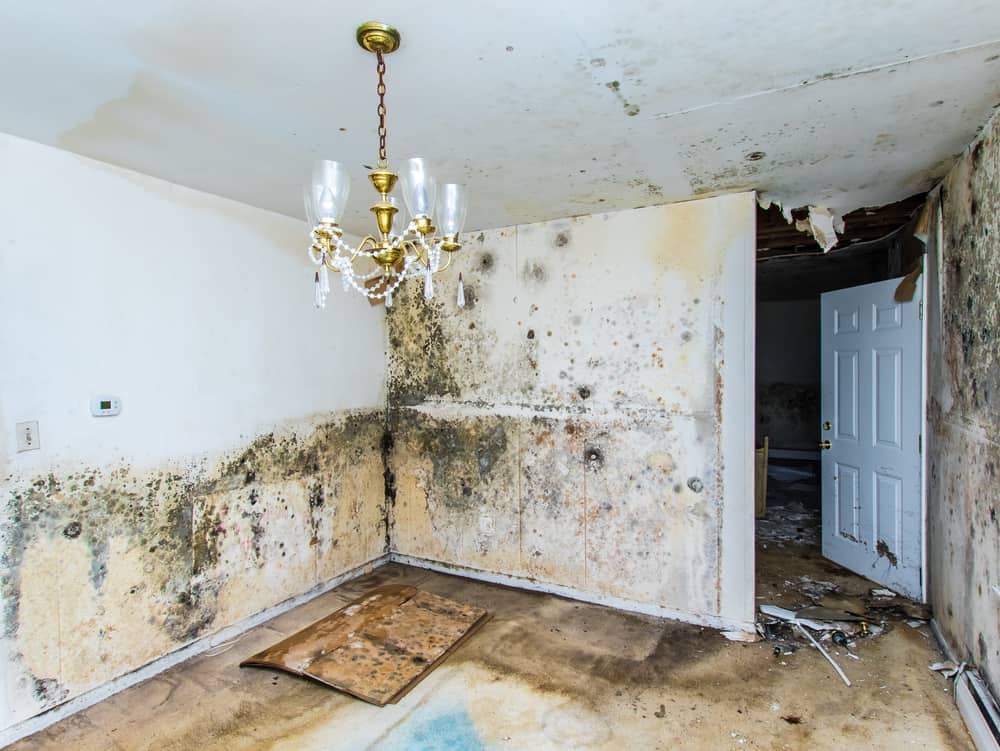
Yes — and it’s one of the questions we hear most from homeowners in Barnum Island. Hurricane Sandy flooded the entire island under two to eight feet of water and sewage in October 2012. Many homes were cleaned up, dried out, and repaired. But mold doesn’t always require visible moisture to survive. When flood water saturates wall framing, subfloor materials, or attic insulation and that moisture isn’t fully extracted and dried to industry-standard levels, mold colonies can establish themselves inside the structure and remain active for years — completely invisible from the outside.
Homes that were remediated quickly and thoroughly are generally in good shape. But homes where the cleanup was rushed, incomplete, or focused only on surface-level repairs may still have active mold behind walls or under flooring. If you bought your home after Sandy without a mold clearance inspection, or if you’ve noticed a persistent musty smell, worsening allergy symptoms, or any discoloration in lower-level spaces, a professional mold inspection in Barnum Island is the only way to get a definitive answer.
Mold inspection costs vary depending on the size of the property and what the inspection involves, but for a standard residential mold inspection in Barnum Island, you’re generally looking at a range of $300 to $700 for a thorough inspection with air testing and lab analysis. Some companies charge less for a visual-only walk-through, but that won’t give you certified lab results or legally valid documentation — which matters if you’re dealing with an insurance claim or a real estate transaction.
The more important number to keep in mind is what an undetected mold problem costs if it goes unaddressed. Average mold remediation runs $1,150 to $3,400 for moderate cases and can reach $20,000 or more when mold has spread through structural components. In Barnum Island’s older housing stock — bungalows and Cape Cods built before modern moisture barriers existed, on low-lying island terrain with high water tables — the cost of finding a problem early is a fraction of what it costs to deal with one that’s been growing unchecked for years.
This is a critical question, and a lot of homeowners don’t think to ask it until after the fact. New York State requires all mold assessors and mold remediation contractors to hold a valid license issued by the NY Department of Labor under Article 32 of the NY Labor Law. This requirement has been in effect since January 1, 2016, and fines for unlicensed mold work can reach $10,000. More importantly, any mold inspection report produced by an unlicensed assessor carries no legal standing — meaning your insurance company can reject it.
You can verify a company’s NYS DOL mold license directly through the Department of Labor’s online license lookup tool. We are fully licensed, and owner Richard Peterson holds his personal NYS DOL license in both mold inspection and mold remediation. If a company you’re considering can’t provide their license number or directs you away from verifying it, that’s a red flag worth taking seriously — especially in a community like Barnum Island where the stakes of incomplete or improperly documented mold work are high.
Yes — and this is one of the most important things to understand about professional mold detection services in Barnum Island. The mold you can see is rarely the full story. In homes that experienced flood intrusion — especially saltwater and sewage exposure like Barnum Island saw during Sandy — moisture can become trapped inside wall cavities, beneath flooring, and in structural framing. Once that moisture is sealed behind drywall or under new flooring during a repair, the mold growing inside becomes completely invisible without the right equipment.
We use infrared thermal imaging technology to detect temperature differentials caused by hidden moisture and mold growth without cutting into walls or pulling up floors. This technology identifies areas where conditions are actively favorable to mold growth, even when the surface looks completely dry and normal. Combined with air sampling and certified lab analysis, it gives you a comprehensive picture of what’s happening throughout the structure — not just what’s visible on the surface. For Barnum Island’s older housing stock, where post-Sandy repairs often involved new drywall and flooring installed over potentially compromised framing, this kind of non-invasive detection is exactly what’s needed.
These terms get used interchangeably, but they describe different things. A mold inspection is a physical assessment of your property — a technician examines the structure, identifies moisture sources, checks problem areas, and evaluates conditions that could support mold growth. Mold testing refers to the collection and laboratory analysis of air or surface samples to identify what mold species are present and at what concentration levels.
A thorough professional mold inspection in Barnum Island should include both. The physical inspection tells you where the problem areas are and what’s causing them. The lab testing tells you exactly what you’re dealing with — species identification, spore counts, and a comparison between your indoor air and the outdoor baseline. That combination is what produces a report with real diagnostic value, as opposed to a walk-through that ends with a verbal opinion. If you’re filing an insurance claim, preparing for a real estate transaction, or dealing with health symptoms in your household, you need both the inspection findings and the certified lab documentation — not one or the other.
Strongly recommended — and for reasons that are specific to this community. Barnum Island’s flood history is well-documented. The entire island was inundated during Hurricane Sandy, and South Shore communities have seen additional flooding events since then, including the record flash flooding in August 2024. A standard home inspection, which most buyers get before closing, is not a mold inspection. Home inspectors are not licensed mold assessors, and their visual assessment won’t include air sampling, lab analysis, or infrared imaging for hidden moisture.
For any home in the 11558 ZIP code — particularly one built before the 1980s, one that changed hands after Sandy, or one with a basement or crawl space — a dedicated mold inspection before closing is the kind of due diligence that protects you from inheriting a problem the seller may not even know exists. If mold is found, you have documentation to negotiate repairs or price adjustments before the deal closes. If it comes back clean, you have certified lab results confirming it. Either way, you’re making the decision with real information — not assumptions about a home in one of Long Island’s most flood-affected communities.
Useful Links
Other Services we provide in Barnum Island