
Hear from Our Customers
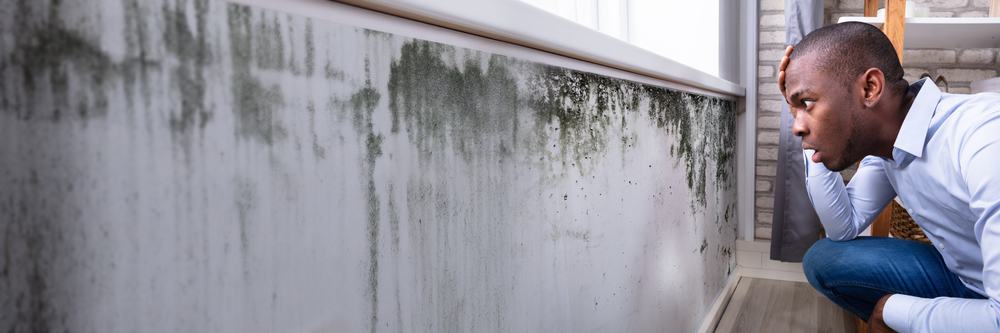
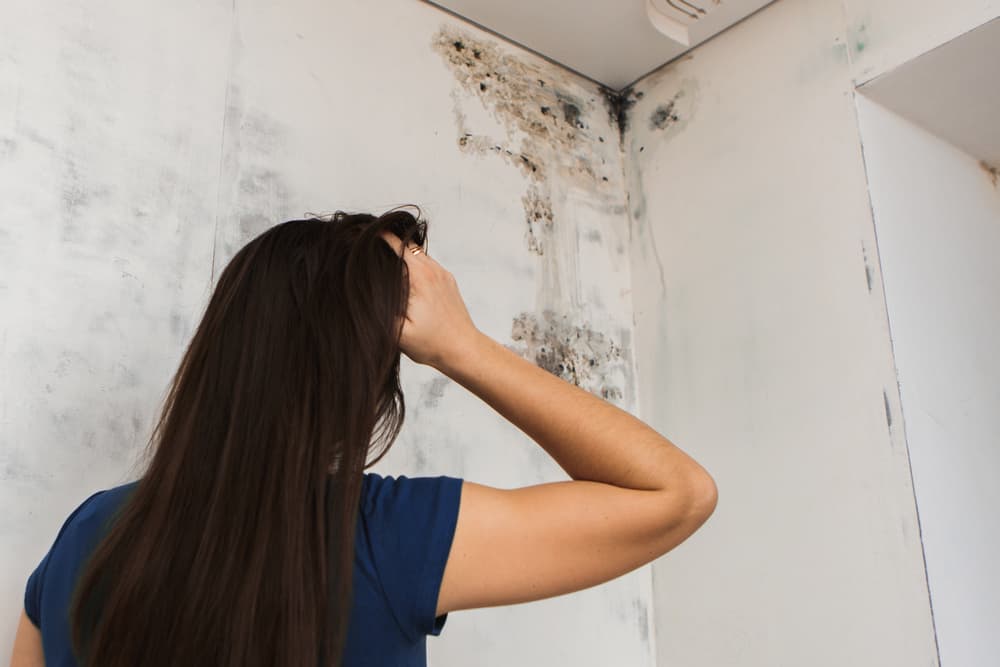
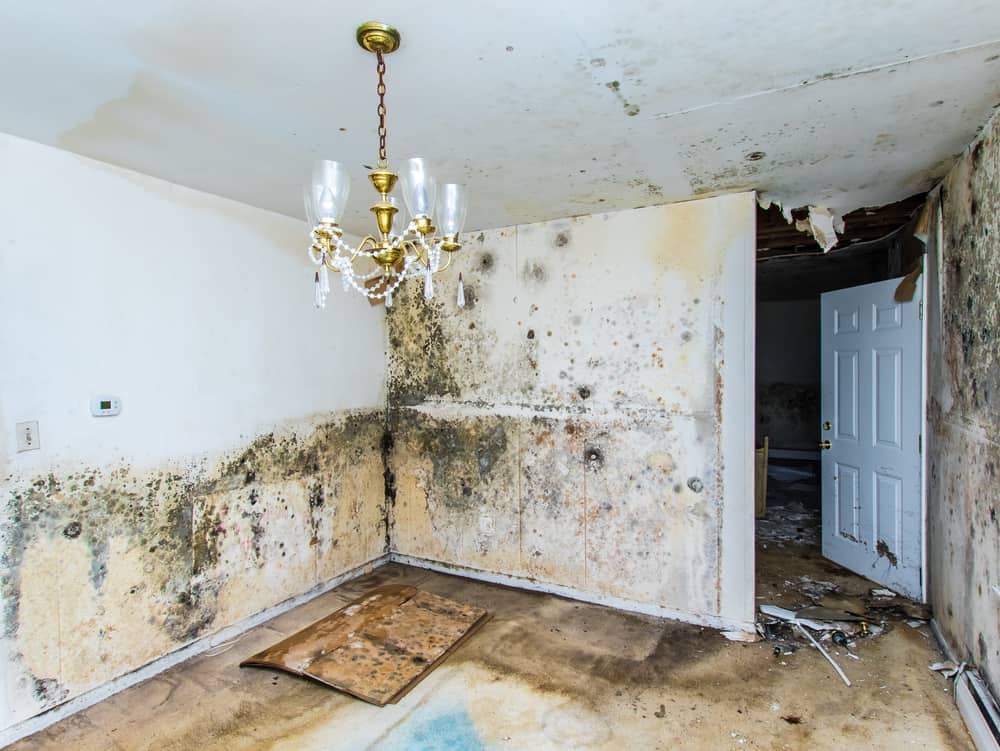
Most Brightwaters homeowners don’t find mold because they went looking for it. They find it during a sale, after a storm, or when someone in the house starts having unexplained respiratory issues. By that point, it’s rarely in just one place.
A thorough mold inspection tells you exactly what’s present, where it is, and what’s feeding it. That’s not a small thing when you’re protecting a home worth $500,000 to well over a million dollars. The older the home, the more places moisture has had time to settle — inside original plaster walls, under finished basement floors, in attic spaces that haven’t seen real airflow in decades.
Brightwaters sits in one of the most moisture-intensive environments on Long Island’s South Shore. Between the ambient humidity off Great South Bay, the groundwater pressure near the canal and the lakes, and the age of the housing stock, the conditions here are genuinely different from newer inland communities. Knowing your Brightwaters home’s mold status isn’t overcautious. For a pre-war colonial in this village, it’s just smart.
We’re based in West Babylon — a few miles from Brightwaters — and have been doing mold inspection and remediation work on Long Island for over three decades. That’s not a marketing number. It means we’ve worked on South Shore homes through every major weather event, including the storm surge that put Concourse West underwater and had Mayor Valdini saying it was the worst flooding Brightwaters residents had seen since Sandy.
We hold active New York State licenses for both mold assessment and mold remediation under Article 32 — verifiable through the NY Department of Labor’s online search. Every technician on our team carries IICRC certification, not just the owner. That’s the standard we hold ourselves to on every job, whether it’s a lakefront property off Mirror Lake or an inland colonial near Union Boulevard in Brightwaters.
If the inspection finds something that needs to be addressed, we can handle the remediation and any reconstruction that follows. One licensed team, start to finish.
We start with air sampling — pulling airborne spore counts from inside your home and comparing them to outdoor baseline samples taken the same day. That comparison is what separates a real assessment from a visual walkthrough. If indoor spore levels are elevated relative to outside, you have an active problem regardless of whether you can see anything.
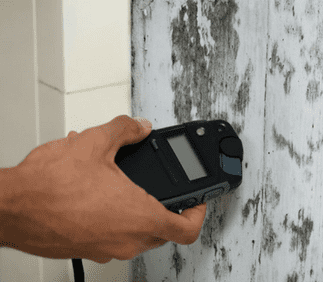
From there, we do surface swab sampling in areas where mold is suspected or where moisture readings are high. We use calibrated moisture meters throughout the home — walls, floors, ceilings — and infrared thermal imaging to detect temperature differentials caused by hidden moisture behind finished surfaces. In a Brightwaters home with original plaster walls or a finished basement near the water table, this step alone often finds what nothing else would.
Every finding gets photographed and documented. At the end, you receive a written report with your lab results, a clear explanation of what was found, and specific recommendations for next steps. If your home requires remediation, New York’s Article 32 mandates that the assessment and remediation be handled by separately licensed entities — which is exactly how we operate. The report we give you is an independent, documented finding you can use for insurance claims, real estate transactions, or remediation planning.
Ready to get started?
A mold inspection in Brightwaters isn’t a one-size-fits-all service. The homes here — most of them built between the 1910s and 1950s — have construction characteristics that require a more thorough approach than a newer build would. Original roofing that’s been patched over decades, galvanized or aging copper plumbing, unventilated attic cavities, and basement foundations that sit close to a high water table are all common here. Each one is a potential moisture entry point.
Our inspection includes air testing with certified lab analysis, surface swab sampling, a full water intrusion assessment to identify where moisture is getting in, moisture level measurements throughout the home, infrared thermal imaging for hidden mold detection, and complete photographic documentation. You also get an indoor-to-outdoor spore comparison and a written report with actionable remediation recommendations.
For homeowners near the Brightwaters Canal or the spring-fed lakes — where groundwater levels stay elevated year-round — we pay particular attention to basement walls, slab perimeters, and crawl spaces. For older homes with attic mold risk from ice dam intrusion during Long Island winters, we include a dedicated attic assessment. The goal is a complete picture of your home’s mold status, not a partial one. Suffolk County’s coastal environment doesn’t give partial problems, and your inspection shouldn’t give partial answers.
Yes — and it’s not just about flooding events. The Brightwaters Canal connects directly to Great South Bay, which means tidal fluctuations affect groundwater levels along its entire length. For homes on Concourse West and Concourse East, the water table can sit just a few feet below the basement floor under normal conditions. That kind of persistent hydrostatic pressure pushes moisture through foundation walls and slab cracks even when there hasn’t been a visible flood.
The nor’easter that Mayor Valdini described as the worst canal-area flooding since Hurricane Sandy is an extreme example, but the underlying moisture pressure is present year-round. If your Brightwaters home is canal-adjacent and you’ve never had a professional mold inspection, there’s a real possibility that mold has been growing in your basement or crawl space for years without ever becoming visible. Infrared thermal imaging and moisture metering are the only reliable ways to assess that without opening walls.
For a standard residential mold inspection with air sampling and certified lab analysis, the typical range runs from about $450 to $700. More complex inspections — larger homes, multiple areas of concern, attic and basement assessments combined — can reach $1,000 or more depending on scope. We don’t publish a flat rate because every home is different, and Brightwaters homes in particular vary widely in age, size, and complexity.
What’s worth keeping in mind is the math. The median sale price in the Brightwaters and Bay Shore area is around $699,000 to $735,000, and homes on or near the lakes can go significantly higher. Undiscovered mold can reduce a property’s value by 20 to 37 percent and cause buyers to walk away from a deal entirely. The cost of a thorough inspection is a fraction of a percent of what your home is worth — and a lot cheaper than finding out about a mold problem after the fact.
In Brightwaters, where more than 40% of homes were built before 1939, the most common locations are attic spaces, finished basements, and the interior of exterior walls — especially in rooms that face north or back up to the lakes. Original plaster walls trap moisture differently than modern drywall, and they’re much harder to assess visually. Attic mold is especially common in pre-war homes because the original roof structures often lack the ventilation that current building standards require, and Long Island winters create ice dam conditions that push meltwater under roofing materials.
Basements are the other major concern, particularly in Brightwaters homes near the canal or the spring-fed lakes. Finished basements with drywall over concrete block walls are a frequent hiding spot — the drywall absorbs moisture from the block and mold establishes behind the finished surface where it’s completely invisible. HVAC systems in older homes are also worth checking, since mold in ductwork can distribute spores throughout the entire living space without ever being concentrated in one visible location.
It’s not legally required, but skipping it on a pre-war Brightwaters home is a significant financial risk. Standard home inspections are not mold inspections — a general home inspector is looking at structure, systems, and safety, not conducting air sampling or using infrared imaging to detect moisture behind walls. Those are two different services, and the overlap is minimal.
Given the age of the housing stock in Brightwaters and the proximity to water, a dedicated mold inspection before closing makes sense. If mold is found, you have options: negotiate a price reduction, require remediation before closing, or walk away. If it’s found after you’ve already closed, you’re absorbing the full cost. In a market where homes are selling in the $700,000 range and up, a $500 to $700 inspection is basic due diligence. Many real estate attorneys and buyers’ agents in the Bay Shore and Brightwaters area will recommend it specifically for older properties.
For most single-family homes in Brightwaters, the on-site inspection takes between two and four hours. Larger homes, homes with finished basements and attic spaces both needing assessment, or properties with multiple areas of concern can run longer. The inspection itself is thorough — air sampling, surface swabbing, moisture metering throughout the structure, infrared imaging, water intrusion assessment, and full photographic documentation all take real time to do correctly.
After the on-site work, your air and swab samples go to a certified lab for analysis. Lab turnaround is typically three to five business days, after which you receive your written report with results and remediation recommendations. If you’re working against a real estate closing deadline, let us know upfront — we can sometimes expedite lab processing. For post-storm emergency assessments where mold growth is already underway, same-day inspections are available through our 24/7 line at 631-587-5300.
These terms get used interchangeably, but they’re not the same thing. Mold testing refers specifically to the sampling process — air samples, swab samples, or bulk material samples sent to a lab for analysis. Mold inspection is the broader assessment: identifying moisture sources, measuring humidity and moisture levels throughout the structure, using infrared imaging to detect hidden problem areas, and evaluating the full scope of any mold presence. Testing is one component of a complete inspection.
In Brightwaters, where homes have complex older construction and sit in a high-moisture environment, testing alone — without the full inspection — can give you an incomplete picture. You might get a lab result showing elevated spore counts without knowing where the moisture source is or how far the growth has spread. That’s not enough information to make a remediation decision. A complete mold inspection gives you the lab data and the contextual assessment together, so you understand not just what’s there but why it’s there and what it’s going to take to address it.
Useful Links
Other Services we provide in Brightwaters