
Mold Inspection in Centereach, NY
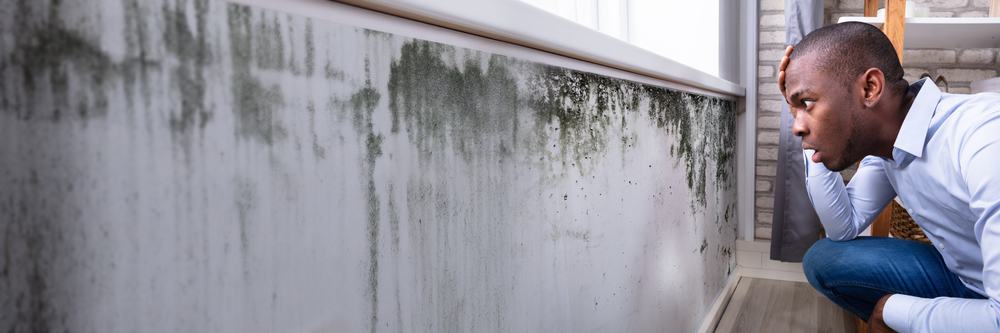
Centereach's Aging Homes Hide Mold Where You Can't See It
Hear from Our Customers
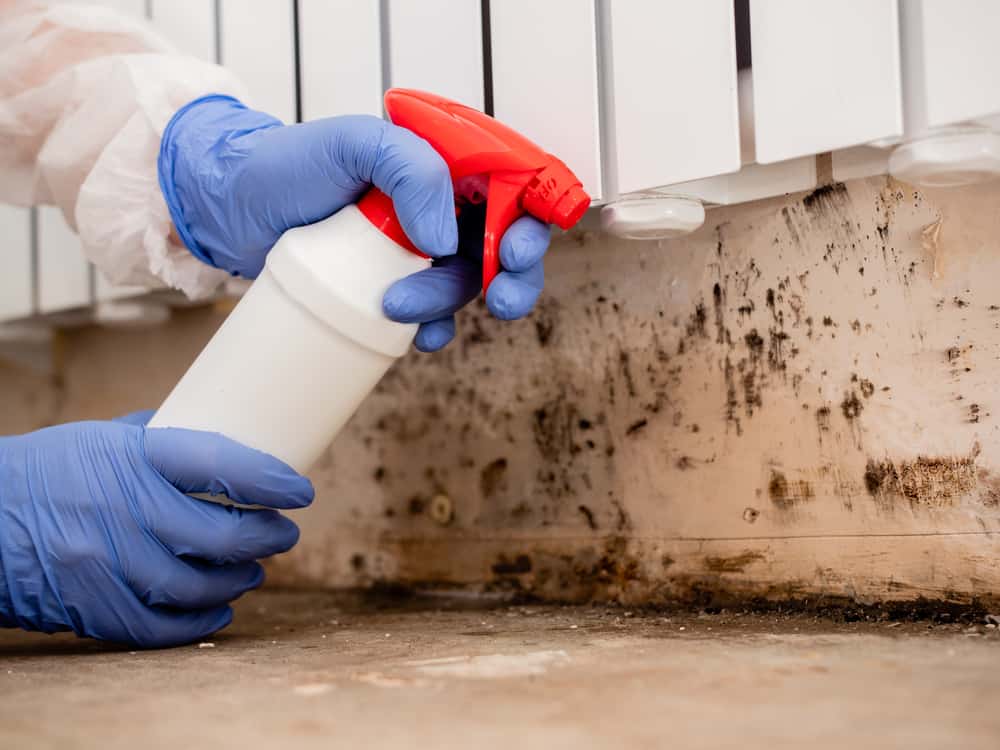
Residential Mold Testing Centereach, NY
If your Centereach house was built between 1950 and 1979 and roughly 70% of homes in this area were it was constructed before modern vapor barriers, before today’s insulation standards, and before anyone really understood how moisture moves through a structure. Fifty-plus years of Long Island winters, humid summers, and seasonal groundwater swings have had their way with those walls, attics, and basement floors. By now, most of that damage is invisible. That’s the problem.
A professional mold inspection in Centereach doesn’t just confirm whether mold exists. It tells you where it is, what species you’re dealing with, how far it’s spread, and what’s feeding it. That information changes everything whether you’re a homeowner who noticed a smell, a buyer about to close on a house off Middle Country Road, or someone who just had water in the basement after a bad storm.
The financial case is straightforward. A mold inspection typically runs a few hundred dollars. Remediation when mold is left alone long enough to spread can cost anywhere from $1,150 to over $20,000. And if mold shows up during a home sale, property values can drop 20 to 37 percent. Getting the inspection done now is the cheapest decision you can make.
Licensed Mold Inspection Company Centereach, NY
We’ve been operating in Suffolk County since the early 1990s, which means we were inspecting and remediating homes in central Suffolk County including Centereach before most of the current competition even existed. We know the Dawn Estates-era split-levels. We know what a 1965 ranch house with a block foundation and a retrofitted HVAC system looks like from the inside because we’ve been in thousands of them.
New York State law requires separate licenses for mold assessment and mold remediation. We hold both. Every technician on our team carries IICRC certification not just the owner, not just senior staff, but every person who comes through your door. We’re also fully licensed, bonded, and insured, which matters when someone is pulling apart your walls to find out what’s been growing inside them.
We serve Centereach and the surrounding communities across Suffolk County, with a dedicated local line at 631-587-5300. One call connects you to a team that already knows this area, this housing stock, and what Long Island’s climate does to homes like yours over time.
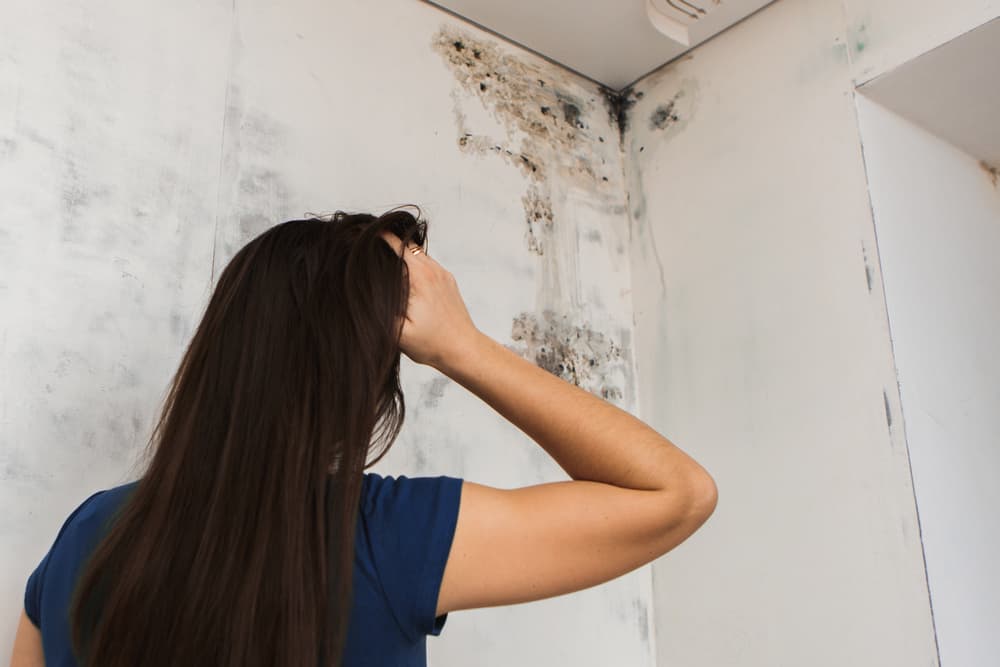
Mold Assessment Services Centereach, NY
When we come to your Centereach home, we don’t start with assumptions. The inspection begins with a full walkthrough looking at areas where moisture intrusion is most likely given the age and construction type of your home. For most properties in this part of Suffolk County, that means the basement, the attic, and anywhere near plumbing or HVAC equipment.
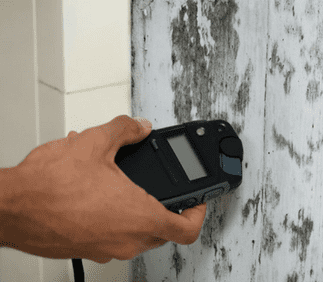
From there, we collect air samples and surface swabs, and use infrared thermal imaging to detect moisture and mold activity hidden behind walls, beneath flooring, or inside ceiling cavities. This matters in Centereach specifically because so many homes here have had decades of minor leaks, condensation, and groundwater seepage that were never fully addressed. A visual inspection alone misses most of it. The thermal imaging doesn’t.
All samples go to a certified, accredited lab not in-house testing, not a quick judgment call on site. When results come back, you receive a written report in plain language: what was found, where, what species, and what the recommended next steps are. If remediation is needed, we handle that too, along with any structural repairs and all insurance documentation. You don’t have to coordinate multiple contractors or explain the situation to three different companies. One team takes it from the first call to the finished job.
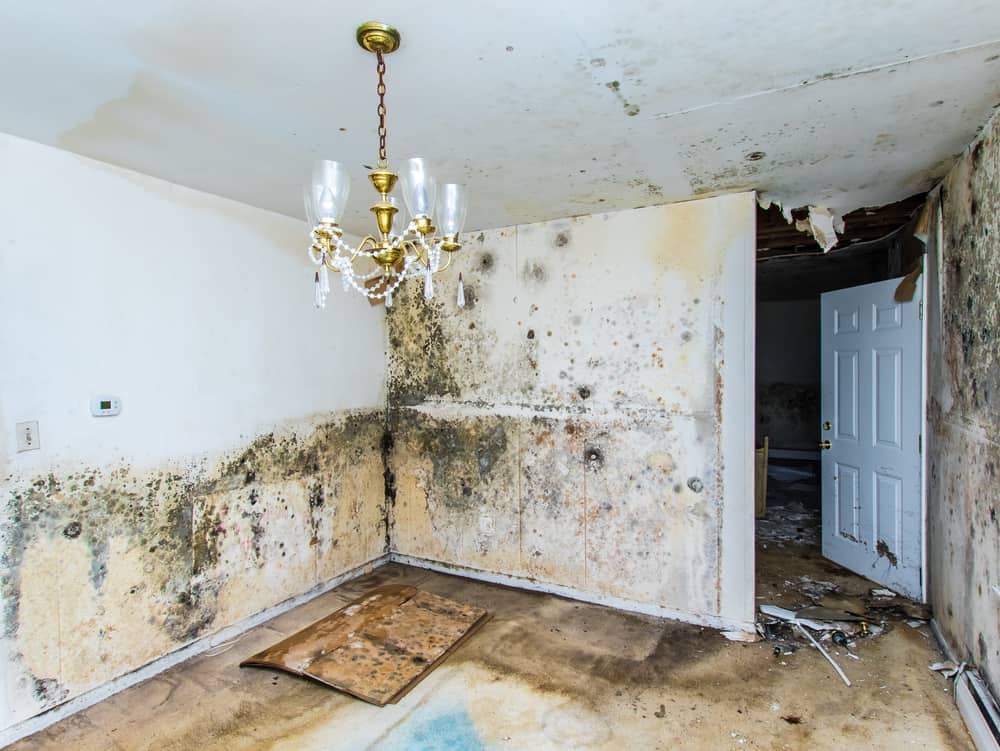
Ready to get started?
Black Mold Testing and Indoor Air Quality Centereach, NY
The mold inspection we perform in Centereach covers five documented areas: air testing, swab sampling, water intrusion inspection, moisture level measurement, and photographic documentation of mold sources. Beyond those five, the process also includes an internal-versus-external mold particle comparison which helps determine whether spore levels inside your home are elevated relative to outdoor baseline levels along with infrared thermal imaging and a full written report summarizing lab results and recommended remediation steps.
For Centereach homeowners, a few specific areas get particular attention. Attics are a consistent problem in post-war Long Island homes because the ventilation configurations common in 1960s and 1970s construction simply weren’t built for today’s understanding of moisture management. Hot, humid summers and Long Island summers are genuinely humid, even this far inland create the exact conditions mold needs when airflow is inadequate. Basements are the other major concern. Centereach relies entirely on septic systems, and Suffolk County’s high water table means seasonal groundwater rises can push moisture through aging foundation walls and floor drains in ways that accumulate slowly and silently over years.
If your situation involves an insurance claim which is common when mold follows a burst pipe, roof damage, or post-storm flooding we manage the documentation and communicate directly with your insurer. You don’t have to navigate that process alone.
How much does a mold inspection cost in Centereach, NY?
Mold inspection costs in Centereach typically fall between $300 and $700 for a residential property, depending on the size of the home and the scope of the inspection. Larger homes, or those with multiple areas of concern a finished basement, an attic, and suspected HVAC-related mold, for example may fall toward the higher end of that range.
It’s worth framing that number against what you’re protecting. Centereach homes have appreciated significantly over the past two decades, and median household incomes in the community now run well above $125,000. The financial exposure from undetected mold remediation costs that can exceed $20,000, and home value reductions of 20 to 37 percent at sale makes the inspection cost look very different. You’re not spending money on an inspection. You’re buying certainty about one of your most significant financial assets.
What are the most common signs of mold in older Centereach homes?
The most common signs are a persistent musty smell in the basement or attic, visible dark spotting on drywall or ceiling tiles, and unexplained allergy symptoms that get worse indoors and better when you leave. In Centereach’s post-war housing stock most of it built between 1950 and 1979 you might also notice paint bubbling on basement walls, soft spots in drywall near plumbing, or condensation on interior surfaces during humid summer months.
What makes this tricky is that the worst mold in these homes is often the mold you can’t see. It grows inside wall cavities, beneath flooring, and in attic insulation that hasn’t been touched since the house was built. Thermal imaging during a professional mold inspection is specifically designed to find those hidden moisture pockets before they become visible and before they spread further into the structure.
Does New York State require mold inspectors to be licensed in Centereach?
Yes. New York State law, which took effect January 1, 2016, requires all mold assessors and mold remediation contractors to hold separate state licenses issued by the NY Department of Labor. This applies to every property in Centereach as part of the Town of Brookhaven, Suffolk County. The law specifically prohibits the same company from performing both assessment and remediation under a single license they must hold both independently.
This is worth verifying before you hire anyone. You can search licensed contractors through the NY Department of Labor’s public database. We hold both the mold assessor license and the mold remediator license. Some companies operating in the Centereach area do not. Hiring an unlicensed operator means the inspection findings may not be legally defensible which matters significantly if you’re dealing with an insurance claim or a real estate transaction.
Why is basement mold so common in Centereach, NY specifically?
Centereach like virtually all of Suffolk County relies entirely on septic systems rather than municipal sewer infrastructure. The island’s water table is high, and it fluctuates seasonally. In spring, when snowmelt combines with April rainfall, groundwater levels rise and can push moisture through the foundation walls and floor drains of older homes. Many of the basement foundations in Centereach’s Dawn Estates-era neighborhoods are original concrete block construction porous by nature and now five to six decades old.
The result is chronic, low-level moisture intrusion that most homeowners don’t notice until mold is already established. It doesn’t show up as a flood. It shows up as a slightly damp smell, a white mineral deposit on the wall, or a soft spot in the carpet near the base of the stairs. By the time it’s visible, it’s usually been growing for months. A basement mold inspection that includes moisture level measurement and thermal imaging catches it at the source, not after it’s spread.
Can mold in my attic affect indoor air quality throughout my Centereach home?
It can, and in Centereach’s older homes it’s more common than most people realize. Attic mold in post-war Long Island construction is largely a ventilation problem. The attic configurations standard in 1960s and 1970s homes weren’t designed with today’s moisture management standards in mind. During Long Island’s warm, humid summers when outdoor relative humidity regularly exceeds 70 to 80 percent inadequate attic airflow creates a warm, moist, dark environment where mold colonizes quickly.
Once mold is established in an attic, spores can migrate downward through ceiling penetrations, recessed lighting fixtures, and HVAC return vents especially in homes where ductwork was retrofitted into the original structure. Indoor air quality testing for mold, which measures airborne spore concentrations inside the living space and compares them to outdoor baseline levels, is the most reliable way to determine whether attic mold is affecting the air your family is breathing every day.
Should I get a mold inspection before buying a house in Centereach, NY?
For a Centereach property, yes and more strongly than you might for a newer home elsewhere. The housing stock here is predominantly 50 to 70 years old. Standard home inspections are not mold inspections. A general home inspector will note visible water staining or obvious damage, but they won’t collect air samples, they won’t use thermal imaging to check inside wall cavities, and they won’t send anything to a certified lab for analysis.
Given that roughly 70 percent of Centereach homes were built between 1950 and 1979, the probability that a property has experienced some form of moisture intrusion over its lifetime a slow roof leak, a basement seepage event, a plumbing failure that wasn’t fully dried is high. Mold that isn’t disclosed in a sale doesn’t disappear after closing. It becomes your problem. A pre-purchase mold inspection in Centereach gives you documented, lab-verified information before you sign anything, and it gives you negotiating leverage if something is found.
Useful Links
Other Services we provide in Centereach