

Hear from Our Customers
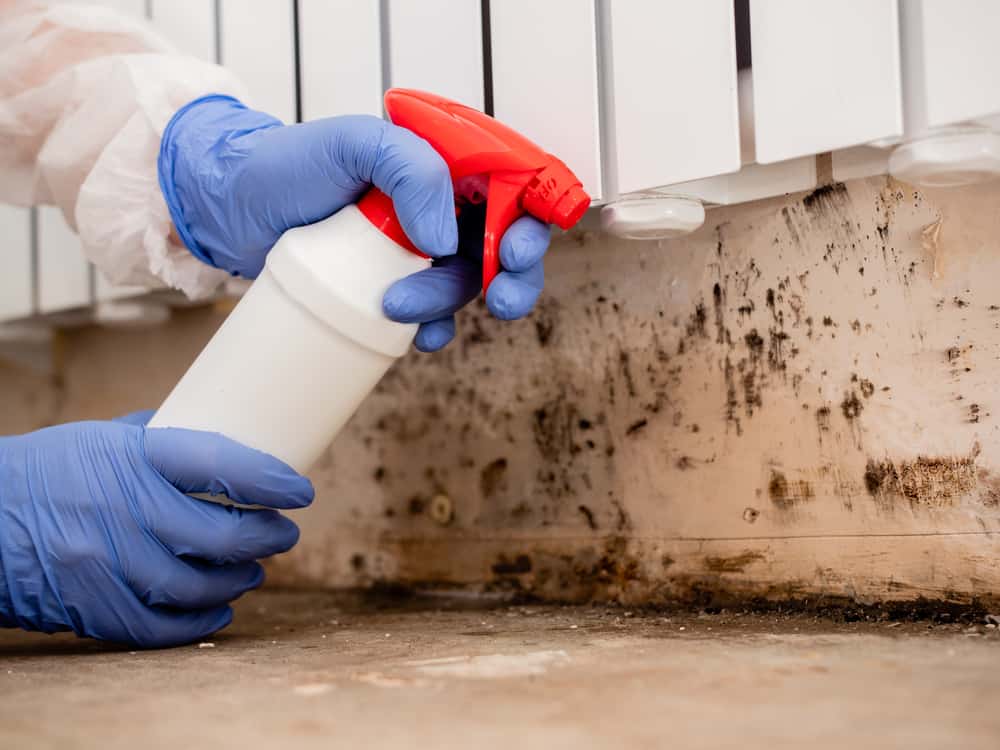
Most homeowners don’t call a mold inspector because they see mold. They call because something feels off — a smell that won’t go away, a family member with symptoms that don’t make sense, or a home inspector who flagged something during a transaction. By the time you get a thorough inspection done, you stop guessing and start knowing exactly what you’re dealing with, where it is, and what it takes to fix it.
Centre Island’s estate properties present a specific challenge that generic inspections aren’t built for. These are large, older homes — many with multiple structures, sprawling basements, and HVAC systems that have been running for decades. Salt air off Oyster Bay Harbor accelerates the breakdown of window seals, exterior caulking, and rooflines, which means moisture finds its way in through paths that aren’t obvious from the inside. A pool house that sits closed for months, a guest cottage with no active dehumidification, a basement wine cellar with aging masonry — any of these can become an active mold environment without anyone realizing it.
Getting a proper mold inspection means getting documentation you can actually use — with your insurance carrier, your real estate attorney, or your property manager. It means knowing whether what you’re dealing with is surface-level or something that’s been building inside your walls for years. That’s the difference between a smart, early response and a remediation bill that could have been half the size.
We’ve been working across Nassau and Suffolk Counties since 1993 — over three decades of mold inspections, water damage assessments, and full restorations on Long Island, including the kind of large, complex, waterfront properties that define Centre Island and the North Shore communities around Oyster Bay.
Richard Peterson, our owner, holds personal New York State licensure in both mold inspection and mold remediation. That’s not a company-level credential hanging on a wall — it’s the license the person running this operation carries himself. Every technician we deploy to a job site is IICRC-certified, which means the standard doesn’t drop when the owner isn’t the one showing up. That matters on a property like yours.
We’re licensed, bonded, and insured. If you’re managing a high-value estate in Centre Island — whether you live there full-time or part of the year — you want a company that produces documentation capable of standing up in an insurance claim or a real estate transaction, not just a verbal opinion from someone who walked through the house.
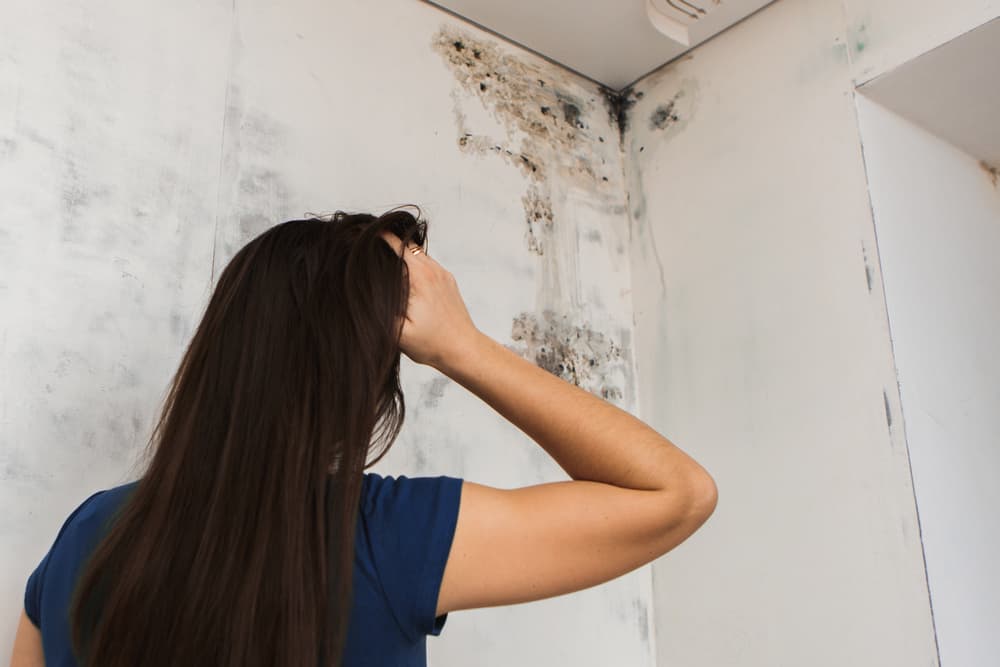
When one of our technicians arrives at your Centre Island property, the inspection follows a structured five-point protocol — not a casual walkthrough. It starts with a full moisture assessment using professional-grade meters to identify elevated readings in walls, flooring, ceilings, and structural cavities. From there, infrared thermal imaging scans the building envelope for hidden moisture pockets that standard visual inspection would completely miss. For a home with paneled walls, plaster ceilings, or a basement that’s been through a few coastal storm seasons, this step alone is worth the call.
Air sampling is collected from multiple interior zones and compared against an outdoor baseline sample. Surface swab samples are taken wherever visible growth or suspected contamination is present. Every sample goes to a certified third-party laboratory — not an in-house assessment — and results come back with species identification, spore concentration data, and a clear picture of what’s in the air you’re breathing.
The final report includes all lab results, photographic documentation of every finding, moisture readings, and a specific remediation recommendation if one is needed. Because Centre Island is a self-governing incorporated village with its own building department, any remediation work involving structural elements will require a permit through the village — and our documentation is formatted to support that process. You get a complete, usable record of what was found, not a summary that leaves you with more questions than answers.
Ready to get started?
A mold inspection in Centre Island covers the full scope of what a property like yours actually needs. That means the main residence and any secondary structures on the property — guest cottages, pool houses, carriage houses, or gatehouses — each get their own assessment. These secondary structures are often where mold goes undetected the longest, especially if they’re used seasonally or left unoccupied for extended stretches. Seasonal vacancy is common in this community, and a home that sits closed through winter without active humidity monitoring is one of the highest-risk scenarios for hidden mold growth.
The inspection includes air testing, surface sampling, water intrusion assessment, infrared scanning, moisture mapping, and internal-versus-external air particle comparison. Lab results come from a certified independent laboratory, and the written report meets the documentation standards required by insurance carriers and real estate attorneys operating in Nassau County’s high-value property market. We handle black mold testing, toxic mold testing, attic mold inspection, and basement mold inspection — all under one roof, with the same licensed team.
If remediation is needed after the inspection, we handle that too. You’re not handed off to a separate contractor with a different read on what was found. The same company that identified the problem develops the remediation plan and sees it through to full restoration. For a Centre Island property owner who doesn’t have time to manage multiple vendor relationships, that continuity is worth a great deal.
More common than most homeowners expect — and often in places they’re not looking. Centre Island sits on a peninsula surrounded by Cold Spring Harbor, Oyster Bay Harbor, and Long Island Sound, which means the ambient humidity is elevated year-round compared to inland Nassau County communities. Salt air accelerates the deterioration of window glazing, exterior caulking, and roofing materials, which creates entry points for moisture that aren’t always visible from the inside.
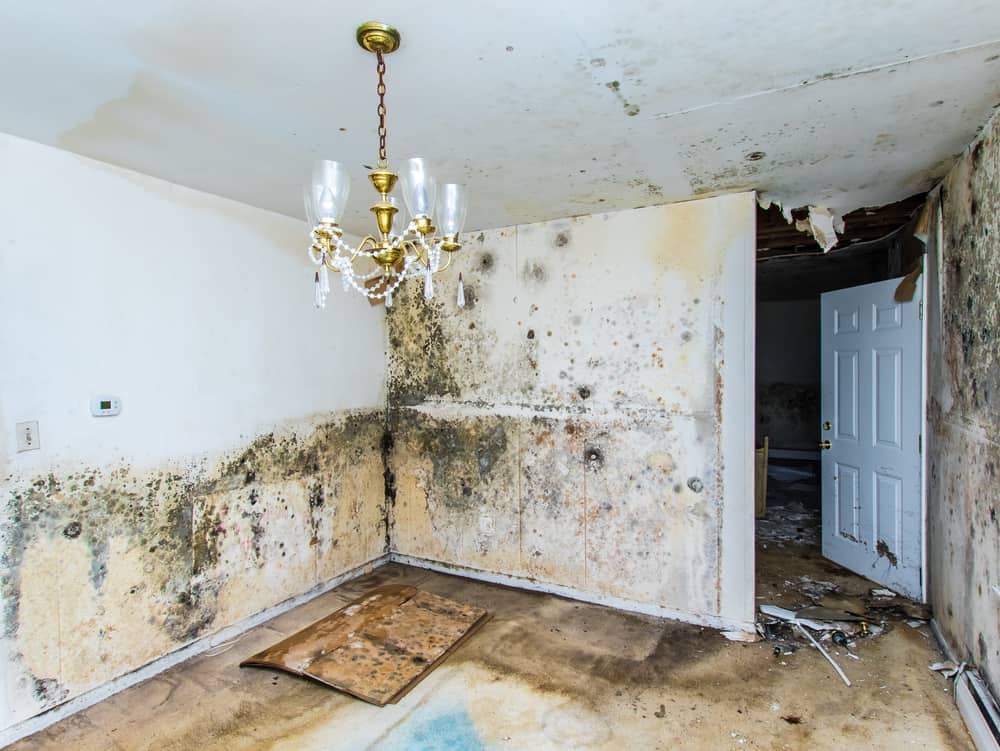
Older estate properties on the Centre Island peninsula — many built in the early-to-mid 20th century — have plaster walls, aging mechanical systems, and basement foundations made from stone or brick that absorb and retain moisture differently than modern construction materials. Add in the village’s FEMA coastal high-hazard zone designation and the nor’easters that regularly impact Oyster Bay Harbor, and you have a moisture environment that’s genuinely more demanding than what most Long Island homes face. Mold doesn’t announce itself. By the time there’s a visible colony or a persistent odor, it’s usually been growing somewhere out of sight for a while.
The national average for a standard residential mold inspection runs around $670, with a typical range of $300 to $1,000. For a Centre Island property — which often means a large main residence plus one or more secondary structures like a guest cottage, pool house, or carriage house — you should expect the cost to fall toward or above the upper end of that range. Each structure requires its own air sampling, moisture assessment, and documentation, and the square footage involved in a North Shore estate is simply not comparable to a standard suburban home.
What’s worth keeping in mind is that the inspection cost is a small fraction of what an undetected mold problem can cost to remediate — especially in a historic property where the materials involved are harder to replace and more expensive to treat. A thorough inspection with certified lab results and a written report also carries real value in a real estate transaction, an insurance claim, or a conversation with a property manager. It’s not just about finding mold. It’s about having documentation that holds up when it matters.
New York State has required all mold assessors and mold remediation contractors to hold a state-issued license under Article 32 of the NY Labor Law since January 1, 2016. This isn’t optional — it’s a legal requirement, and fines for unlicensed mold work can reach $10,000. More importantly for you as a property owner, a report produced by an unlicensed inspector carries no legal standing. It won’t be accepted by your insurance carrier, and it won’t hold up in a real estate transaction or any legal context.
In a community like Centre Island, where property values start at $800,000 and transactions regularly involve attorneys and estate managers, this matters more than it might in other markets. Before you hire anyone for a mold inspection in Centre Island, confirm they hold a current New York State Department of Labor mold assessor license — not just an IICRC certification or a company-level credential, but an individual state license. Our owner Richard Peterson holds personal licensure in both mold inspection and mold remediation, and every technician on our team is IICRC-certified.
If mold is flagged during a general home inspection — which happens regularly in Centre Island’s older estate properties — the next step is a dedicated mold inspection by a licensed mold assessor. A general home inspector isn’t licensed or equipped to tell you what type of mold is present, how concentrated the spore levels are, or where the source of moisture is coming from. You need a separate, specialized assessment that produces lab-backed documentation before anyone can make a well-informed decision about remediation.
In a real estate transaction involving a Centre Island property, a mold finding can affect the timeline, the negotiation, and in some cases the financing. Having a complete mold inspection report — with species identification, spore concentration data, moisture source documentation, and a remediation recommendation — gives both parties a clear, factual basis for moving forward. If remediation is required, the village’s own building department at 303 Centre Island Road handles permitting for any work involving structural elements, and our documentation is formatted to support that permit process from the start.
Seasonal structures are actually among the highest-risk environments for mold growth, and this is a scenario that comes up regularly with Centre Island properties. When a pool house, guest cottage, or carriage house sits closed for several months — especially through winter — there’s no active humidity control, no one monitoring for plumbing issues, and no airflow to prevent moisture from accumulating. If there’s any water intrusion from a compromised roof, a failed seal, or a slow pipe leak, mold can establish itself and spread significantly before anyone opens the door in the spring.
The problem is compounded by Centre Island’s coastal environment. Salt air and harbor humidity don’t stop affecting a structure just because it’s unoccupied. Secondary structures on peninsula properties often have older construction, less insulation, and less robust mechanical systems than the main residence — which makes them more vulnerable, not less. Including all structures on your property in a mold inspection, not just the main house, is the only way to get a complete picture of what you’re actually dealing with.
The terms get used interchangeably, but there’s a practical distinction worth understanding. A mold inspection is the full assessment — visual examination, moisture readings, infrared scanning, and a professional evaluation of the property’s risk factors. Mold testing refers specifically to the collection and laboratory analysis of air and surface samples to identify what species are present and at what concentration levels. In most cases, a thorough mold inspection in Centre Island includes testing as part of the process — you shouldn’t have to choose between the two.
Where the distinction matters is if someone offers you “just a visual inspection” without sampling. In a property with complex construction, older materials, and coastal moisture exposure, a visual inspection alone can miss what’s growing inside wall cavities, above plaster ceilings, or beneath historic flooring. The infrared scanning and air sampling components are what give you a defensible, lab-backed result — the kind that holds up with an insurance carrier or a real estate attorney. If a company is offering you an inspection without certified lab results, it’s worth asking what exactly you’re getting for the fee.
Useful Links
Other Services we provide in Centre Island