

Hear from Our Customers

Living on a barrier island means your home is in a high-moisture environment year-round — not occasionally, not seasonally, but constantly. The Atlantic Ocean on one side and Reynolds Channel on the other create a dual-exposure situation that most Nassau County homes never face. Salt-laden air accelerates material breakdown. Bay-side tidal flooding pushes water into below-grade spaces. And a naturally high water table keeps pressure on your foundation even when there hasn’t been a storm in weeks. That’s the reality in East Atlantic Beach.
After a proper mold inspection, you know exactly where the problem is, how serious it is, and what needs to happen next. You’re not guessing. You’re not reacting to a smell and hoping for the best. You have lab-certified results, infrared scan findings, moisture readings, and a written report that tells the full story — including whether anything is hiding behind your walls that a visual check would have completely missed.
That documentation matters here more than most places. If you’ve dealt with flood insurance claims, post-storm restoration, or a home purchase on this island, you already know that vague assessments don’t hold up. What insurance adjusters, real estate attorneys, and remediation contractors actually need is specific, professional documentation — and that’s exactly what a thorough mold inspection in East Atlantic Beach, NY produces.
We’ve been serving Long Island for 31 years. That includes the years before Sandy, the recovery after it, and every storm season since. Our owner is personally licensed by the New York State Department of Labor under Article 32 — for both mold inspection and mold remediation — and every technician on our team holds IICRC certification. Not some of them. All of them.
We serve Nassau County as a core market, including the barrier island communities along the Long Beach shoreline. We know what storm surge does to a home’s wall cavities in East Atlantic Beach. We know what a high water table does to a crawl space over time. And we know that the housing stock in East Atlantic Beach — much of it built before modern moisture barriers were standard — hides problems that a quick visual check will never catch.
We’re licensed, bonded, and insured. When you call our Nassau County line, you’re reaching a company that has worked in homes like yours, in conditions like yours, for three decades.
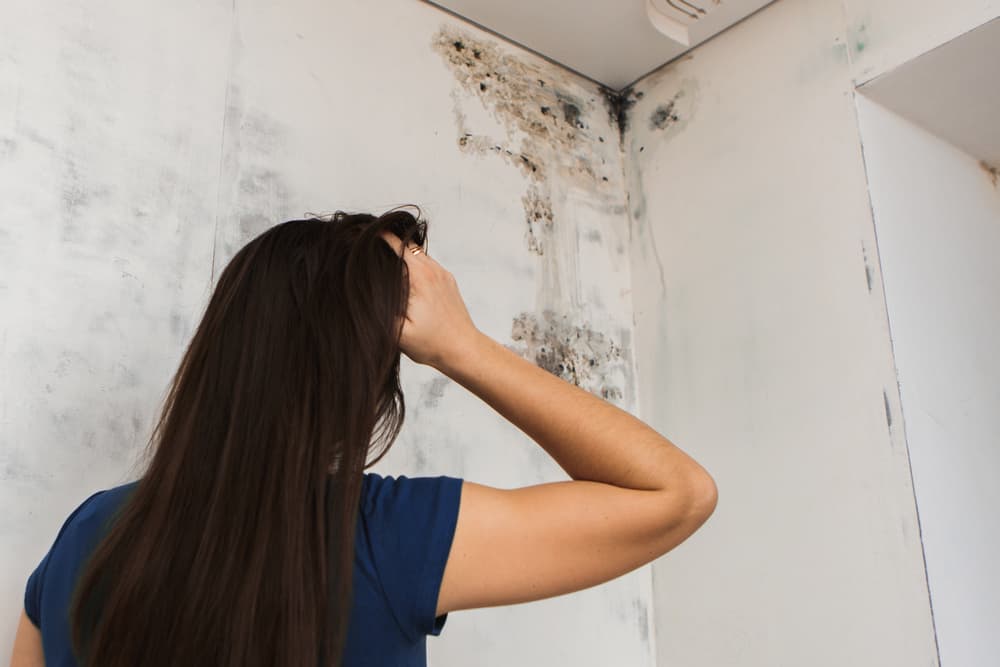
The inspection starts with a full walkthrough — not just the rooms you’re worried about, but the spaces most people overlook: crawl spaces, attic assemblies, HVAC systems, and any area where water has historically entered or could enter given your home’s position on the island. In East Atlantic Beach, that means paying specific attention to below-grade moisture intrusion from the water table, bay-side wall assemblies facing Reynolds Channel, and any area that took on water during past storm events.
From there, we take air samples and surface swab samples, which go to a certified laboratory for analysis. At the same time, infrared thermal imaging scans the building envelope for temperature differentials that indicate hidden moisture — the kind that sits inside a wall cavity feeding a mold colony that has no visible surface signs yet. Moisture meters confirm readings in specific areas. Every finding gets photographed and documented.
The final report includes your lab results with mold species identification and spore counts, a comparison of indoor versus outdoor air particle levels, infrared scan findings, moisture readings, and specific remediation recommendations based on what was actually found. Under New York State’s Article 32 licensing law, this assessment must be performed by a licensed mold assessor — and that’s exactly who conducts every inspection we do. You get the report, the lab results, and a clear path forward.
Ready to get started?
Our mold inspection service covers air quality testing, surface swab sampling, water intrusion assessment, moisture level measurement, and infrared thermal imaging for hidden mold detection. Every sample we collect goes to a certified lab. You receive a written report with actual species identification, spore concentration data, and a direct comparison of indoor versus outdoor air particle counts — not a summary opinion, but documented findings with numbers behind them.
For East Atlantic Beach homeowners, a few specific areas consistently come up. Basements and crawl spaces are high-priority given the water table conditions on the barrier island. Attic spaces in older homes — many built in the 1940s through 1970s before modern vapor barriers were standard — frequently show mold growth tied to poor ventilation and salt air corrosion of roofing components. HVAC systems in coastal homes corrode faster, and that corrosion creates condensation pathways that feed mold in places you’d never think to look.
If mold is found and remediation is needed, we handle that too. You don’t need to bring in a separate contractor, negotiate a handoff, or wonder whether the remediation plan actually reflects what the inspection found. The same company that identifies the problem can carry the work through to full restoration — which matters in a community where getting contractors across the Atlantic Beach Bridge and coordinating multiple vendors adds real time and complexity to an already stressful situation.
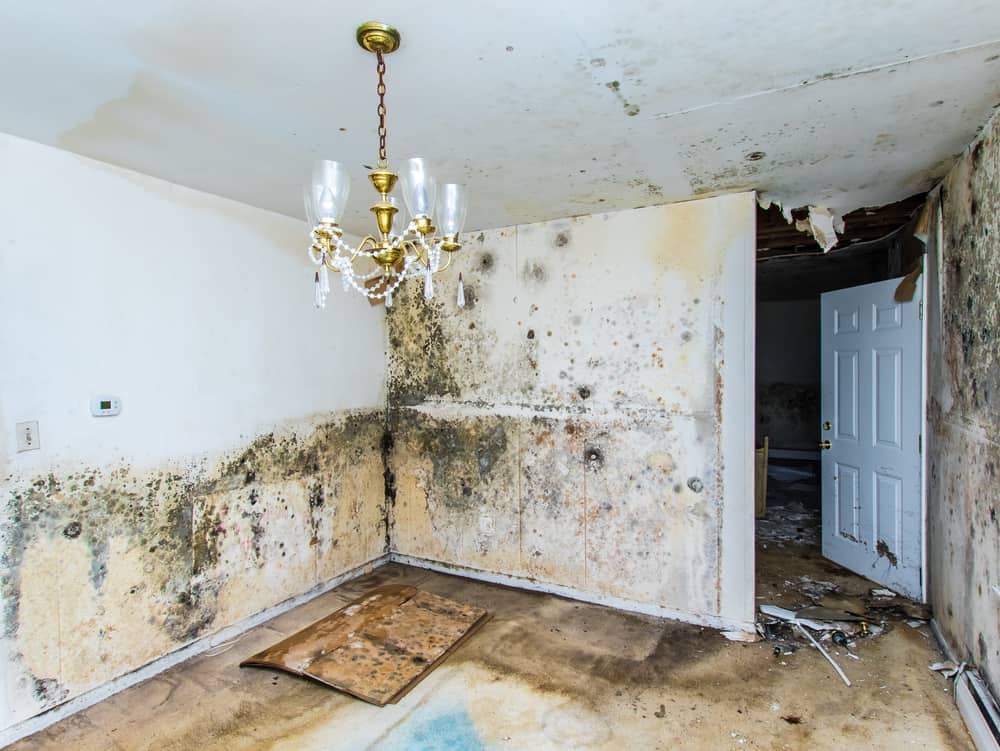
Yes — and the timing matters more than most people realize. Mold can begin colonizing within 24 to 48 hours of a flooding event when moisture levels stay elevated. In East Atlantic Beach, flooding doesn’t just come from rain. Storm surge from the Atlantic, tidal overflow from Reynolds Channel, and groundwater intrusion from the island’s naturally high water table all create the same result: water in places it shouldn’t be, often inside wall cavities and beneath subfloors where it won’t dry on its own.
A post-flood mold inspection gives you documented proof of what’s there and what isn’t — which matters both for your family’s health and for any insurance claim you’re filing. The National Flood Insurance Program policies that most East Atlantic Beach homeowners carry require professional documentation to support mold-related claims. An inspection that produces certified lab results and a written assessor’s report is what actually moves that process forward. Waiting to see if a smell develops is not a strategy — by the time you smell it, the colony is already established.
A professional mold inspection includes air sampling, surface swab sampling, moisture level measurement, water intrusion assessment, and infrared thermal imaging to locate hidden moisture and mold behind walls, under floors, and inside ceiling assemblies. Everything we collect goes to a certified laboratory. What you receive at the end is a written report with your lab results — mold species identified, spore concentrations measured, indoor air compared to outdoor baseline levels — along with infrared findings, moisture readings, photographs of problem areas, and specific remediation recommendations.
That last part is important. The report doesn’t just confirm whether mold exists — it tells you what kind, how concentrated, where it’s coming from, and what needs to happen to address it. For homeowners in East Atlantic Beach who are navigating a flood insurance claim, preparing for a real estate transaction, or simply trying to understand what’s going on in a home that smells off after a wet season, this level of documentation is what gives you actual leverage. A vague “we found some mold” verbal assessment doesn’t help you with an adjuster, a buyer’s attorney, or a remediation contractor.
The national average for a professional mold inspection runs around $670, with most inspections falling somewhere between $300 and $1,000 depending on the size of the property, the number of samples taken, and the scope of the assessment. For homes in East Atlantic Beach, it’s reasonable to expect pricing at or above the midpoint of that range. The barrier island environment — dual moisture exposure from ocean and bay, high water table, older housing stock, and the need for thorough below-grade and HVAC assessment — means a complete inspection here typically requires more time and more sampling points than a standard inland Nassau County home.
What’s worth keeping in mind is the cost comparison. A professional mold inspection in East Atlantic Beach runs a few hundred to around a thousand dollars. Remediation for an established mold problem in a wall cavity or crawl space — especially in a home with older construction — can run several thousand dollars or more, and that’s before any structural restoration. Catching it early, with documentation that holds up to insurance scrutiny, is almost always the less expensive outcome. The inspection cost is not the risk. The risk is not knowing.
New York State requires a licensed mold assessor to perform any mold assessment for compensation. This requirement has been in place since January 1, 2016, under Article 32 of the NY Labor Law. A contractor who performs mold assessment work without the proper NYS Department of Labor license is operating illegally, and violations carry fines of up to $10,000. The license for mold assessment is separate from the license required for mold remediation — a contractor who holds one does not automatically hold the other.
This matters in East Atlantic Beach specifically because the post-Sandy recovery period brought a significant number of unlicensed contractors into Nassau County’s barrier island communities. Some of that work was incomplete or improperly documented, which is part of why residents in this area are more likely than most to have lingering mold concerns that were never fully resolved. Before any mold inspector enters your home, ask for their NYS DOL mold assessor license number and verify it. Our owner is personally licensed in both mold inspection and mold remediation — and that documentation is available on request.
Yes, and it’s more common than most homeowners expect — particularly in homes that have experienced any water intrusion, even minor or years ago. Mold grows where moisture is, not necessarily where you can see it. Wall cavities, the backside of drywall, subfloor assemblies, and the interior of HVAC ductwork are all environments where mold can establish and grow for months without producing a detectable odor or any visible surface signs. By the time you notice something, the colony is typically well-developed.
In East Atlantic Beach, this is a specific concern for homes that took on water during Hurricane Sandy or subsequent storm events and were restored without a thorough post-flood mold inspection. Salt water intrusion into wall assemblies creates particularly favorable conditions for mold growth, and the older construction methods common in mid-century barrier island homes — without modern vapor barriers or moisture-resistant sheathing — give that moisture nowhere to go. Infrared thermal imaging is the tool that identifies these hidden moisture pockets by detecting temperature differentials inside the wall assembly, without opening up walls. It’s not a premium add-on for East Atlantic Beach homes — it’s the appropriate standard of care.
A general home inspection is not a mold inspection. A licensed home inspector can note visible signs of moisture damage or surface mold, but they are not trained or licensed as mold assessors, and their findings don’t constitute the professional assessment required for insurance purposes, remediation planning, or legal disclosure. In a standard suburban transaction, that gap might be manageable. In East Atlantic Beach, where 97% of properties face severe flood risk over the next 30 years and where much of the housing stock predates modern moisture management standards, that gap is a real financial exposure.
Before closing on a property in East Atlantic Beach, a dedicated mold inspection — with air sampling, surface swabs, infrared scanning, and certified lab results — gives you the complete picture of what you’re buying. If mold is found, you have documented findings to negotiate with. If nothing is found, you have a clean report that confirms the home’s condition at the time of purchase. Either way, you’re making a decision with actual information rather than hoping the general inspector’s visual check caught everything. On a barrier island where flood history, salt air exposure, and high water table conditions are built into the geography, that information is worth having before you sign.
Useful Links
Other Services we provide in East Atlantic Beach