
Hear from Our Customers
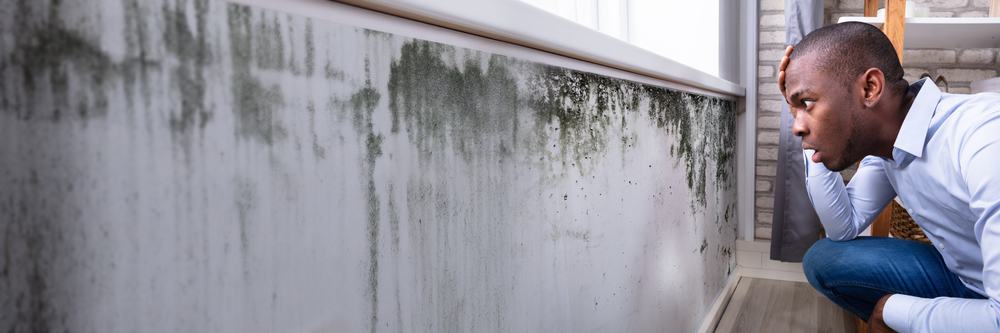
Most mold problems in East Hills don’t start with a smell. They start with a slow pipe leak behind original plumbing, a compressed attic insulation layer that stopped ventilating properly years ago, or hydrostatic pressure pushing moisture into a basement after a heavy nor’easter rolls through Nassau County’s North Shore. By the time you notice something, it’s usually been growing for a while.
A professional mold inspection gives you a clear, documented picture of what’s actually happening inside your home — not a guess, not a visual estimate, but certified lab results that tell you exactly what species are present, at what concentration, and what needs to happen next. For families with kids attending East Hills Elementary or Harbor Hill Elementary, that kind of certainty matters. You’re not just protecting property. You’re protecting the air your household breathes every day.
For East Hills homeowners navigating a sale or purchase at today’s median prices, that documentation also carries real weight. A written, lab-backed report is what real estate attorneys and insurance adjusters actually accept — and it can be the difference between a clean transaction and a deal that falls apart at the finish line.
We’ve been serving Nassau and Suffolk County homeowners for over 31 years. That’s not a marketing number — it’s the length of time it takes to actually understand how Long Island homes age, where moisture hides in post-war construction, and what a real mold assessment looks like versus a quick walk-through with a flashlight.
Every technician we dispatch to your East Hills home holds full IICRC certification — not just our owner, not just the crew lead, but everyone. Our owner is personally licensed by the New York State Department of Labor as both a mold assessor and mold remediator under Article 32 of NY Labor Law. That license is the legal baseline for performing this work in New York, and not every company operating in Nassau County can produce one.
We already have an active service presence in East Hills. We’ve handled water damage restoration throughout this community and understand the specific drainage patterns around Harbor Hill, the moisture challenges in homes built over the old Mackay estate grounds, and the basement conditions that follow a hard Nassau County rainstorm. This isn’t a new market for us — it’s familiar ground.
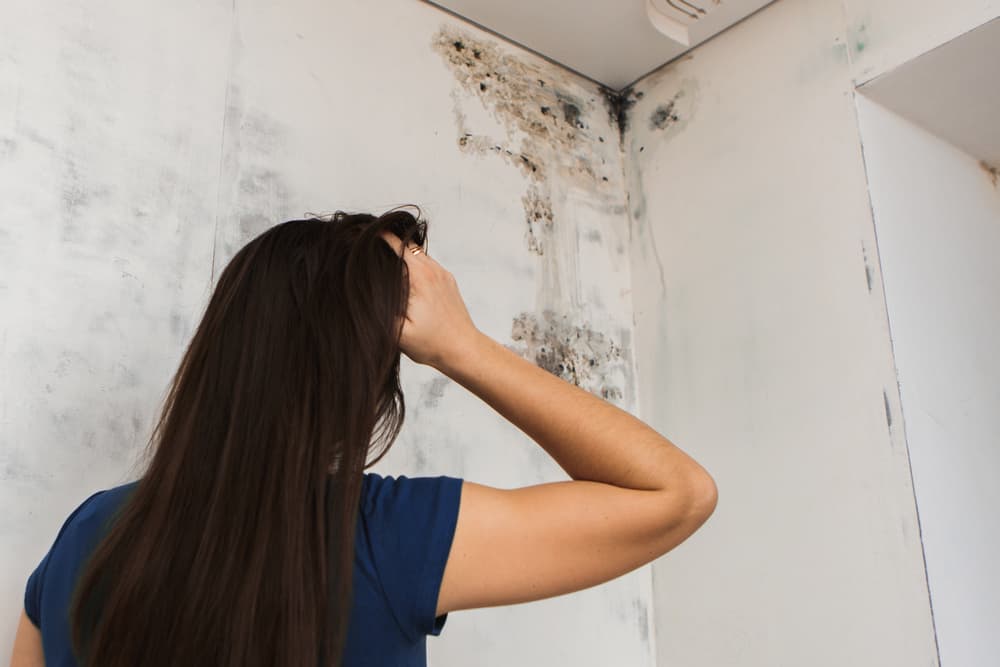
Our inspection starts before a single sample is collected. A certified technician walks the property looking for visible signs of water intrusion, moisture damage, and conditions that commonly precede mold growth — things like compromised attic insulation, aged plumbing runs, and basement walls showing early signs of hydrostatic pressure. In East Hills homes built during the Strathmore and Country Estates developments, that preliminary read is especially important because original construction details often hide problems that a standard visual pass would miss entirely.
From there, we collect air samples from inside the home and compare them against an outdoor baseline. That comparison is the only scientifically valid way to determine whether indoor spore levels are elevated — and it’s a step a lot of companies skip. Surface swab samples are collected from any areas of visible concern, and infrared scanning is used to detect moisture and temperature differentials behind walls and inside structural cavities. If mold is growing where you can’t see it, this is how we find it.
All samples go to a certified third-party laboratory. When results come back, you receive a written report that identifies specific mold species, spore concentration levels, and a clear set of recommended next steps. In New York, any mold assessment performed for compensation requires a state-issued DOL license — and that report needs to reflect work done by someone who actually holds one. We do.
Ready to get started?
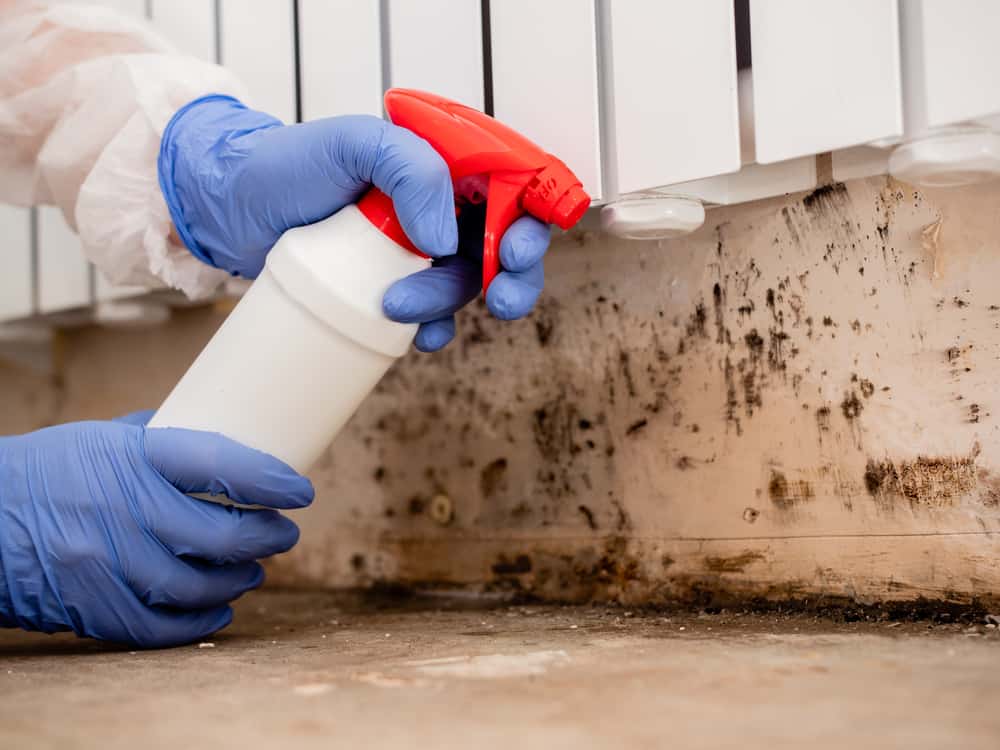
Our mold inspection service covers air testing, surface swab sampling, moisture level measurement with professional-grade meters, water intrusion assessment, infrared scanning for hidden mold detection, photographic documentation of all findings, and a comprehensive written report backed by certified laboratory results. That report includes specific remediation recommendations — not just a list of findings, but a clear path forward.
East Hills homes present a specific set of conditions that make each of these components matter. Homes averaging 70 years old and 3,281 square feet have a lot of territory where moisture can move undetected — original ductwork, attic runs, crawl spaces, and finished basements are all common problem zones. The elevated North Shore humidity that comes with proximity to Long Island Sound keeps baseline moisture levels higher than in inland communities, which means HVAC systems and insulation that were adequate in 1955 are often working against you now.
If your mold situation traces back to a water damage event — a burst pipe, a roof leak from an ice dam, a flooded basement after a nor’easter — we can produce the documentation your homeowners insurance claim may require. That means detailed findings, moisture readings, photographs, and a clear chain of causation. And if remediation is needed after the inspection, we handle that too. One company, one call, from assessment through restoration.
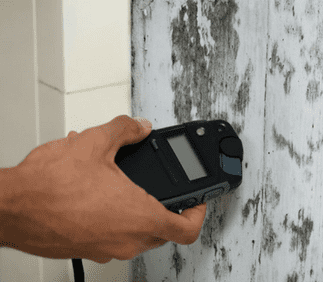
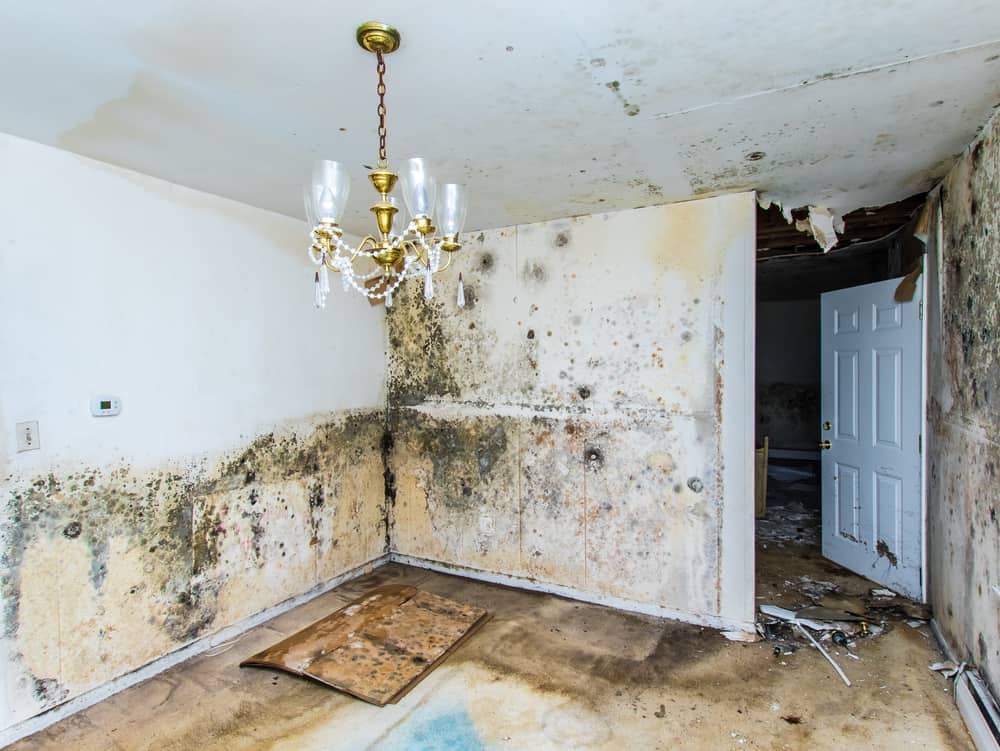
The honest answer is that most East Hills homeowners don’t know until they look. A musty smell in the basement or attic is an obvious trigger, but mold frequently grows in places with no smell at all — inside wall cavities, behind original drywall, or within ductwork that hasn’t been properly maintained since the home was built. If your home was built during the post-war Strathmore or Country Estates development era, it’s approaching 70 to 80 years old. That means original plumbing, aging insulation, and basement waterproofing that may have been adequate decades ago but isn’t holding up the same way anymore.
Common triggers that should prompt a professional inspection include any recent water intrusion event — a flooded basement, a roof leak, an HVAC condensation issue — as well as unexplained respiratory symptoms in household members, visible discoloration on walls or ceilings, or a general home inspection report that flagged potential moisture concerns. At East Hills property values, the cost of catching a mold problem early is a fraction of what full remediation costs if it’s left to spread.
The national average for a professional mold inspection runs around $670, with most residential jobs falling somewhere between $300 and $1,000 depending on home size and what the inspection covers. East Hills homes average over 3,200 square feet, which puts them toward the upper end of that range — but the scope of the inspection matters just as much as the square footage. An inspection that includes air testing, surface sampling, infrared scanning, and certified lab analysis costs more than a basic visual walk-through, and it’s worth the difference.
To put it in perspective: at a median sale price of around $1.7 million, the cost of a thorough mold inspection represents less than one-tenth of one percent of your home’s value. The cost of discovering a significant mold problem after closing — or during a sale — is orders of magnitude higher. For East Hills homeowners, the inspection isn’t an expense to minimize. It’s due diligence on a major asset.
Yes — and this is one of the most important questions to ask before hiring anyone. Under Article 32 of New York Labor Law, any person or company performing mold assessment or mold remediation for compensation in New York is required to hold a license issued by the NYS Department of Labor. This requirement has been in effect since January 1, 2016, and fines for unlicensed mold work can reach $10,000. The law also prohibits the same company from performing both the assessment and the remediation on the same project without specific conditions being met — a rule designed to prevent conflicts of interest.
When you’re vetting mold inspection companies in Nassau County, ask directly for the inspector’s DOL license number. A legitimate, licensed assessor will provide it without hesitation. Our owner holds a personal NYS DOL license as both a mold assessor and mold remediator, and every technician on our team carries full IICRC certification. The report you receive at the end of the inspection is only as legally defensible as the credentials of the person who produced it.
Absolutely — and this is one of the most common misconceptions homeowners have. Visible water damage is a clear red flag, but mold doesn’t need a dramatic flood to take hold. It needs sustained moisture above roughly 60% relative humidity, which Long Island’s North Shore climate provides regularly during spring and summer months. East Hills sits close enough to Long Island Sound that ambient outdoor humidity stays elevated for extended stretches of the year, and when that moisture finds its way into an attic with inadequate ventilation or a basement with aging waterproofing, mold can begin growing within 24 to 48 hours — completely out of sight.
In homes built during the post-war development era — which describes most of East Hills’s housing stock — attic insulation has often compressed and settled over decades, reducing airflow and creating warm, humid pockets where mold thrives. Original HVAC ductwork running through attic and crawl space areas is another common hidden source, circulating spores through the entire home with every heating or cooling cycle. Infrared scanning during a professional inspection detects these conditions before they become visible — which is exactly when you want to find them.
For buyers, it’s one of the smartest steps you can take — especially at East Hills price points. A general home inspector may note potential moisture concerns or flag discoloration in an attic or crawl space, but they’re not equipped to tell you what species of mold is present, at what concentration, or what remediation would cost. A professional mold inspection with certified lab results gives you that specificity, and it gives your attorney something concrete to work with if the findings affect the terms of the transaction.
For sellers, a pre-listing mold inspection removes one of the most common deal-killers in older home sales. East Hills homes averaging 70 years of age are going to raise questions during buyer due diligence — having a clean, documented inspection report in hand from the start puts you in a stronger negotiating position and signals to buyers that you’ve maintained the property responsibly. At a median sale price approaching $1.7 million, the cost of the inspection is negligible compared to the value of a smoother, faster transaction.
Finding mold during an inspection isn’t the end of the story — it’s the beginning of solving the problem with accurate information. Once the certified lab results come back, you’ll have a written report that identifies exactly what was found, where it was found, and what the recommended remediation approach looks like. That report is the foundation for everything that follows, whether that’s a conversation with your insurance company, a negotiation with a buyer or seller, or scheduling the remediation work itself.
We handle the full scope — inspection, remediation, and restoration — so you’re not left coordinating between multiple contractors or worrying about whether one company’s findings are being interpreted correctly by another’s crew. For East Hills homeowners dealing with mold that traces back to a water damage event, we’re also equipped to produce the documentation your insurance claim may require: moisture readings, photographs, findings reports, and a clear causal connection between the water event and the mold growth. The goal is to get your home back to a verified, documented clean state — and to have the paperwork to prove it.
Useful Links
Other Services we provide in East Hills