
Hear from Our Customers
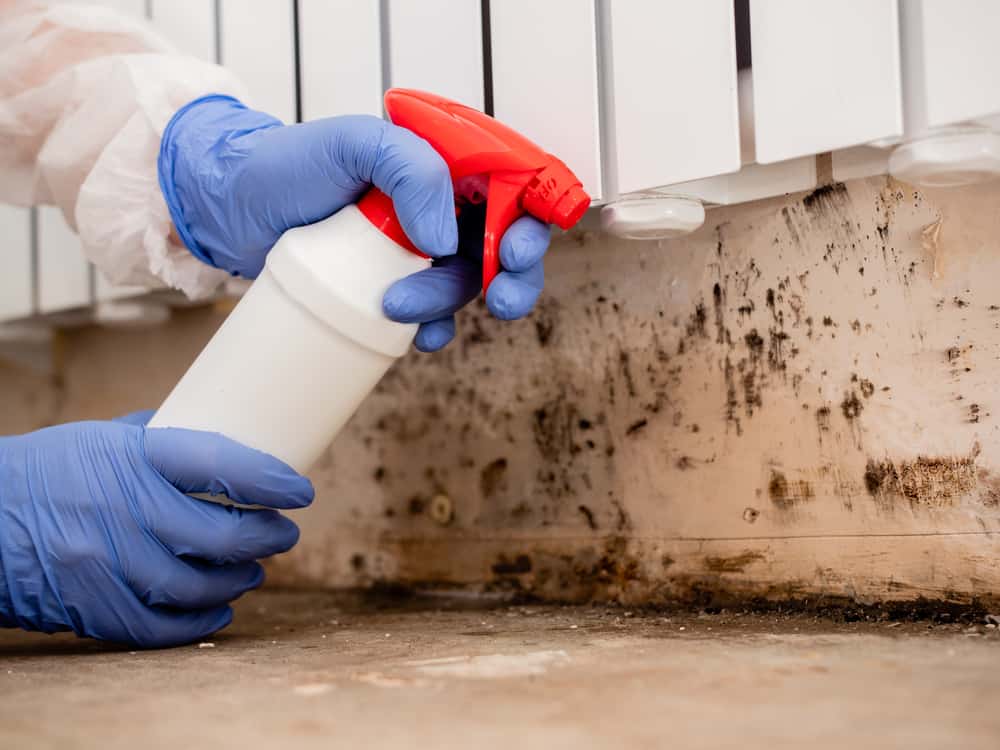
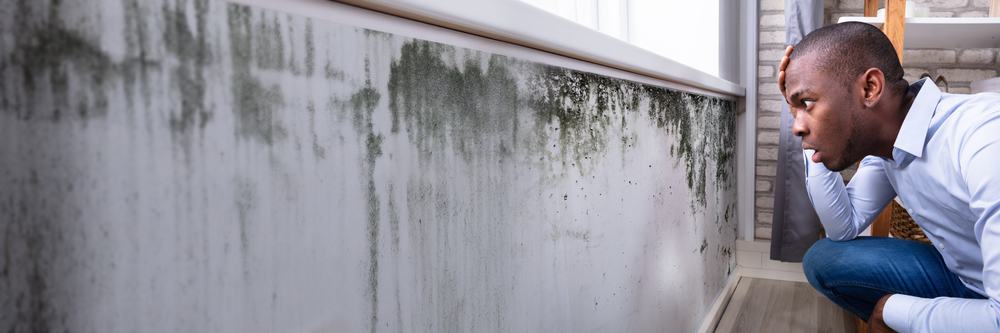
There’s a reason so many Elwood homeowners end up surprised by mold. The housing stock here — mostly Cape Cods, hi-ranches, and ranches built between the 1940s and 1970s — was constructed before modern vapor barriers and ventilation standards existed. Decades of Long Island’s humid summers and wet winters have had time to do their work inside wall cavities, attic insulation, and basement slabs that haven’t been touched since the home was built.
A professional mold inspection in Elwood, NY gives you something a visual check never can: documented, lab-verified findings. Air samples and surface swabs go to an accredited laboratory. The results come back in writing — what species were found, what the spore counts were, and what, if anything, needs to happen next. That report holds up in real estate transactions, insurance claims, and contractor conversations.
For families near the Elwood Union Free School District who’ve noticed unexplained respiratory symptoms, or buyers protecting a $750,000-plus investment on Jericho Turnpike-area properties, that documentation isn’t just useful — it’s the difference between a decision made on facts and one made on guesswork. You don’t have to assume. You can know.
We’ve been operating out of West Babylon, NY since the early 1990s. That’s not a franchise with a local phone number — it’s a Suffolk County business that has been serving homeowners across Huntington, Elwood, and the surrounding communities for over three decades. The 631 area code on the phone line isn’t a coincidence. We’re a local company that knows the groundwater conditions, the housing stock, and the seasonal flooding patterns that come with living in this part of Long Island.
Every technician who comes to your door holds IICRC certification. We hold both a New York State Mold Assessor License and a Mold Remediator License — both required by state law, both verifiable through the NY Department of Labor. When you hire us for a mold inspection in Elwood, NY, you’re not getting whoever was available. You’re getting a credentialed team with a 31-year reputation at stake on every single job.
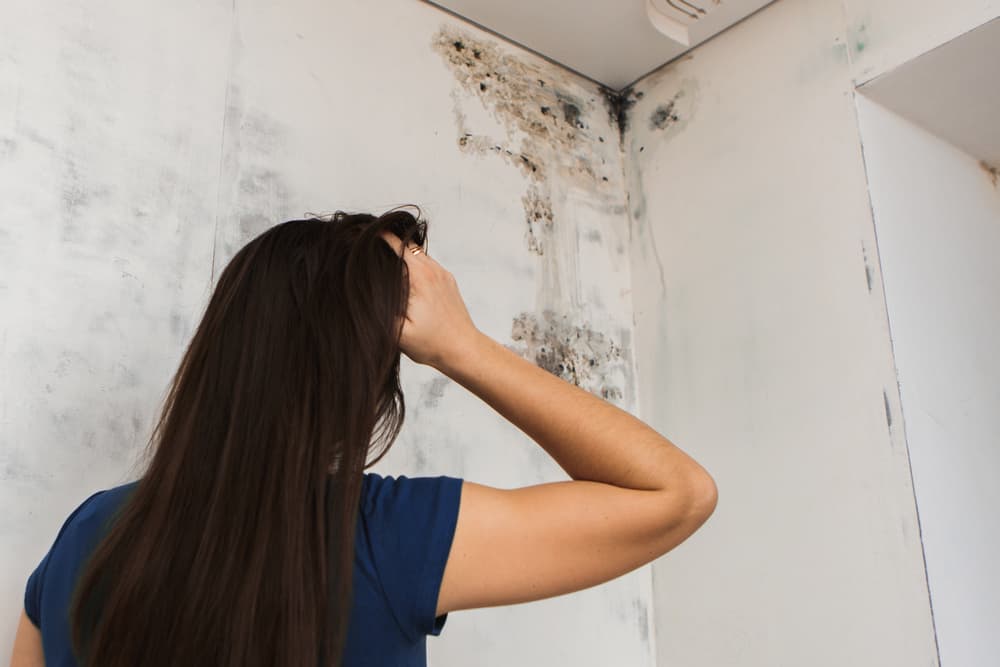
The inspection starts with a full walkthrough — not just the basement, but the attic, the HVAC system, and any area where water has ever had a chance to sit. In Elwood’s post-war homes, that typically means paying close attention to Cape Cod rooflines where condensation builds up in insulation, finished basement walls where groundwater has seeped through the slab, and older bathroom tile where grout failure has been quietly letting moisture in for years.
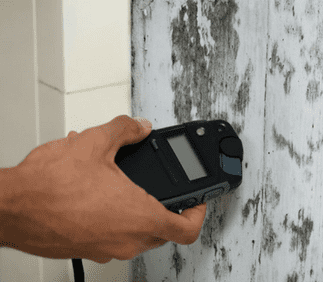
From there, air samples are collected from multiple areas inside the home and compared against an outdoor baseline. That comparison matters — it’s how you separate normal background spore levels from an active indoor mold problem. Surface swabs are taken where visible growth is suspected or confirmed. A moisture meter is used throughout the structure to identify elevated readings that signal hidden water intrusion, and infrared thermal imaging is used to detect temperature variations behind walls and ceilings that often indicate moisture pockets before mold becomes visible.
Everything collected goes to a certified, accredited laboratory. When the results come back, you receive a written report — not a verbal summary — that documents what was found, where it was found, what species were identified, and what the recommended next steps are. In Elwood, where real estate transactions move fast and homes sell in an average of 33 days, that written documentation is often needed quickly. We operate 24 hours a day, seven days a week, and prioritize turnaround accordingly.
Ready to get started?
A mold inspection in Elwood, NY through our company covers the full picture. Air testing, surface swab sampling, water intrusion assessment, moisture level measurement, and complete photographic documentation are all part of the standard inspection — not add-ons. The infrared thermal imaging that detects hidden moisture behind walls and above ceilings is included because, in a hamlet where most homes are over 50 years old, that’s where the real findings usually are.
New York State law has required licensed mold assessors and remediators since January 1, 2016. We hold both licenses, which means if the inspection does uncover an active mold problem, the same team that found it can legally and professionally handle the remediation — and if structural materials need to be replaced, full reconstruction is also within scope. You don’t need to coordinate three different contractors. One licensed, insured, IICRC-certified team handles the process from the first air sample to the final repair.
For homeowners in The Seasons at Elwood, buyers purchasing along the Cuba Hill Road and Clay Pitts Road corridors, or families who’ve dealt with basement flooding after a nor’easter knocked out the sump pump — the written lab report you receive at the end isn’t just a formality. It’s documentation that protects a major financial investment and gives you something concrete to act on, whether that’s a clean bill of health or a clear remediation plan.
The cost of a mold inspection in Elwood, NY typically falls between $300 and $700 for a standard residential inspection, depending on the size of the home and the number of samples collected. Larger homes with finished basements, attic living space, or multiple areas of concern — which are common in Elwood’s Cape Cod and hi-ranch housing stock — may fall toward the higher end of that range because more sampling locations and more lab analysis are involved.
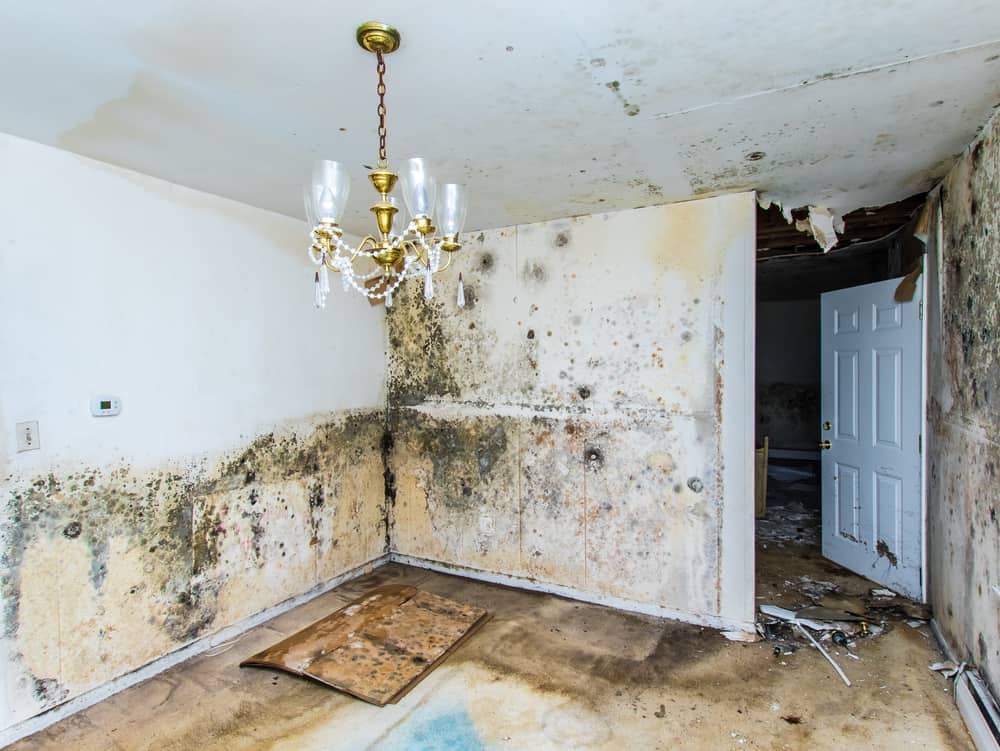
It’s worth putting that number in context. The median home sale price in Elwood is around $757,000. A mold inspection is a small fraction of that investment, and skipping it — or going with the cheapest option available — can mean missing active growth behind a finished basement wall that turns into a $10,000 to $20,000 remediation job down the road. The cost of the inspection is almost never the issue. What matters is that the findings are accurate, documented, and backed by accredited lab results.
They’re related but not the same. A mold inspection is a full assessment of the property — a licensed inspector examines the structure, identifies moisture sources, checks for visible mold, and uses tools like infrared thermal imaging and moisture meters to find hidden problem areas. Mold testing refers specifically to the collection and laboratory analysis of air or surface samples to identify what mold species are present and at what concentrations.
A real mold inspection includes testing as part of the process — it doesn’t stop at a visual walkthrough. The lab results are what give you something documented and defensible. If a company offers a “mold inspection” that doesn’t include sample collection and accredited lab analysis, you’re getting a visual assessment, not a true inspection. In New York State, anyone performing a mold assessment professionally is required to hold a NY State Mold Assessor License — so that’s also worth confirming before you book with anyone.
Visible mold is actually one of the less common ways homeowners in Elwood first discover a problem. More often, it’s a persistent musty smell in the basement, a family member with unexplained respiratory symptoms that clear up when they leave the house, or an HVAC system that’s been circulating air through ductwork nobody’s inspected in years. In older homes — and most of Elwood’s housing stock was built between the 1940s and 1970s — mold tends to grow inside wall cavities, behind finished basement walls, and in attic insulation where condensation has been accumulating quietly for years.
Infrared thermal imaging is one of the most effective tools for finding hidden mold because it detects temperature differences behind surfaces that indicate moisture — before the mold becomes visible or symptomatic. Air sampling then confirms whether elevated spore levels are present indoors compared to the outdoor baseline. If you’ve had any water intrusion in the past — a flooded basement, a roof leak, a burst pipe — and you’re not certain it was fully dried within 48 hours, that’s enough reason to have the home assessed. Mold starts growing fast, and it doesn’t stop on its own.
Yes, and it’s worth understanding why. A general home inspector is not a licensed mold assessor under New York State law. They can note visible signs of moisture or staining, but they are not licensed to collect mold samples, send them to a lab, or provide a formal mold assessment report. Those are legally distinct activities that require a NY State Mold Assessor License — which we hold.
For a purchase at Elwood’s median price point of around $757,000, the cost of a standalone mold inspection is negligible. What’s not negligible is discovering after closing that the finished basement you just bought has active mold growth behind the drywall — something a home inspector walking through with a flashlight would have no way to confirm or rule out. Elwood homes sell fast, averaging about 33 days on market, which can create pressure to skip steps. Don’t let that be the step you skip.
Mold can grow in any home — age is a risk factor, not a requirement. That said, older homes in Elwood do carry elevated baseline risk because of how they were built. Pre-1980s construction methods didn’t include the vapor barriers, ventilation requirements, and moisture-resistant materials that modern building codes mandate. So the Cape Cods and hi-ranches that make up most of Elwood’s residential inventory are more susceptible by design.
Newer construction isn’t immune, though. The Seasons at Elwood — the 55+ community with condos starting above $800,000 — is a newer development, but newer buildings can still develop mold from HVAC issues, construction-phase moisture that wasn’t fully dried before walls were closed, or plumbing failures in the first few years of ownership. The common thread in every case is moisture. Wherever water gets in and isn’t fully addressed within 24 to 48 hours, mold has the conditions it needs to grow. The age of the structure changes the likelihood — it doesn’t change the biology.
It depends on the cause. New York homeowners insurance policies generally cover mold damage when it results directly from a covered peril — a burst pipe, sudden roof damage from a storm, or a sump pump failure that’s covered under your specific policy. What most policies exclude is mold that developed gradually due to deferred maintenance, long-term moisture, or conditions the homeowner was aware of and didn’t address.
For Elwood homeowners, the most common scenario where insurance comes into play is post-storm basement flooding — a nor’easter takes out the power, the sump pump fails, and the basement floods. If that flooding is documented and reported promptly, and the resulting mold is professionally assessed and remediated, there’s a reasonable path to a covered claim. The key is documentation — which is exactly what a written, lab-verified mold inspection report provides. We manage the communication and documentation process with insurance companies directly, which takes that burden off the homeowner and keeps the claim moving. If you’re unsure whether your situation qualifies, the inspection report gives you something concrete to bring to your adjuster.
Useful Links
Other Services we provide in Elwood