

Hear from Our Customers
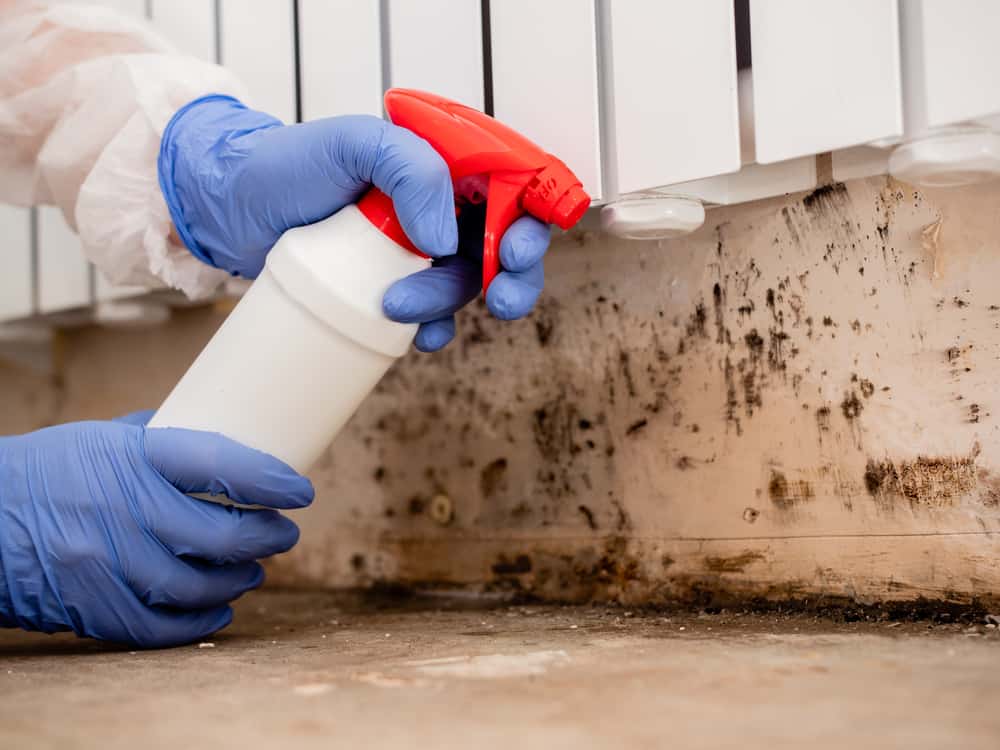
Most homeowners in Great Neck Estates don’t find mold because they see it. They find it because something felt off — a musty smell in the basement, a family member with unexplained respiratory symptoms, or a home inspector flagging moisture during a sale. By that point, it’s already been growing. Our thorough mold inspection in Great Neck Estates, NY tells you exactly what’s present, where it is, how concentrated it is, and what needs to happen next. That’s not a guess — it’s a certified lab report.
Great Neck Estates sits on a peninsula surrounded by Manhasset Bay, Little Neck Bay, and Long Island Sound. That coastal exposure means humidity levels here regularly exceed the 60% threshold where mold can begin growing in as little as 24 to 48 hours. Add in a housing stock where many homes were built in the 1920s through 1940s — original basement walls, older plumbing, aging HVAC systems — and you have a combination that creates persistent moisture risk in places a visual check simply won’t reach.
When the inspection is done right, you walk away knowing the actual condition of your home’s air and surfaces, backed by certified lab results. For a home valued above $1.6 million, that documentation isn’t just peace of mind — it’s protection. It holds up with your insurance company, your real estate attorney, and your family’s physician if it ever comes to that.
First Response Restoration and Cleaning Inc. has been serving Nassau and Suffolk County homeowners since the early 1990s. Our owner, Richard Peterson, holds personal licensure under New York State’s Article 32 — the state law that has required mold assessors and remediators to be licensed since 2016. Every technician on our team carries IICRC certification. That’s not just a company credential — it’s the standard every single person who walks into your home is held to.
For Great Neck Estates specifically, that experience matters. The North Shore’s older Colonials, Tudors, and waterfront properties have their own set of moisture challenges — ones that are different from what you’d find in Levittown or Hicksville. We’ve worked across Nassau County long enough to know what these homes hide and where to look. With a dedicated Nassau County service line at 516-698-1776, we’re not a tri-state operation that happens to take calls from the area. This is our backyard, and we understand the specific moisture pressures that Great Neck Estates residents face.
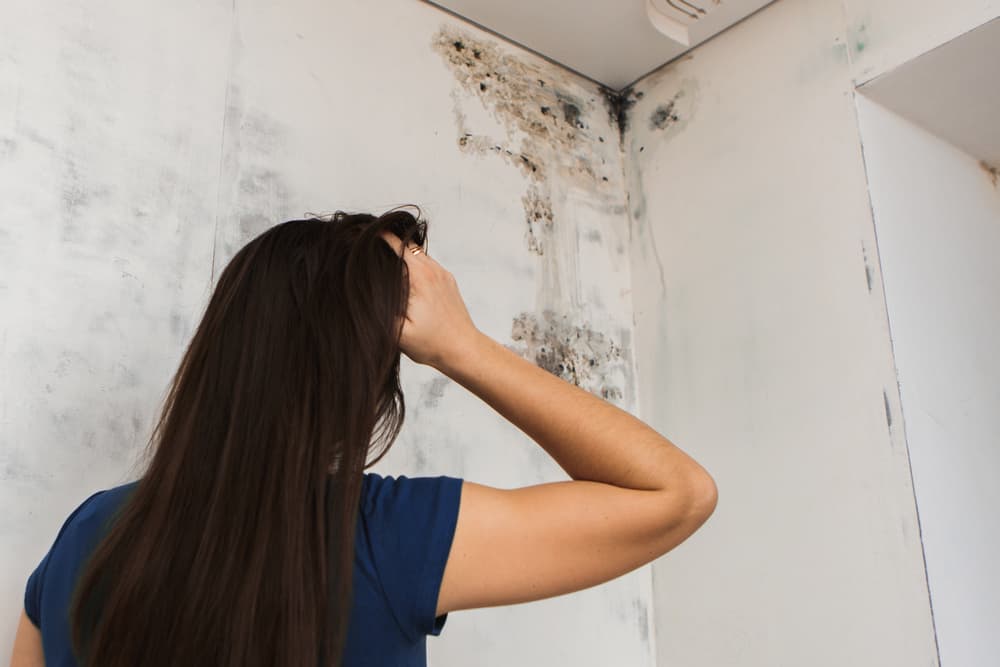
Our inspection starts with a full walkthrough of your home — basement, attic, crawl spaces, bathrooms, and any area with a history of water intrusion or moisture. In Great Neck Estates, that often means paying close attention to basement walls in older homes along Shore Drive or Cedar Drive, where original construction from the early 20th century meets decades of seasonal nor’easters and coastal humidity.
From there, we collect air samples from multiple points inside the home and compare them against an outdoor baseline. This internal versus external air particle comparison is the only scientifically sound way to determine whether your home’s mold spore levels are elevated beyond normal environmental exposure — and on a coastal peninsula where outdoor spore counts are naturally higher, that baseline matters more than it would in an inland community. We take surface swab samples where visible growth or staining is present. We measure moisture levels throughout. And where the situation calls for it, we use infrared technology to detect moisture accumulation hidden inside wall cavities and under flooring — without opening anything up.
Everything we collect goes to a certified laboratory. You receive a complete written report: mold species identified, spore concentration levels, comparison results, and specific recommended next steps. If remediation is needed, we can move directly into that phase — same company, same documentation, no handoff.
Ready to get started?
Our mold inspection in Great Neck Estates covers five core components: air testing, surface swab sampling, water intrusion assessment, moisture level measurement, and infrared-assisted hidden mold detection. These aren’t add-ons — they’re all part of a single inspection because no single method catches everything. Air samples miss surface colonies. Visual checks miss what’s inside the wall. Moisture readings without air data don’t tell the full story. You need all of it.
New York State requires that mold assessors and remediators be licensed separately under Article 32 of the NY Labor Law — and that separation is meaningful. We hold both licenses, which means the inspection report and the remediation plan are built by the same credentialed team, with proper documentation at every stage. For Great Neck Estates homeowners navigating a real estate transaction or an insurance claim, that continuity matters. A lab-backed written report from a licensed assessor carries legal and financial weight that a verbal assessment or a store-bought test kit simply doesn’t.
For homes in the village with architectural or historical significance — and there are many, given Great Neck Estates’ building stock dating back over a century — our infrared scanning component is especially valuable. It finds moisture and mold without requiring destructive access to original materials. You get answers without compromising the integrity of your home.
Our professional mold inspection in Great Neck Estates, NY goes well beyond a visual walkthrough. It includes air sampling from multiple locations inside the home, surface swab samples where growth or staining is visible, a moisture assessment throughout the property, and an infrared scan to detect hidden moisture accumulation inside walls, ceilings, and floors — without opening anything up. All samples are sent to a certified laboratory, and you receive a full written report with mold species identification, spore concentration levels, and specific remediation recommendations.
The internal versus external air comparison is a component that many lower-tier inspections skip — but it’s critical here. Great Neck Estates sits on a peninsula with elevated coastal humidity, which means outdoor mold spore counts are naturally higher than in inland communities. Without that baseline comparison, you can’t accurately determine whether your indoor air quality is actually problematic or simply reflecting the surrounding environment. That distinction is exactly what a thorough inspection is designed to answer.
Professional mold inspections typically range from $300 to $1,050, with most comprehensive inspections landing around $600 to $700. The exact cost depends on the size of your home, the number of samples we need to collect, and whether infrared scanning is needed to investigate suspected hidden moisture areas. For a Great Neck Estates home valued above $1.6 million, that’s a relatively small investment relative to the asset being protected.
What changes the cost more than anything is the scope of the problem. A straightforward inspection of a well-maintained home is on the lower end. An older Colonial with a history of basement moisture, a post-storm assessment after water intrusion through a waterfront-adjacent property, or a pre-purchase inspection on a home that’s been sitting — those situations typically require more sampling points and more thorough documentation. The written lab report you receive at the end of that process is what justifies the cost: it’s a document that holds up with insurance companies, attorneys, and lenders, not just a verbal opinion.
Yes, and it’s worth understanding before you book anything. Mold inspection refers to the full professional assessment — the physical walkthrough, moisture readings, infrared scanning, sample collection, and written report. Mold testing, technically speaking, refers specifically to the laboratory analysis of the samples collected. In practice, most people use the terms interchangeably, but what you actually want is both: a thorough inspection conducted by a licensed assessor, with samples sent to a certified lab and results documented in a written report.
Under New York State’s Article 32, anyone performing mold assessment work in Nassau County is required to hold a state-issued Mold Assessor license. That requirement exists specifically to prevent unqualified operators from doing a surface-level visual check, calling it a “mold test,” and charging for something that doesn’t hold up legally or medically. If you’re ever unsure, ask the company directly for their NYS DOL license number before they step foot in your home. Any legitimate provider will give it to you immediately.
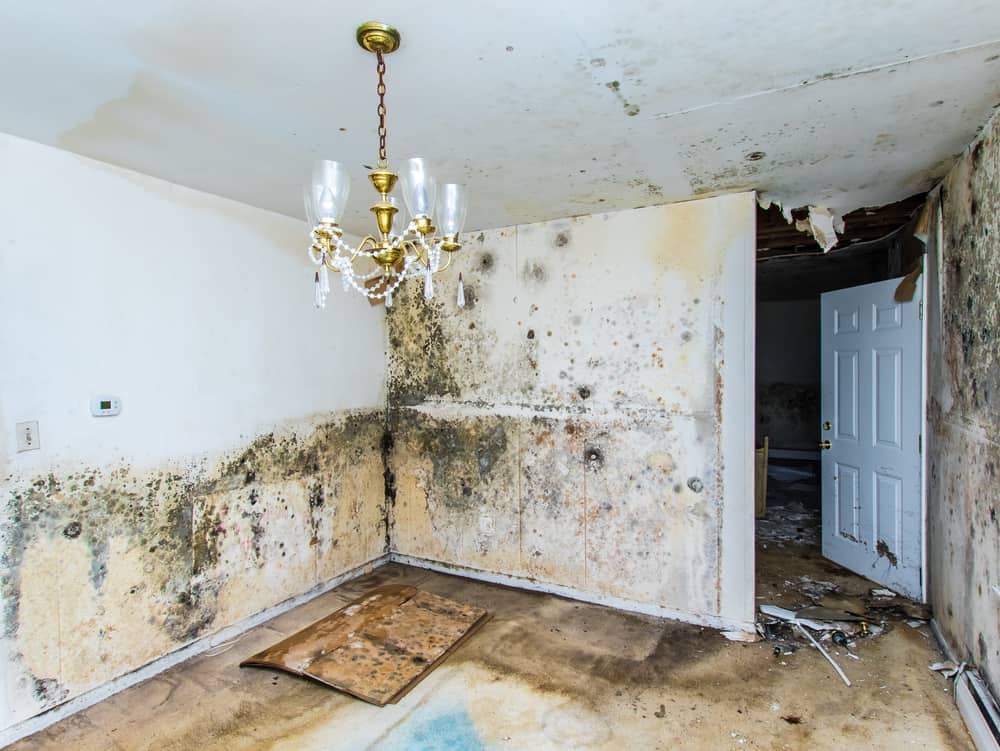
If you’re purchasing a home in Great Neck Estates, a professional mold inspection before closing is a smart move — especially given the age of the village’s housing stock. Many homes here were built in the 1920s through 1940s, and older construction means older plumbing, older basement walls, and decades of exposure to the peninsula’s coastal humidity. A standard home inspection will flag visible water damage, but it won’t tell you what’s growing inside the wall cavity behind a finished basement or inside the attic of a 90-year-old Tudor.
Our certified mold inspection in Great Neck Estates, NY gives you a lab-backed written report before you close — documentation you can use to negotiate repairs, request price adjustments, or walk away with a clear conscience. Real estate transactions in Great Neck Estates frequently involve attorneys on both sides, and having a licensed assessor’s report rather than a general home inspector’s verbal observation is a meaningful difference when those conversations happen.
It can, and the local environment here accelerates the timeline. Mold can begin colonizing within 24 to 48 hours when indoor humidity exceeds 60% — and on a peninsula surrounded by Manhasset Bay, Little Neck Bay, and Long Island Sound, that threshold is regularly reached during summer months without any water intrusion event at all. Add in a nor’easter, a roof leak, a basement seepage after heavy rain, or a burst pipe in winter, and the conditions for rapid mold growth are in place almost immediately.
The village’s own Stormwater Management Program acknowledges that drainage and water intrusion are active municipal concerns — this isn’t a theoretical risk. Homes along waterfront-adjacent streets are particularly exposed during storm events, and even inland properties on the peninsula deal with elevated ambient humidity that keeps moisture levels inside older walls and crawl spaces persistently high. That’s why post-storm mold inspections are one of the most common calls we receive from Nassau County’s North Shore communities, and why 24/7 emergency availability matters in this area specifically.
Finding mold during an inspection isn’t a worst-case scenario — it’s information. And having that information early, with documentation, is far better than discovering it during a sale, during an insurance claim, or after a family member’s health has been affected. When the lab results come back and our written report identifies a mold problem, the report itself includes specific remediation recommendations: what type of mold is present, where it’s concentrated, and what the appropriate response looks like based on the scope.
Under New York State’s Article 32, the mold assessor and the mold remediator must be separate entities — but we hold both licenses. That means we can move directly from inspection into a documented remediation plan without requiring you to start over with a new company. The remediation work is built directly on our inspection findings, the documentation carries through from assessment to completion, and the final clearance testing confirms the problem has been resolved. For a Great Neck Estates homeowner managing a high-value property, that continuity from inspection through restoration is the cleanest, most accountable path forward.
Useful Links
Other Services we provide in Great Neck Estates