
Hear from Our Customers
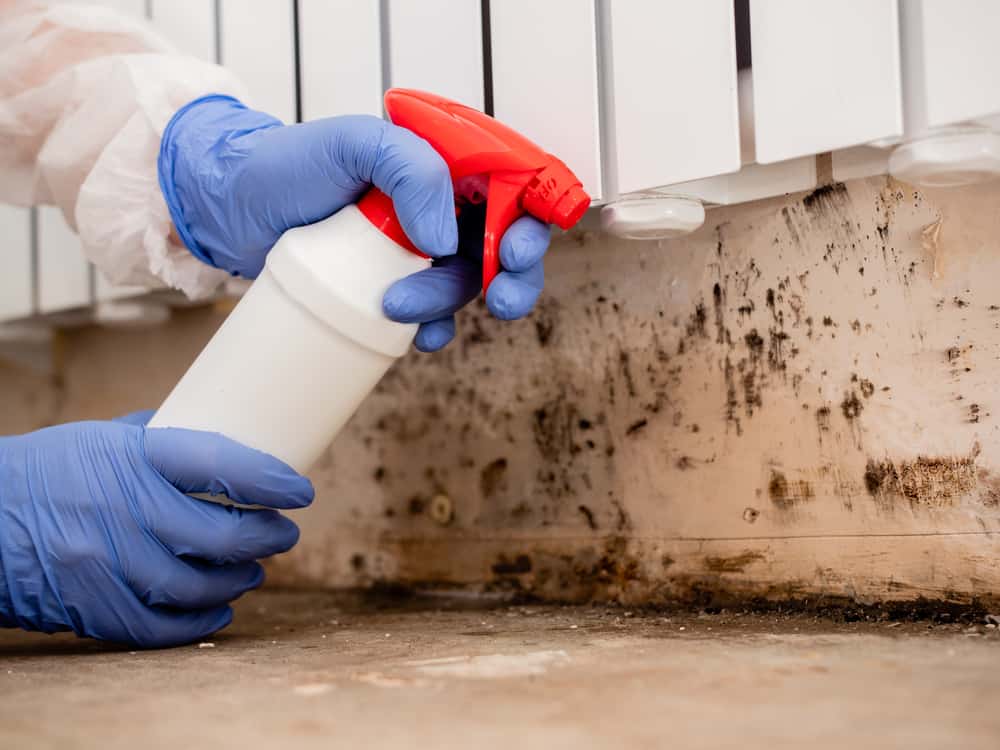
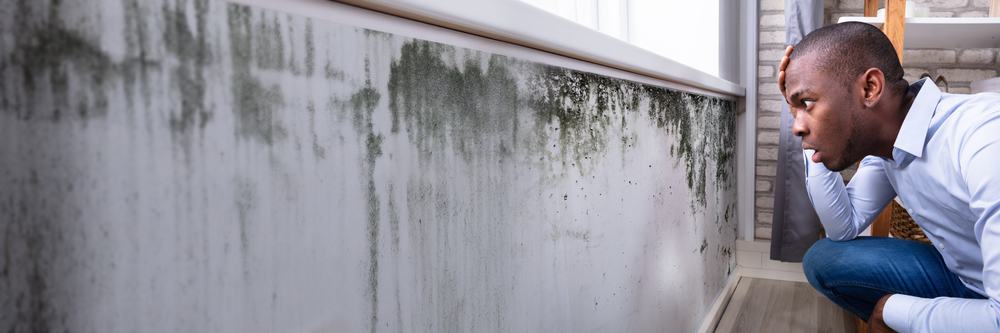
Most Hampton Bays homeowners don’t find mold — mold finds them. A musty smell in the basement, a dark patch near a window, a family member who can’t shake a cough. By the time it’s visible, it’s usually been growing for a while. A professional mold inspection gives you a clear, documented answer — not a guess, not a sales pitch, but actual lab results that tell you what’s in your air and where it’s coming from.
Living surrounded by Peconic Bay to the north and Shinnecock Bay to the south means your home is dealing with ambient moisture levels that inland Suffolk County communities simply don’t experience. That coastal air works its way into wall cavities, crawl spaces, and attic insulation — especially in homes built before 1970, which make up a significant portion of Hampton Bays’ housing stock. After an inspection, you’ll know exactly what you’re dealing with, where it is, and what needs to happen next.
For seasonal property owners in Hampton Bays, that clarity is even more critical. A home that sits closed from Labor Day through Memorial Day — minimally heated, unventilated, and unmonitored through a Long Island winter — can develop serious mold colonization before you ever walk back through the door. Knowing what you’re returning to, or what you’re buying, is worth more than any amount of hoping for the best.
We’ve been working in Long Island homes and commercial properties for over 31 years. That’s not a number we throw around lightly — it means we’ve inspected and remediated mold in coastal communities from Bay Shore to Montauk, and we understand what living near the water does to a building over time. In Hampton Bays specifically, we’ve worked on properties throughout the hamlet — from canal-adjacent neighborhoods to Dune Road waterfront homes to seasonal rentals scattered across the area.
We hold New York State licenses for both mold assessment and mold remediation — two separate credentials required under Article 32 of the Labor Law. Every technician on our team is IICRC-certified, not just the owner. When someone shows up at your Hampton Bays home, they’re a credentialed professional, full stop.
We’re also a full-service company, which matters more than people realize. If the inspection finds something, you don’t have to start over with a different contractor. We handle assessment, remediation, and reconstruction under one roof — one point of contact, one accountable team, from the Shinnecock Canal corridor to Dune Road and everywhere in between.
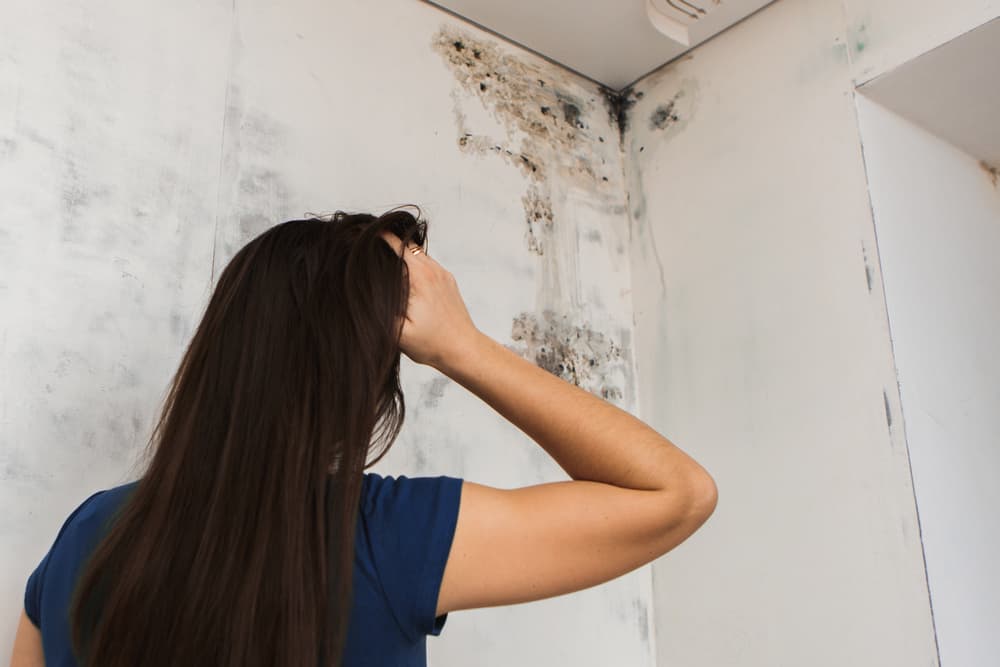
The inspection starts with a thorough walkthrough of your property — not a quick visual scan, but a documented assessment of every area where moisture and mold tend to hide. Basements, crawl spaces, attic insulation, bathroom walls, around windows, and anywhere there’s been a known water event. In Hampton Bays, that often includes areas near the foundation in canal-adjacent neighborhoods, where groundwater infiltration can be a persistent issue that most homeowners don’t connect to mold until it’s advanced.
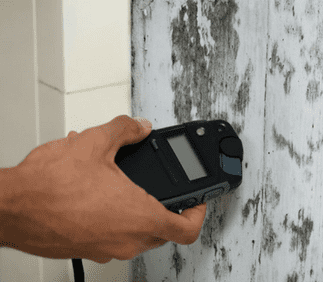
From there, we collect air samples and surface swab samples, which go to an accredited laboratory for analysis. We also use infrared thermal imaging to detect moisture behind walls and beneath floors that wouldn’t show up in a standard visual inspection. This matters in older Hampton Bays homes where building envelopes have had decades to degrade — the mold is often where you can’t see it.
Once the lab results are back, you get a written report in plain language. Mold species identified, spore counts, indoor versus outdoor air comparisons, and specific recommendations for next steps. If remediation is needed, that report is also what your insurance company will need — and we know how to document it in a format that actually moves a claim forward. No raw data dumps, no confusing lab printouts handed over without context.
Ready to get started?
A standard mold inspection in Hampton Bays covers the basics — visual assessment, air sampling, surface swabs. What we do goes further, because the coastal environment here demands it. Infrared thermal imaging is included in our inspection process, not offered as an add-on. It’s how we find the moisture that’s feeding mold growth inside wall cavities and beneath flooring before it becomes a structural problem. For a waterfront home or a bay-adjacent property along Tiana Beach or the Ponquogue corridor, that step isn’t optional — it’s where the real findings are.
We handle both residential mold inspection and commercial mold inspection in Hampton Bays, NY. That includes single-family homes, seasonal rental properties, pre-purchase inspections for real estate transactions, and commercial spaces in the hospitality and marine industries that are common throughout the hamlet. Every inspection ends with a written report backed by accredited laboratory results — documentation that holds up for insurance claims, real estate disclosures, and legal purposes if needed.
New York State law requires separate licenses for mold assessment and mold remediation work — and we hold both. That means if the inspection finds mold, you don’t have to bring in a separate licensed contractor to address it. The same team that found it can fix it, and the same standards that governed the inspection govern the remediation. For Hampton Bays property owners managing high-value homes or time-sensitive rental seasons, that continuity matters.
Yes, and it’s not a minor difference. Hampton Bays is surrounded by water on nearly every side — Peconic Bay to the north, Shinnecock Bay and Tiana Bay to the south, and the Shinnecock Canal running directly through the eastern part of the hamlet. That geography means ambient humidity levels here are consistently higher than what most inland Suffolk County communities experience. Coastal air carries moisture, and that moisture works its way into building materials, insulation, and wall cavities — particularly in homes built before modern vapor barrier standards were in place.
The risk compounds in older homes, which make up a significant portion of Hampton Bays’ housing stock. Buildings constructed between the 1940s and 1970s were not designed with today’s moisture management standards in mind. If your home sits close to the canal, near the bay, or anywhere south of Montauk Highway, the combination of age and coastal exposure makes periodic mold inspection a practical part of owning property here — not a reaction to a problem, but a way to stay ahead of one.
Most professional mold inspections in the Hampton Bays area fall somewhere between $300 and $1,000, depending on the size of the property, the number of samples collected, and whether specialized equipment like infrared thermal imaging is part of the process. For larger waterfront homes or properties with complex layouts — multiple floors, crawl spaces, finished basements — the cost tends to land toward the higher end of that range because more areas need to be assessed and more samples need to go to the lab.
It’s worth putting that number in context. Hampton Bays has a median home value of roughly $746,000, and waterfront properties regularly sell for $1.5 million and up. An inspection that costs a few hundred dollars is a small fraction of what’s at stake — especially for buyers in a real estate transaction or landlords protecting a seasonal rental that generates tens of thousands of dollars per month during summer. The cost of missing a mold problem is almost always higher than the cost of finding it early.
A lot, and most of it is invisible. When a seasonal property in Hampton Bays sits unoccupied from September through May — minimally heated, unventilated, and unchecked through months of coastal winter weather — it creates near-ideal conditions for mold growth. A small roof leak, a slow plumbing drip, or even chronic condensation from temperature swings can introduce enough moisture to start a mold colony that spreads quietly through wall cavities and insulation over the course of a winter.
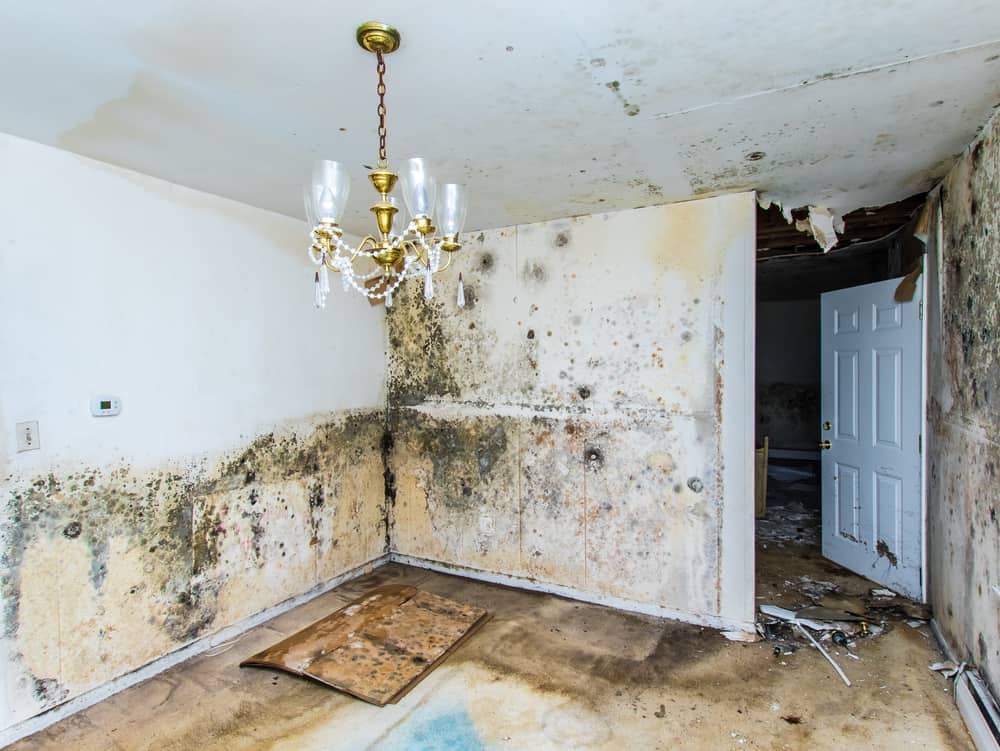
By the time you return in the spring, what started as a minor moisture event can look like a significant remediation project. The mold isn’t always visible from the surface — it’s often behind drywall, beneath flooring, or inside the attic insulation. That’s exactly why a pre-season mold inspection before you open a Hampton Bays seasonal property is worth doing every year, especially after a winter with heavy nor’easter activity. Catching it in April is a very different situation than discovering it in June with summer tenants already booked.
New York State doesn’t legally require a mold inspection as part of a real estate transaction, but that doesn’t mean skipping it is a smart move — especially in Hampton Bays. Coastal properties here carry inherent moisture exposure risks that don’t apply to most inland homes, and buyers committing to properties in the $750,000 to multi-million dollar range have a clear financial interest in knowing what they’re buying before they close.
Real estate attorneys and agents in the Hamptons market routinely recommend mold inspections as standard due diligence, particularly for older homes, waterfront properties, or any property that has had documented water damage or flood exposure. Sellers who know their home has had moisture issues can also benefit — a clean inspection report with documented lab results removes a major contingency from the negotiation table and keeps deals from falling apart at the last minute. Either way, the inspection report provides written, lab-verified documentation that holds up if questions arise after closing.
In New York, they’re legally treated as two distinct activities — and that distinction matters when you’re hiring a contractor. Mold inspection, or mold assessment, involves identifying whether mold is present, collecting samples, and producing a written report based on laboratory analysis. Mold remediation is the physical process of removing mold and addressing the conditions that caused it. Under Article 32 of New York’s Labor Law, contractors must hold separate state-issued licenses to perform each one.
This is important because not every company advertising mold services in Hampton Bays holds both licenses. Some inspection-only companies can tell you what’s there but legally cannot do the remediation — which means you’d need to hire a second contractor and start the process over. We hold both the Mold Assessor License and the Mold Remediator License, so if the inspection finds a problem, the same licensed team can address it. You can verify any contractor’s licenses directly through the NY Department of Labor’s online search tool before you hire anyone.
It depends on the policy and the cause, but mold that results from a sudden, accidental water event — like storm surge damage, a burst pipe during a nor’easter, or wind-driven rain intrusion — is often covered, at least partially, under standard homeowner’s insurance policies. Mold that developed gradually from long-term moisture neglect is typically excluded. The distinction matters, and so does how the damage is documented.
Insurance companies need specific information to process a mold-related claim: the type of mold identified, spore concentrations, the source of the moisture, and the scope of the affected area. A professional mold inspection with accredited laboratory results gives you that documentation in a format adjusters recognize and accept. Hampton Bays properties face real coastal storm exposure — the hamlet sits between the Atlantic and multiple bays, and nor’easters regularly bring flooding and water intrusion events. Having a licensed mold inspector document the damage immediately after a storm, before conditions change, is one of the most effective things you can do to protect your claim.
Useful Links
Other Services we provide in Hampton Bays