
Hear from Our Customers
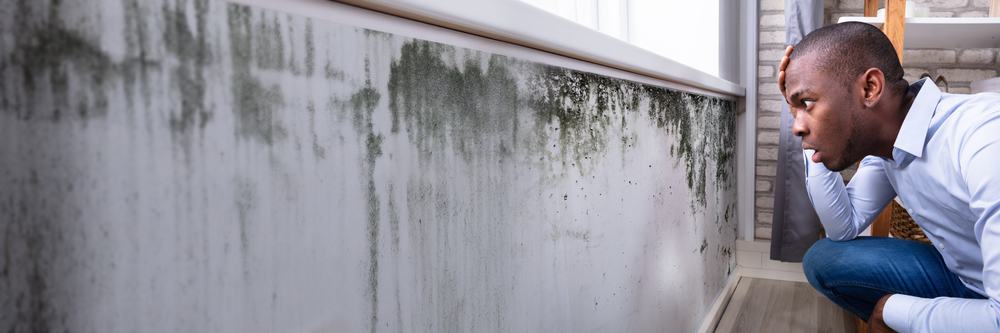
Most mold problems in Inwood don’t start with a visible patch on the ceiling. They start behind the drywall of a basement that took on water during a nor’easter, or inside the wall cavity of a 1940s Cape Cod where a slow pipe leak went unnoticed for months. By the time you smell something or see discoloration, the colony has already been growing — sometimes for weeks.
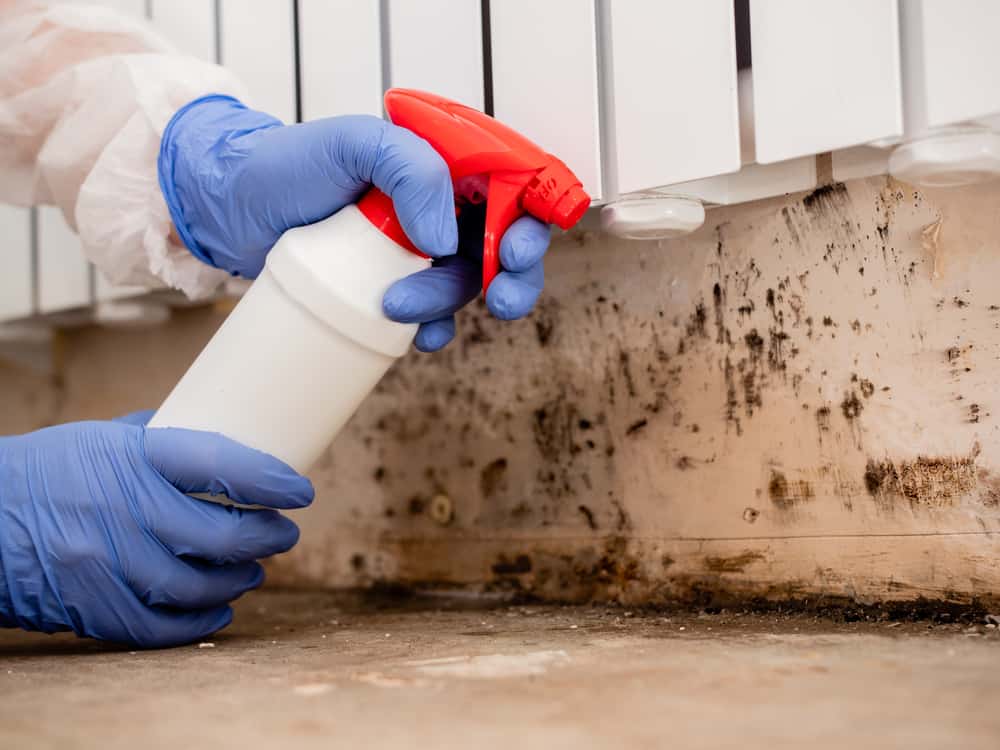
A certified mold inspection gives you the full picture. Not a guess, not a visual scan — actual air samples, surface swabs, moisture readings, and infrared imaging that detects what’s hiding behind finished walls and under flooring. You get a written report backed by certified lab results, with a specific remediation recommendation you can act on immediately or hand directly to your insurance adjuster.
Inwood sits directly on Jamaica Bay, and the National Weather Service monitors a coastal flood gauge here by name. That’s not a regional footnote — it’s a real, documented vulnerability that affects homes on your street. If your home has ever taken on water from a storm surge, a sump pump failure, or a slow seasonal leak, you deserve to know exactly what’s been growing in the spaces you can’t see. That’s what our inspection delivers.
First Response Restoration and Cleaning Inc. has been serving Nassau County homeowners for over three decades. That’s not a marketing number — it means we’ve been inside thousands of Long Island homes, including the pre-war Cape Cods and mid-century ranches that make up a significant part of Inwood’s housing stock. We know what aging plumbing looks like behind a finished basement wall. We know what South Shore flooding does to a crawl space that wasn’t properly dried.
Every technician on our team is IICRC-certified. Our owner holds a New York State Department of Labor mold assessor and remediator license — which is required by law under Article 32 of the NY Labor Law and something not every company in this market can say. We’re licensed, bonded, and insured, and we carry the credentials that protect you legally and financially from the first call through the final clearance report.
We serve all of Nassau County, including the Five Towns area. If you’re in Inwood near Mott’s Basin or anywhere along the Jamaica Bay shoreline, you’re in a flood zone that we understand from real field experience — not from a zip code list.
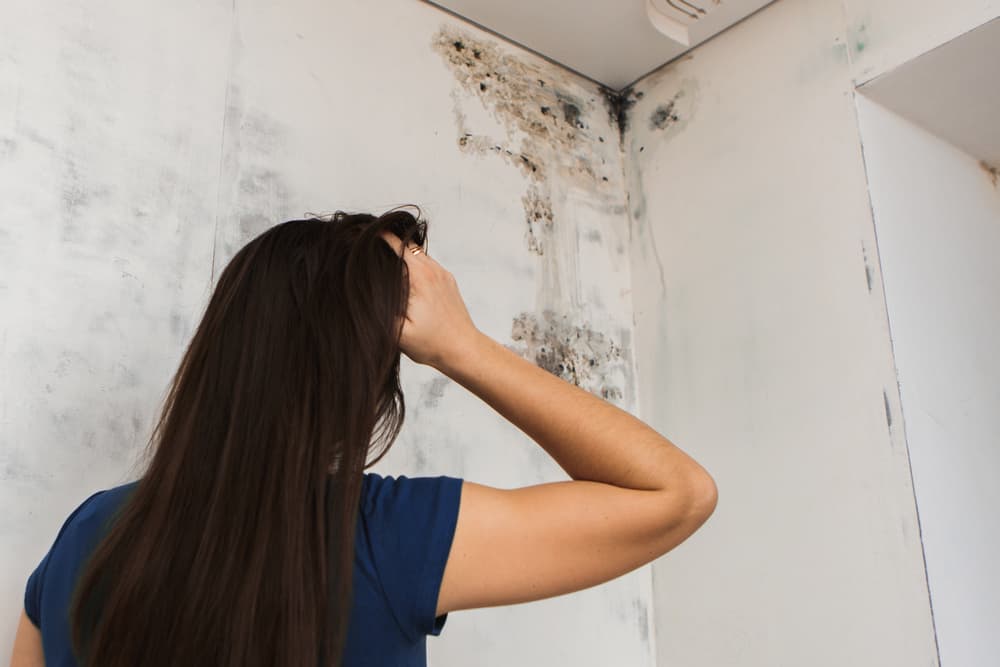
When one of our technicians arrives at your Inwood home, the inspection follows a structured five-point protocol. It starts with air testing — collecting samples from inside the home and outside to establish a baseline comparison. That internal-versus-external air particle comparison is critical, because mold spores exist everywhere. What matters is whether the concentration inside your home is elevated above normal outdoor levels. In a coastal community like Inwood where ambient humidity from Jamaica Bay is already higher than inland Nassau towns, this baseline matters more than most homeowners realize.
From there, our technician moves to surface swab sampling on any visually suspect areas, a full water intrusion inspection to identify where moisture is entering the structure, and moisture level measurements throughout the affected spaces. Then comes the infrared thermal imaging — the step that finds what everything else misses. Temperature differentials inside wall cavities reveal trapped moisture that’s invisible to the naked eye. In Inwood’s older housing stock, where original construction left minimal vapor barriers and limited internal ventilation, this is often where the real findings are made.
Every sample goes to a certified third-party laboratory. You receive a written report with the lab results, photographs of all identified mold sources, moisture readings, and a specific remediation recommendation. If remediation is needed, we can handle that too — same company, no hand-off, no starting the process over with someone new.
Ready to get started?
Our mold inspection isn’t a walk-through with a flashlight. The full protocol includes air testing, swab surface sampling, water intrusion inspection, moisture level measurement, infrared technology-assisted detection, photographs of all mold sources, and a detailed written report with certified lab results and a specific remediation recommendation. Every component serves a purpose, and nothing gets skipped because your home’s situation might not fit a generic checklist.
For Inwood homeowners specifically, the water intrusion inspection component is often where the most important findings happen. Homes near Mott’s Basin and the Jamaica Bay shoreline deal with hydrostatic pressure against foundation walls during heavy rain and storm surge events — the kind of pressure that forces moisture through concrete block and into finished basement spaces without leaving an obvious entry point. Finding where water is getting in is just as important as finding where mold has already grown.
Under New York State’s Article 32 of the Labor Law, all mold assessment work must be performed by a licensed mold assessor. Fines for unlicensed work run up to $10,000 per violation, and any report produced by an unlicensed inspector has no legal standing — which means it won’t hold up with your insurance company, your real estate attorney, or a Nassau County code enforcement proceeding. Our license is current, verifiable, and required. If you’re comparing providers, ask every one of them for their NYS DOL license number before you schedule anything.
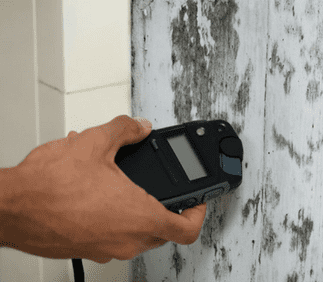
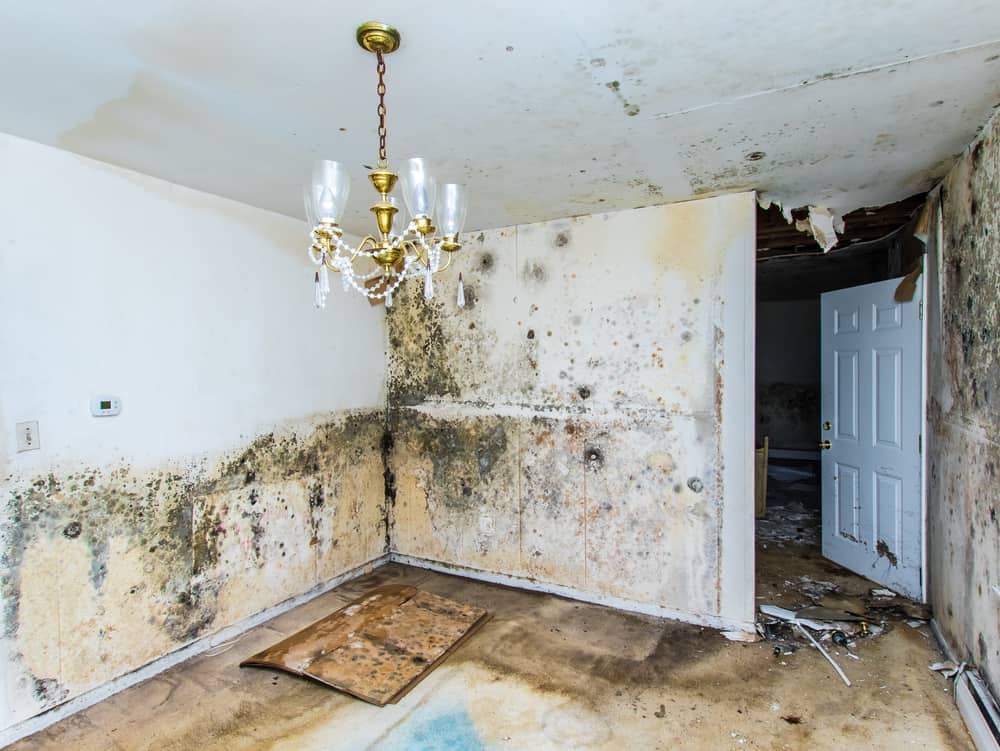
The honest answer is that you often can’t tell just by looking. Mold can begin growing inside wall cavities, beneath flooring, and in insulation within 24 to 48 hours of water exposure — and by the time a visible patch appears or a musty odor becomes noticeable, the colony has typically been established for days or weeks. A musty smell in your basement is one of the most reliable early indicators, but its absence doesn’t mean you’re clear.
In Inwood, where homes near Jamaica Bay and Mott’s Basin are particularly vulnerable to basement flooding from storm surge and heavy rainfall, the risk isn’t just during the event itself — it’s in the days and weeks after, when moisture trapped inside finished walls has nowhere to go. The only way to know for certain is a professional inspection that includes moisture readings, infrared imaging, and air sampling. A visual check, even by a trained eye, won’t find what’s growing inside a wall cavity that looks completely dry from the outside.
Nationally, professional mold inspections range from roughly $303 to $1,043, with an average around $670. In the Nassau County market, most residential inspections fall somewhere between $350 and $700, depending on the size of the home, the number of areas being sampled, and whether additional testing — like HVAC system sampling or attic inspection — is needed alongside the main inspection.
What affects the price most is scope. A small single-room inspection costs less than a full-home assessment that includes the basement, attic, and wall cavity testing. For Inwood homeowners dealing with post-flood situations or homes with a known history of water intrusion, a more comprehensive inspection is almost always worth the additional cost — because a missed mold colony behind a wall costs significantly more to remediate later than it would have to find it early. Ask any provider upfront what’s included in their quoted price and whether lab analysis is part of the fee or billed separately.
Yes — a professional mold inspection identifies the species of mold present, which includes Stachybotrys chartarum, commonly referred to as black mold. Air and surface samples collected during the inspection are sent to a certified third-party laboratory, where analysts identify the specific mold species and measure spore concentration levels. The written report you receive will name what was found and at what levels.
It’s worth clarifying that “black mold” is a term that gets used loosely. Not all dark-colored mold is Stachybotrys, and not all dangerous mold is black. Cladosporium, Aspergillus, and Penicillium are among the species commonly found in water-damaged homes and can cause significant health effects even though they don’t look like the dramatic black growth people picture. In older Inwood homes with aging plumbing and a history of moisture exposure, multiple species are often present simultaneously. The lab report identifies all of them — not just the one you were worried about.
You can, but it won’t give you anything actionable. Store-bought mold test kits — the kind you leave out for 48 hours and mail in — are designed to detect whether mold spores are present in your home’s air. They almost always come back positive, because mold spores exist in virtually every indoor environment at some baseline level. What they can’t tell you is whether the concentration is dangerous, where the source is, what species you’re dealing with, or whether the levels inside your home are elevated above normal outdoor conditions.
That last point matters especially in Inwood. Because the community sits adjacent to Jamaica Bay and experiences higher ambient coastal humidity than inland Nassau towns, outdoor mold spore levels here are naturally higher than in places like Hicksville or Plainview. A consumer test kit has no way to account for that baseline — so it can’t tell you whether what it found is a problem or just normal coastal air. A professional inspection includes the internal-versus-external air comparison that gives that finding actual meaning.
It’s not legally required in New York State, but in the Five Towns real estate market — particularly for homes in Inwood with any documented flood history — it has become a standard part of the due diligence process. Real estate attorneys and home inspectors in this area routinely recommend a certified mold assessment when a general home inspection turns up moisture staining, musty odors, or any evidence of prior water intrusion.
For buyers, a mold inspection before closing gives you documented evidence of what you’re purchasing — and leverage to negotiate remediation costs or a price reduction if mold is found. For sellers, having a clean inspection report on hand speeds up the closing process and removes one of the most common reasons deals fall apart in Nassau County. Given that Inwood homes near the bay carry an inherently higher flood history risk than homes in inland communities, skipping this step is a gamble that often costs more than the inspection itself.
If mold is found, your written inspection report will include a specific remediation recommendation based on the lab results — not a vague suggestion, but a documented protocol that identifies what needs to be removed, where, and to what standard. That report is what drives everything that happens next, whether you’re filing an insurance claim, negotiating with a seller, or simply deciding how to move forward as a homeowner.
Under New York State law, remediation must be performed by a licensed mold remediator — the same Article 32 requirement that governs the inspection side. We hold both licenses, which means if remediation is needed, you don’t have to start over with a new company. The same team that found the problem can resolve it, and the documentation stays consistent from inspection through clearance testing. For Inwood homeowners dealing with mold that traces back to a covered water damage event — a flood, a burst pipe, storm surge — that consistent documentation chain is often what determines whether an insurance claim gets paid or denied.
Useful Links
Other Services we provide in Inwood