
Mold Inspection in Oak Beach, NY
Barrier Island Homes Hide Mold Better Than Most
Hear from Our Customers
Residential Mold Inspection Oak Beach, NY
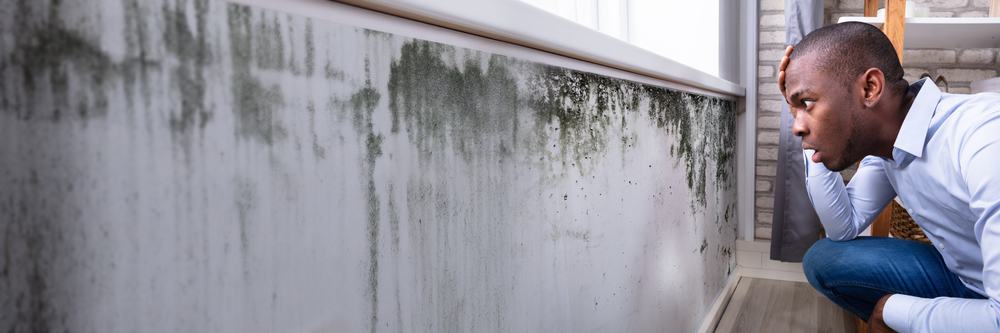
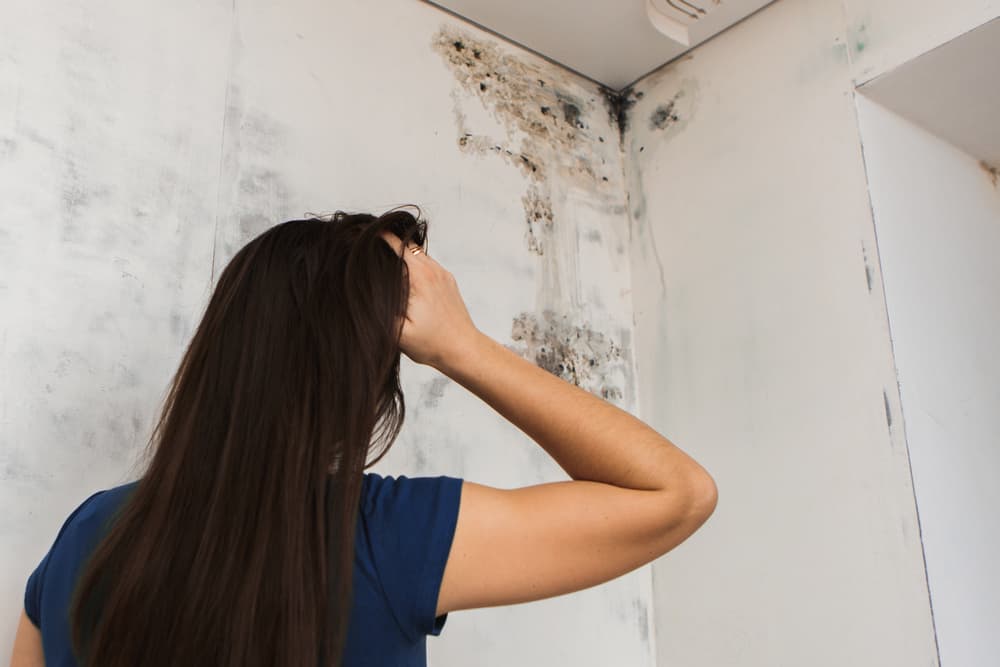
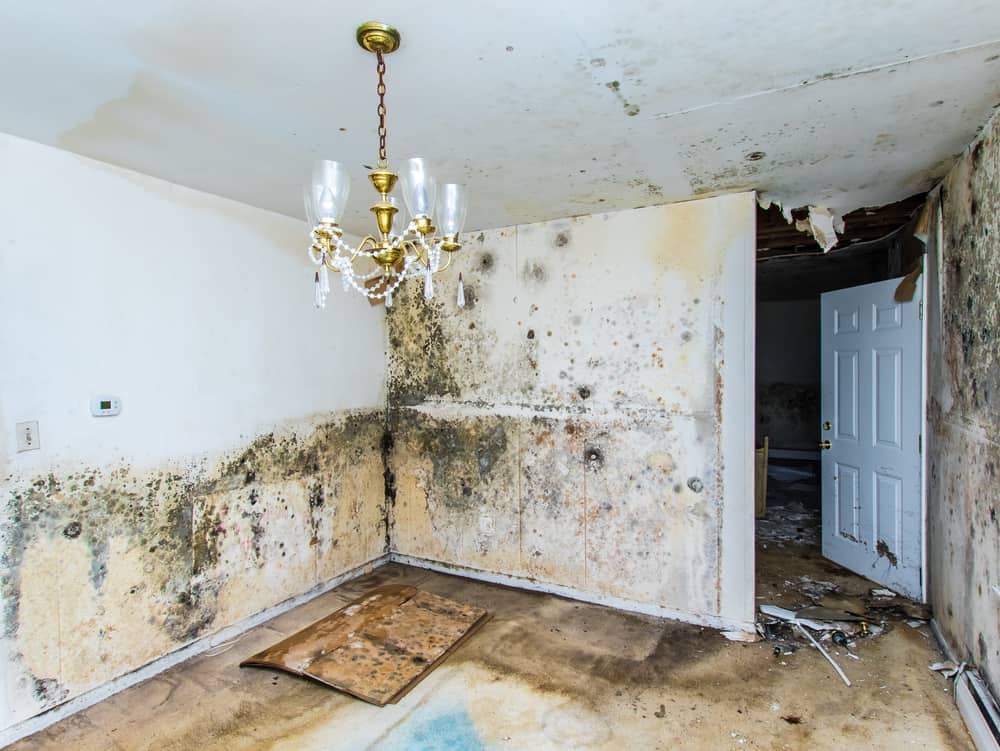
Most Oak Beach homeowners don’t find out they have a mold problem until it’s already spread behind a wall, under a floor, or deep in insulation that’s been holding moisture since the last nor’easter. By the time it’s visible, the damage is usually significant. A professional mold inspection gives you a clear picture before that happens, so you’re making decisions based on facts, not guesses.
Living on Jones Beach Island means your home deals with things that mainland properties simply don’t. Humidity consistently above 70%, salt air that quietly degrades window seals and wood framing, a shallow water table on both sides, and a housing stock where the median build year is 1955 that combination creates moisture pathways that weren’t there when the house was new. An inspection that accounts for all of that isn’t just useful. It’s the only way to actually know what’s going on inside your walls.
If your home is seasonal, the stakes are even higher. A property that sits closed through winter with reduced heat, no dehumidification, and no one there to notice a slow roof leak can develop serious mold growth between November and April. By the time you’re back for summer, you could be walking into a problem that’s had months to spread. Knowing the condition of your Oak Beach home before and after winter vacancy isn’t excessive caution. It’s just smart ownership on a barrier island.
Mold Inspection Company Oak Beach, NY
We’re based in West Babylon directly across the Great South Bay from Oak Beach, with the Robert Moses Causeway as the direct route to your property. This isn’t a company that needs to look up your area before showing up. Oak Beach and the surrounding barrier island communities, including Captree and Gilgo, have been part of our service territory for over three decades.
Owner Richard Peterson built this company on one standard: every technician who enters your home is IICRC-certified, and every job is performed under New York State licensing for both mold assessment and mold remediation. That’s not common in this industry. It’s the standard we set for ourselves and have maintained since day one.
When a mold inspection reveals a problem and in older coastal homes, it often does you don’t have to start over finding someone else. We handle everything from the initial assessment through remediation and full property reconstruction, and we manage the insurance documentation throughout. One call, one licensed team, start to finish.
Professional Mold Assessment Services Oak Beach
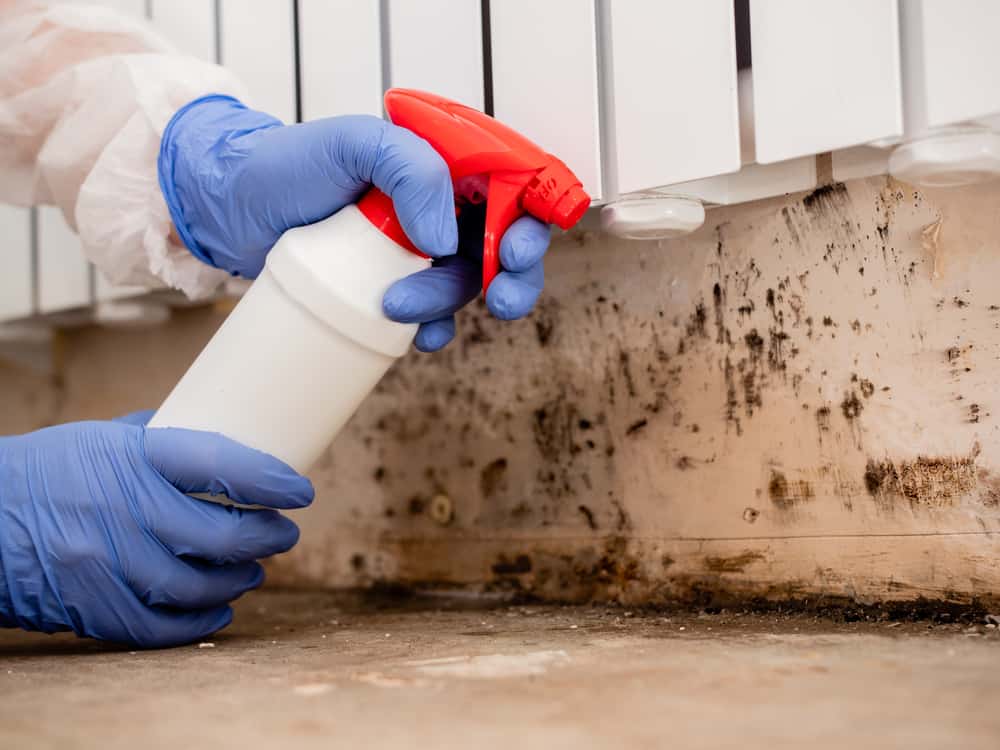
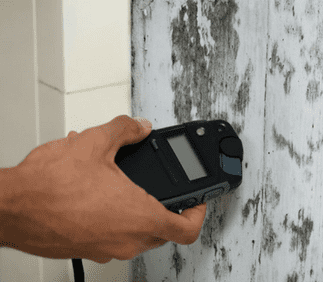
The inspection starts with air sampling pulling airborne spore counts from inside your home and comparing them against outdoor control samples. That comparison is what tells you whether what’s in your air is a normal outdoor level or something that’s actively growing inside. From there, surface swab samples are collected from any areas showing visible growth or discoloration, and those go to an accredited laboratory for analysis.
What sets this inspection apart for Oak Beach homes specifically is the use of infrared thermal imaging. In a home built in 1955 or earlier, which describes more than a quarter of the housing stock here moisture doesn’t always announce itself. It hides inside wall cavities, beneath aging subfloor material, and behind bathroom tile that’s been slowly absorbing bay-side humidity for decades. Infrared imaging detects temperature anomalies that indicate hidden moisture and mold activity without opening a single wall.
The inspection also includes a full water intrusion assessment to identify where moisture is getting in, calibrated moisture readings throughout the property, and photographic documentation of every finding. At the end, you receive a written report with plain-language results, specific mold types identified, and clear recommended next steps not raw lab data you have to interpret yourself. For Oak Beach properties in the FEMA V flood zone, that documentation also serves as a foundational record for insurance purposes.
Ready to get started?
Indoor Air Quality Testing for Mold Oak Beach
A mold inspection in Oak Beach isn’t the same as one in an inland suburb. The conditions here salt air corrosion, flood zone exposure, bay-side groundwater, and homes that predate modern vapor barriers require a more thorough approach than a visual walkthrough and a couple of surface swabs. The five-point process we use covers air testing, swab sampling, water intrusion inspection, moisture measurement, and full photographic documentation, and it’s designed to find what a standard inspection misses.
For homes in the Oak Island Beach Association or anywhere else in the Oak Beach community, access and property respect are handled professionally. Every technician arrives licensed, certified, and prepared. All samples go to a certified, accredited laboratory not an in-house analysis and the written report you receive is specific enough to act on, whether that means filing an insurance claim, scheduling remediation, or making a decision on a property purchase.
New York State law requires separate licenses for mold assessment and mold remediation, and we hold both. If you’re buying or selling in Oak Beach where properties regularly exceed $500,000 and real estate moves slowly having a licensed mold assessment on record isn’t just due diligence. It’s protection. And if the inspection finds something that needs to be addressed, the same team that found it is licensed, equipped, and ready to handle the remediation and any reconstruction that follows.
Does living on a barrier island like Oak Beach make mold more likely?
Yes, significantly. Oak Beach sits between the Atlantic Ocean and the Great South Bay, which means your home is dealing with humidity levels that frequently exceed 70% year-round on both sides. Salt air from the ocean gradually breaks down window seals, wood framing, and exterior building materials, creating small moisture entry points that wouldn’t exist in an inland home. The shallow water table on barrier islands also means groundwater can infiltrate crawl spaces and foundations even without a surface flooding event.
Add to that the fact that most homes in Oak Beach were built before 1960 many before 1940 and you have older construction without modern vapor barriers or mold-resistant materials, sitting in one of the most moisture-aggressive environments on Long Island. That combination makes professional mold inspection more important here than in most other communities.
What does a mold inspection in Oak Beach, NY typically cost?
A comprehensive mold inspection that includes air sampling, surface swab collection, and accredited laboratory analysis typically runs between $450 and $550 for a standard residential property, though larger or more complex homes may fall toward the higher end of the national range of $300 to over $1,000. The size of the home, the number of samples collected, and whether infrared thermal imaging is included all affect the final cost.
For Oak Beach homeowners, the more useful number to keep in mind is the cost of not inspecting. Mold remediation once a problem has spread through wall cavities or insulation runs anywhere from $1,150 to $20,000 or more depending on severity. In a market where homes regularly trade above $500,000 and inventory is thin, a mold problem discovered during a buyer’s inspection can derail a sale entirely. The inspection cost is small relative to what it protects.
My Oak Beach home is seasonal should I get a mold inspection when I return each spring?
It’s one of the smarter things you can do as a seasonal homeowner on a barrier island. When a home sits unoccupied through winter with reduced heat and no active dehumidification, indoor humidity can climb significantly especially in a coastal environment where outdoor moisture levels are already elevated. If there’s any slow leak from a roof, a failed window seal, or groundwater seepage into a crawl space, that moisture has the entire winter to work its way into wall cavities and insulation without anyone noticing.
By April or May, mold that started growing in November can have had four to five months to spread. A spring inspection gives you a clear baseline before you settle in for summer, and it gives you documentation if you need to file an insurance claim for storm-related damage. It also catches problems early enough that remediation is still straightforward, rather than discovering a structural issue mid-season.
How does infrared thermal imaging improve a mold inspection in an older Oak Beach home?
Infrared thermal imaging detects temperature differences on surfaces and moisture creates those differences. When water is present inside a wall cavity, beneath flooring, or behind tile, it changes the thermal signature of that surface in a way that an infrared camera can identify. That means a technician can locate hidden moisture and likely mold activity without opening a single wall or pulling up any flooring.
In Oak Beach, where a significant portion of homes were built before 1950 and have had decades of coastal weather exposure, this matters a great deal. Older construction tends to have more hidden moisture pathways deteriorated flashing, aging window framing, gaps in vapor control and the mold that results from those pathways is almost always behind a finished surface. Infrared imaging is the difference between finding that problem now, when it’s manageable, and finding it later, when it’s structural.
Does First Response handle the insurance process after a mold inspection in Oak Beach?
Yes, and for many Oak Beach homeowners especially those managing a seasonal property from a distance that’s one of the most valuable parts of the service. We handle communication and documentation with your insurance company from the initial inspection through project completion. We know what adjusters require, how findings need to be presented, and how to make sure the full scope of the damage is accurately documented so nothing gets underestimated or left out.
For properties in Oak Beach’s FEMA V flood zone, insurance documentation following storm damage is particularly important. If your home experienced flooding from a nor’easter or a major storm event and mold was part of the resulting damage, the written inspection report and laboratory results serve as the foundational record for your claim. Having a licensed mold assessor not just a general contractor produce that documentation makes a real difference in how the claim is handled.
Is there a difference between mold inspection and mold testing, and which one do I need?
The terms get used interchangeably, but there’s a meaningful distinction. Mold testing refers specifically to the laboratory analysis of collected samples air samples, surface swabs, or both to identify what mold species are present and at what concentrations. Mold inspection is the broader process: a physical assessment of the property to locate moisture sources, identify visible or suspected mold growth, and determine where samples should be collected to give you the most accurate picture.
For most Oak Beach homeowners, you need both. Testing alone without a proper inspection can miss hidden moisture sources entirely which in a barrier island home with older construction is where the real problem usually lives. And an inspection without lab-verified testing leaves you without the documentation you’d need for an insurance claim, a real estate transaction, or a remediation plan. The inspection tells you where to look. The testing tells you what’s actually there. Together, they give you something you can act on.
Useful Links
Other Services we provide in Oak Beach