
Hear from Our Customers
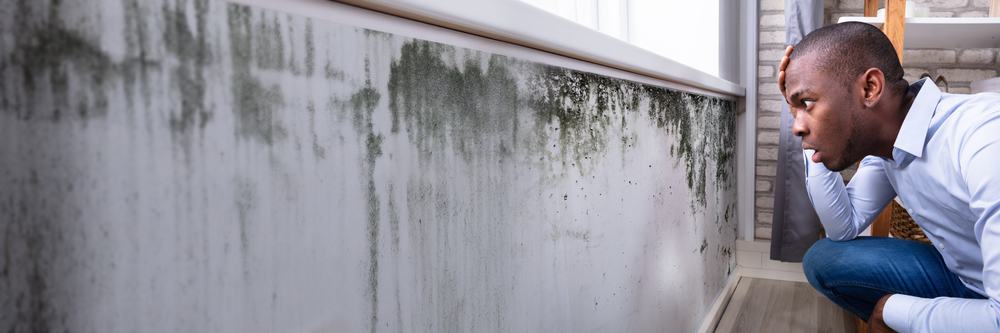
Most homeowners in Oyster Bay Cove don’t call about mold until something forces their hand — a home inspector’s report before a high-stakes closing, a basement that flooded after a nor’easter came through, or a smell that’s been lingering since last fall that no amount of renovation has touched. By then, the question isn’t whether mold exists. It’s how far it’s gone.
A professional mold inspection gives you a documented, lab-verified answer. Not an estimate. Not a visual opinion. Actual air samples, surface swabs, and moisture readings that tell you exactly what’s growing, where it’s concentrated, and what it’s going to take to fix it. That’s the kind of clarity that holds up with your insurance company, your real estate attorney, and your family’s doctor.
Oyster Bay Cove’s housing stock makes this especially important. Homes built in the 1950s through 1970s — which make up a significant portion of the village — were constructed before modern vapor barriers and ventilation standards existed. Add in the elevated humidity that rolls in year-round from Oyster Bay Harbor, the dense tree canopy that keeps north-facing walls and rooflines shaded and damp, and the complex attic spaces that come with estate-style construction — and you have conditions where mold doesn’t just appear. It hides.
We’ve been doing this work across Long Island for 31 years. That’s not a marketing number — it’s the kind of tenure that means we’ve worked in virtually every type of home this island has to offer, from post-war ranches on the South Shore to the large estate properties that define Nassau County’s North Shore Gold Coast, including the villages of Oyster Bay Cove, Laurel Hollow, Muttontown, and Cove Neck.
We’re fully licensed by the New York State Department of Labor as both a mold assessor and remediator under Article 32 of the Labor Law — the state requirement that’s been in effect since 2016 and that many homeowners still don’t think to verify. Every technician on our team holds IICRC certification. Not just the owner. Everyone who walks into your home.
When the stakes involve a multi-million dollar property on a private road in Glendale Estates or a waterfront home with a dock off Oyster Bay Harbor, you need a company with the credentials and the track record to back up what we find. We have both.
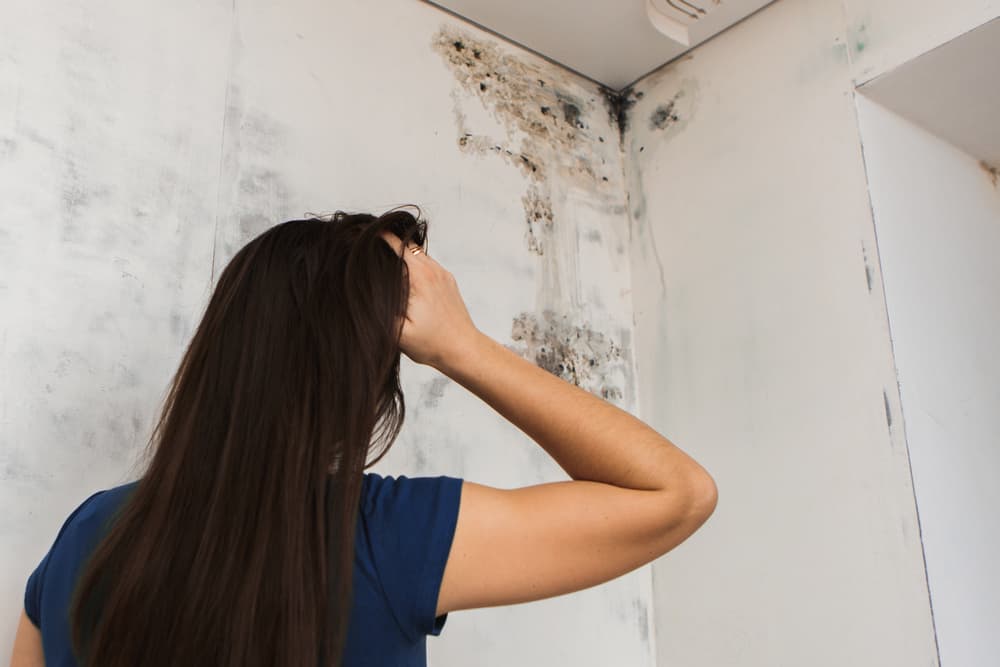
The inspection starts before anyone touches a wall. A certified technician reviews the property layout, identifies high-risk zones based on the home’s age, construction type, and any known water history, and establishes a baseline by collecting outdoor air samples. That outdoor-to-indoor comparison is how you actually determine whether your home’s air quality is elevated — not by looking at indoor numbers in isolation.
From there, our five-point protocol covers air sampling in each key area of the home, surface swab testing on any visible or suspected growth, moisture level readings throughout the structure, and infrared thermal imaging to detect hidden moisture behind walls, under flooring, and inside ceiling cavities — without cutting anything open. For the large estate homes common in Oyster Bay Cove, this matters. A 6,000 square foot home with a finished basement, a multi-zone HVAC system, and a separate pool house is not a property you can assess with a flashlight and a few surface samples.
All collected samples go to a certified laboratory. When the results come back, you receive a written report that includes the lab findings, identified mold species, spore concentration levels, and specific remediation recommendations. That report is accepted by insurance companies, real estate attorneys, and health professionals — because it’s built to hold up, not just to inform.
Ready to get started?
Mold inspection in Oyster Bay Cove, NY isn’t a single-step process — not when the properties here routinely include expansive attics with complex rooflines, finished basements, crawl spaces, carriage houses, and pool structures that rarely get the same attention as the main living areas. Our inspection is built to cover all of it.
The service includes indoor air quality testing for mold with internal versus external particle comparison, thermal infrared imaging for hidden moisture detection, surface swab sampling sent to a certified lab, moisture meter readings throughout the structure, photographic documentation of every identified mold source, and a written report with certified lab results and remediation recommendations. This is the documentation standard that satisfies New York State requirements under Article 32 of the Labor Law — and it’s the standard that will hold up if you’re managing a real estate transaction, filing an insurance claim after water damage, or simply trying to understand what’s happening in a home your family lives in.
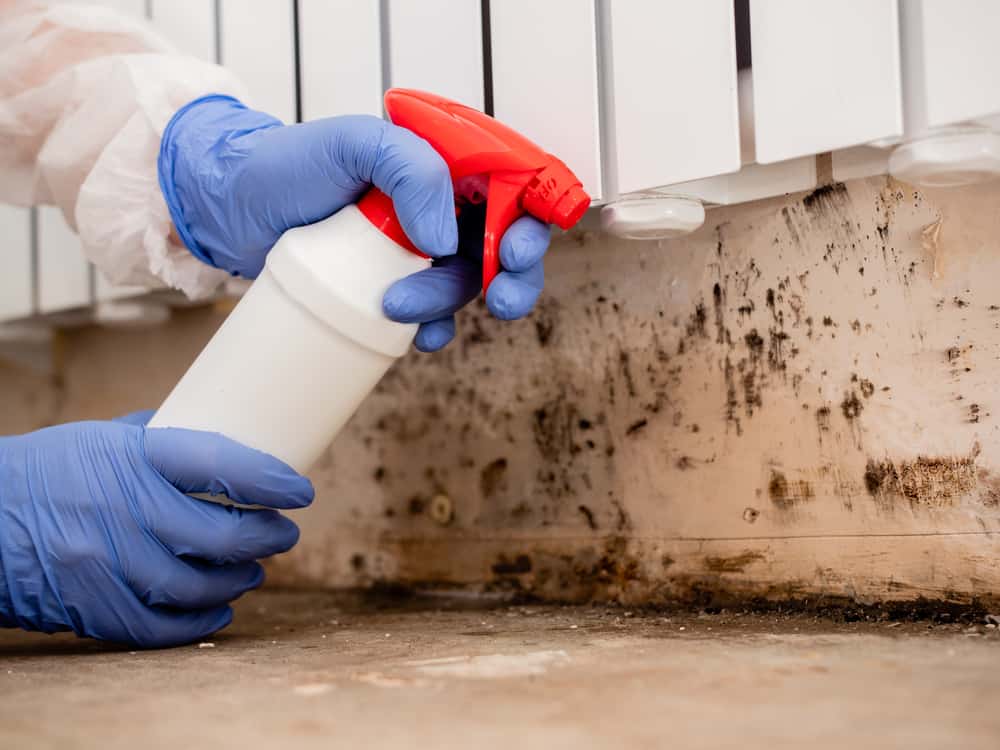
If mold is found, we handle the full scope: licensed remediation and complete property restoration through a single company. No handoffs. No coordination between multiple contractors. One accountable team from the first air sample to the final clearance test.
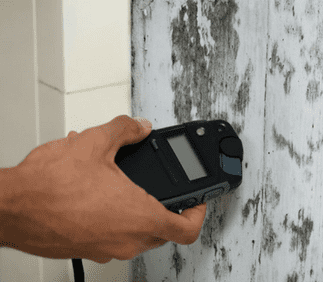
The national average for a professional mold inspection runs around $670, with most homes falling somewhere between $300 and $1,050. But that range is built around homes under 4,000 square feet — and in Oyster Bay Cove, that describes a fraction of the housing stock. Estate properties here routinely exceed 5,000, 7,000, or even 10,000 square feet, and a thorough inspection of a home that size — including a finished basement, attic, multi-zone HVAC system, and any accessory structures — takes more time, more equipment, and more lab samples than a standard suburban inspection.
The cost goes up with the scope of the property, but so does the value of what you get. A complete inspection with certified lab results gives you documentation that holds up with insurance companies and real estate attorneys. For a home worth $3 million to $10 million, the inspection cost is a fraction of what undisclosed or untreated mold can cost you — in remediation, in a failed transaction, or in a denied claim.
The clearest signal is persistence. If there’s a musty smell that doesn’t go away after cleaning, if you’ve had water intrusion from a storm or a plumbing issue and it wasn’t professionally dried within 48 hours, or if a family member is experiencing unexplained respiratory symptoms or allergy-like reactions that improve when they leave the house — those aren’t cleaning problems. Those are inspection problems.
Visible mold on a surface is actually the easier scenario, because at least you know where to look. The harder cases are the ones where mold is growing inside a wall cavity, under flooring, or in an attic space that nobody checks regularly. In homes with the kind of complex construction common in Oyster Bay Cove — older builds with finished basements, multi-pitch rooflines, and limited attic ventilation — hidden mold is a genuine and common risk. An inspection with infrared imaging finds it without tearing anything apart.
Yes. New York State has required all mold assessors and mold contractors to hold a license from the NYS Department of Labor under Article 32 of the Labor Law since January 1, 2016. Anyone performing paid mold assessment or remediation work in the state without that license is operating illegally — and any documentation they produce carries no legal standing. That means it won’t be accepted by your insurance company, it won’t hold up in a real estate transaction, and it won’t be recognized in any legal proceeding.
The fine for unlicensed mold work in New York can reach $10,000. More importantly for you, the risk isn’t just legal — it’s practical. If you’re buying or selling a home in Oyster Bay Cove and the inspection was conducted by an unlicensed contractor, the report is essentially worthless. Always ask to verify the NYS DOL license number before any work begins. We’re fully licensed, and our owner holds personal licensure in both mold assessment and remediation.
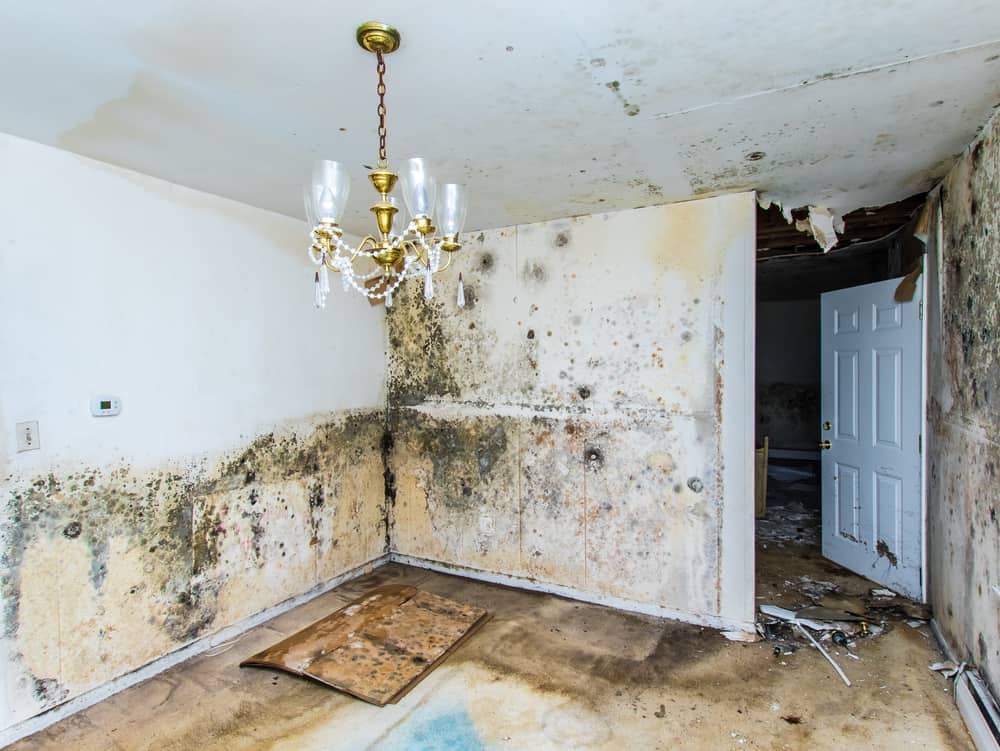
It can, and it does — faster than most people expect. Mold can begin growing within 24 to 48 hours of water intrusion. Oyster Bay Cove’s rolling topography means some properties sit in natural drainage paths that concentrate storm water, and basement flooding after a significant nor’easter or heavy rainfall event is a documented, recurring issue in the area. If a basement takes on water and isn’t professionally dried — not just mopped up, but dried with commercial dehumidification equipment — mold growth is almost a certainty within the first two days.
The problem is that by the time mold becomes visible or detectable by smell, it’s already been growing for a while. A post-flood mold inspection gives you a clear picture of whether growth has started, where it’s concentrated, and what needs to happen next. If you’ve had any water in your basement this season — even a small amount — an inspection is the only way to know for certain whether you have a problem developing behind your walls or under your flooring.
The terms get used interchangeably, but they describe different things. A mold inspection is a physical assessment of the property — a trained inspector examines the structure for visible mold growth, moisture sources, water intrusion evidence, and conditions that support mold development. Mold testing refers specifically to the collection and laboratory analysis of air or surface samples to identify mold species and measure spore concentrations.
In practice, a professional mold inspection in New York should include both. A visual assessment without lab-backed testing gives you an opinion. Lab results without a thorough physical inspection give you data without context. Our five-point protocol combines both: the physical walkthrough, the moisture readings, the infrared imaging, and the certified lab analysis — so the written report you receive reflects the full picture, not just part of it. That’s the standard that matters when you’re protecting a high-value property in Nassau County.
For a property in this price range, it’s one of the most practical things you can do. Standard home inspectors are trained to flag visible concerns, but mold growing inside a wall cavity, behind finished basement paneling, or in an attic with inadequate ventilation is not something a general home inspection is designed to find. In Oyster Bay Cove, where homes often date from the 1950s through 1970s and were built before modern moisture management standards, those hidden conditions are more common than buyers expect.
A dedicated mold inspection before closing gives you certified lab results, a written report, and the documentation you need to negotiate repairs, request remediation as a condition of sale, or simply make an informed decision about a transaction that may involve several million dollars. If mold is found after closing, the conversation with the seller is significantly harder. If it’s found before, you have options. For a home in Glendale Estates, Laurel Cove, or anywhere else in the village, that clarity is worth far more than the cost of the inspection.
Useful Links
Other Services we provide in Oyster Bay Cove