
Hear from Our Customers
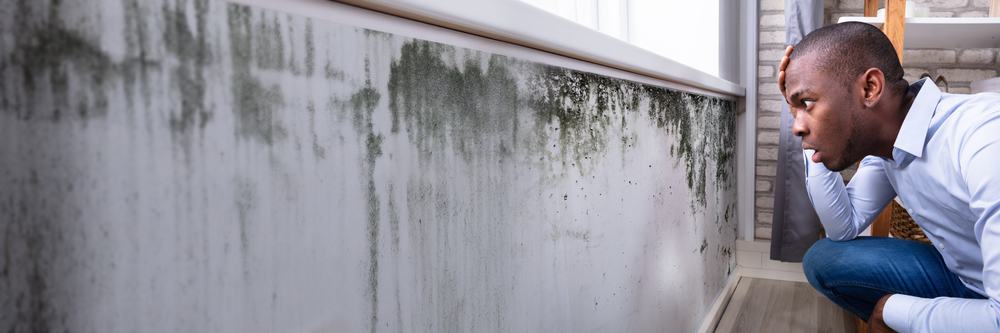
Living a block from the canal or a few streets off Patchogue Bay isn’t just a lifestyle — it’s a moisture condition. The ambient humidity that comes with South Shore coastal living works its way into wall cavities, crawl spaces, and attic insulation quietly and consistently. By the time you smell something or see a stain, it’s usually been growing for a while.
A thorough mold inspection gives you documented answers, not suspicions. You find out exactly what’s in your air, where moisture is entering your home, and whether the mold species present are the kind that require immediate action or routine remediation. That information changes everything — what you negotiate in a real estate deal, what you submit to your insurance company, and what you decide to do next.
Patchogue’s housing stock makes this especially relevant. Whether you’re in a Victorian-era home near downtown, a mid-century ranch closer to Medford Avenue, or a newer unit in one of the mixed-use developments off Main Street, each property type carries its own moisture vulnerabilities. Knowing what you’re dealing with — in writing, with lab results behind it — is the only position worth being in.
We’ve been serving Suffolk County homeowners for over three decades. That means we’ve inspected homes through every major storm cycle Long Island has seen, including the South Shore flooding that followed Superstorm Sandy and left hundreds of Patchogue properties in the Patchogue River watershed with moisture damage that, in many cases, was never fully addressed.
Every technician on our team holds IICRC certification. We hold both a New York State Mold Assessor license and a Mold Remediator license — both verifiable through the NY Department of Labor. These aren’t optional credentials in New York. They’ve been legally required since 2016, and any company operating without them is doing so outside the law.
If mold is found and remediation is needed, we handle that too — including full reconstruction if structural materials are involved. One call covers the entire process.
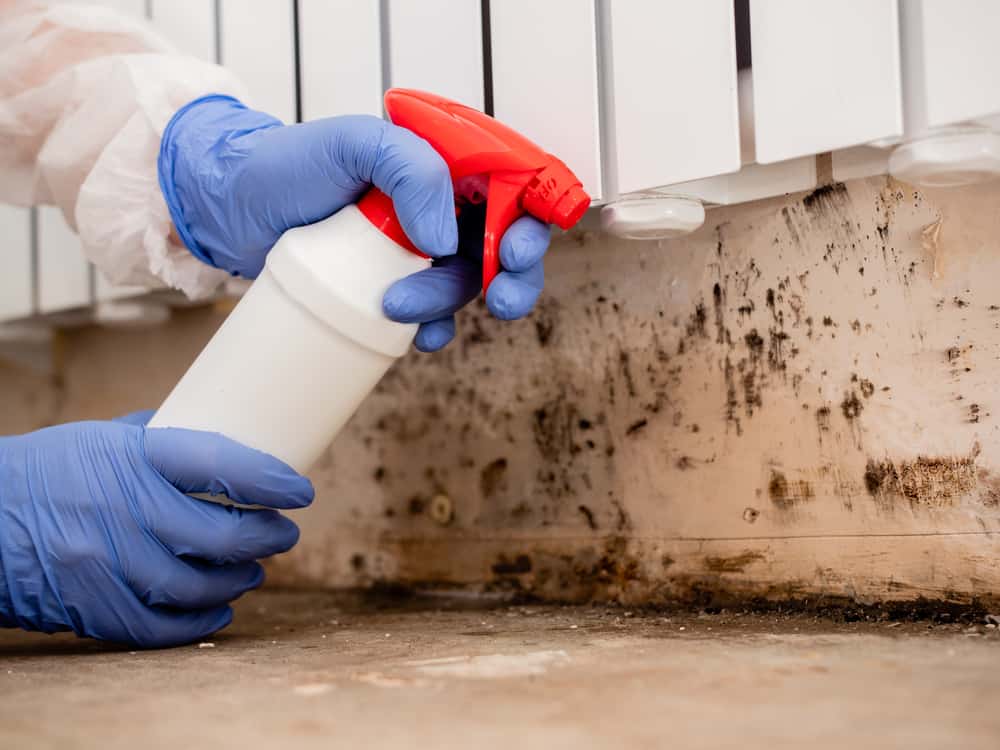
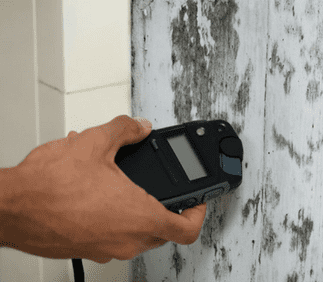
The inspection starts with a full walkthrough — not just the obvious spots, but the areas that coastal Suffolk County homes are most likely to hide problems: basement walls, crawl spaces, attic rafters, around HVAC components, and anywhere near plumbing that’s been exposed to the kind of temperature swings Patchogue winters bring. We use moisture meters throughout to map where water is entering or accumulating.
From there, air sampling captures what’s actually in your home’s air — spore types, concentrations, and how they compare to outdoor control samples taken the same day. We collect swab samples from any visible mold growth. If there’s reason to suspect mold behind walls or beneath flooring, we use infrared thermal imaging to detect temperature differentials that indicate hidden moisture — without tearing anything open.
All samples go to an accredited laboratory. When results come back, you receive a written report in plain language: what was found, what species, what concentrations, and what the recommended next steps are. If your inspection is tied to a real estate transaction — which is common in Patchogue’s active market — we format the report to hold up in that context. If it connects to an insurance claim, we handle the documentation side of that as well.
Ready to get started?
Our mold inspection in Patchogue, NY covers five documented points: airborne spore sampling, surface swab sampling, water intrusion inspection, moisture level measurement using calibrated meters, and full photographic documentation of all mold sources and moisture conditions. We also use infrared thermal imaging where conditions call for it — which, in Patchogue’s older wood-frame housing stock, is more often than not.
Lab analysis is included for all collected samples, performed by an accredited third-party laboratory. The final report identifies mold species, spore counts, moisture source locations, and specific remediation recommendations — written clearly enough that you can act on it without needing to decode technical language.
For Patchogue homeowners, this level of detail matters in real, practical ways. If you’re buying a home near Canaan Lake or along the Tuthill’s Creek Canal corridor, your inspector needs to account for tidal moisture influence and elevated groundwater — not just run a standard checklist. If you’re dealing with a basement that’s flooded during nor’easters, the inspection needs to trace where water entered and whether it left conditions behind that are still active. That’s what our inspection is designed to do — and because we also hold a NY State Mold Remediator license, if action is needed after the report, you’re not starting over with a new contractor.
In Patchogue, a professional mold inspection typically runs between $300 and $800, depending on the size of the property, how many areas need to be sampled, and whether infrared thermal imaging is used. That range reflects what local providers are currently charging for inspections that include visual assessment, moisture mapping, air sampling, and lab analysis — not just a walk-through.
The more useful way to think about the cost is relative to what’s at stake. Median home values in Patchogue are approaching $500,000, and waterfront properties along the canal corridors routinely exceed that. A $600 inspection that catches an active mold condition before it spreads — or before you close on a property — is a straightforward return. Mold remediation in Patchogue ranges from $500 for a small isolated area up to $6,000 or more for extensive contamination, and severe cases can go higher when structural materials are involved. The inspection is the cheapest part of this equation by a significant margin.
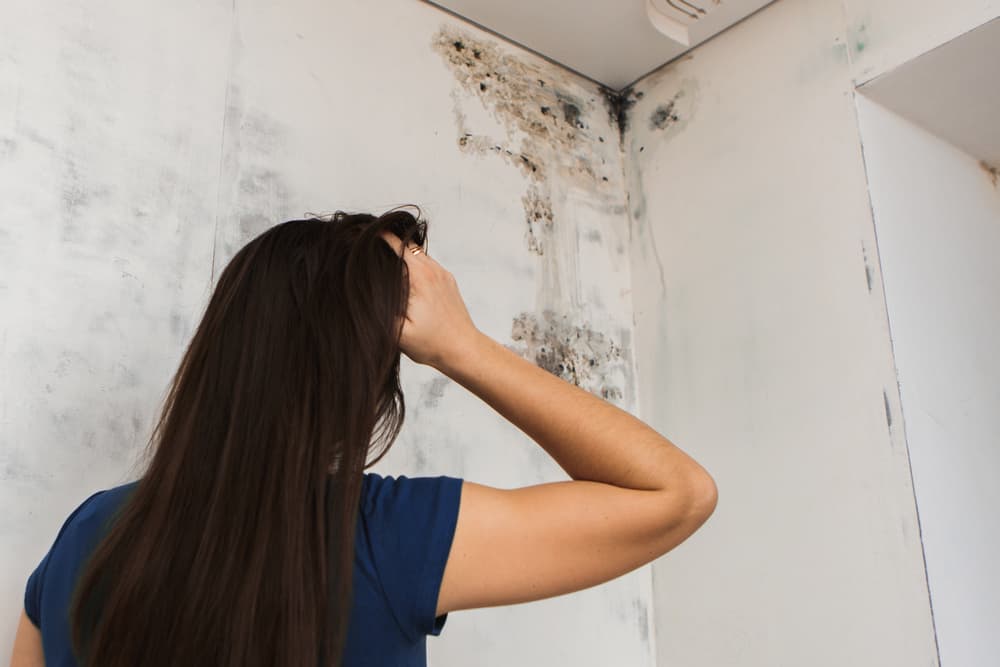
The most obvious signs are visible mold growth or a persistent musty odor — but those are actually late-stage indicators. By the time you can see or smell mold in a Patchogue home, it’s usually been present for a while. Earlier signals include unexplained respiratory symptoms in household members, chronic allergy-like irritation that clears up when you leave the house, water stains on walls or ceilings, or a basement that stays damp even when it hasn’t flooded recently.
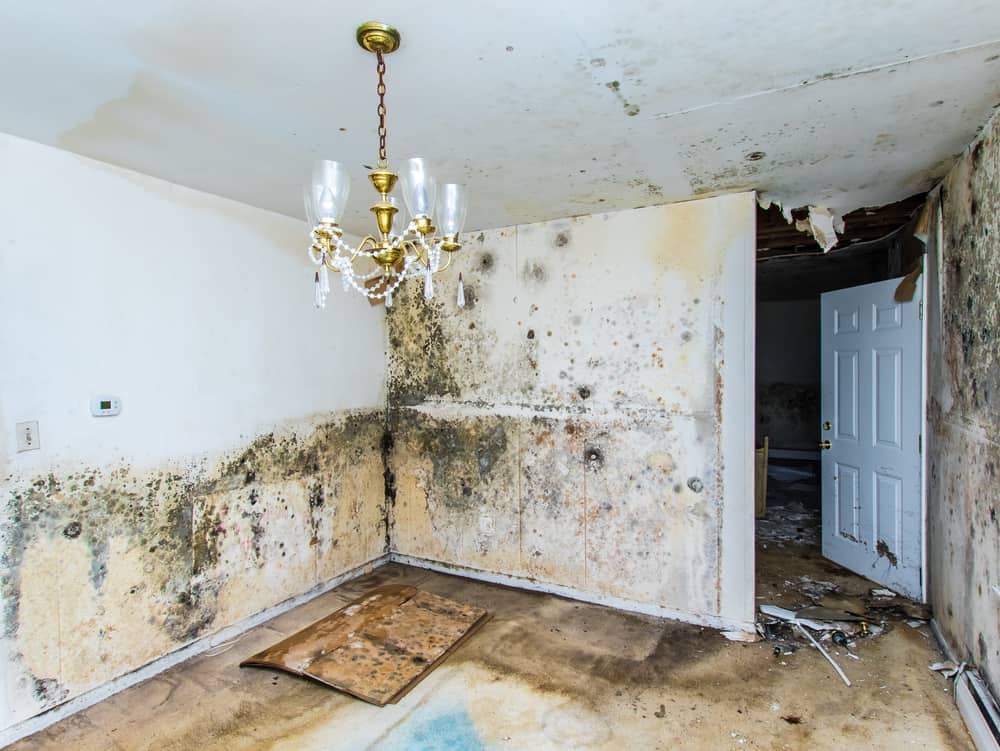
For homes near Patchogue Bay, the canal systems, or the Patchogue River watershed, the risk baseline is already elevated. Tidal humidity, high groundwater, and the flooding history of the South Shore — particularly properties that experienced water intrusion during Superstorm Sandy or subsequent nor’easters — create conditions where mold can be active inside wall cavities with no visible evidence at all. If your home has any history of water intrusion and it was never professionally assessed afterward, that alone is reason enough to schedule an inspection.
These terms get used interchangeably, but they describe different scopes of work. A mold inspection is the broader process — it includes a physical walkthrough, moisture mapping, water intrusion identification, and documentation of visible mold conditions. Mold testing refers specifically to the collection and lab analysis of samples: air samples, surface swabs, or both.
In New York State, the person conducting a mold assessment is legally required to hold a NY State Mold Assessor license issued by the Department of Labor. This has been the law since January 1, 2016. A complete mold inspection in Patchogue, NY should include both the physical assessment and laboratory-confirmed testing — not one or the other. If a company offers a “visual inspection only” without sampling, you’re getting an opinion, not a verified result. Lab results are what give the report real weight, whether you’re using it for a real estate transaction, an insurance claim, or simply making an informed decision about your home.
For most single-family homes in Patchogue, the on-site portion of a mold inspection takes between one and three hours. Larger properties, homes with finished basements, or houses with multiple areas of concern — which is common in older wood-frame construction near the downtown or waterfront areas — may take longer. The infrared thermal imaging component adds time but significantly increases what the inspection can detect, particularly in homes where moisture has been entering through foundation walls or around aging window frames.
After the on-site visit, samples go to the accredited lab. Turnaround time for results is typically two to five business days, after which the written report is compiled and delivered. If your inspection is tied to a real estate contract with a contingency deadline — which happens frequently in Patchogue’s active market — it’s worth communicating that timeline upfront so the inspection and report delivery can be scheduled accordingly.
Yes, and this is more common than most buyers expect. Patchogue has seen significant new residential construction over the past two decades — more than 650 units built within walking distance of downtown since 2006, with additional development underway. New construction is vulnerable to mold when building materials are exposed to moisture before the building envelope is fully sealed and conditioned. In a coastal, high-humidity environment like Patchogue’s South Shore setting, that window of exposure can be enough.
Mold that develops during construction often ends up inside wall assemblies, behind drywall, or in framing lumber — invisible once the building is finished. Buyers of new construction units in Patchogue shouldn’t assume a new building is automatically mold-free. An inspection that includes air sampling and infrared imaging can identify whether mold is present inside the structure before you move in, which is a far better position than discovering it after the fact.
It’s not legally required, but for Patchogue specifically, it’s one of the more practical decisions a buyer can make. The combination of older housing stock, proximity to the Great South Bay and its canal systems, and the documented flooding history of the South Shore means that mold risk here is genuinely elevated compared to inland communities. A general home inspector will note visible concerns, but mold inside wall cavities, beneath subflooring, or in attic insulation is not detectable without air sampling and moisture mapping.
A mold inspection report also gives you documented leverage. If active mold is found, you have a lab-verified finding to bring to the negotiation — not just a suspicion. If the home is clear, you close with confidence. Either way, you’re making a decision based on real information rather than hoping the previous owners disclosed everything accurately. Given what homes in Patchogue are selling for, that clarity is worth the cost of the inspection.
Useful Links
Other Services we provide in Patchogue