
Mold Inspection in Peconic, NY
Bay Air Gets In. Mold Follows. Here's What to Do.

Hear from Our Customers
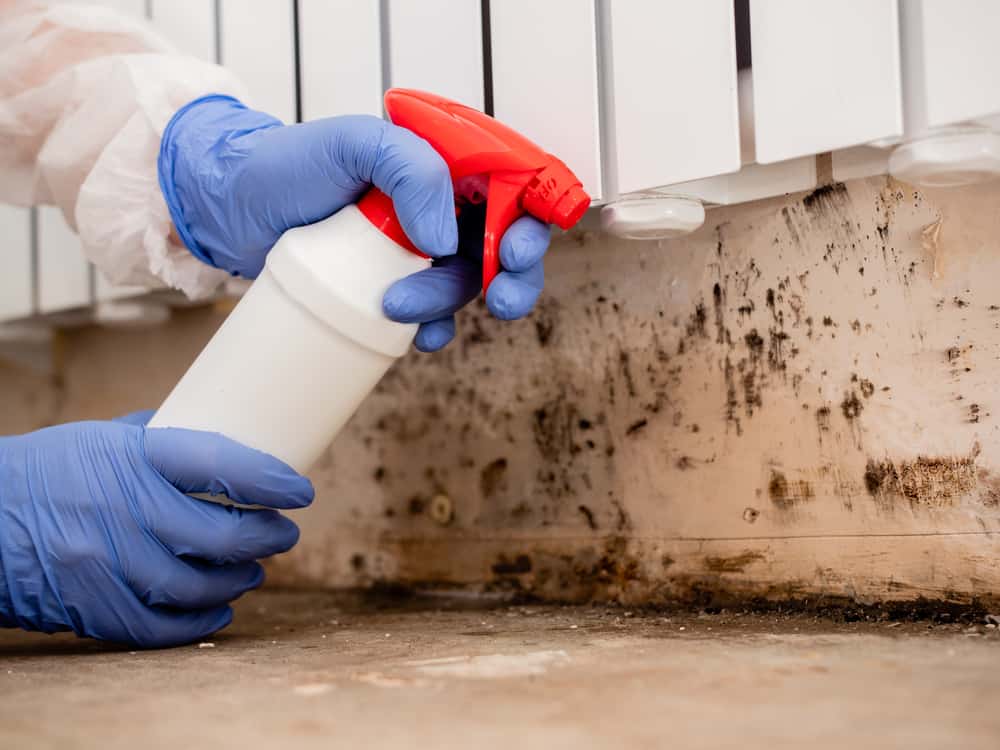
Mold Testing Services in Peconic, NY
Most homeowners in Peconic don’t call us about mold because they can see it. They call because something feels off a smell that wasn’t there last season, a family member with symptoms that won’t quit, or a basement that just never seems to dry out. A real mold inspection answers those questions with lab-verified facts, not guesswork.
When you’re sitting on a property worth over a million dollars whether it’s a year-round home near Founders Landing or a seasonal place you open up every spring you need to know what’s actually inside the walls, not just what’s visible on the surface. That’s what a thorough inspection gives you: a clear picture of where mold is, what type it is, how far it’s spread, and what needs to happen next.
Peconic’s housing stock is older, and many of these homes were built long before vapor barriers and crawlspace encapsulation were standard. Add in the persistently high humidity from the bay and the naturally elevated water table across the North Fork, and you’ve got conditions where mold can establish itself quietly over months especially in a home that sits closed through a Long Island winter. Knowing the full scope of what’s happening inside your property is the only way to make a smart decision about what to do next.
Licensed Mold Inspection Company in Peconic, NY
We’ve been operating on Long Island for 31 years, with deep roots in Peconic and the surrounding North Fork communities. That’s not a marketing number it’s the length of time Richard Peterson and our team have been showing up for homeowners across Suffolk County, including the waterfront and bay-adjacent properties that a lot of restoration companies treat as an afterthought.
New York State requires all mold assessors and mold remediators to hold valid NY Department of Labor licenses a requirement that’s been in effect since 2016 and one that not every company you’ll find online actually meets. We hold both licenses. Every technician on our team is IICRC-certified, not just the owner. That’s a standard we’ve held from day one and haven’t compromised on.
Whether you’re in a waterfront estate off Indian Neck, a farmhouse on Route 25, or a home you use seasonally and manage from a distance, you’re getting the same licensed, credentialed team with three decades of real Peconic and Long Island experience behind us.
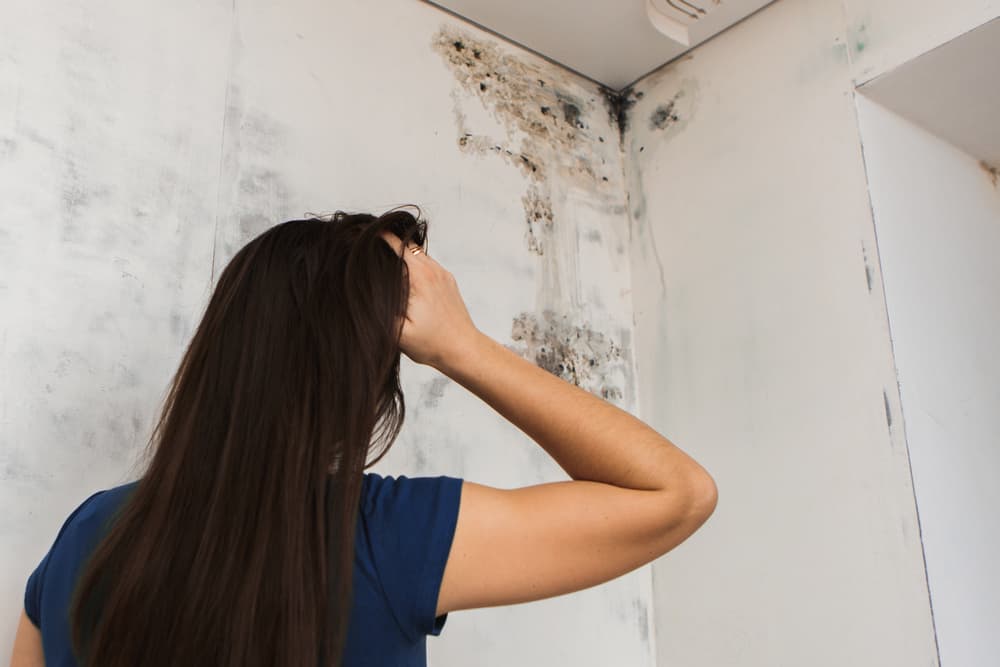
How Our Mold Assessment Process Works in Peconic
The inspection starts with airborne spore sampling air is collected from inside the home and sent to an accredited laboratory for analysis. This tells us what mold species are present and at what concentration, even when there’s nothing visible to the naked eye. At the same time, surface swab samples are taken from any areas showing visible growth or discoloration to identify exactly what you’re dealing with.
From there, our team conducts a full water intrusion inspection to track down the moisture source because mold doesn’t grow without one. Moisture levels are measured throughout the property using calibrated meters, and everything is photographically documented. In older North Fork homes where moisture has had years to work its way into wall cavities, crawlspaces, and attic insulation, we also use infrared thermal imaging to detect hidden moisture and mold activity that standard visual inspections miss entirely. This is particularly relevant in Peconic, where homes near the bay or with crawlspace foundations are common and the conditions for concealed moisture damage are almost always present.
Once samples are back from the lab, you receive a written report in plain language mold species identified, spore counts, moisture sources located, and specific recommendations for what to do next. If remediation is needed, we can handle that too, along with any structural repairs, so you’re not left coordinating multiple contractors on your own.
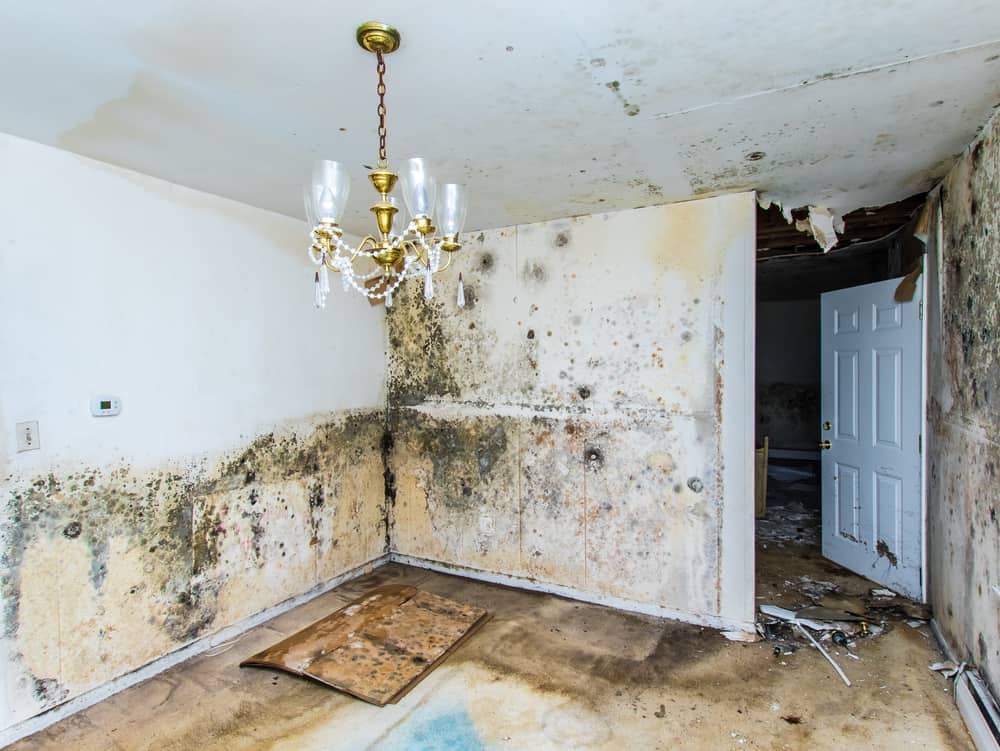
Ready to get started?
Residential and Commercial Mold Inspection in Peconic, NY
A mold inspection with us covers the full picture not just what’s visible. Air testing, surface swab sampling, moisture measurement, water intrusion analysis, infrared thermal imaging, photographic documentation, and a written lab-verified report are all part of the process. There’s no cutting it short because it’s a smaller property or a seasonal home. The inspection is the same whether you’re a year-round resident in Southold Town or a second-home owner who’s been away since October.
For homeowners dealing with a real estate transaction and given Peconic’s median home value sitting above a million dollars, that’s a high-stakes situation the written report we provide holds up for buyers, sellers, attorneys, and insurance adjusters. It documents mold species, spore counts, moisture sources, and remediation recommendations in language that’s actually usable, not just a raw lab printout.
We also handle the full project if mold is found. Inspection, remediation, and reconstruction if structural damage is involved one licensed team from start to finish. For seasonal property owners managing things remotely, that single point of contact matters more than most people realize until they’re in the middle of coordinating it themselves. We serve residential and commercial properties across Peconic and the broader North Fork, including wineries, agricultural structures, and larger estate properties along the bay.
Does living near Peconic Bay actually increase the risk of mold in my home?
Yes, and it’s one of the more underappreciated risks for North Fork homeowners. Peconic sits between Long Island Sound to the north and Peconic Bay to the south, which means your home is exposed to salt-laden, moisture-heavy air from two directions simultaneously. That level of ambient humidity especially during summer creates ideal conditions for mold growth in crawlspaces, wall cavities, attics, and anywhere else moisture can accumulate without proper ventilation or vapor control.
The issue compounds in older homes that were built before modern moisture management practices were standard. Many properties in and around Peconic have crawlspace foundations, aging roof systems, and wall assemblies that weren’t designed with today’s understanding of moisture dynamics. Add in the naturally high water table across much of the North Fork, and you’ve got a situation where mold can establish itself quietly even in a well-maintained home. A professional mold inspection gives you a factual baseline so you’re not guessing about what’s happening inside your walls.
My Peconic vacation home smells musty every spring when I open it up is that mold?
It could be, and it’s one of the most common calls we get from North Fork homeowners in the April through June window. A home that’s been closed since fall with the heat turned down, no active dehumidification, and no regular ventilation is essentially a controlled mold incubation environment. The humidity that accumulated during the previous summer gets trapped inside the building envelope, temperatures drop through winter, condensation forms on cold surfaces, and mold colonies can grow significantly before you ever open the door in spring.
A musty smell is one of the clearest indicators that mold is active somewhere in the property often in the basement, crawlspace, or behind interior walls where you can’t see it. The only way to know for certain is to test. Air sampling will tell you whether spore levels are elevated and what species are present. Surface sampling identifies visible growth. And infrared imaging can detect moisture in areas that look fine on the surface but are actively supporting mold growth underneath. Don’t assume it’s just “that old house smell” get it confirmed before the season gets underway.
Does New York State require a licensed mold inspector, or can any contractor do this?
New York State law requires that anyone conducting mold assessments or mold remediation hold a valid license from the NY Department of Labor. This requirement went into effect on January 1, 2016, and it applies to every property in the state including homes in Peconic and throughout Southold Town. It’s not optional, and it’s not a technicality. Hiring an unlicensed contractor to conduct a mold inspection means the results may not be legally defensible for insurance claims or real estate disclosures.
The law also requires that mold assessment and mold remediation be performed by separate licensed entities meaning the company that inspects cannot be the same one that remediates without proper separation of those functions. This is a consumer protection measure designed to prevent conflicts of interest. Before you hire anyone for a mold inspection in Peconic, verify their NY DOL mold assessor license through the state’s online contractor lookup tool. We hold both the mold assessor and mold remediator licenses and operate in full compliance with New York State requirements.
How much does a mold inspection in Peconic, NY typically cost?
Mold inspection costs on Long Island generally range from around $300 on the low end for a basic visual assessment to $1,000 or more for a comprehensive inspection that includes air sampling, surface swab testing, infrared imaging, and a full written lab report. Where you fall in that range depends on the size of the property, the number of samples collected, and the scope of what’s being assessed.
For Peconic homeowners, it’s worth thinking about that cost relative to what’s at stake. The median home value in this area is over a million dollars. A thorough mold inspection that catches a hidden problem early before it spreads into structural framing, before it shows up in a buyer’s inspection report, before it becomes a six-figure remediation is one of the more straightforward investments you can make in protecting that asset. The written report you receive from a licensed inspection also has real utility: it holds up for insurance claims, real estate transactions, and legal documentation in a way that a verbal summary from an unlicensed contractor simply doesn’t.
What's the difference between a mold inspection and a standard home inspection in New York?
A standard home inspection covers the general condition of a property roof, foundation, electrical, plumbing, HVAC, and visible structural components. Most home inspectors in New York are not licensed mold assessors, and a standard home inspection does not include air sampling, laboratory analysis, or a detailed assessment of mold species and spore concentrations. If a home inspector spots something that looks like mold, they’ll typically note it and recommend further evaluation they won’t tell you what type it is, how far it’s spread, or what it means for the indoor air quality.
A professional mold inspection is a separate, specialized service that goes significantly deeper. It includes airborne spore sampling sent to an accredited lab, surface swab testing, moisture source identification, infrared imaging for hidden mold, and a written report with actionable findings. For buyers and sellers in Peconic’s real estate market where transactions regularly involve properties valued well above $800,000 a dedicated mold inspection is increasingly a standard part of due diligence, separate from and in addition to the standard home inspection.
Can mold in my Peconic home affect my family's health, and how quickly does it become a problem?
Mold exposure can cause a range of health effects depending on the species present, the concentration of spores in the air, and the sensitivity of the people living in the home. Common symptoms include persistent respiratory irritation, chronic coughing, worsening allergy symptoms, headaches, and fatigue issues that are easy to attribute to other causes and easy to overlook until they become a pattern. Certain mold species, including Stachybotrys commonly called black mold are associated with more serious health concerns and require immediate professional attention.
The timeline from initial moisture intrusion to active mold growth can be as short as 24 to 48 hours under the right conditions. In a Peconic home with a crawlspace foundation, a slow roof leak, or a basement that takes on water during a nor’easter or bay flooding event, that window closes fast. And because mold often grows in concealed spaces inside wall cavities, under flooring, in attic insulation it can be well-established before anyone in the household notices symptoms or a visible sign. If something in your home feels off and you can’t explain it, a mold inspection is one of the fastest ways to rule it out or get a clear answer.
Useful Links
Other Services we provide in Peconic