
Mold Inspection in Seaford, NY
Canal Homes and Coastal Air Make Seaford's Mold Problem Harder to Ignore

Hear from Our Customers
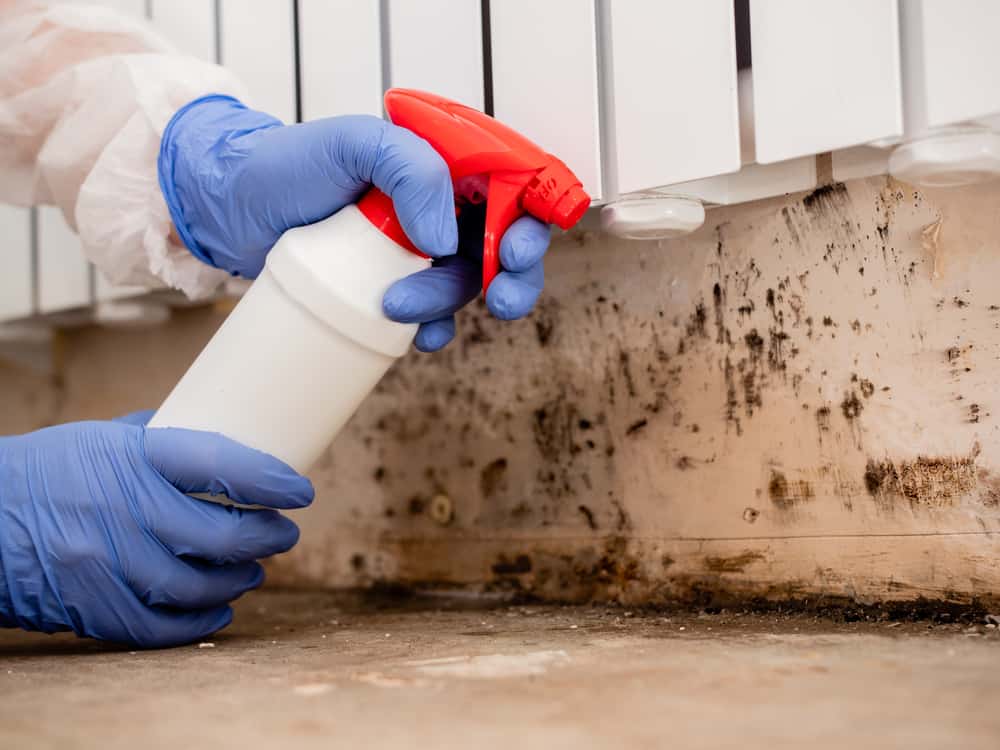
Residential Mold Detection in Seaford
Most homeowners in Seaford don’t call about mold because they can see it. They call because something feels off a smell that won’t go away, a family member with unexplained respiratory issues, or a basement that flooded last season and never quite dried right. The problem with mold is that the worst of it is usually out of sight. It’s in wall cavities, under subfloors, behind the drywall that got patched after the last storm. A proper inspection tells you what’s actually there, where it’s coming from, and what needs to happen next.
For Seaford homeowners specifically, that’s not a small thing. The southern half of this community sits on a canal system connected directly to the Great South Bay. High water tables, tidal moisture, and the kind of bay humidity that rolls in off the South Shore every summer create conditions where mold doesn’t need much of an invitation. Add in the post-war housing stock that makes up most of Seaford’s neighborhoods homes built in the 1950s and 60s with aging plumbing, original framing, and ventilation systems that weren’t designed for today’s moisture loads and you have a community where hidden mold is genuinely common.
A thorough mold inspection gives you something more valuable than a guess. It gives you lab-backed data, a documented moisture source, and a clear picture of what remediation if any actually needs to happen. That’s the difference between spending money on a real problem and spending money chasing one that isn’t there.
Mold Inspection Company Serving Seaford, NY
First Response Restoration and Cleaning Inc. has been working on Long Island for over three decades. Based out of West Babylon and serving all of Nassau County through a dedicated 516 line, we’ve inspected and remediated homes across the South Shore including the canal-section properties in Seaford that most inspection companies aren’t fully equipped to assess.
Every technician on our team is IICRC-certified. Our owner, Richard Peterson, holds personal NYS Department of Labor licensure in both mold inspection and mold remediation which is exactly what New York State law requires from any company doing this work for pay. We’re licensed, bonded, and insured, and we’ve been operating under that standard long before Article 32 made it mandatory in 2016.
We’re not a national brand with a local phone number. We’re a Long Island company that knows the difference between a canal-front home in south Seaford and a Cape Cod on the landlocked north side and we inspect them accordingly.
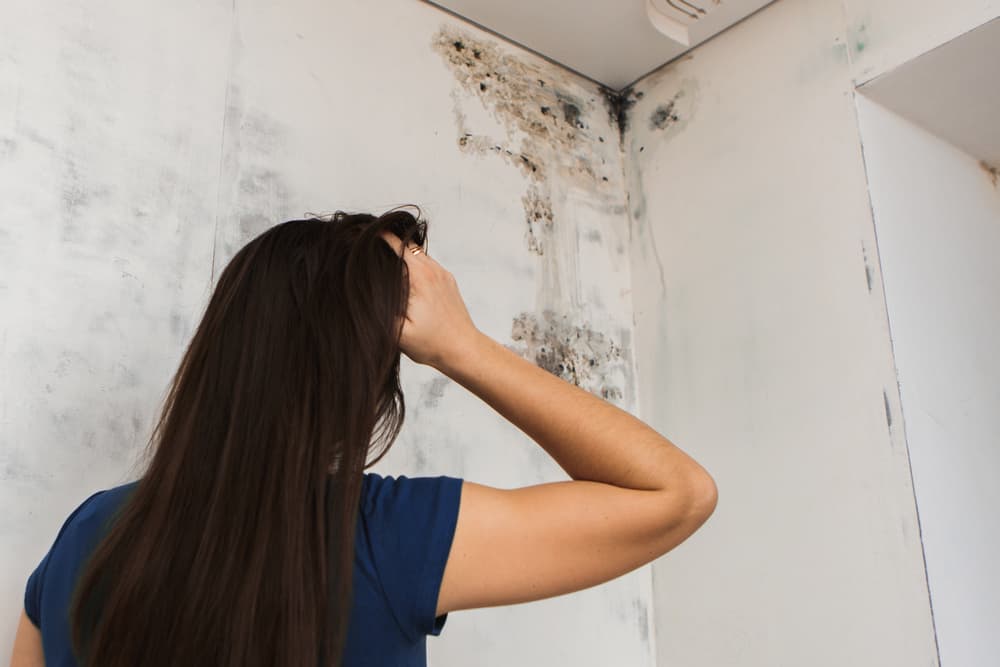
Our Mold Assessment Process in Seaford
When we arrive at your Seaford home, we’re not doing a quick walkthrough with a flashlight. Our inspection follows a defined five-point protocol built to find mold at every level visible and hidden. We start with air testing to measure spore concentration throughout the living space, then collect surface swab samples where mold is suspected. Both go to a certified third-party laboratory. You get real results, not an inspector’s opinion.
From there, we run a full water intrusion inspection to find the moisture source driving any growth because treating mold without fixing the source is just temporary. We measure moisture levels throughout the structure and use infrared thermal imaging to detect temperature differentials inside walls, ceilings, and floors that indicate trapped moisture invisible to the naked eye. For Seaford homes with a history of flooding whether from a nor’easter, a bay surge event, or a slow plumbing leak this is where the inspection earns its value. Infrared finds what a visual check misses every time.
The final step is a written report that includes your lab results, photographs of all identified mold sources, a comparison of indoor versus outdoor spore levels to establish a baseline, and specific remediation recommendations. If your situation involves a flood insurance claim or a real estate transaction both common in Seaford’s active market that documentation is exactly what your attorney or adjuster will ask for. Under New York State’s Article 32 requirements, all of this work is performed by licensed mold assessors. No shortcuts, no unlicensed subcontractors.
Ready to get started?
Mold Testing and Indoor Air Quality in Seaford, NY
Mold inspection in Seaford isn’t one-size-fits-all, and we don’t treat it that way. The risk profile of a canal-front home in the southern part of the community sitting over a high water table, adjacent to tidal waterways, and in a FEMA-designated flood zone is fundamentally different from a raised ranch on a landlocked street in the north. Both need a thorough inspection. They just don’t have the same vulnerabilities.
For canal-section and waterfront properties in Seaford, our inspection pays particular attention to below-grade spaces, bulkhead-adjacent foundation walls, crawl spaces, and lower-level rooms where bay moisture migrates through the structure. For the Cape Cods and older ranch homes that make up Seaford’s northern neighborhoods, attic mold is one of the most commonly missed problems the roof geometry and limited ventilation in these homes creates condensation conditions that can sustain mold growth for years before a homeowner notices. We inspect both.
The full inspection includes air sampling, surface swab collection, infrared scanning, moisture mapping, and a certified lab report with remediation guidance. If we find a problem, we can handle the complete remediation and restoration through our company no handoff to a separate contractor, no gap in accountability. For Seaford homeowners dealing with Nassau County’s regulatory environment and the documentation requirements that come with flood zone properties, that continuity matters. One company, one report, one clear path forward.
How much does a mold inspection cost for a home in Seaford, NY?
Mold inspection costs in Seaford typically fall between $300 and $1,000 for a residential property, depending on the size of the home and the scope of the inspection. A straightforward visual assessment with limited air sampling sits at the lower end. A comprehensive inspection that includes infrared scanning, moisture mapping, and multiple sample collections the kind of inspection that actually makes sense for Seaford’s housing stock runs higher, and for good reason.
When you factor in that the median home value in Seaford is approaching $843,000, spending $500 to $900 on a thorough inspection is a rational investment. The alternative skipping the inspection or going with the cheapest option risks missing concealed mold in a wall cavity or crawl space that could cost $5,000 to $20,000 or more to remediate if it spreads. For canal-section homes or any property with a documented flood history, a partial inspection isn’t a deal it’s a liability.
Is mold common in Seaford homes, and what makes them more vulnerable?
Yes, and the reasons are specific to Seaford. The southern half of this community is a canal system homes sit directly adjacent to man-made waterways connected to the Great South Bay. That means high water tables, tidal moisture influence, and ambient humidity that routinely exceeds 60% during the summer months, which is the threshold above which mold can begin growing within 24 to 48 hours. That’s a typical July in Seaford, not a worst-case scenario.
The housing stock adds another layer. Most of Seaford’s homes were built in the 1950s and 1960s, and at 60 to 75 years old, they have aging plumbing, original or early-replacement roofing, and ventilation systems that weren’t designed to manage today’s moisture loads. Cape Cod-style homes common in the northern part of Seaford are particularly prone to attic mold due to their roof geometry and limited airflow. Combine older construction with South Shore coastal humidity, and mold isn’t a rare event here. It’s a predictable outcome when moisture intrusion goes unaddressed.
My Seaford home flooded during a storm how soon should I get a mold inspection?
As soon as possible ideally within 24 to 48 hours of the flooding event. Mold can begin colonizing wet materials within that window, and the longer moisture sits in wall cavities, under flooring, or in insulation, the more established the growth becomes. Seaford’s canal-section properties and flood-zone homes are particularly vulnerable after nor’easters and bay surge events because the water often enters from below or through foundation walls, saturating areas that dry slowly and stay hidden.
If the flooding happened days or weeks ago and you haven’t had an inspection yet, that doesn’t mean it’s too late it means the inspection is even more important. Post-flood mold often develops behind walls that were dried on the surface but never fully remediated. Infrared thermal imaging is specifically valuable in this scenario because it detects residual moisture inside the structure that a visual inspection won’t catch. We offer 24/7 emergency availability and rapid dispatch for exactly these situations because waiting until Monday morning after a Friday night storm event isn’t a real option.
What is the difference between mold inspection and mold testing in New York?
These terms are often used interchangeably, but they describe different things. A mold inspection is a physical assessment of the property an inspector walks through the structure, identifies visible mold, locates moisture sources, and evaluates conditions that could support mold growth. Mold testing refers specifically to the collection and laboratory analysis of air or surface samples to identify the types of mold present and their concentration levels.
In New York State, both activities fall under Article 32 of the NY Labor Law, which requires anyone performing mold assessment or remediation for pay to hold a current NYS Department of Labor mold license. A complete evaluation the kind that holds up in an insurance claim, a real estate transaction, or a legal context includes both the physical inspection and certified lab testing. Getting one without the other gives you an incomplete picture. An inspection without lab results is an opinion. Lab results without a physical inspection can miss the moisture source entirely. The combination is what actually tells you what’s happening in your home and what needs to be done about it.
Can mold grow in my attic even if I haven't had any visible water damage?
Yes, and in Seaford’s older Cape Cod homes, it happens regularly. Attic mold doesn’t always come from a roof leak you can see. It develops from condensation warm, humid air from the living space rises into the attic, meets the cooler roof deck, and deposits moisture on the wood framing and sheathing over time. In a community where summer humidity is consistently high and many homes have original or limited attic ventilation, this cycle repeats season after season until the conditions are right for mold to take hold.
The problem is that attic mold can grow for months or years before a homeowner notices anything at the living space level. By the time there’s a smell or visible staining on a ceiling, the colony is often well established. A professional mold inspection that includes the attic with moisture readings and infrared scanning of the roof deck is the only reliable way to catch this early. For Seaford homeowners in the northern part of the community where Cape Cods and raised ranches are most common, including the attic in any inspection isn’t optional. It’s where the problem is most likely hiding.
Does homeowners insurance cover mold inspection or remediation in Seaford, NY?
It depends on the cause. Standard homeowners insurance policies in New York typically exclude mold coverage unless the mold is a direct result of a covered sudden water damage event a burst pipe, an appliance failure, or storm-driven water intrusion that qualifies under your specific policy. Gradual leaks, flooding from ground water, and long-term moisture buildup are generally not covered, which matters a great deal for Seaford homeowners whose properties sit in or near FEMA flood zones along the canal system.
Where insurance does apply, the documentation from a professional mold inspection becomes critical. Insurers and adjusters require evidence that traces the mold back to a covered event photographs, moisture readings, lab results, and a written report that establishes the timeline and source. That’s exactly what a licensed inspection produces. Our technicians are trained to document findings in the format that insurance companies actually accept, which can be the difference between a successful claim and a denial. If you’re navigating a flood insurance claim or dealing with post-storm damage in Seaford, having that documentation from a licensed assessor isn’t just helpful it’s often required to move the claim forward.
Useful Links
Other Services we provide in Seaford