
Hear from Our Customers
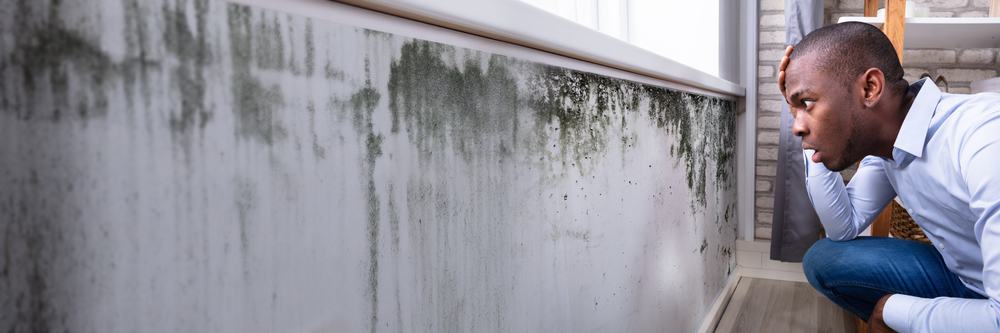
There’s a specific kind of stress that comes from not knowing. You smell something in the basement after a heavy rain. Someone in the house keeps coughing. You found a dark spot behind the washing machine and you’re not sure if it’s dirt or something worse. That uncertainty is exactly what a professional mold inspection in South Floral Park, NY is designed to eliminate — not with guesswork, but with lab-certified answers.
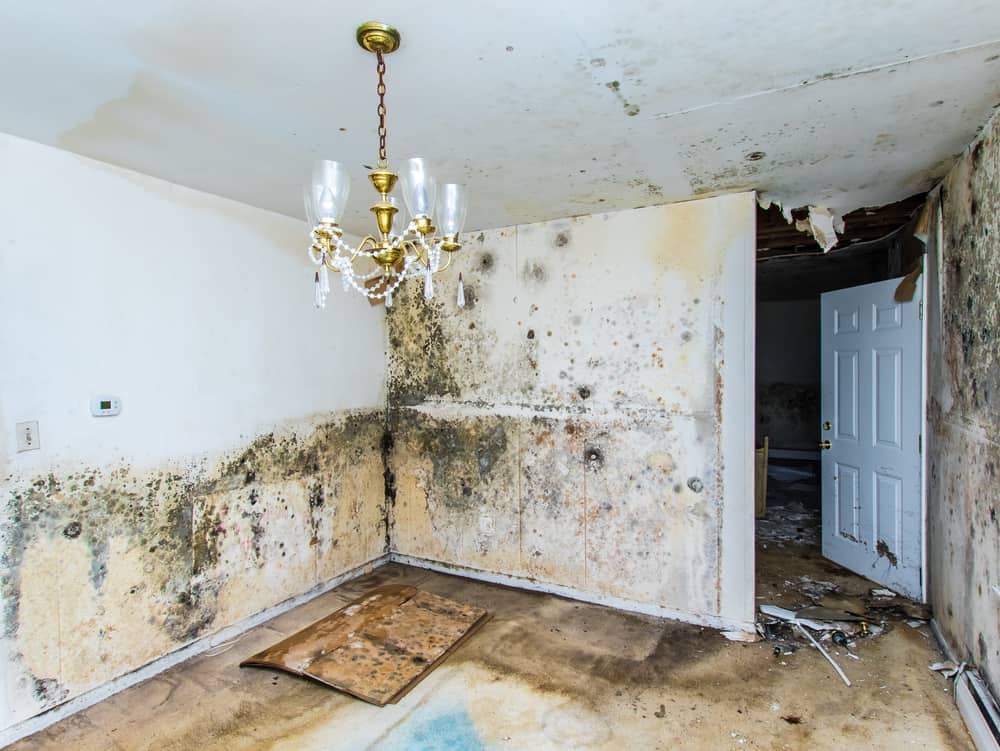
South Floral Park’s housing stock is older than most people realize. The majority of homes here were developed starting around 1905, with the bulk of residential construction happening through the 1920s to 1950s. That means aging foundations, original plumbing systems, and attic spaces that were never designed with today’s moisture standards in mind. When water finds its way in — through a cracked block foundation, a slow pipe leak, or the kind of basement flooding that follows a hard Nassau County nor’easter — mold can start growing within 24 to 48 hours. And in a home this age, it rarely stays in one place.
What you get on the other side of a thorough inspection is clarity. You know exactly what species of mold is present, where the moisture source is, and whether the air your family is breathing inside the home is actually safe. That’s the difference between reacting to a problem that’s already spread and catching it early enough to handle it without tearing your house apart.
First Response Restoration and Cleaning Inc. has been serving Nassau and Suffolk County homeowners for over three decades. That’s not a number we throw out casually — it means we’ve worked through every kind of moisture and mold situation Long Island produces, from post-storm basement flooding in western Nassau County to slow attic leaks that went undetected for years in South Floral Park homes just like yours.
Every technician on our team holds IICRC certification — not just the person who answers the phone or sells the job, but the person who actually shows up at your door. We’re also fully licensed by the New York State Department of Labor as both Mold Assessors and Mold Remediators under Article 32 of the Labor Law, which has been a legal requirement in this state since 2016. Licensed, bonded, and insured — and we can prove all of it before we ever set foot in your home.
We don’t operate out of a national call center. Our Nassau County line — 516-698-1776 — connects you directly to a Long Island team that knows this area, knows these homes, and has been trusted here long enough to have worked throughout South Floral Park and the surrounding communities.
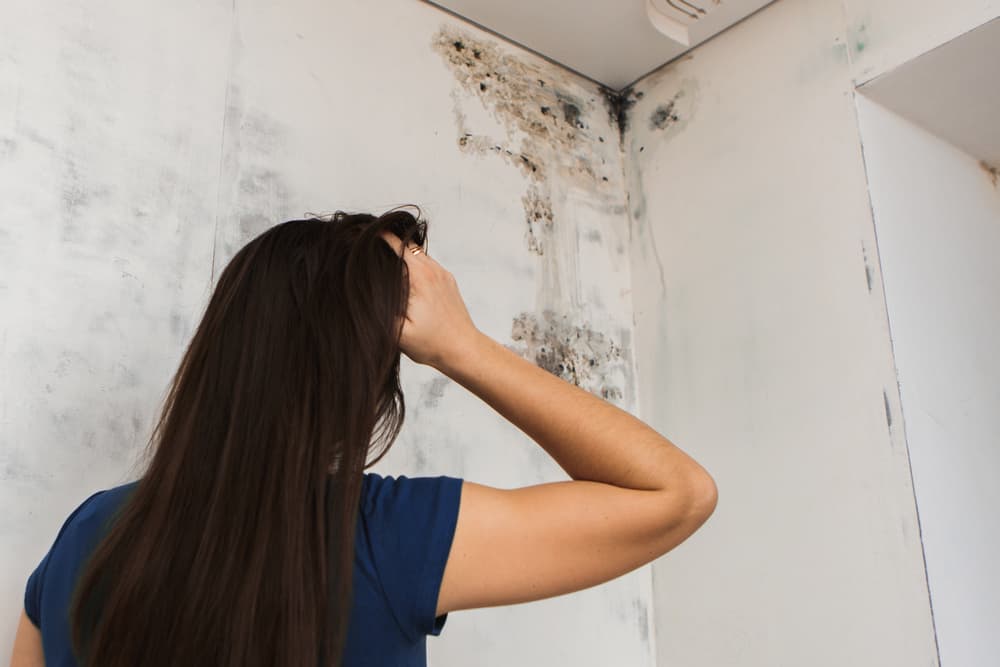
When we arrive, we’re not just walking through with a flashlight. Our inspection follows a five-point protocol that covers what most companies skip entirely. We start with air sampling — both inside and outside your home. That comparison matters because without a baseline of outdoor spore levels, an indoor air sample is essentially meaningless. You need context to understand whether what’s inside your home is elevated or within normal range, and that’s exactly what the comparison gives you.
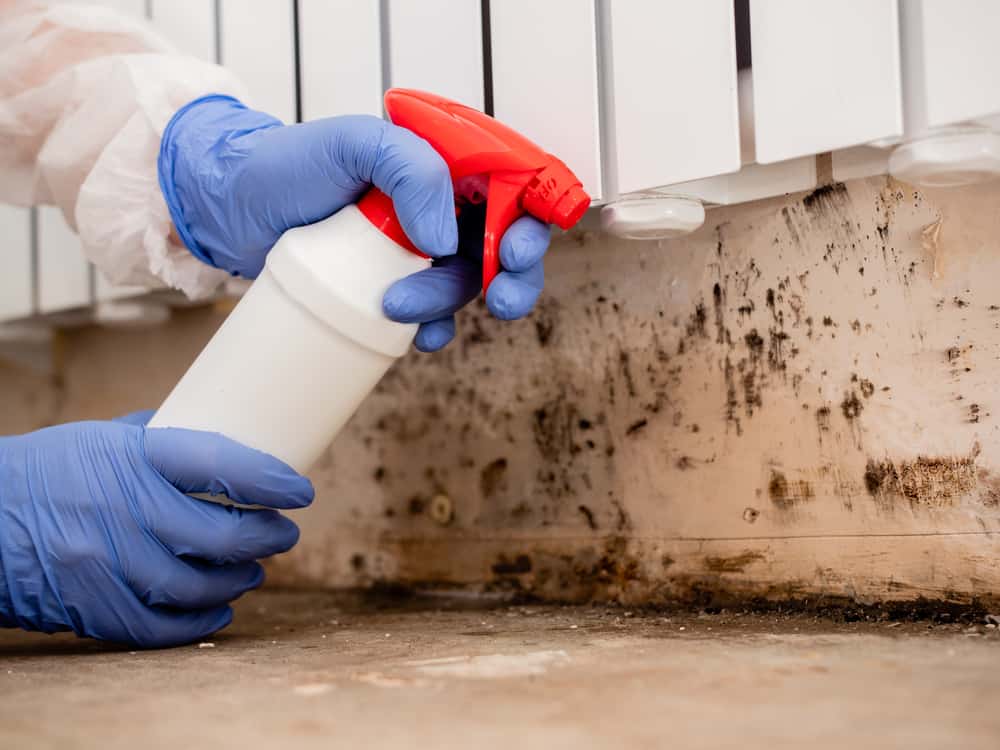
From there, we move into surface swab sampling in areas of visible concern, moisture level measurement throughout the structure, and infrared scanning to detect hidden moisture behind walls and under floors. In South Floral Park’s older homes — many with original plaster walls and aging subfloor systems — infrared is often where we find the problems that no visual inspection would ever catch. Every sample we collect goes to a certified third-party laboratory. We don’t make judgment calls in the field and call it a report.
Once the lab results come back, you receive a full written report that includes mold species identification, spore concentration data, moisture source documentation, photographs of all findings, and specific recommended next steps. If your situation involves an insurance claim — which is common after pipe bursts or storm-related flooding in this area — that report is built to meet the documentation standard your insurance company will actually accept. You’ll know what you’re dealing with, in writing, backed by science.
Ready to get started?
The mold inspection service we provide in South Floral Park, NY covers the full picture. Air testing, swab sampling, water intrusion inspection, moisture measurement, infrared thermal imaging, internal versus external air particle comparison, photographic documentation, and a written lab report with remediation recommendations. Every single one of those components is included — not offered as an add-on, not available only on the premium tier.
We cover the areas where mold is most likely to hide in homes like yours: basements, attics, crawl spaces, around HVAC systems, and inside wall cavities near any plumbing that runs through the structure. In a village where the entire residential footprint was built before vapor barriers were standard, those are not hypothetical risk zones — they’re where we consistently find problems. Attic mold inspection and basement mold inspection are both part of every visit, not optional extras.
If remediation turns out to be necessary, we handle that too — from removal through full structural restoration. New York State requires mold contractors to hold a separate NYS DOL Remediator license to perform that work legally, and we carry it. You won’t need to coordinate a second company or start the trust-building process over again. One call, one team, one accountable company from the first air sample to the final clearance test.
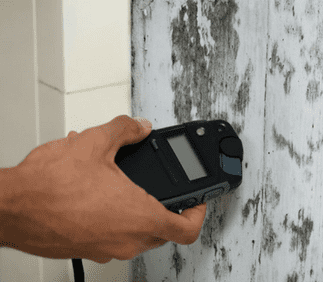
Mold inspection costs in South Floral Park, NY typically fall between $300 and $1,000 depending on the size of the home and the scope of testing needed. Most homeowners in Nassau County land somewhere around $500 to $700 for a thorough residential inspection that includes air sampling, surface swabs, and a written lab report. Homes on the larger end, or those with multiple areas of concern — a finished basement, an older attic, and a crawl space, for example — will be toward the higher end of that range.
What’s worth keeping in mind is what an inspection is actually protecting you from. If mold has spread into wall cavities or structural materials in an older South Floral Park home, remediation costs can run anywhere from $1,500 to $10,000 or more depending on the extent. Catching it early with a proper inspection is almost always the more cost-effective path. And if the issue traces back to a covered event like storm flooding or a burst pipe, a certified lab report is what your insurance company needs to process the claim — which means the inspection can directly offset a much larger expense.
They’re related but not the same. A mold inspection is the physical assessment — a trained technician walks through your home, identifies visible signs of mold or moisture damage, uses tools like moisture meters and infrared cameras to find hidden problems, and determines where the moisture source is coming from. Mold testing refers specifically to the sample collection and lab analysis portion — the air samples and surface swabs that get sent to a certified laboratory to identify what species are present and at what concentration.
A proper mold inspection in South Floral Park, NY includes both. The physical walkthrough without lab analysis leaves you with opinions but no data. Lab results without a thorough physical inspection can miss the source entirely, which means the problem comes back. You need both components working together to get a complete, actionable picture — especially in a home built in the 1920s through 1950s where moisture can be hiding in multiple places at once. When you call us, you’re getting the full process, not one piece of it.
If you’re buying a home in South Floral Park, a dedicated mold inspection is worth doing separately from your standard home inspection. General home inspectors are not licensed mold assessors — they can note visible signs of moisture or discoloration, but they’re not equipped to do air sampling, surface swab analysis, or infrared scanning for hidden moisture. New York State requires mold assessors to hold a specific NYS DOL license under Article 32, which general home inspectors typically do not carry.
South Floral Park’s housing stock makes this especially relevant. Most homes in the village were built between the 1920s and 1950s, which means older foundations, original plumbing, and decades of potential moisture exposure. A home can look completely fine to the eye and still have elevated mold spore levels in the basement or attic. Getting a certified mold inspection before closing gives you either the confidence that the home is clean or the documentation you need to negotiate repairs or price adjustments before you’re already holding the deed.
Yes — and in older homes like those throughout South Floral Park, hidden mold is actually more common than visible mold. Mold grows wherever moisture is present, and it doesn’t need to be on a surface you can see. It grows inside wall cavities, behind original plaster and lathe, under subfloors, in attic insulation, and around plumbing that runs through the structure. By the time you see it, it has often already been growing for weeks or months in a place you can’t access without opening the wall.
This is exactly why infrared thermal imaging is part of our inspection process. Infrared detects temperature differentials caused by moisture — which shows up on the camera before mold is ever visible to the eye. In a village where homes are 70 to 100 years old and were built without modern moisture barriers, that technology isn’t optional. It’s the only reliable way to know what’s actually happening inside the structure. If you’re relying on a visual-only inspection in a home this age, you’re not getting a complete answer.
Whether mold is covered depends on what caused it. If mold developed as a result of a sudden, covered water event — a burst pipe, a storm that caused flooding, a failed sump pump during a heavy nor’easter — most homeowners insurance policies in Nassau County will cover at least a portion of the remediation costs. What they require is documentation: specifically, a certified lab report that identifies the mold species, confirms the moisture source, and ties the problem back to the covered event.
A verbal assessment from an unlicensed inspector won’t satisfy that requirement. What you need is the kind of written, lab-backed report that holds up to review by an insurance adjuster. That’s exactly what our inspection process produces — certified lab results, photographic documentation of the moisture source, and a clear remediation recommendation in writing. If you’re dealing with a post-storm situation in South Floral Park and thinking about filing a claim, getting a certified inspection done promptly is the right first step. Delays give the insurance company room to argue the damage wasn’t acute.
If we find mold during your inspection, the written lab report you receive will tell you exactly what species is present, how concentrated the spore levels are, and what the recommended remediation approach is. Not every finding requires the same response — a small, isolated area of surface mold with a contained moisture source is a very different situation than elevated airborne spore levels throughout the structure. The report gives you the specific information you need to make a decision, not a one-size-fits-all recommendation.
From there, if remediation is needed, New York State law requires the work to be performed by a contractor holding a valid NYS DOL Mold Remediator license — separate from the inspection license. We hold both, which means you don’t have to start over with a new company or worry about whether your remediator is operating legally. We handle the full process: removal, structural restoration, and a post-remediation clearance test to confirm the problem has been resolved. For South Floral Park homeowners managing long commutes and busy households, having one accountable team handle it start to finish isn’t just convenient — it’s the cleaner, lower-risk path.
Useful Links
Other Services we provide in South Floral Park