
Mold Inspection in Water Mill, NY
When Your Water Mill Home Sits Empty, Mold Doesn't Wait
Hear from Our Customers
Residential Mold Inspection, Water Mill NY
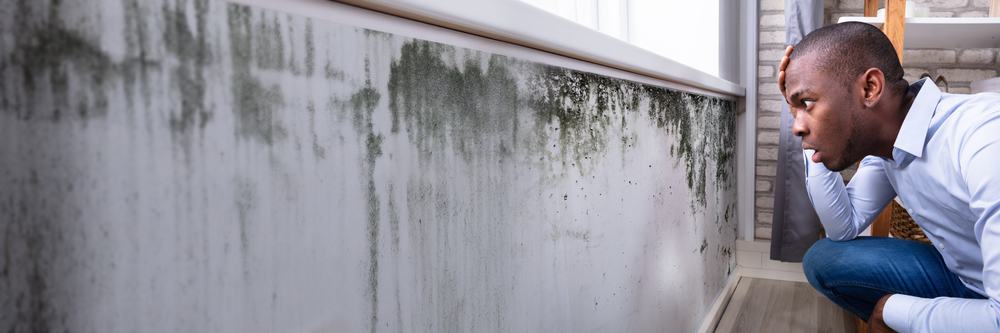
Most Water Mill homeowners don’t find mold because they were looking for it. They find it in April, when they open up a property that’s been closed since October and by then, what started as a slow moisture problem has had five months to spread behind walls, under flooring, and through the air inside the home. A professional mold inspection in Water Mill, NY tells you exactly what’s there, where it came from, and what it’s going to take to fix it. That’s a very different outcome than hoping nothing went wrong over the winter.
The conditions in Water Mill are specific. Properties along Mecox Bay and the Mill Pond corridor deal with elevated groundwater and persistent coastal humidity year-round. Salt air off the Atlantic accelerates the breakdown of building materials, creating the small gaps and porous surfaces where moisture gets in quietly. If your home is south of the highway, near Flying Point Road, or sitting on a bay-adjacent lot, the baseline moisture exposure is higher than most people realize and that matters whether the house is occupied or not.
A thorough inspection gives you documentation you can actually use. Whether you’re managing a pre-purchase decision on a multi-million dollar property, filing an insurance claim, or just making sure your family’s summer home is safe to come back to, the written report with lab-verified results is what protects you. Not a visual walkthrough. Not a verbal summary. Real findings, in writing, backed by an accredited lab.
Mold Inspection Company, Water Mill NY
We’ve been working across Suffolk County since the early 1990s. That’s three decades of inspecting and remediating mold in the full range of Long Island properties from year-round suburban homes to the seasonally occupied estates that define Water Mill and the South Fork. Our company is owned and operated by Richard Peterson, and every technician on our team carries individual IICRC certification. Not the company as a whole each person.
What sets us apart in a market like Water Mill is our dual licensing. New York State has required separate licenses for mold assessment and mold remediation since 2016. We hold both, which means one licensed, insured team handles your inspection, your remediation, and any reconstruction start to finish. For homeowners managing a property remotely from the city, that matters more than most people expect.
We serve all of Suffolk County through a dedicated line at 631-587-5300. Water Mill, Southampton, Bridgehampton this isn’t a service area that was added to a website. It’s territory we’ve worked in for over thirty years.
Mold Assessment Services, Water Mill NY
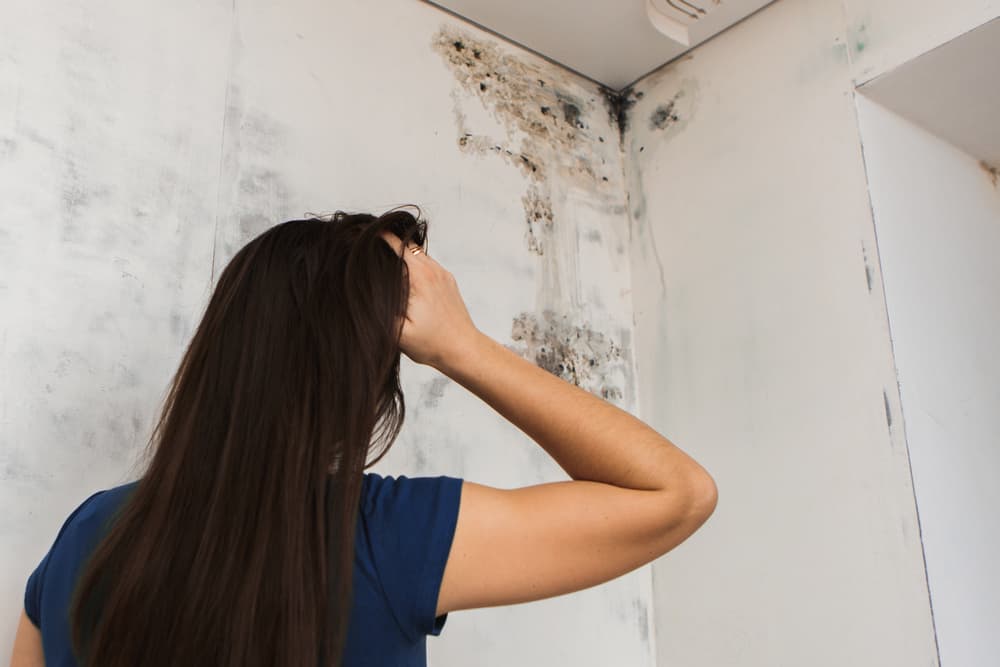
The inspection starts with air testing airborne spore samples collected from inside the home and compared against outdoor control samples. This is the component that tells you whether the air your family is breathing is within normal range or elevated, which is especially relevant in Water Mill where ambient coastal humidity can drive spore levels up even without a visible mold source.
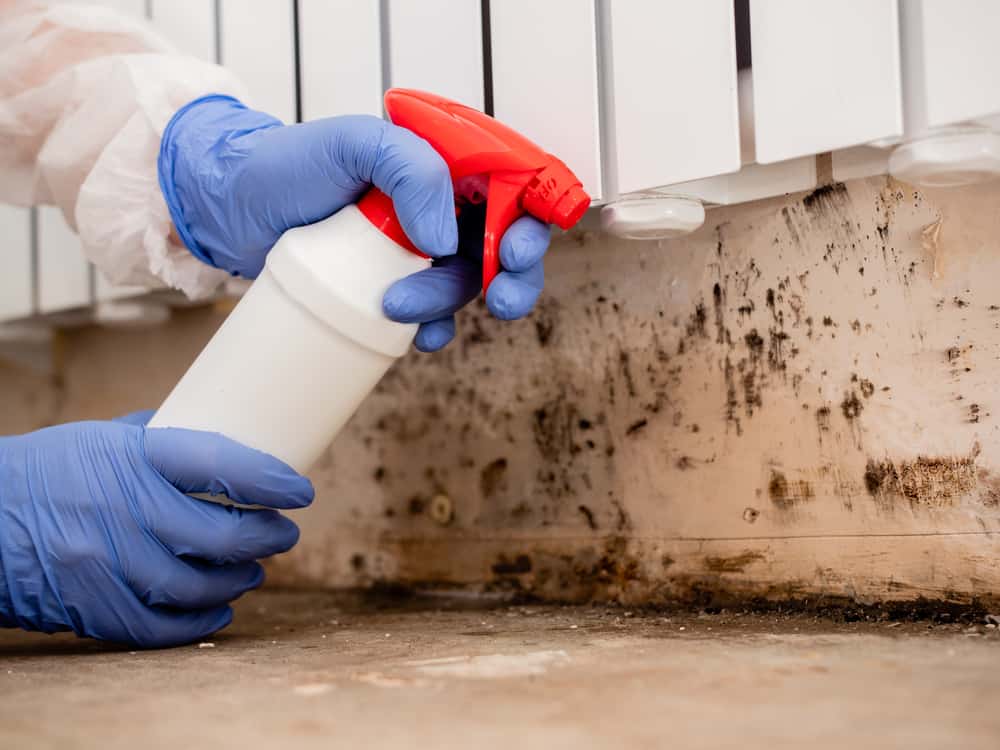
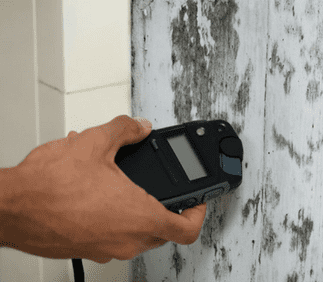
From there, the process moves to swab sampling of any visible surface mold, a dedicated water intrusion assessment to identify where moisture is entering the structure, and direct moisture level measurements throughout the property. For homes near Mecox Bay or the Mill Pond area, this step frequently turns up elevated readings in crawl spaces and lower-level spaces that look completely dry to the eye. Infrared thermal imaging is also part of the process it detects temperature differentials caused by moisture behind walls, beneath flooring, and inside ceilings, without opening anything up. That’s particularly important in Water Mill’s older historic homes, where you’re not going to cut into original plaster or 19th-century woodwork unless you have a real reason to.
Everything collected goes to a certified, accredited laboratory. When the results come back, you get a complete written report: mold species identified, spore counts, moisture sources documented, photographs of all findings, and specific recommended next steps written in plain language. If remediation is needed, the same licensed team handles it no handoff, no second contractor to coordinate.
New York State requires a Town of Southampton building permit for any remediation work that involves structural alterations, so if it comes to that, we manage the process within those requirements from the start.
Ready to get started?
Black Mold Testing and Indoor Air Quality, Water Mill NY
The mold inspection in Water Mill, NY covers five documented components: air testing, surface swab sampling, water intrusion inspection, moisture level measurement, and photographic documentation of all findings. Beyond those five, the inspection includes infrared thermal imaging for hidden moisture detection, an internal-to-external air quality comparison, and a full damage assessment with written remediation recommendations. This is what a professional mold inspection looks like not a walkthrough with a flashlight.
Black mold testing in Water Mill, NY is part of the same process. If Stachybotrys chartarum or any other species of concern shows up in the lab results, it’s identified specifically, not lumped into a general finding. That level of detail matters when you’re dealing with a property transaction, an insurance claim, or a health concern all of which come up regularly in this market.
For Water Mill homeowners managing large estate properties, attic mold inspection and basement mold inspection are two of the most commonly overlooked areas. Attic spaces in older homes with inadequate ventilation and below-grade spaces in bay-adjacent properties are where mold tends to establish quietly and grow significantly before anyone notices. The inspection accounts for both. And because we’re licensed for both mold assessment and mold remediation in New York State, if the findings require action, you’re not starting over with a new company the same team moves forward.
Can mold really grow in a Water Mill home that's been closed all winter?
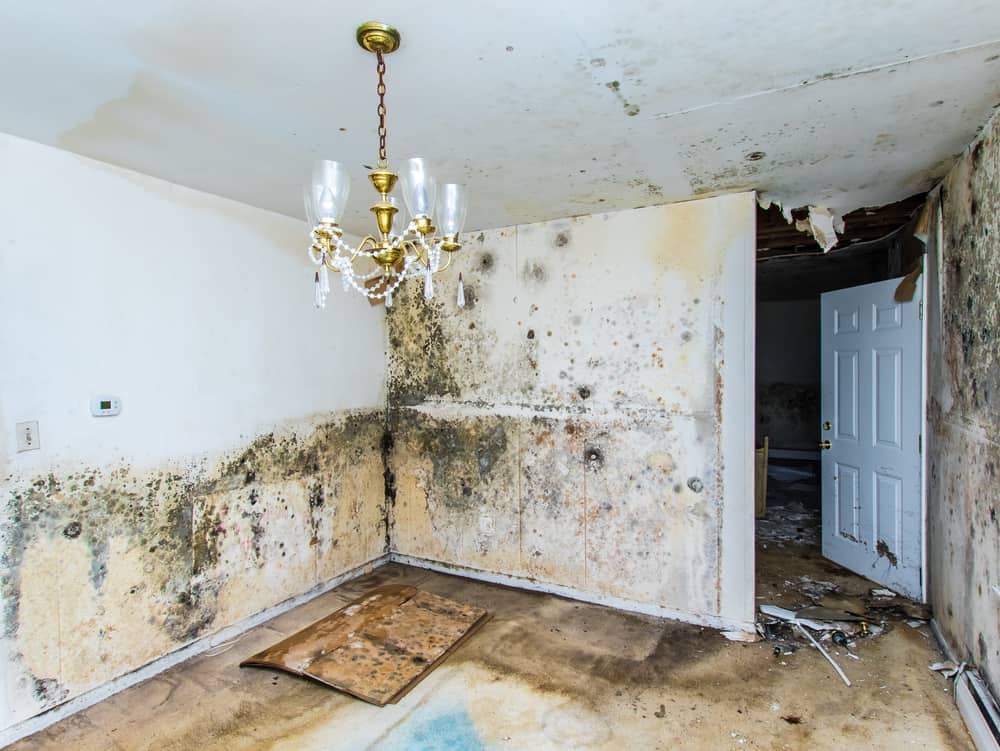
Yes and it’s one of the most common scenarios we see on the South Fork. When a property in Water Mill is closed up from October through May with minimal heating, sealed windows, and no active ventilation, the conditions inside can change significantly from what you left behind. Residual summer humidity gets trapped. A slow drip from a pipe fitting, a failed sump pump, or condensation buildup on cold surfaces can introduce moisture that has months to spread before anyone notices. By the time you return in spring, what could have been a straightforward remediation job has often become a much larger problem behind walls, under flooring, or in the HVAC system.
The seasonal vacancy pattern in Water Mill is genuinely different from most Long Island communities. A very large share of the housing stock functions as second homes, and that extended off-season creates a window of exposure that year-round properties simply don’t face. A professional mold inspection at the start of each season before the house is fully occupied is the most practical way to catch anything that developed while the property was unattended.
How much does a professional mold inspection in Water Mill, NY typically cost?
A professional mold inspection generally runs between $300 and $1,000 depending on the size of the property, the scope of sampling required, and whether specialized testing like infrared thermal imaging is involved. For larger estate properties in Water Mill many of which include guest cottages, pool houses, finished basements, and complex HVAC systems the inspection scope is typically broader than a standard single-family home, and the cost reflects that.
In a market where median home values approach $2 million and individual transactions routinely exceed $5 million, the cost of a thorough mold inspection is a very small number relative to what’s at stake. A missed mold problem can reduce a property’s value by 20 to 37 percent according to industry data, and a failed real estate transaction in this market costs far more than any inspection fee. The more useful question isn’t what the inspection costs it’s what it costs you to skip it.
What's the difference between mold inspection and mold remediation in New York State?
Mold inspection also called mold assessment is the process of identifying whether mold is present, where it’s located, what species it is, and what’s causing it. Mold remediation is the process of physically removing it and correcting the conditions that allowed it to grow. In New York State, these are treated as two separate licensed activities under the law that took effect January 1, 2016. A company performing mold assessment must hold a NY Department of Labor Mold Assessor license. A company performing remediation must hold a separate Mold Remediator license. These are not the same credential, and not every company holds both.
This distinction matters practically because New York law also requires that the assessment and the remediation be performed by separate entities meaning the company that writes your inspection report cannot be the same company that performs the remediation, unless both licenses are held independently. We hold both the Mold Assessor and Mold Remediator licenses, which allows the same team to handle your inspection and your remediation legally and without the coordination gap that comes from managing two separate contractors.
Do waterfront properties near Mecox Bay face higher mold risk than other homes in Water Mill?
In general, yes. Properties along Mecox Bay, the Mill Pond corridor, and the Flying Point Beach area face a combination of conditions that elevate baseline mold risk: higher groundwater levels, tidal water proximity, salt air exposure, and coastal humidity that stays elevated well into the fall. Salt air in particular accelerates the deterioration of building materials caulking, siding joints, window seals creating the small entry points where moisture gets into wall cavities and below-grade spaces quietly, without any obvious leak or water event.
Below-grade spaces in these Water Mill areas basements, crawl spaces, and lower-level mechanical rooms frequently show elevated moisture readings even when they appear dry to the eye. That’s exactly why moisture measurement and infrared thermal imaging are part of the inspection process, not optional add-ons. If you’re on a bay-adjacent lot or south of the highway near the water, a basement mold inspection in Water Mill, NY is worth doing on a regular schedule, not just when something looks wrong.
Should I get a mold inspection before buying a home in Water Mill, NY?
Strongly recommended and in this market, it’s increasingly standard practice. When you’re committing $2 million, $5 million, or more to a property, discovering undisclosed mold after closing is not a minor inconvenience. It’s a significant financial and potentially legal event. Studies show that 50 percent of buyers back out of a deal when they learn a property has had a mold problem, and home values can drop 20 to 37 percent when mold is a known issue. A pre-purchase mold inspection gives you independent, lab-verified findings before you sign not after.
In Water Mill specifically, the combination of older historic building stock, seasonal vacancy history, and coastal moisture exposure means that mold risk in any given property is higher than in a typical suburban home. Many of the hamlet’s most prized properties are historic structures that predate modern vapor barriers and moisture management. A thorough pre-purchase mold inspection including air testing, surface sampling, and infrared thermal imaging is the only way to know what’s actually inside the walls before the transaction closes.
How do I know if a mold inspector in Water Mill is actually licensed in New York State?
New York State maintains a publicly searchable database of licensed mold assessors and mold remediators through the NY Department of Labor. You can search any company or individual by name to verify their current license status before you hire them. This takes about two minutes and is worth doing because since the licensing law took effect in 2016, operating without these credentials in New York is illegal, and unlicensed work creates real liability exposure for the homeowner, not just the contractor.
In a market like Water Mill, where property values are extraordinary and the documentation from your mold inspection may end up in front of an attorney, an insurance adjuster, or a real estate agent, working with an unlicensed inspector isn’t just a quality risk it’s a legal one. The report produced by an unlicensed assessor has no standing under New York State law. We hold both the NY DOL Mold Assessor license and the Mold Remediator license, and both are verifiable through the state’s online tool. If any company you’re considering can’t point you to their license on record, that’s your answer.
Useful Links
Other Services we provide in Water Mill