
Hear from Our Customers
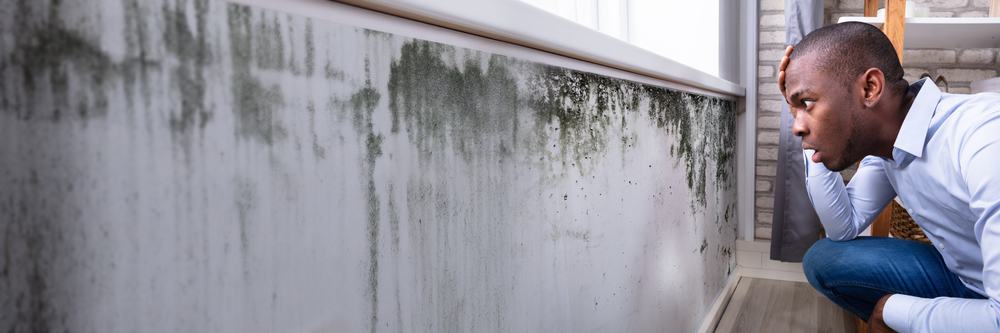
Most West Islip homeowners don’t find mold because they went looking for it. They find it after a musty smell in the basement that won’t go away, a child’s asthma that keeps getting worse, or a contractor who opened a wall during a renovation and stopped cold. By that point, the mold has usually been growing for a while — quietly, behind surfaces, in places a visual check would never reach.
West Islip’s geography makes this more common here than in communities further inland. The Great South Bay and the canal network running through the southern neighborhoods create a baseline humidity level that doesn’t let up. Add a housing stock where the median build year is 1960 — Cape Cods, ranch homes, and hi-ranches with original plumbing, original insulation, and ventilation systems that were never designed with moisture control in mind — and you have the conditions mold needs to establish itself and spread.
After a proper mold inspection, you know exactly what you’re dealing with. Not a guess, not a visual estimate — lab-verified results, a written report in plain language, and a clear picture of what needs to happen next. Whether it’s a clean bill of health before a sale, documentation for an insurance claim after storm flooding, or a starting point for remediation, the inspection gives you real information to act on. That’s what changes the situation.
We’ve been operating on Long Island since 1994, headquartered in West Babylon — directly adjacent to West Islip. That proximity isn’t incidental. Our team has been responding to mold calls in South Shore homes through every coastal storm, every hard winter, and every spring that follows one for over three decades.
Our owner holds New York State licenses in both mold assessment and mold remediation — two separate licenses that New York law has required since 2016, and that not every company in the local search results actually carries. Every technician on our team holds IICRC certification. That’s not a policy that applies only to the owner while someone else does the work — it applies to every person who walks into your home.
If you’re near the Heckscher State Parkway corridor, on one of the canals off the bay, or in one of the older neighborhoods north of Montauk Highway in West Islip, we’ve been in homes like yours. We know what we’re looking at.
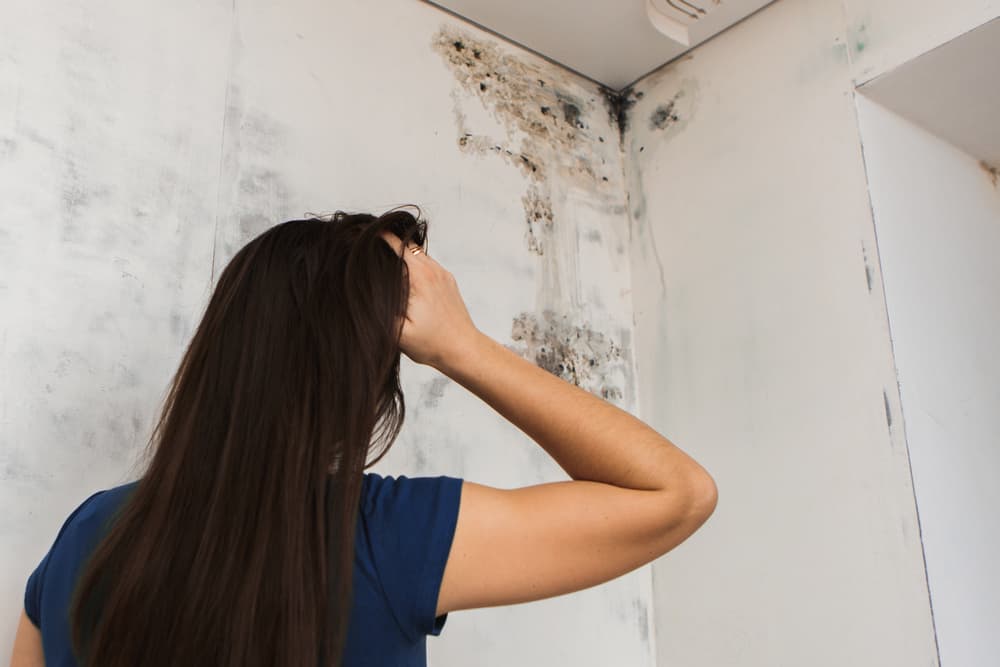
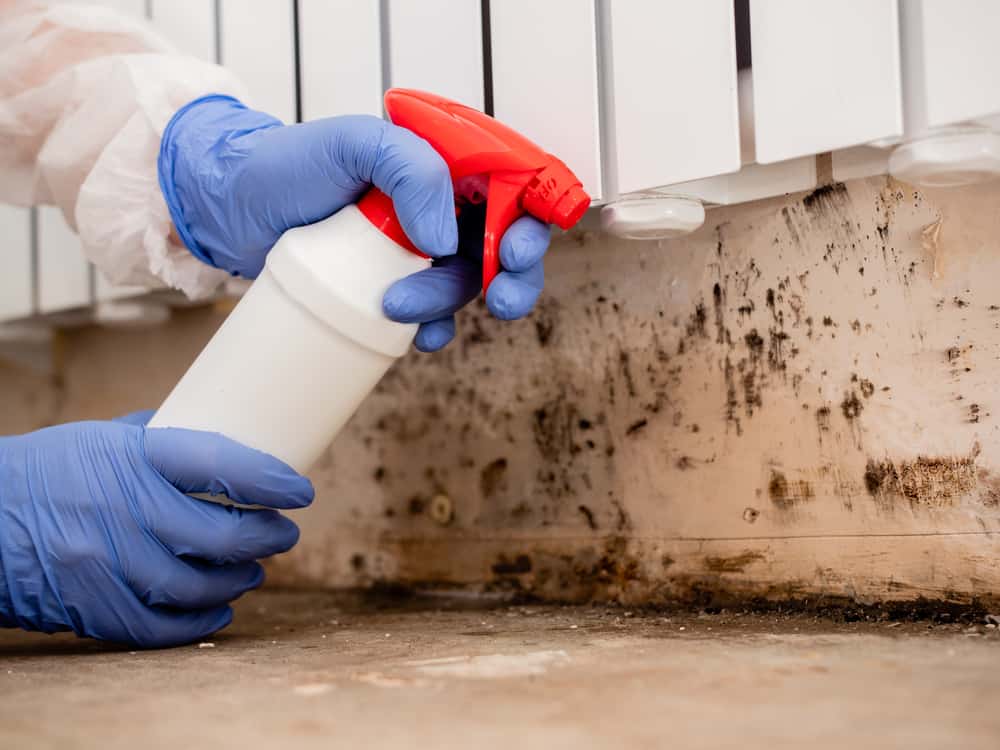
The inspection starts with airborne spore sampling — air is collected and sent to a certified lab, where indoor spore counts are compared against outdoor baseline levels. That comparison is what tells you whether what’s in your home is elevated and potentially harmful, or within a normal range. Surface swab samples are taken from any visible mold growth to identify the specific species present. This matters because the type of mold affects the remediation approach.
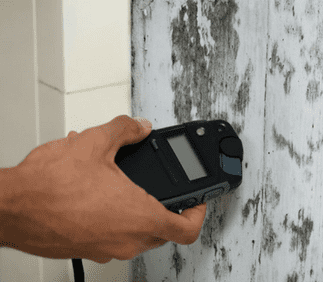
From there, the process moves into moisture detection. Calibrated meters measure moisture levels in walls, floors, and ceilings. Infrared thermal imaging goes further — it identifies temperature differentials that indicate hidden moisture behind surfaces, in wall cavities, and under flooring that would be completely invisible to a standard walkthrough. In a 1950s Cape Cod or ranch home in West Islip, where original plumbing may have been developing a slow leak inside a wall for years, this step is often where the real problem gets found.
Everything is photographed and documented. When the lab results come back, you receive a written report that explains what was found, where it was found, what the spore counts mean, and what the recommended next steps are — written so you can actually understand it, not so it sounds technical. New York State law requires that mold assessments and any subsequent remediation be handled by separately licensed professionals, and we hold both licenses — so if the inspection finds something that needs to be addressed, there’s no gap in the process.
Ready to get started?
Our mold inspection service covers five documented steps: air testing, surface swab sampling, water intrusion inspection, moisture level measurement, and full photographic documentation of every mold source identified. Infrared thermal imaging is included — not an add-on — because in West Islip’s older housing stock, the mold that matters most is usually the mold you can’t see yet.
Lab analysis is handled by a certified, accredited laboratory. The written report you receive at the end is a legally defensible document — the kind that holds up in an insurance claim, a real estate disclosure, or a conversation with a buyer’s attorney. With median home values around $725,000 in West Islip and waterfront properties reaching significantly higher, having that documentation in hand isn’t a formality. It’s protection.
What sets our service apart from inspection-only providers is what happens if the inspection finds something. We’re licensed for mold remediation in addition to mold assessment — two distinct New York State licenses under Article 32 of the Labor Law. If remediation is needed and structural materials are affected, we handle reconstruction as well. You’re not left coordinating between three separate contractors during an already stressful situation. The inspection, the remediation, and the rebuild can all go through one licensed, insured team that already knows your home.
For most single-family homes in West Islip, a professional mold inspection runs between $300 and $700, depending on the size of the property and the scope of testing needed. Homes with larger square footage, finished basements, or multiple areas of suspected mold growth may fall toward the higher end of that range. Waterfront properties with canal access or homes that have experienced flooding may require more extensive moisture mapping, which can affect the overall cost.
It’s worth putting that number in context. West Islip’s median home value sits around $725,000. Mold remediation — once a problem is established and has spread — typically costs between $1,150 and $20,000 or more, depending on how far it’s gotten. And documented mold issues can reduce a home’s value by 20 to 37 percent. A $300–$700 inspection is a rational investment at any point — before a sale, after a storm, or when something just doesn’t smell right in the basement.
The most common sign is a persistent musty smell — especially in basements, crawl spaces, or attics — that doesn’t go away no matter how much you ventilate. In West Islip’s post-war housing stock, where most homes were built in the 1950s and 1960s, that smell is often coming from inside wall cavities or beneath original flooring, not from a surface you can see and wipe down.
Other signs include visible dark staining on drywall, ceiling tiles, or wood framing — particularly in bathrooms, around windows, or near the roofline where ice dam damage may have let water in over the years. Peeling paint or wallpaper, warped baseboards, and rust staining around pipes are also indicators that moisture has been present long enough to cause a problem. If someone in the household has unexplained respiratory symptoms, chronic sinus issues, or worsening asthma with no clear medical cause, that’s worth taking seriously as a potential environmental trigger — especially in a home close to the bay where ambient humidity is consistently elevated.
Yes, meaningfully so. West Islip sits directly on the Great South Bay, with a canal network extending through the southern residential neighborhoods. That geography creates a persistently elevated ambient humidity level that inland Suffolk County communities simply don’t experience at the same intensity. Moisture in the air doesn’t have to come from a flood or a burst pipe — it can accumulate gradually in wall cavities, attic insulation, and crawl spaces just from the baseline conditions of living on the South Shore.
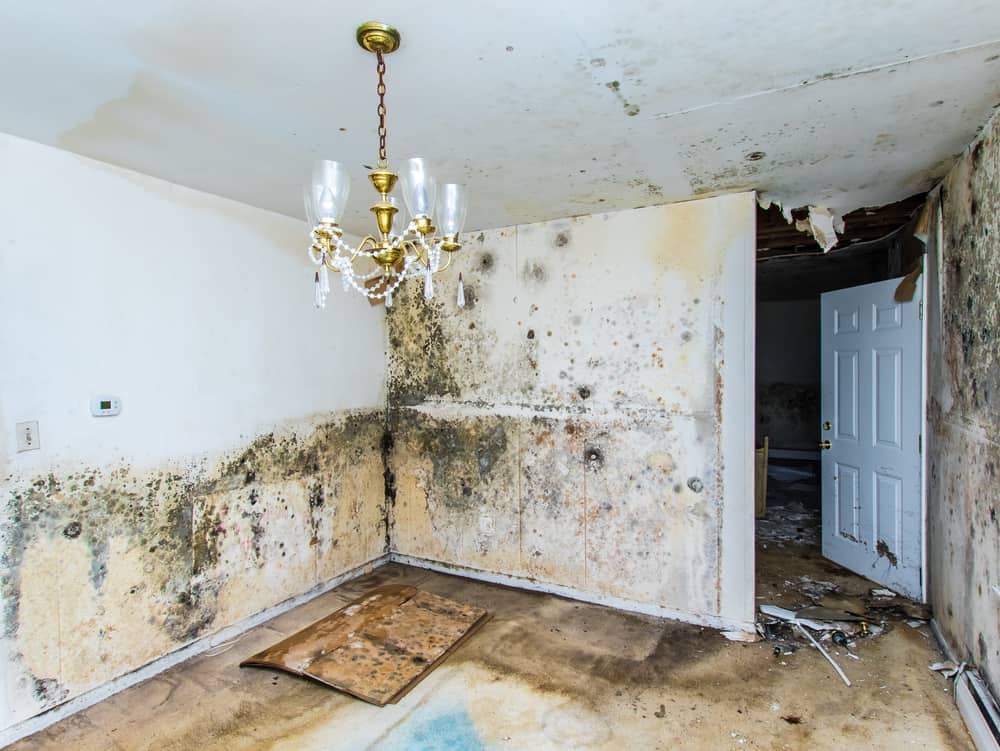
Coastal storm exposure compounds this. West Islip falls within the storm surge zone for major South Shore weather events, and nor’easters, tropical storms, and even heavy summer rain events regularly push water into basements and crawl spaces in the southern neighborhoods. Homes that experienced flooding during Hurricane Sandy in 2012 — or during any of the storms since — may have residual mold in areas that were never fully dried or inspected after the event. If your home flooded and you didn’t have a professional mold assessment done afterward, it’s worth having one done now.
New York State does not legally require a mold inspection as a condition of selling a home, but the practical reality in West Islip’s market is that buyers — especially at the price points common here — are increasingly expecting it. Buyers’ agents representing clients on $700,000 to $5 million homes routinely recommend independent mold assessments as part of due diligence, and sellers who proactively disclose and address mold issues are in a significantly stronger negotiating position than those who don’t.
New York State does have a disclosure law that requires sellers to disclose known material defects, which can include mold. If mold is discovered during a buyer’s inspection and you weren’t aware of it, the transaction can still be complicated. Having a professional mold inspection done before listing — and a clean report or a completed remediation to show for it — removes that uncertainty entirely. It also gives you documentation that holds up if a buyer’s attorney asks questions. For West Islip homeowners with significant equity at stake, it’s a straightforward step that protects the sale.
Mold testing typically refers to the laboratory analysis component — collecting air or surface samples and sending them to a certified lab to identify mold species and measure spore concentrations. Mold inspection is the broader process that testing is part of: a physical assessment of the property that includes moisture measurement, water intrusion evaluation, infrared thermal imaging, and documentation of mold sources, in addition to the sample collection itself.
The distinction matters because testing alone — without the inspection process around it — can give you incomplete information. You might get a lab result showing elevated spore counts without knowing where the mold is coming from or how far it’s spread. A full mold inspection gives you the source, the extent, the documentation, and the context to make a decision. In West Islip, where homes often have hidden moisture issues behind aging walls and beneath original flooring, skipping the inspection and going straight to a test kit is a bit like checking your blood pressure without asking why it’s elevated.
In New York State, mold assessment and mold remediation are governed by separate licenses under Article 32 of the New York State Labor Law — a framework that’s been in effect since January 1, 2016. A company can legally hold both licenses, and we do. What the law prohibits is the same individual performing both the assessment and the remediation on the same project, which is designed to prevent a conflict of interest where the inspector has a financial incentive to find problems.
In practice, this means that when we conduct your mold inspection in West Islip, the assessment is handled independently — the findings are what they are, documented and lab-verified. If remediation is needed, we’re licensed to perform it, and if structural materials need to be replaced after remediation, we handle that too. For West Islip homeowners dealing with post-storm damage or a discovery during a renovation, having one accountable team carry the project from inspection through completion is a real advantage. You’re not starting over with a new contractor at every phase.
Useful Links
Other Services we provide in West Islip