
Mold Inspection in Westhampton, NY
Coastal Homes Hide Mold. Westhampton's Humidity Makes It Worse.
Hear from Our Customers
Mold Assessment Services in Westhampton
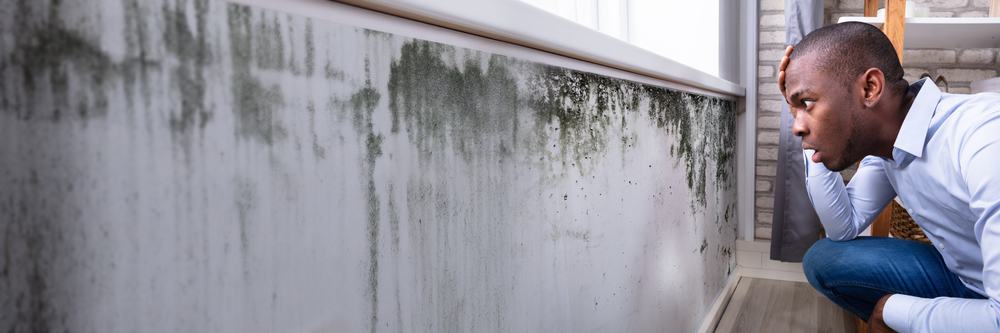
Most Westhampton homeowners don’t find mold during a routine walkthrough. They find it after a musty smell shows up in spring, after a nor’easter pushes water into the basement, or after a buyer’s attorney flags something during a real estate transaction. By then, the problem has usually been growing for months. A professional mold inspection gives you a documented, lab-verified answer not a guess so you know exactly what you’re dealing with and what to do next.
When your home sits on the western edge of the Hamptons with Moriches Bay moisture in the air year-round, the baseline humidity alone puts your walls, attic, and crawl space under constant pressure. Salt air degrades caulking and weatherstripping seals over time, and once moisture finds a way in, mold can start growing within 24 to 48 hours. If your property spends any part of the year unoccupied even a few months in the off-season you could be reopening a home that’s been quietly developing a mold problem since October.
For a home valued at over a million dollars, which is the median in Westhampton, a mold issue can reduce that value by 20 to 37 percent. That’s a six-figure loss. A thorough inspection, with accredited lab results and a written report you can actually use, is the most straightforward way to protect what you’ve built here.
Licensed Mold Inspection Company in Westhampton, NY
We’ve been serving Long Island homeowners for over 31 years longer than most of the other mold inspection companies you’ll find in a search. That’s not a sales line. It’s a track record built one job at a time in a market where reputation travels fast and bad work follows a company for years.
Every technician on our team carries IICRC certification not just the owner, not just a supervisor. We also hold both a New York State Mold Assessor License and a Mold Remediator License, both issued by the NY Department of Labor and fully verifiable through the state’s public licensing portal. Since January 1, 2016, those licenses have been legally required for any company conducting mold assessments or remediation in New York. You can check. You should.
From Apaucuck Point to the neighborhoods along Montauk Highway, we’ve worked in the coastal Westhampton environment long enough to know exactly what bay-side humidity, seasonal closures, and post-storm moisture do to homes like yours. That familiarity matters when you’re trusting someone to tell you the truth about what’s inside your walls.
Residential Mold Inspection Process in Westhampton
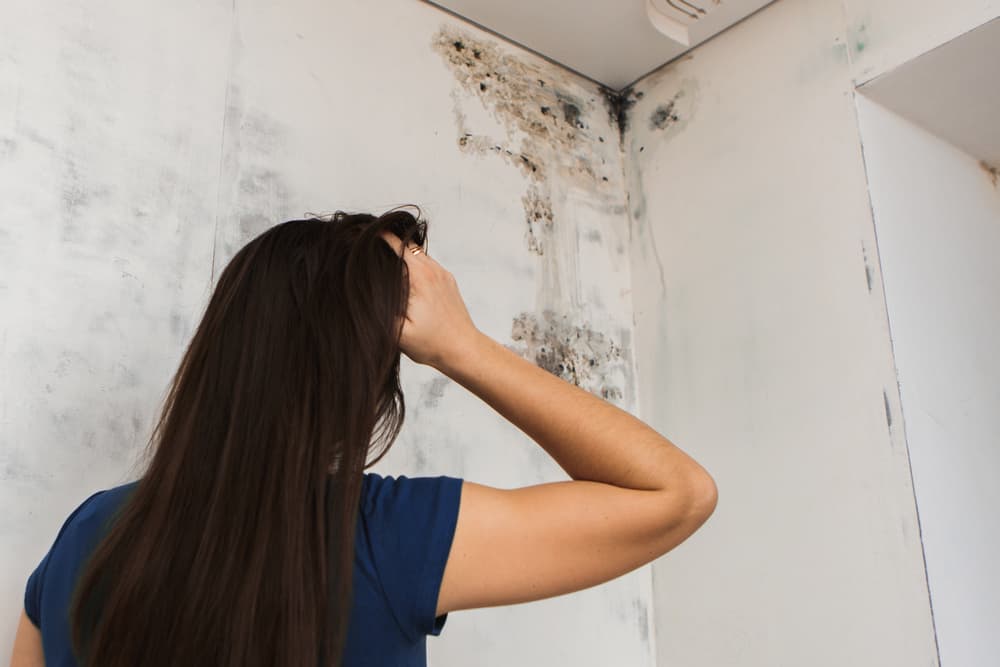
The inspection starts with airborne spore sampling air is collected from inside your home and compared against outdoor baseline counts. That comparison matters because coastal communities like Westhampton naturally carry higher ambient mold spore levels outdoors, so the indoor-to-outdoor ratio tells a more accurate story than raw numbers alone. Surface swab samples are collected from any visible mold growth and sent to an accredited laboratory for analysis. You get objective results, not someone’s best estimate.
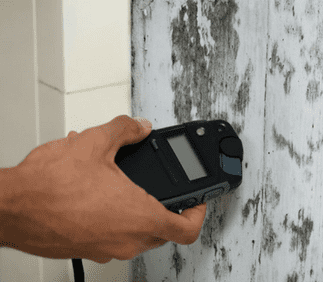
From there, we conduct a full water intrusion inspection to identify where moisture is entering the structure, followed by calibrated moisture meter readings throughout your home. This is where most inspections stop. We also use infrared thermal imaging to detect moisture and mold activity hidden behind walls, beneath floors, and inside ceilings without opening anything up. In a coastal home that’s been through a nor’easter or a winter freeze, that hidden layer is often where the real problem lives.
Everything is documented with photographs and compiled into a comprehensive written report. That report includes your lab results, identified moisture sources, and specific remediation recommendations in plain language. It’s the kind of documentation that holds up in a real estate transaction, an insurance claim, or a conversation with a contractor. New York State law requires that any mold assessment or remediation in Westhampton be conducted by a licensed professional and every step of this process is performed in full compliance with those requirements.
Ready to get started?
Mold Detection Services for Westhampton, NY Homes
Most mold inspection companies hand you a report and leave. If the results come back positive, you’re on your own to find a licensed remediator, coordinate the work, and figure out what your insurance will and won’t cover. We handle all of it. The same company that finds the mold can remove it and if the damage has reached your drywall, insulation, or framing, we can rebuild that too. For Westhampton homeowners who don’t live here full-time, that single point of contact is a significant practical difference.
Our inspection service covers residential properties of all sizes, from year-round primary homes to seasonal properties along the bay side that have been closed for months. It also extends to commercial properties including the business and institutional properties near Francis S. Gabreski Airport and along the Montauk Highway corridor. Whether you’re dealing with a musty smell in a basement that flooded after a storm, a real estate buyer requesting an independent mold assessment before closing, or a rental property you need cleared before the summer season, the inspection process is the same: thorough, documented, and lab-verified.
We also serve as your insurance liaison from the first call through project completion. Storm-related mold events in Westhampton are often insurance matters, and the documentation required by adjusters is built into the inspection report from the start. You don’t have to learn how insurance claims work to get your home back to a safe condition.
What does a mold inspection in Westhampton, NY actually include?
A professional mold inspection in Westhampton goes well beyond a visual check. The process includes airborne spore sampling, surface swab collection from any visible mold, a full water intrusion inspection, calibrated moisture meter readings throughout your home, and photographic documentation of every mold source identified. All samples are sent to an accredited laboratory not processed in-house so the results are objective and legally defensible.
What separates a thorough inspection from a basic one is what happens when mold isn’t visible. In coastal homes along the South Shore of Long Island, moisture commonly enters through degraded caulking, storm-damaged flashing, or ice dam meltwater in the attic and it stays hidden inside wall cavities for months. We use infrared thermal imaging to detect that hidden moisture and mold activity without opening up the structure. The final deliverable is a written report in plain language that covers lab results, moisture sources, and specific next steps something you can actually use, whether you’re dealing with an insurance claim, a real estate transaction, or a remediation contractor.
How much does a mold inspection typically cost in Westhampton, NY?
Professional mold inspections generally range from around $300 to $1,000 or more depending on the size of the property and the scope of the assessment. Larger homes or properties requiring multiple sampling locations, attic access, or crawl space inspection will typically fall toward the higher end of that range. For a straightforward single-family home, most inspections land somewhere in the middle of that window.
In Westhampton, where the median home value exceeds one million dollars, the cost of a professional inspection is a small fraction of what a missed mold problem can cost you. A mold issue that reduces a home’s value by even 20 percent on a $1.2 million property is a $240,000 problem. Real estate buyers in this market are represented by attorneys who take mold seriously, and a clean, documented inspection report from a licensed assessor carries real weight in a transaction. The inspection pays for itself many times over either by confirming your home is clear or by catching a problem before it becomes a far more expensive one.
Can coastal humidity in Westhampton actually cause mold inside my home?
Yes, and it’s more common in Westhampton than in inland Suffolk County communities. The hamlet sits within the Moriches Bay coastal zone, where ambient outdoor humidity is consistently higher than what you’d find even a few miles inland. When that outdoor humidity is elevated and your home isn’t properly ventilated or your building envelope has any compromised seals which salt air accelerates over time moisture migrates into wall cavities, attic insulation, and crawl spaces. Mold begins growing when indoor humidity exceeds 60 percent, and in a coastal home during summer months, that threshold is easier to cross than most people expect.
The wildlife preserve adjacent to Westhampton, which includes bogs and wetland areas, adds another layer of ambient moisture pressure for properties near its edges. Homes along the bay side particularly around Apaucuck Point and Sea Breeze Avenue face the most direct exposure. If your home is more than a few years old and hasn’t had a professional indoor air quality assessment for mold, the coastal environment alone is a reasonable reason to schedule one.
Do I need a mold inspection before buying a house in Westhampton?
In most real estate markets, a mold inspection is optional. In Westhampton, it’s something experienced buyers’ attorneys routinely recommend as a standard part of due diligence and for good reason. You’re looking at properties where the purchase price regularly exceeds $1 million, and a mold history can reduce that value by 20 to 37 percent even after remediation. Under New York State law, a known mold problem must be disclosed to prospective buyers. But mold that hasn’t been discovered yet doesn’t trigger that disclosure requirement which means a pre-purchase inspection is the buyer’s best protection.
Many of the homes on the market in Westhampton were built in the 1960s through 1990s and carry decades of potential moisture history. Older homes in coastal communities develop compromised flashing, aging crawl space vapor barriers, and attic ventilation issues that quietly allow moisture to accumulate over years. A mold inspection before you close gives you an objective, lab-verified picture of the home’s condition and if something is found, it gives you a documented basis to negotiate repairs or remediation before the transaction is complete.
What happens to mold in a Westhampton seasonal property left closed over winter?
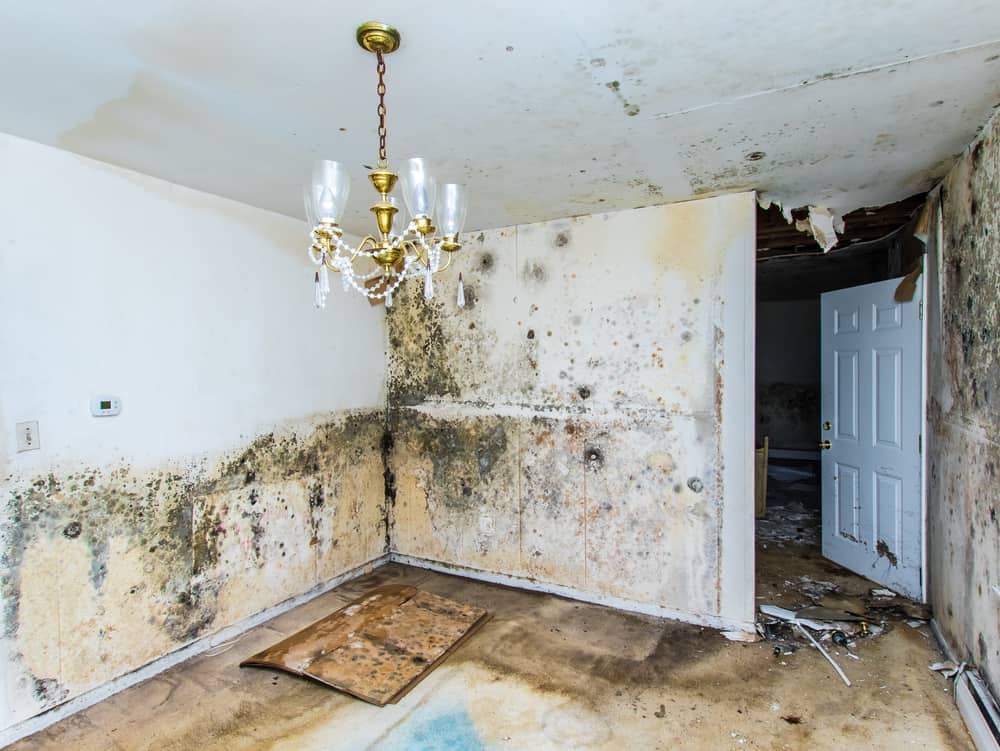
A lot, and most of it goes unnoticed until the home is reopened in spring. When a property is closed for the off-season typically from October through April the HVAC system is off, there’s no active dehumidification, and no one is present to catch a slow roof leak, a plumbing failure, or moisture seeping in after a nor’easter. Six months of unmonitored moisture accumulation in a closed coastal home is close to ideal conditions for mold growth. By the time you open the door in May, the mold may have been active for months behind the walls, under the floors, or in the attic insulation.
The most common sign is a musty smell when you first walk in but that smell doesn’t tell you where the mold is, how extensive it is, or what type it is. A professional mold inspection at the start of the season, before you move back in or before summer guests arrive, gives you a clear answer. If the inspection finds a problem, you have time to address it before the season is underway. If it comes back clean, you have documented confirmation that the property is safe something that matters if you’re renting the property or if a sale comes up later in the year.
What's the difference between a home inspection and a mold inspection in New York?
A home inspection and a mold inspection are two separate services performed by two different types of licensed professionals in New York State. A licensed home inspector evaluates the overall condition of a property structure, roof, electrical, plumbing, HVAC and may note visible signs of moisture or potential mold during that walkthrough. But a home inspector is not licensed to conduct mold sampling, collect air or surface samples, or provide a mold assessment report. That work requires a New York State Mold Assessor License, which has been a legal requirement since January 1, 2016.
A mold inspection goes deeper than anything a home inspection covers on this specific issue. It includes airborne spore sampling, accredited laboratory analysis, moisture meter readings, water intrusion identification, and infrared thermal imaging to detect hidden mold and moisture. The written report produced at the end is a different document entirely one that identifies mold types, spore counts, moisture sources, and specific remediation steps. In Westhampton’s real estate market, where transactions regularly involve experienced attorneys on both sides, having a licensed mold assessor’s report in addition to a standard home inspection is increasingly the standard not the exception.
Useful Links
Other Services we provide in Westhampton