
Mold Inspection in Woodmere, NY
Woodmere's Older Homes Hide Mold Better Than You Think

Hear from Our Customers
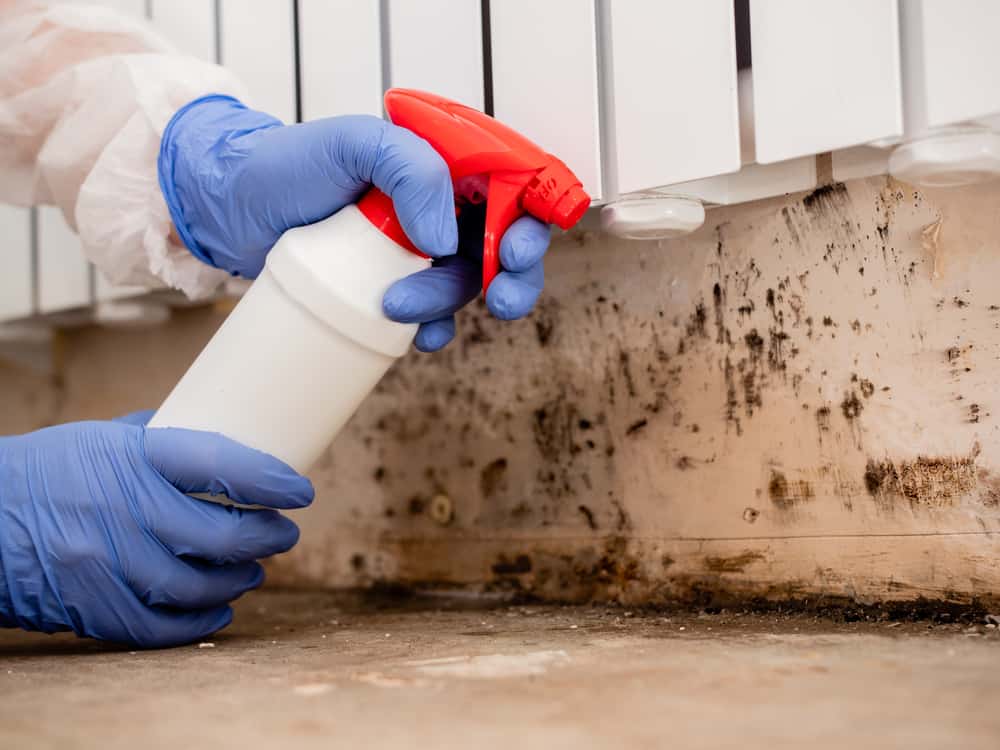
Mold Testing Services in Woodmere
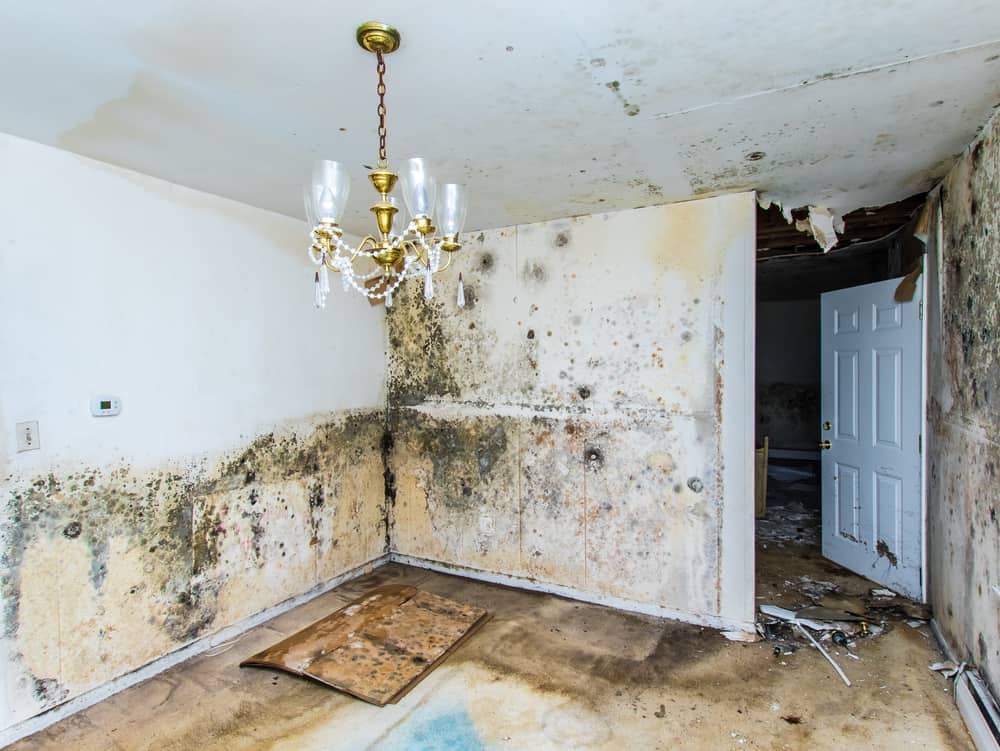
Most mold problems in Woodmere don’t start with a visible patch on the wall. They start with a slow pipe leak inside a plaster wall, a basement that took on water during a storm, or an HVAC system quietly cycling moisture through a home that was built in 1955. By the time you smell something or see discoloration, the problem has usually been growing for weeks sometimes months.
That matters more in Woodmere than people realize. The median home here is over 65 years old, and a significant portion of the housing stock was built before modern vapor barriers and moisture controls even existed. Older construction absorbs and holds moisture in ways that newer builds simply don’t. Add the coastal humidity that comes with being a few miles from the Atlantic and Jamaica Bay, and you’ve got a baseline environment that makes mold growth easier and faster than it would be inland.
A thorough mold inspection in Woodmere gives you actual answers not guesses. You’ll know whether the air quality in your home is elevated above outdoor baseline levels, where moisture is entering or accumulating, and what steps, if any, need to be taken. Whether you’re protecting your family’s health, preparing to close on a home on the Tree Streets, or dealing with the aftermath of a storm, that information is what lets you move forward with confidence.
Licensed Mold Assessor Serving Nassau County
We’ve been working in Long Island homes since the early 1990s. That’s three decades of mold inspections, water damage assessments, and full restorations across Nassau and Suffolk County including Woodmere and the surrounding South Shore communities that share the coastal humidity, aging construction, and storm flooding history that defines this area.
Our owner, Richard Peterson, is personally licensed by the New York State Department of Labor as both a mold assessor and a mold remediator the two credentials required under Article 32 of the NY Labor Law. Every technician on our team is IICRC-certified, which means the person who shows up at your door holds the same professional standard as the person who runs the company.
We’re fully licensed, bonded, and insured, and we maintain a dedicated Nassau County line at 516-698-1776. When you’re dealing with a home worth close to or over a million dollars which describes most of Woodmere that level of accountability isn’t optional.
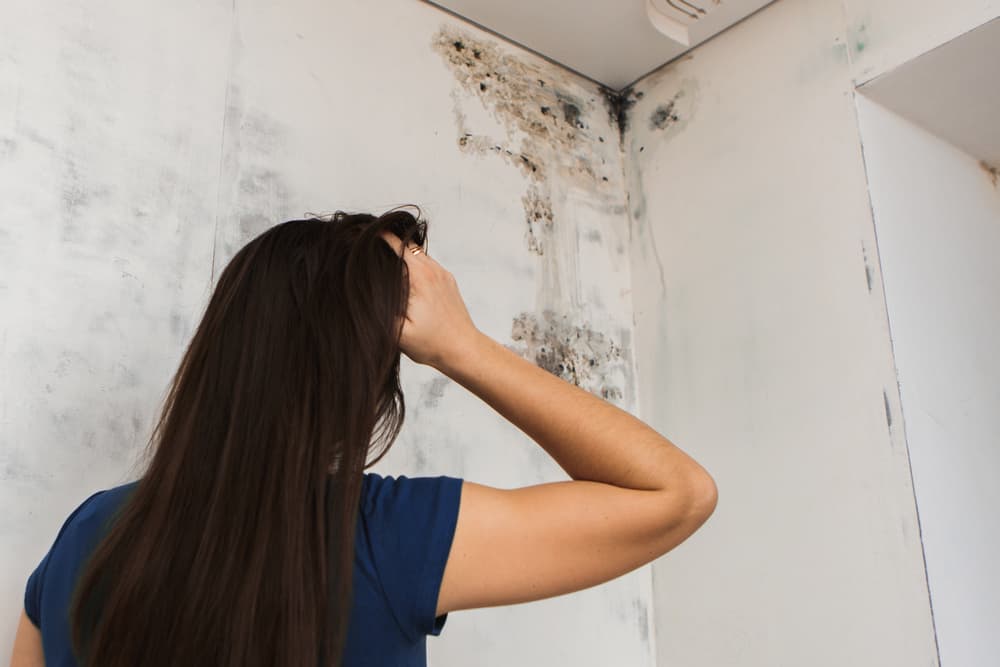
Mold Detection Process in Woodmere, NY
When one of our technicians arrives at your Woodmere home, the inspection starts with a full walkthrough not just the areas you’re concerned about, but the spaces that tend to hide problems in homes of this age and construction type. Basements, crawlspaces, attic cavities, and the areas around older plumbing and HVAC systems all get attention before a single sample is collected.
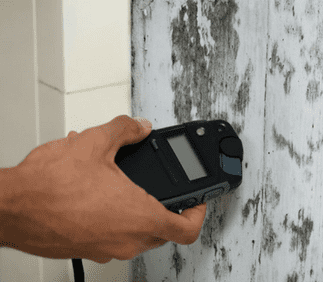
From there, the process covers five specific areas: air testing, surface swab sampling, water intrusion inspection, moisture level measurement, and infrared technology scanning. The infrared component is especially relevant in Woodmere, where plaster walls and older insulation can conceal moisture and mold growth that has no visible surface sign. A temperature differential behind a wall doesn’t lie and it’s something a visual-only inspection will miss entirely.
Every sample goes to a certified laboratory. You receive a written report with actual lab results mold species, spore concentration levels, and a comparison of indoor versus outdoor air particle counts that tells you whether your home’s air quality is genuinely elevated. That report is formatted to support insurance claims, real estate transactions, and any remediation work that follows. New York State requires mold assessors to be licensed under Article 32, and that licensing requirement shapes exactly how this documentation is produced and what it needs to include to hold up.
Ready to get started?
Residential Mold Inspection Services in Woodmere
A mold inspection in Woodmere from First Response is not a walk-through with a flashlight. The inspection covers air quality testing, surface sampling, moisture measurement, water intrusion assessment, and infrared scanning all in a single visit. The infrared technology is particularly valuable in a community where a large percentage of homes still have plaster walls and original construction that predates modern building standards. Hidden moisture doesn’t always announce itself, and infrared scanning is how you find it before it becomes a much larger problem.
For Woodmere homeowners dealing with a pre-purchase timeline, we understand that closing dates are real deadlines. The written lab report you receive is formatted to be accepted by attorneys, lenders, and insurance adjusters not just useful to you personally, but usable in the transaction or claim process you’re navigating. If mold is found, the report quantifies it, identifies the species, and outlines specific remediation steps so you know exactly what you’re dealing with and what it would take to resolve it.
If remediation is needed, we handle that too including full property restoration. That means you’re not managing a handoff between an inspection-only company and a separate contractor. One team, one point of contact, and a process that goes from initial assessment through a fully restored home. For residents in Old Woodmere, North Woodmere, or anywhere across the Five Towns, that continuity makes a real difference when the stakes are high.
What does a professional mold inspection in Woodmere, NY actually include?
A professional mold inspection in Woodmere should include more than a visual check. Our inspection covers air sampling, surface swab collection, moisture level readings, water intrusion assessment, and infrared scanning for hidden mold inside walls, ceilings, and floor cavities. Every sample is sent to a certified third-party laboratory, and you receive a written report with the actual results mold species identified, spore concentration levels, and a comparison of indoor versus outdoor air particle counts.
That indoor-to-outdoor comparison is important because it’s the only scientifically grounded way to determine whether your home’s air quality is genuinely elevated above normal baseline levels. A report that just says “mold was found” doesn’t tell you whether you have a real problem or a trace amount that’s typical of any home. The lab-backed documentation we provide is formatted to be used in insurance claims, real estate transactions, and remediation planning not just filed away.
How much does a mold inspection typically cost in Woodmere?
Nationally, professional mold inspections run between $300 and just over $1,000, with an average around $670. In Woodmere, where homes tend to be larger and older than the national average, inspections often fall toward the higher end of that range particularly when infrared scanning is included, which it should be in a community with this much pre-1960 construction.
The more relevant way to think about the cost is relative to what you’re protecting. The median home value in Woodmere is approaching or exceeding $1 million. Spending $500 to $800 on a thorough mold inspection one that produces lab-backed documentation and identifies hidden moisture is a straightforward investment when the alternative is discovering a serious mold problem after you’ve already closed on a property or after it’s had months more time to spread. If mold is found and remediation is needed, catching it early almost always means a smaller, less expensive scope of work.
Can mold really grow in my Woodmere home without me seeing or smelling it?
Yes and it’s more common in Woodmere than most homeowners expect. The combination of older construction, South Shore coastal humidity, and homes that were built before modern vapor barriers creates conditions where mold can establish itself inside wall cavities, under flooring, in attic spaces, and around aging HVAC systems without producing any visible or noticeable sign at the surface level.
Plaster walls, which are common in Woodmere’s pre-1960 housing stock, absorb and hold moisture differently than modern drywall. A slow plumbing leak or a single water intrusion event can saturate the interior of a wall and sustain mold growth for months while the surface looks completely normal. Mold only needs humidity above 60% and an organic material to grow on both of which are easy to find in a mid-century Long Island home during a typical summer. Infrared scanning is specifically designed to detect the temperature differentials that indicate hidden moisture, which is why it’s a core part of our inspection process rather than an add-on.
Do I need a mold inspection before buying a home in Woodmere?
If you’re buying a home in Woodmere, a mold inspection before closing is one of the more important steps you can take. A standard home inspection will note visible issues, but it won’t include air sampling, lab analysis, or infrared scanning for hidden moisture which means it can miss a mold problem that’s entirely contained inside the walls or under the flooring.
Given that most homes in Woodmere were built between the 1940s and 1970s, the risk of finding legacy moisture issues, old plumbing leaks, or inadequate attic ventilation is real. These are the kinds of conditions that create mold problems that have been quietly growing for years before a property changes hands. A professional mold inspection with a written, lab-backed report gives you documentation your attorney can use, a clear picture of what you’re buying, and if mold is found the leverage to negotiate, request remediation, or make an informed decision before you’re legally committed to the purchase.
What's the difference between mold inspection and mold testing in Woodmere, NY?
The terms are often used interchangeably, but they describe different things. Mold testing refers specifically to the collection and laboratory analysis of samples air, surface swabs, or bulk material to identify what mold species are present and at what concentration. Mold inspection is the broader assessment process that includes testing but also covers the physical walkthrough, moisture measurement, water intrusion analysis, and infrared scanning that identify where mold is coming from and why it’s there.
Testing without inspection tells you that mold exists. Inspection tells you where it came from, how far it may have spread, and what conditions are sustaining it. In Woodmere, where homes frequently have multiple potential moisture entry points aging rooflines, older plumbing, high-water-table basements, and HVAC systems that may be decades old the inspection component is what gives you actionable information rather than just a lab result. We deliver both as a single, integrated process.
Does homeowners insurance cover mold inspection or remediation in Woodmere?
It depends on the cause. In New York, homeowners insurance policies generally cover mold damage when it results directly from a covered event a burst pipe, storm-related water intrusion, or a sudden appliance failure. What most policies won’t cover is mold that developed gradually from ongoing moisture issues like a slow leak that went undetected or chronic basement humidity.
For Woodmere homeowners, this distinction matters because the South Shore’s history of storm flooding including the record coastal surge from Hurricane Sandy in 2012 and the flash flooding that hit Long Island in August 2024 means many homes in this area experienced water intrusion events that could qualify as covered losses. If your home took on water during a storm and was never professionally assessed afterward, there may still be a viable claim if mold is discovered now. The key is documentation. We produce written, lab-backed inspection reports specifically formatted to support insurance claims the kind of evidence that gives adjusters what they need to process a claim rather than a reason to deny it.
Useful Links
Other Services we provide in Woodmere