
Mold Remediation in Cedarhurst, NY
South Shore Homes Flood. Mold Follows. Here's What to Do.
Hear from Our Customers
Mold Damage Repair, Nassau County
When mold is handled correctly, you stop treating the same problem twice. That means no recurring musty smell in your basement, no mystery health symptoms that your doctor can’t pin down, and no disclosure nightmare when it’s time to sell a home that’s worth close to seven figures in today’s Cedarhurst market.
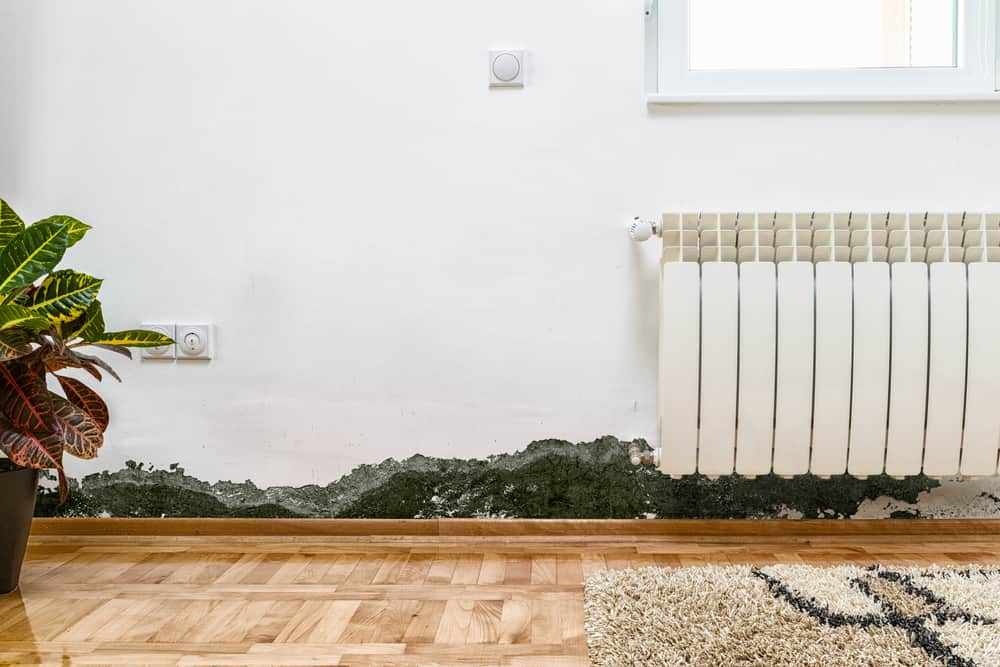
The bigger issue for homes in this part of Nassau County isn’t just the mold you can see it’s what’s sitting behind the walls of a house built in the 1950s or 1960s with original concrete block foundation walls and no vapor barrier in the crawl space. Those conditions are common in Cedarhurst’s residential stock, and they create slow, hidden moisture problems that give mold exactly what it needs to grow undetected for months.
Getting this right means the moisture source gets addressed first, the contaminated material gets removed properly, and the air quality in your home actually improves not just on the surface, but in the spaces your family breathes every day. That’s the difference between a real remediation and a surface clean that buys you six months before the problem comes back.
Mold Remediation Companies, Cedarhurst NY
First Response Restoration and Cleaning Inc. has been operating across Nassau County and Suffolk County for nearly three decades. That’s not a number we throw out to sound impressive it means we were here before Sandy hit the South Shore, during the cleanup that followed, and in the years after when homes near Peninsula Boulevard and throughout Cedarhurst were still dealing with the aftermath. We know what post-flood mold looks like in this specific housing stock, and we know how to find it when it’s hiding.
Every technician who walks into your home is individually IICRC certified under the ANSI/IICRC S520 standard not just the company name on the truck, but the actual person doing the work. We also carry full reconstruction capability, so if remediation reveals that structural material needs to come out and be rebuilt, you’re not left coordinating a second contractor while your home sits open.
We answer our phones 24 hours a day, seven days a week, because mold doesn’t wait for Monday morning.

Professional Mold Remediation Process, Cedarhurst
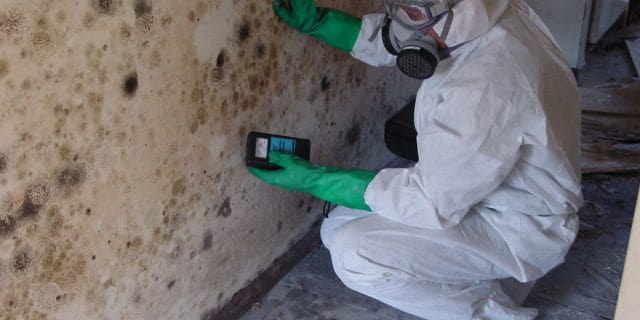
It starts with a thorough inspection air sampling, swab testing, infrared imaging to find moisture hiding behind walls, and a full written report with lab results back to you within two to three business days. Because New York State law prohibits the same company from both assessing and remediating mold on the same property, the inspection is handled independently. That law exists to protect you from inflated scopes of work, and we follow it without exception.
Once the assessment is complete and the scope is clear, remediation begins with containment. Affected areas are isolated to prevent spores from spreading to clean parts of your home especially important in Cedarhurst’s older homes where HVAC ductwork can carry contaminated air through an entire house before anyone realizes what’s happening. From there, contaminated materials are removed, surfaces are treated with EPA-registered antimicrobial agents, and industrial air scrubbers run until clearance testing confirms the air quality meets post-remediation standards.
If the work reveals damage to drywall, framing, or subfloor that needs to be rebuilt, we handle that too. You get one point of contact from the moment you call to the day the job is finished no handoffs, no coordination headaches, no gaps in accountability.
Ready to get started?
Basement and Crawl Space Mold Remediation, Cedarhurst
Mold remediation in Cedarhurst isn’t one-size-fits-all, and the scope of work should reflect what the inspection actually finds not a package someone picked off a menu. What we do covers the full range: basement mold remediation for the older concrete block foundations common throughout the Five Towns, crawl space mold remediation with vapor barrier assessment and replacement where needed, attic mold remediation for homes where inadequate ventilation has created condensation problems, and emergency mold remediation for situations where water intrusion is active and every hour counts.
We bring air movers, dehumidifiers, moisture monitors, and professional-grade containment equipment on every truck so the job starts when we arrive, not after a second vehicle shows up with the tools. For Cedarhurst homeowners dealing with a post-storm situation, that matters. The 48-hour window before mold establishes itself is not a figure of speech.
We also help you navigate your insurance claim. Mold coverage is one of the more complicated corners of a homeowners policy, and in a community where some properties were removed from FEMA flood zones after the post-Sandy map revisions potentially leaving gaps in coverage understanding what your policy actually covers before the work begins saves significant stress. We document everything the right way so your claim has the best possible foundation.
Does mold always come back after remediation in Cedarhurst homes?
It can but only if the moisture source wasn’t addressed. Mold is a symptom, not the root problem. If the underlying cause of moisture intrusion is still present after the visible mold is removed, it’s only a matter of time before growth returns. This is one of the most common reasons homeowners end up calling us back after a first remediation didn’t hold.
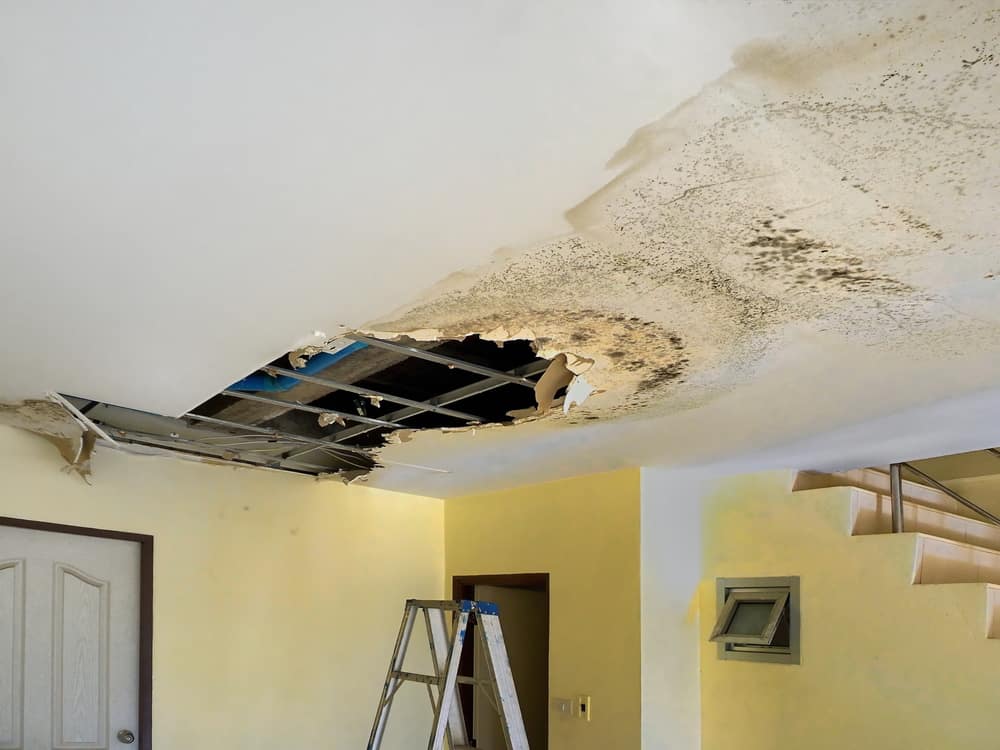
In Cedarhurst specifically, the most common moisture sources we find in older homes are seeping basement walls, failing crawl space vapor barriers, slow plumbing leaks that went undetected for months, and condensation from aging HVAC systems. Each of those needs to be identified and corrected as part of the remediation scope not treated as a separate problem to deal with later. When the moisture source is eliminated and the affected material is properly removed, mold remediation holds. That’s the standard we work to on every job.
How much does mold remediation typically cost in Cedarhurst, NY?
The honest answer is that it depends on the size of the affected area, the location of the mold, and how much material needs to be removed or rebuilt. For a contained basement or crawl space situation, most residential mold remediation projects in the Nassau County area fall somewhere between $1,500 and $6,000, with the national average sitting around $2,300. Larger jobs involving structural material framing, subfloor, or significant drywall removal will land higher.
What affects cost most in Cedarhurst is the age of the home and the scope of what the inspection finds. Older homes with original concrete block foundations, unfinished crawl spaces, and aging plumbing are more likely to have mold in places that aren’t immediately visible, which can expand the scope once the work begins. Getting a thorough inspection done before agreeing to any remediation scope is the best way to avoid surprises. We provide a clear, written estimate based on documented findings not a verbal ballpark that shifts once the job starts.
What's the difference between mold remediation and mold removal?
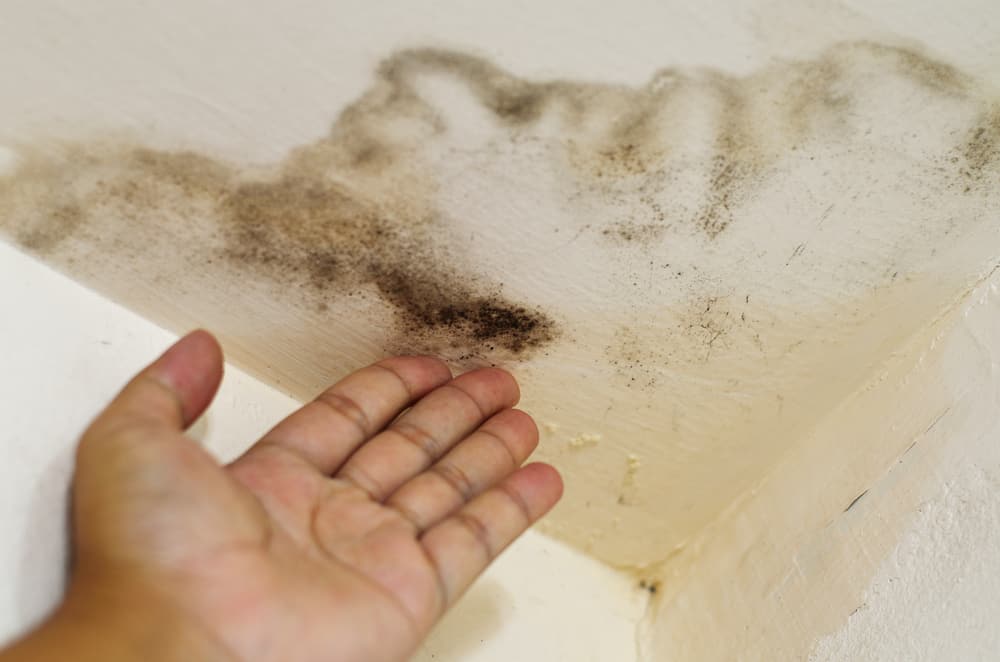
Mold removal implies that mold can be completely eliminated from a building which isn’t accurate. Mold spores exist naturally in the air both indoors and outdoors, and no process removes every spore from a home. What remediation does is bring mold levels back to a normal, safe range and remove the conditions that allowed it to grow out of control in the first place.
The distinction matters because companies that advertise “mold removal” or “complete mold elimination” are either misinformed or overpromising. Certified mold remediation follows the ANSI/IICRC S520 standard, which defines what acceptable post-remediation air quality looks like and requires clearance testing to confirm it. That’s the standard we work to not a visual inspection and a handshake. In a home that’s been through South Shore flooding, where mold can establish itself in wall cavities and subfloor material that isn’t immediately visible, clearance testing is the only way to know the job was actually done.
Is mold in my Cedarhurst basement covered by homeowners insurance?
It depends on how the mold developed. Most standard homeowners insurance policies cover mold remediation when it results directly from a covered peril a burst pipe, an appliance leak, or storm damage, for example. What policies typically exclude is mold that developed due to long-term neglect, gradual moisture buildup, or flooding from an external source, which is usually covered only under a separate flood insurance policy.
This is a particularly relevant issue for Cedarhurst homeowners because some properties in the village were removed from FEMA flood zones after the post-Sandy map revisions. If you dropped flood insurance after that change, and your basement flooded in a subsequent storm, you may be looking at an uninsured mold situation. Before assuming your policy covers the remediation, it’s worth reviewing your declarations page carefully. We help clients document the damage and the timeline thoroughly so the claim has the strongest possible foundation but understanding your coverage before the work begins is always the better starting point.
How long does mold remediation take, and can my family stay home?
Timeline depends on the scope. A contained basement mold remediation in a Cedarhurst home can often be completed in one to three days. Larger jobs involving multiple affected areas, structural material removal, or post-remediation rebuilding can run a week or more. We’ll give you a realistic timeline before the work begins not a best-case estimate that slips.
Whether your family can stay in the home during remediation depends on where the mold is located and how extensive the containment needs to be. For work confined to a basement or crawl space with proper containment barriers in place, many families stay in the home without issue. For more extensive remediation involving living areas, attic spaces, or HVAC-connected zones, temporary relocation is sometimes the safer and more practical choice especially for households with young children, which describes a significant portion of Cedarhurst’s resident base. We’ll tell you honestly what makes sense for your specific situation.
Why should I hire a certified mold remediation company instead of handling it myself?
For anything beyond a very small, isolated surface situation the EPA draws the line at 10 square feet professional remediation is the right call, and certification is what separates companies doing this correctly from those doing it cheaply. IICRC certification under the S520 standard means the technicians working in your home have been trained in containment protocols, proper material disposal, EPA-registered treatment methods, and post-remediation clearance testing. Without that training, it’s easy to spread spores to unaffected areas during the cleanup process and end up with a larger problem than you started with.
In Cedarhurst, where homes regularly deal with basement moisture, South Shore storm flooding, and aging building materials that can harbor mold in places that aren’t visible to the eye, the risk of an incomplete DIY remediation is real and specific. A home worth $900,000 or more is not the place to cut corners on a mold problem. Beyond the health implications, a mold history that surfaces during a future home inspection especially one that shows evidence of prior remediation that didn’t hold can materially affect your sale price or kill a deal entirely.
Useful Links
Other Services we provide in Cedarhurst